
Parents
How busy parents can fit sport around family life with flexible, home-friendly and time-efficient options.
Overview
Parenting leaves little spare time and a lot of unpredictability, so sport has to be flexible and forgiving. Activities you can do at or near home, in short windows, or while the kids are occupied make it realistic to stay active without adding stress.
Even small, regular amounts of movement help with energy, mood and stress relief through demanding days. Some parents also fold activity into family life — a walk, ride or game together — so it counts as both exercise and time with the kids.
What works
- Flexible, home-friendly options fit around unpredictable days.
- Short, time-efficient sessions are easier to sustain.
- Regular movement supports energy, mood and stress relief.
- Some activities can double as family time.
Getting started
- 1Choose an activity you can do near home or in a short window.
- 2Fit short sessions into gaps in the day rather than seeking long blocks.
- 3Consider activities the family can join so it counts as time together.
- 4Warm up and keep it realistic on busier days.
Sports that fit
Great places to start — each with a clear, beginner-friendly guide.

Running
The most accessible endurance sport — no venue, just shoes and the open road or trail.
Cycling
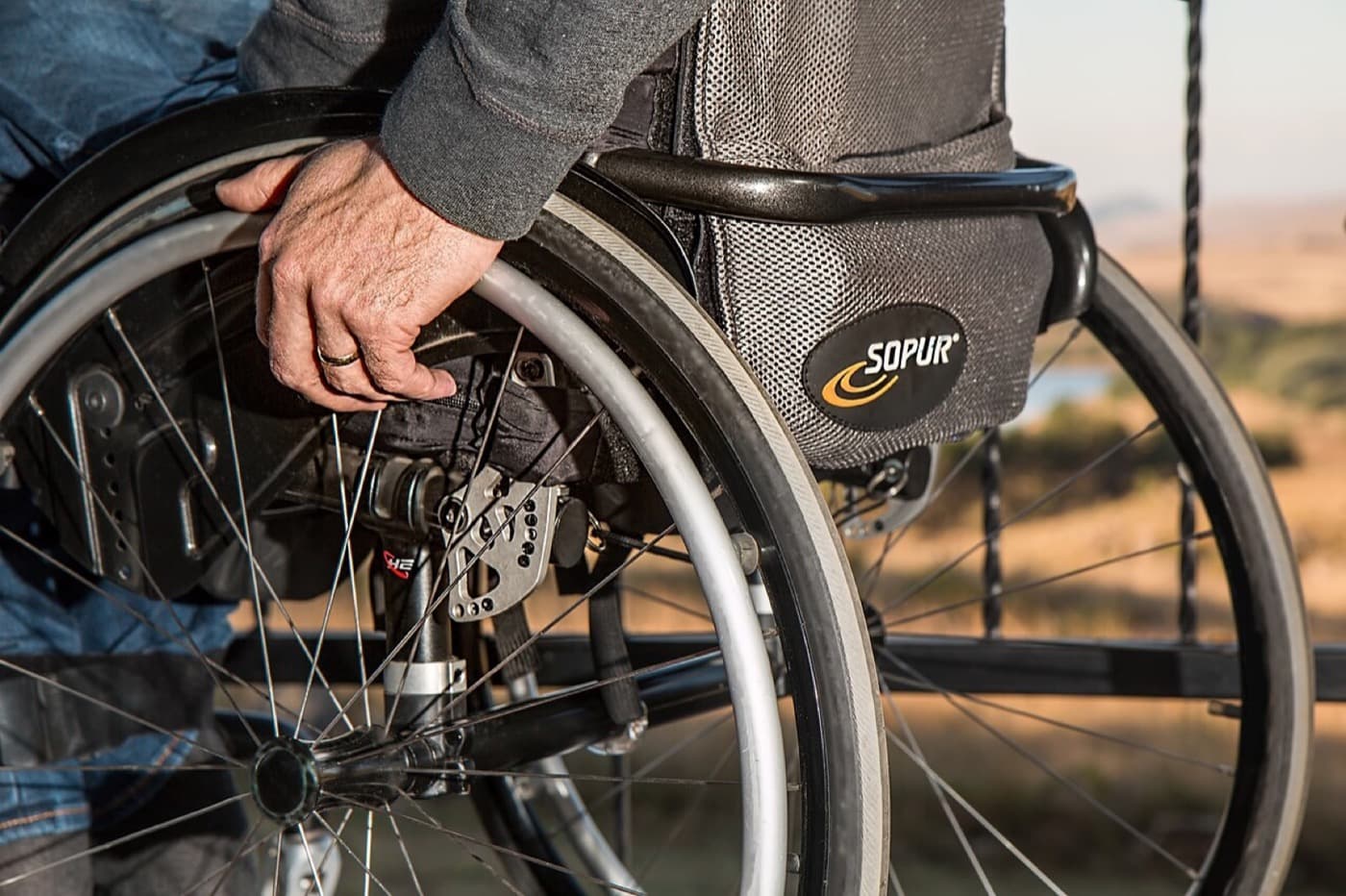
A low-impact endurance sport that doubles as transport, exercise and adventure.
Fitness
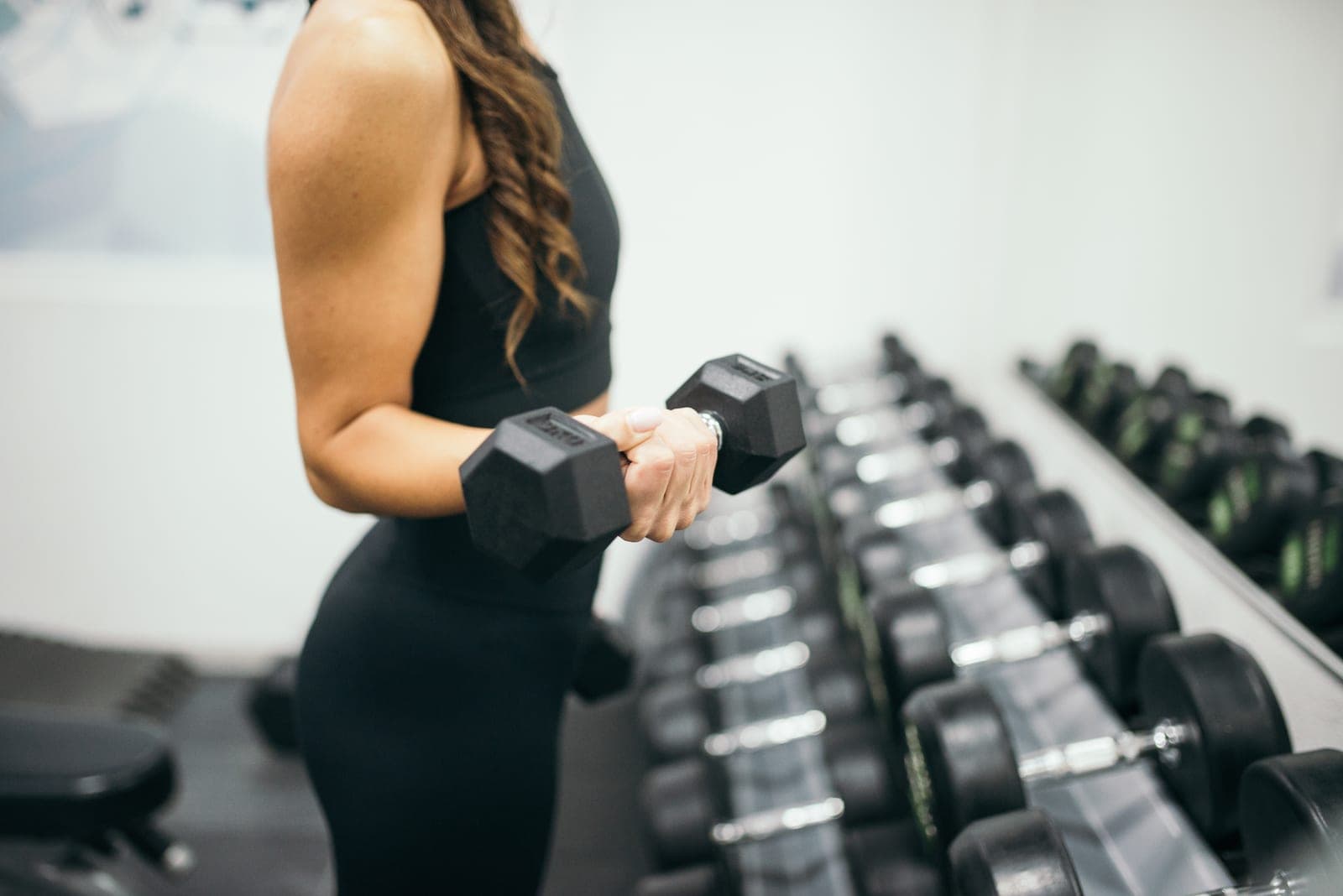
Strength and general fitness training — the foundation that supports every other sport.
Yoga
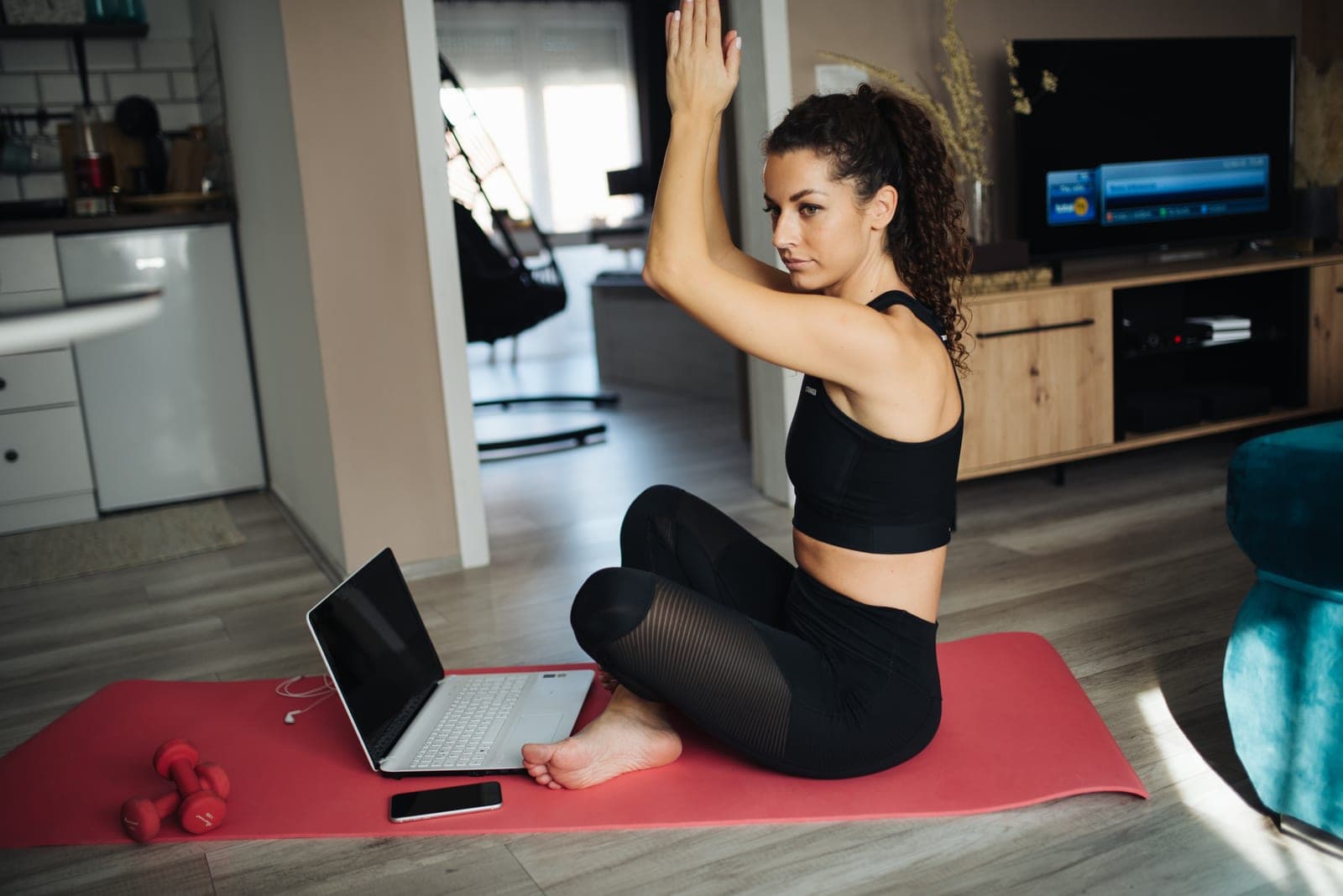
A mind-body practice that links postures, breathing and focus to build flexibility, strength and calm.
Hiking
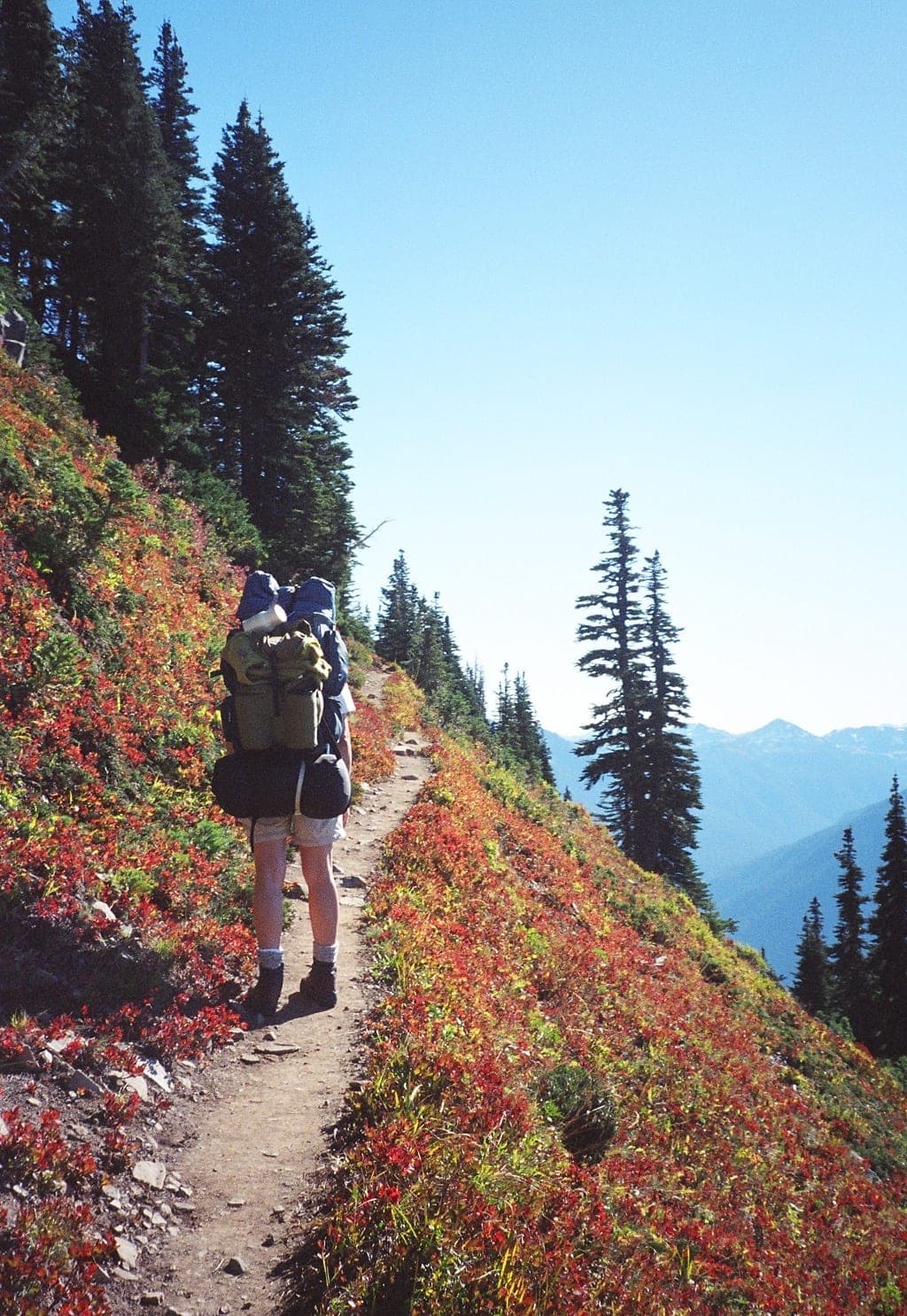
An accessible outdoor sport of walking natural trails and hills at your own pace, solo or in a group.
Goals that fit
Family activities
Find sports and games that people of different ages can enjoy together, with something for everyone.
Become more active
Add regular, gentle movement to your everyday life and build up from a sedentary start at your own pace.
Build healthy habits
Using sport and routine to make regular activity a lasting part of everyday life.
Reduce stress
Find calmer, healthier ways to unwind through regular movement, gentle mind-body activity and time outdoors.
Build an active lifestyle
Make movement a natural, lasting part of daily life through activities and habits you genuinely enjoy.
Ways to train
Exercises and methods that fit — educational, not a prescription.
Wall sit
A holding exercise where you sit against a wall with no chair, holding a squat position still.
Step-up
A movement where you step up onto a raised platform one leg at a time and step back down.
Kettlebell swing
A dynamic hinge where you swing a kettlebell to shoulder height using a snap of the hips.
Push-up
A classic upper-body pushing exercise where you lower and press your body up from the floor.
Tricep dip
A pushing exercise where you lower and raise your body using your arms on parallel bars or a bench.
Pull-up
A vertical pulling exercise where you hang from a bar and pull your chin above it.
Frequently asked questions
How can busy parents find time for sport?
Flexible activities you can do near home or in short windows tend to work best. Fitting movement into gaps in the day, and sometimes involving the children, makes it more realistic than waiting for long free blocks.
What exercise can I do at home as a parent?
Home-friendly options like bodyweight fitness, yoga or a run from your door need little setup and fit around childcare. Keeping sessions short and flexible helps them survive a busy day.
Can I exercise with my kids?
Many parents combine activity with family time — walking, cycling or playing games together. It is a practical way to stay active while spending time with the children, and it models healthy habits.
Explore across the knowledge base
Follow the threads that connect Parents to the rest of SocialSportHub.
Barriers
- No timeWhen your days are full, sport has to fit into small windows rather than replace them — short, flexible activity that adds up.
- Always travellingWhen you are often away from home, sport has to travel with you — bodyweight options, hotel-room routines and activity that needs no local club.
- An unpredictable scheduleWhen no two weeks look the same, sport needs to be flexible and portable rather than tied to a fixed class time.
Motivations
- To spend time as a familyWhen the aim is shared time, activities the whole family can do together turn being active into a way to connect across ages.
- To stay healthyWhen health is the driver, regular, sustainable activity across fitness, strength and mobility supports an active life for the long term.
Healthy living
- Morning MovementA little gentle activity early in the day to wake the body up and start on a positive note.
- Family Active TimeMaking activity something the whole household does together, so movement becomes a shared, everyday habit.
- Meal TimingHow the rhythm of when you eat can fit around your day and your activity — without rigid rules or clock-watching.
- Sports Nutrition BasicsA gentle introduction to fuelling an active body — the general ideas behind eating for energy, performance and recovery.
Lifestyle
- Low budgetWays to be active without spending much, from free activities to low-cost options.
- No equipmentActivities and workouts you can do with little or no gear, using mostly your own body.
- 15 minutesShort, focused bursts of movement you can fit into a spare 15 minutes, with no long session required.
- At homeMovement you can do in your living room — from bodyweight strength to yoga — with little or no equipment.
- 10 minutesTen focused minutes is enough for a quick, worthwhile session — a short run, a compact circuit or a mobility routine.
Recommendations
- Recommended for “Family activities”Sports, qualities, a learning path and first steps for “Family activities” — every suggestion a real graph link, shown with its reason.
- Recommended for “Healthy aging”Sports, qualities, a learning path and first steps for “Healthy aging” — every suggestion a real graph link, shown with its reason.
- Recommended for “Sports for seniors”Sports, qualities, a learning path and first steps for “Sports for seniors” — every suggestion a real graph link, shown with its reason.
How this page is maintained
- Content type
- For people like you
- Provenance
- Tier A — evergreen educational
- Verified external sources
- 0
- Content updated
- 2026-07-09
Evergreen, first-party explanation — it makes no claim that needs an external source. How we handle sources and reviews.