
No equipment
Activities and workouts you can do with little or no gear, using mostly your own body.
Overview
You don't need a rack of equipment to be active. Bodyweight training, running, walking and many mind-body practices rely mostly on you and a bit of space, making them easy to start and simple to keep up wherever you are.
Going equipment-free also keeps things flexible and low-cost. Bodyweight exercises can be adjusted to be easier or harder, and activities like running or yoga travel well, so a lack of kit is rarely a real barrier to getting started.
What works
- Bodyweight exercises build strength using just your own weight and some space.
- Running, walking and mobility work need little more than suitable shoes.
- Equipment-free activities are easy to do at home, outdoors or while travelling.
- Most bodyweight moves can be made easier or harder to match your level.
Getting started
- 1Begin with a few simple bodyweight moves such as squats, lunges, press-ups and planks, using easier variations as needed.
- 2Learn good technique first and progress gradually rather than rushing into harder versions.
- 3Combine some strength moves with walking, running or a mobility routine for variety.
- 4Use a small clear space and check your form so you can move comfortably.
Sports that fit
Great places to start — each with a clear, beginner-friendly guide.
Calisthenics
Bodyweight strength training — push-ups, pull-ups, dips and progressions you can do almost anywhere.

Running
The most accessible endurance sport — no venue, just shoes and the open road or trail.
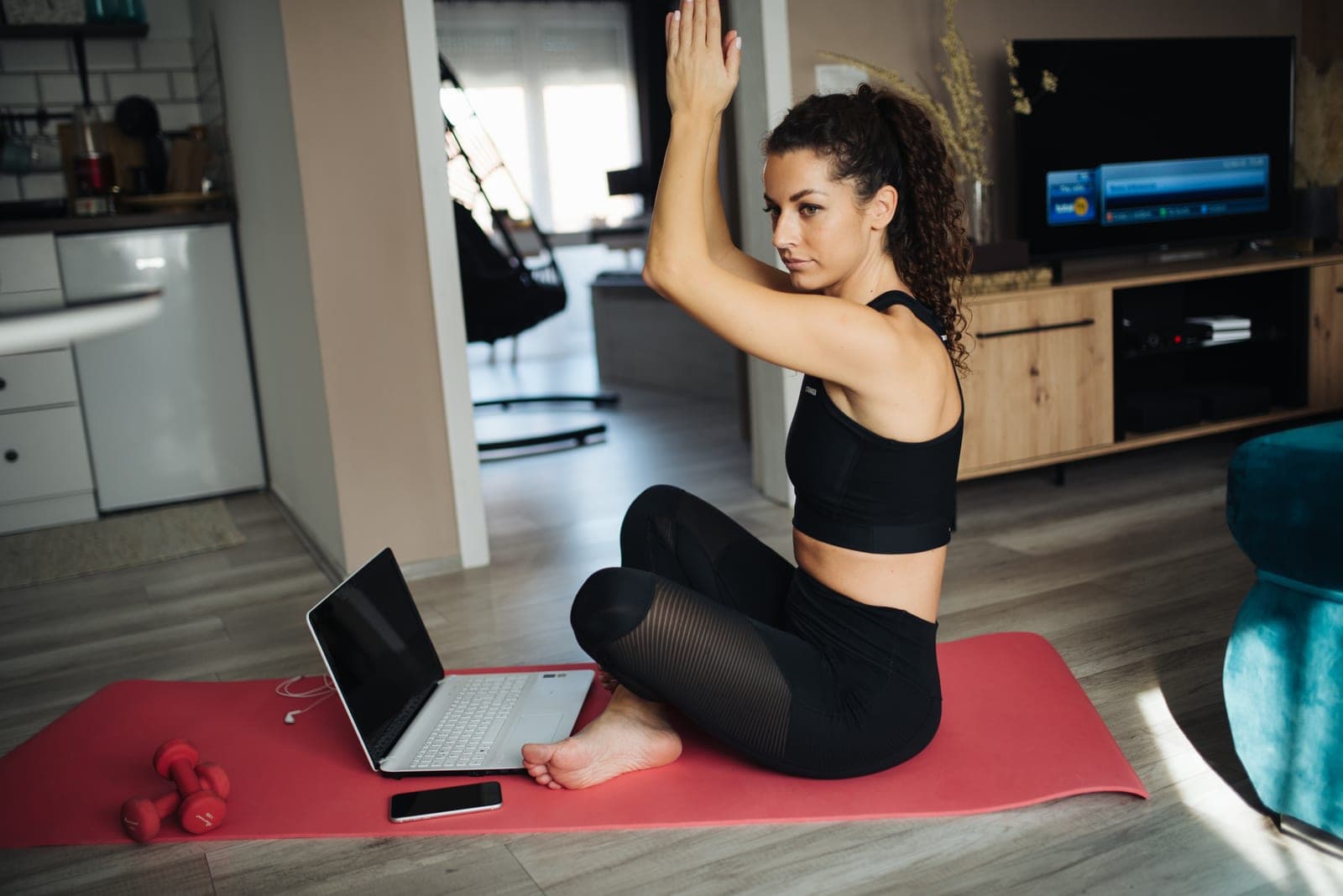
Yoga
A mind-body practice that links postures, breathing and focus to build flexibility, strength and calm.
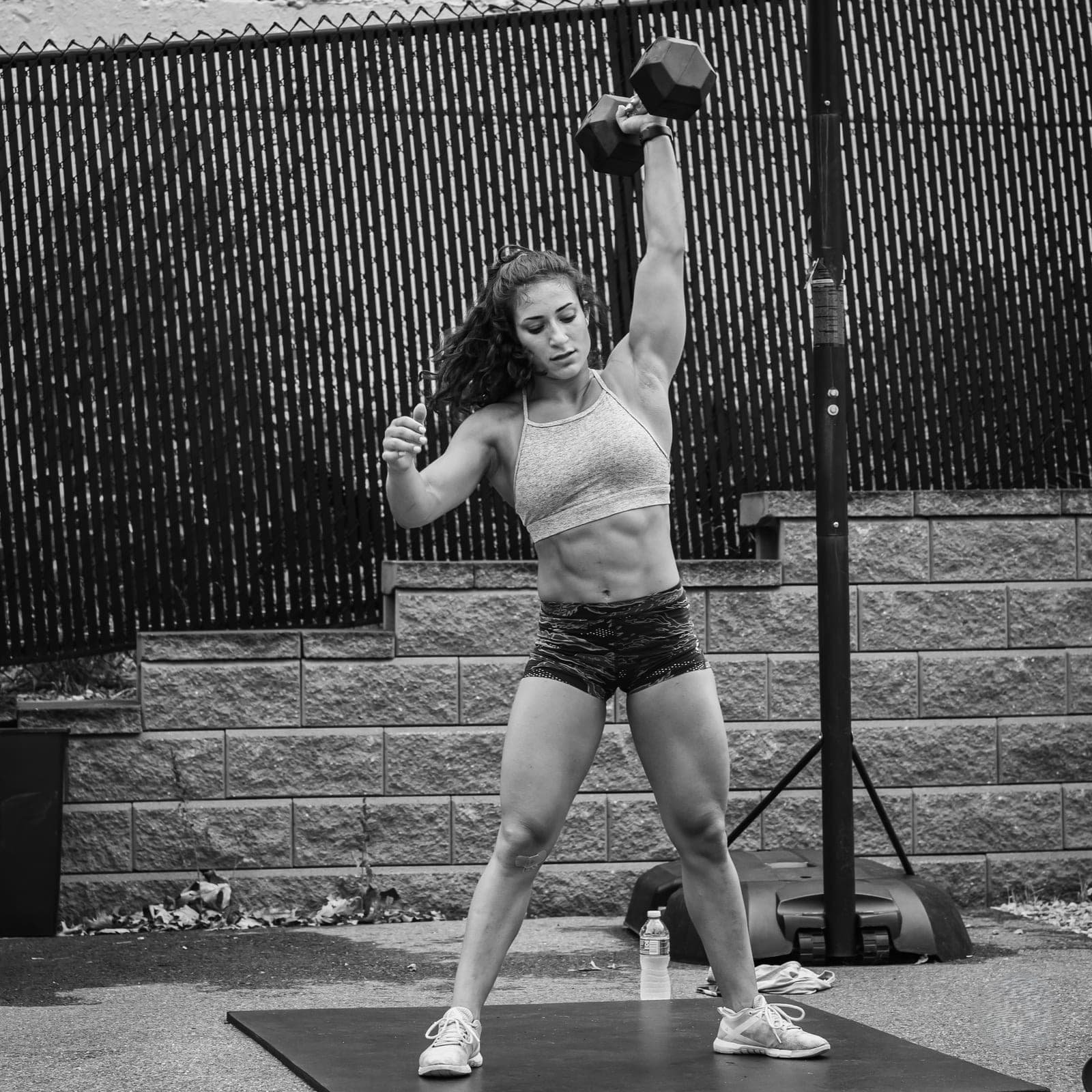
HIIT
High-intensity interval training that alternates short bursts of hard effort with brief recovery.
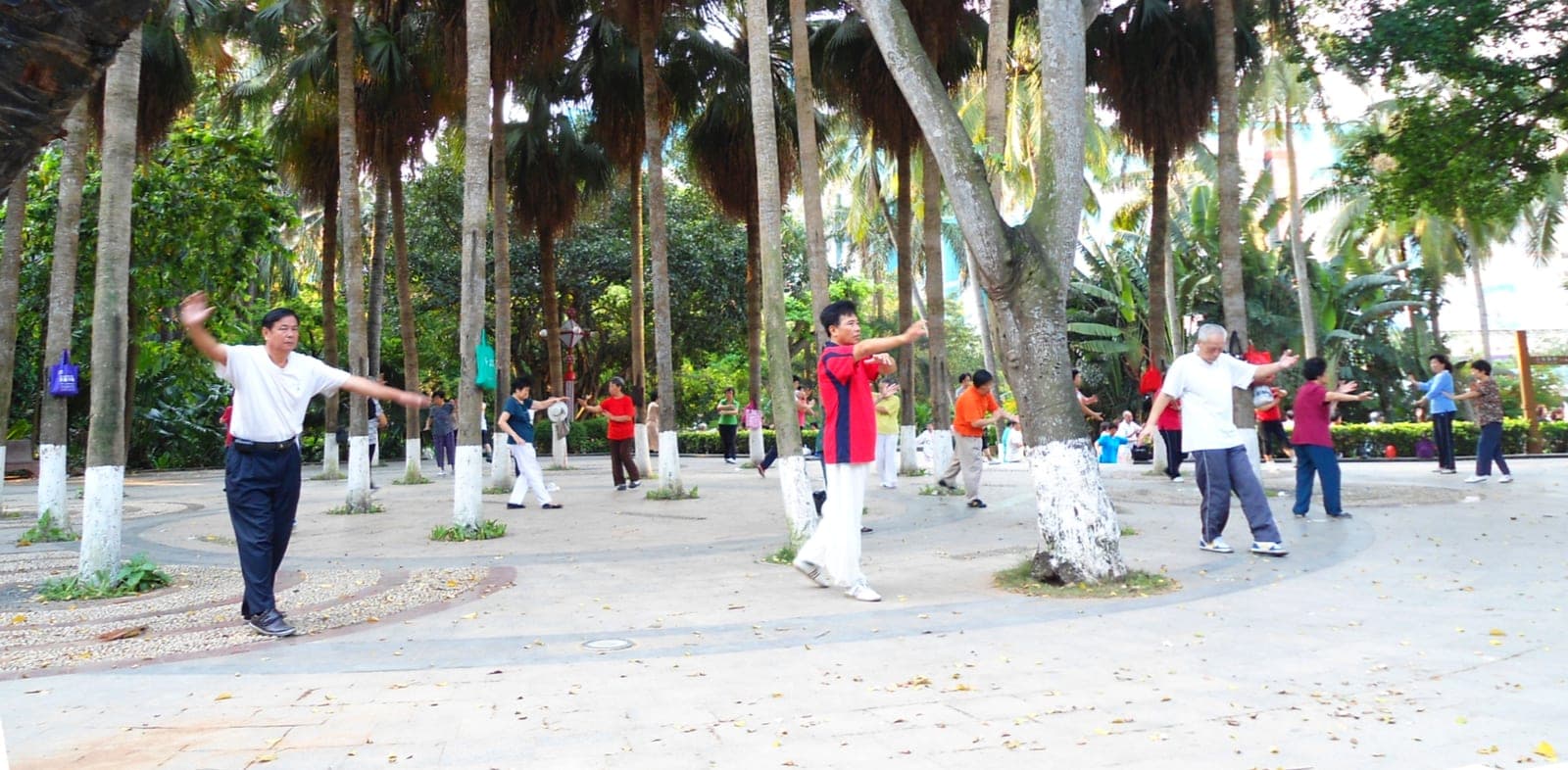
Tai Chi
A gentle mind-body practice of slow, flowing movements that builds balance, mobility and calm.
Functional Fitness
Varied, whole-body training built around everyday movement patterns like squatting, lifting and carrying.
Goals that fit
Become more active
Add regular, gentle movement to your everyday life and build up from a sedentary start at your own pace.
Build muscle
Challenge your muscles with regular resistance training and steady recovery to build strength over time.
Improve fitness
Build well-rounded fitness — stamina, strength and more — through regular, varied activity you can keep up.
Build healthy habits
Using sport and routine to make regular activity a lasting part of everyday life.
Ways to train
Exercises and methods that fit — educational, not a prescription.
Squat
A foundational lower-body movement where you bend at the hips and knees to lower down and stand back up.
Goblet squat
A squat variation where you hold a single weight close to your chest for balance and control.
Wall sit
A holding exercise where you sit against a wall with no chair, holding a squat position still.
Lunge
A single-leg movement where you step forward and bend both knees to lower your body.
Bulgarian split squat
A single-leg squat where the back foot is raised on a bench behind you.
Step-up
A movement where you step up onto a raised platform one leg at a time and step back down.
Frequently asked questions
Can I get fit without any equipment?
Yes. Bodyweight training, running, walking and practices like yoga can build strength, fitness and mobility with little or no gear. Progressing gradually and keeping good technique matters more than having lots of equipment.
What are good no-equipment exercises?
Classic bodyweight moves include squats, lunges, press-ups, planks and glute bridges, which you can make easier or harder. Combine these with walking, running or a stretching routine for a well-rounded, equipment-free approach.
Can I build muscle with just bodyweight exercises?
Bodyweight training can build strength, especially when you progress to harder variations and keep challenging yourself over time. Results are gradual, and pairing effort with recovery helps; for advice tailored to you, a coach is a good resource.
Explore across the knowledge base
Follow the threads that connect No equipment to the rest of SocialSportHub.
People
- Remote workersHow sport can fit a work-from-home life — replacing the movement a commute used to provide and breaking up long spells at a home desk.
- Shift workersHow sport can fit irregular hours and changing sleep — portable, flexible activity that adapts to a rota rather than a fixed timetable.
- TravelersHow to stay active on the move with minimal-equipment sport that works almost anywhere.
- ParentsHow busy parents can fit sport around family life with flexible, home-friendly and time-efficient options.
- Busy professionalsHow time-efficient sport can fit a packed schedule to protect fitness, energy and stress relief.
Barriers
- No timeWhen your days are full, sport has to fit into small windows rather than replace them — short, flexible activity that adds up.
- An unpredictable scheduleWhen no two weeks look the same, sport needs to be flexible and portable rather than tied to a fixed class time.
- Always travellingWhen you are often away from home, sport has to travel with you — bodyweight options, hotel-room routines and activity that needs no local club.
- Nothing nearbyWhen there is no local club or facility, self-directed and home-based activity — plus a wider search — keeps sport within reach.
- Worried about costWhen money is tight, free and low-cost activity — walking, running, bodyweight training — proves that sport does not have to be expensive.
Healthy living
- Taking the StairsChoosing stairs over the lift as a simple, no-cost way to add a little more effort to an ordinary day.
- Meal TimingHow the rhythm of when you eat can fit around your day and your activity — without rigid rules or clock-watching.
- Weekend ActivityUsing the extra time at weekends to be active in ways that feel more like fun than exercise.
- Morning MovementA little gentle activity early in the day to wake the body up and start on a positive note.
- Hydration and exerciseSensible fluid habits before, during and after activity — so you feel good and recover well without overthinking it.
Training plans
- Home Bodyweight WeekA general example week of short, equipment-free bodyweight sessions you can do at home, built from simple movements like squats, push-ups and planks.
- General Fitness WeekA balanced example week that mixes some cardio, a little strength and gentle mobility for well-rounded, all-round fitness.
How this page is maintained
- Content type
- For your day
- Provenance
- Tier A — evergreen educational
- Verified external sources
- 0
- Content updated
- 2026-07-09
Evergreen, first-party explanation — it makes no claim that needs an external source. How we handle sources and reviews.