
Mobility
Using a joint’s range of movement actively, with control and strength throughout.
Overview
Mobility is flexibility you can control and use. Where flexibility is how far a joint can move, mobility is your ability to move actively through that range with strength and stability.
Good mobility helps movements feel smooth and well-controlled, and supports technique in many sports.
Why it matters
- Supports controlled, full-range movement in training and sport
- Complements strength and flexibility
- Helps everyday movements feel easier
How to train it
- Practise controlled movements through a joint’s full range
- Combine gentle stretching with light strength work in those ranges
- Warm-up routines are a natural place to build it
The RAMP warm-up
A structured way to prepare for activity
- 1
Raise
Gently raise heart rate, breathing, blood flow and muscle temperature.
- 2
Activate
Switch on the key muscles you will rely on.
- 3
Mobilise
Move the joints through the ranges the activity demands.
- 4
Potentiate
Build up to activity-specific, higher-intensity movement.
Sports that build mobility
These sports are especially good for developing this quality.
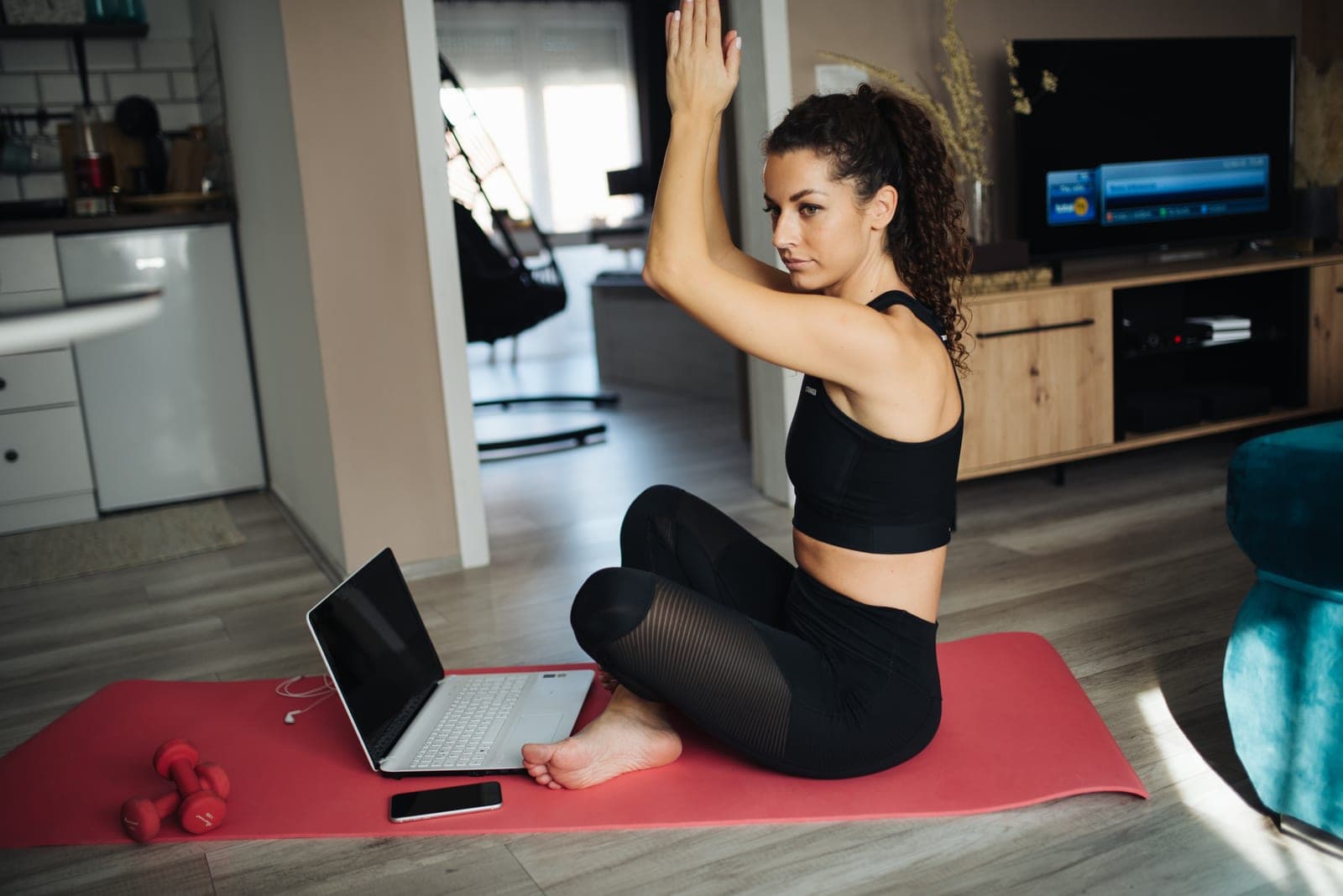
Yoga
A mind-body practice that links postures, breathing and focus to build flexibility, strength and calm.
Pilates
A low-impact mind-body method that builds core strength, control and posture through precise, controlled movement.
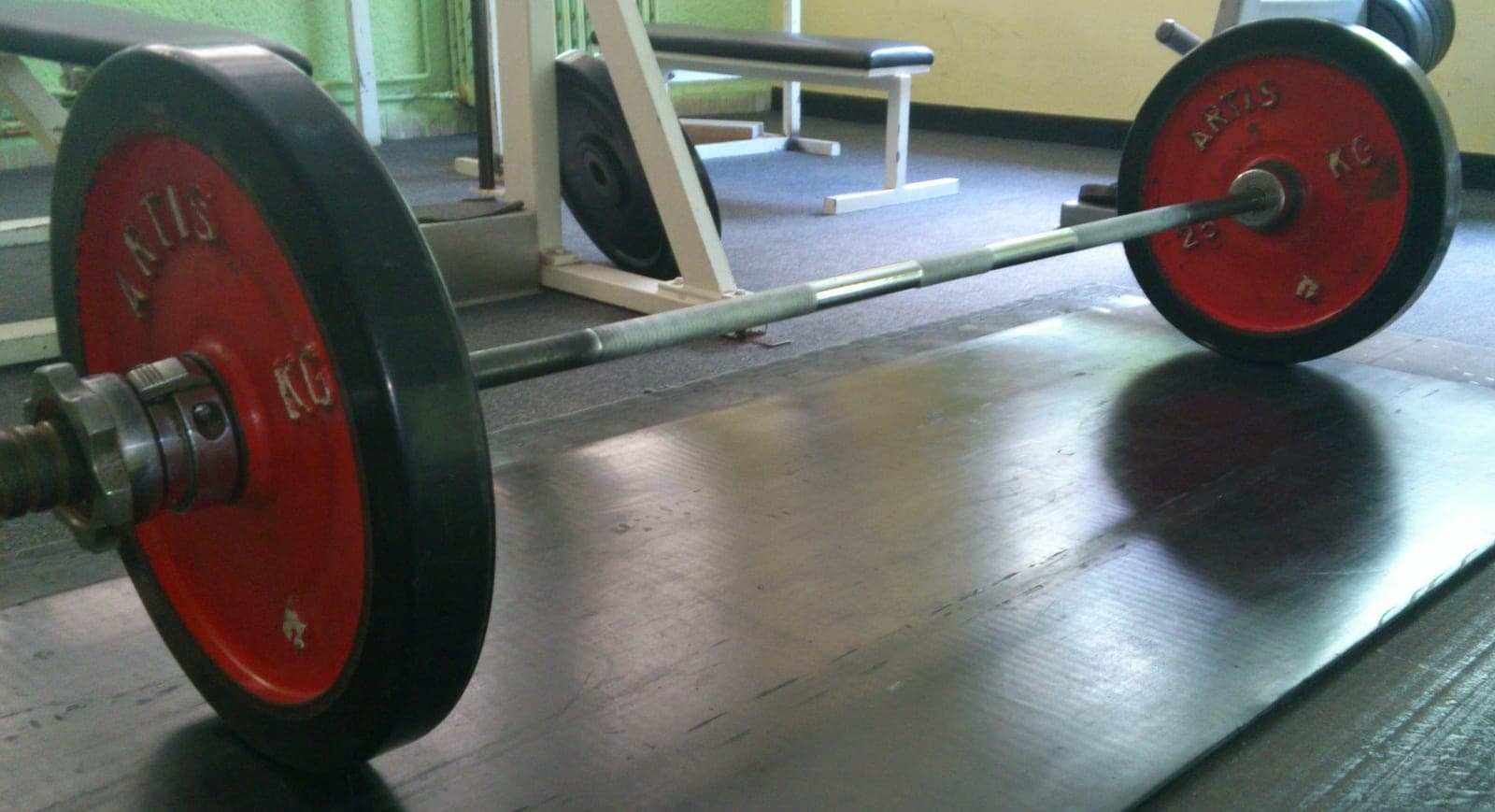
Weightlifting
A technical strength sport built around lifting a loaded barbell overhead with speed and control.
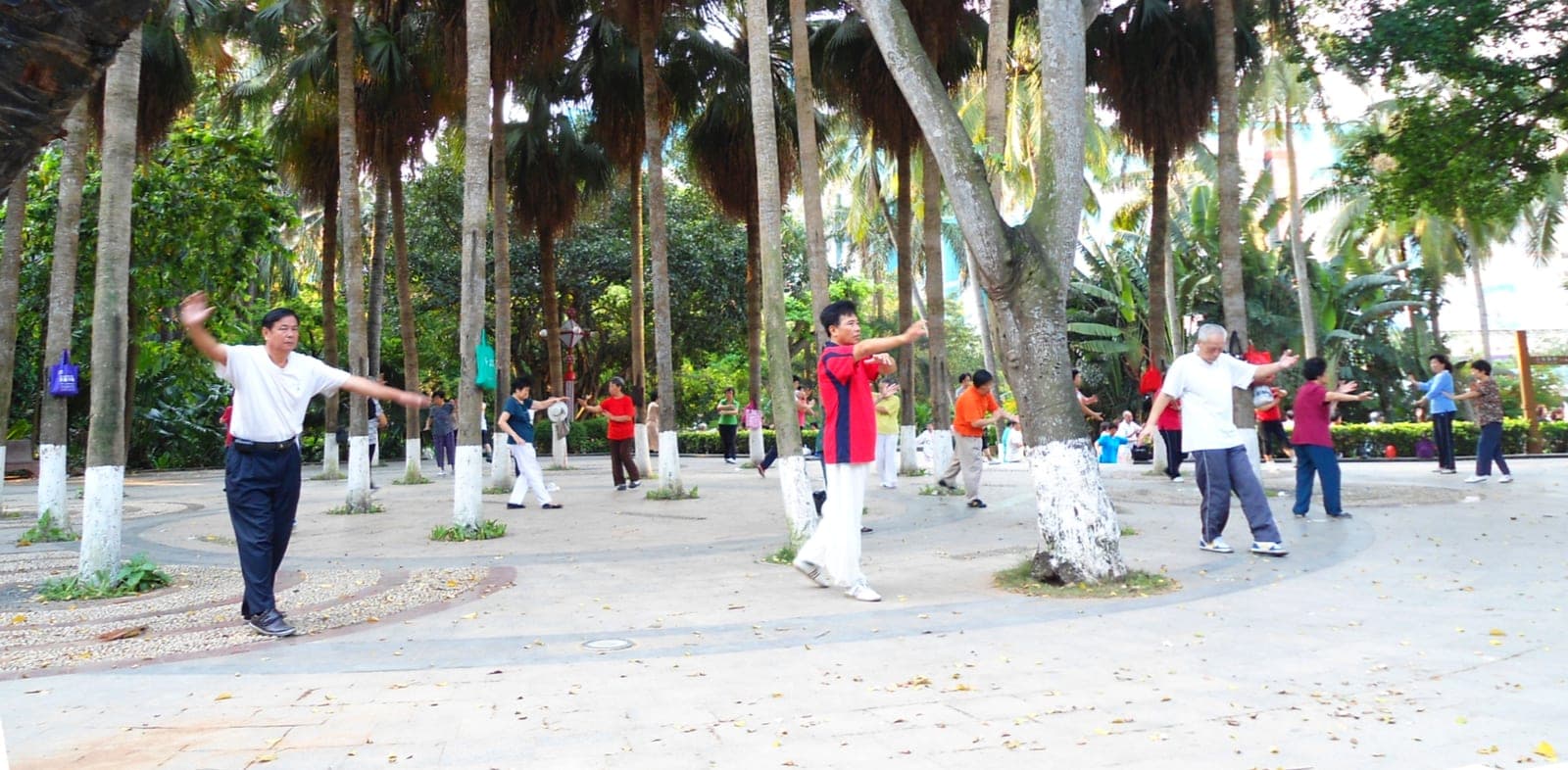
Tai Chi
A gentle mind-body practice of slow, flowing movements that builds balance, mobility and calm.
Barre
A low-impact mind-body workout blending ballet-inspired moves with elements of pilates and yoga for strength and control.
Train it: exercises & methods
Ways to develop mobility — educational, not a prescription.
Squat
A foundational lower-body movement where you bend at the hips and knees to lower down and stand back up.
Romanian deadlift
A hinge variation focused on the back of the legs, lowering the weight without returning it to the floor.
Hip hinge
The foundational bending-at-the-hips pattern that underpins deadlifts, swings and picking things up.
Band pull-apart
A simple pulling exercise where you stretch a resistance band across your chest to work the upper back.
Mobility Training
Mobility training works on moving your joints actively through their full range, combining control and flexibility so movement feels free and easy.
Flexibility Training
Flexibility training uses stretching to gradually improve how far your muscles and joints can comfortably lengthen and move.
How it connects
The meaning-bearing relationships that place Mobility in the wider knowledge graph — each one with the reason it exists.
Frequently learned together
Taught side by side in the same stage of a learning path.
- Mobility TrainingBoth are taught in the “Train your body for it” stage of the Pilates learning path.
- Flexibility TrainingBoth are taught in the “Train your body for it” stage of the Pilates learning path.
- FlexibilityBoth are taught in the “Train your body for it” stage of the Pilates learning path.
- Core stabilityBoth are taught in the “Train your body for it” stage of the Pilates learning path.
Explore across the knowledge base
Follow the threads that connect Mobility to the rest of SocialSportHub.
Goals
- Become more activeAdd regular, gentle movement to your everyday life and build up from a sedentary start at your own pace.
- Build an active lifestyleMake movement a natural, lasting part of daily life through activities and habits you genuinely enjoy.
- Improve mobilityMove your joints more freely and comfortably through their natural range with regular, gentle practice.
- Improve flexibilityLengthen your muscles and widen your range of motion through regular, gentle stretching over time.
- Reduce stressFind calmer, healthier ways to unwind through regular movement, gentle mind-body activity and time outdoors.
Disciplines
- BackstrokeBackstroke is swum face-up with an alternating arm pull and flutter kick — the one competitive stroke where you breathe freely because your face stays out of the water.
- BreaststrokeBreaststroke uses a simultaneous, symmetric arm sweep and a whip-like frog kick, with a distinct glide between strokes — technical, rhythmic and the slowest of the four strokes.
- SnatchThe snatch is one of the two Olympic weightlifting lifts, taking the barbell from the platform to overhead in one continuous movement.
Movement patterns
- SquatA knee-dominant pattern: bending the hips, knees and ankles to lower and rise while keeping the torso upright — the foundation of lower-body strength.
- HingeA hip-dominant pattern: bend forward at the hips with a flat back, minimal knee bend, then drive the hips tall — powers pulling from the floor and jumping.
- KickA ballistic single-support leg swing that whips force from the plant foot through the hip and knee to strike or propel a ball or target with the foot, distinct from the weight-bearing steps of locomotion.
- PivotA rotation of the body about one planted foot, reorienting the trunk and hips around a vertical axis without travelling to a new location.
- ReachExtending a limb toward a distant point or object, often at full stretch, by projecting a distal segment beyond the body's resting envelope while a stabilised base preserves balance and control.
People
- SeniorsHow gentle, supported sport can help older adults stay active, mobile and connected, with a professional check first.
- Office workersHow sport can offset long hours of sitting and screen time to support mobility, energy and stress relief.
- TravelersHow to stay active on the move with minimal-equipment sport that works almost anywhere.
- Complete beginnersHow to start sport from scratch with accessible, low-pressure activities and a gentle, gradual approach.
- Returning to sportHow to ease back into sport after a break, rebuilding gradually and listening to your body.
Lifestyle
- At homeMovement you can do in your living room — from bodyweight strength to yoga — with little or no equipment.
- At the officeWays to stay active around a desk job — walking, mobility breaks and stretching that fit into a working day.
- In a small apartmentQuiet, low-impact ways to train in a small flat — mat-based routines that respect limited space and shared walls.
- 5 minutesEven five minutes counts — a quick movement snack that breaks up sitting and keeps a little activity in a packed day.
- 10 minutesTen focused minutes is enough for a quick, worthwhile session — a short run, a compact circuit or a mobility routine.
Go deeper with Mobility
Everywhere else on the platform that covers Mobility — assembled from what actually references it, so nothing here is a dead end.
Learn it
Structured courses and paths on the platform that cover this directly.
Compare it
Head-to-head studies against the entities people actually weigh it against.
Take it away
Open data and the whole-platform view of this subject.
How this page is maintained
- Content type
- Physical quality
- Provenance
- Tier A — evergreen educational
- Verified external sources
- 0
- Content updated
- 2026-09-01
Evergreen, first-party explanation — it makes no claim that needs an external source. How we handle sources and reviews.