
Office workers
How sport can offset long hours of sitting and screen time to support mobility, energy and stress relief.
Overview
Desk-based work means long periods of sitting, screen time and low overall movement. Sport is a practical counterweight — it gets you upright, moving and away from the screen, supporting posture, mobility and energy across the working day.
Activities that are easy to slot around work tend to stick best: something before or after work, at lunch, or on the commute. Mobility-focused and cardio activities pair well, and even short regular sessions can help with the stiffness and stress that come from sitting.
What works
- Movement offsets long hours of sitting and screen time.
- Mobility and posture-friendly activities counter desk stiffness.
- Sessions that fit before, after or during work are easiest to keep.
- Regular activity supports energy and stress relief.
Getting started
- 1Pick one activity you can do before work, at lunch or on the way home.
- 2Add short mobility or stretching breaks to your working day.
- 3Warm up gently, especially after sitting for a long stretch.
- 4Aim for a little and often rather than one big weekly session.
Sports that fit
Great places to start — each with a clear, beginner-friendly guide.
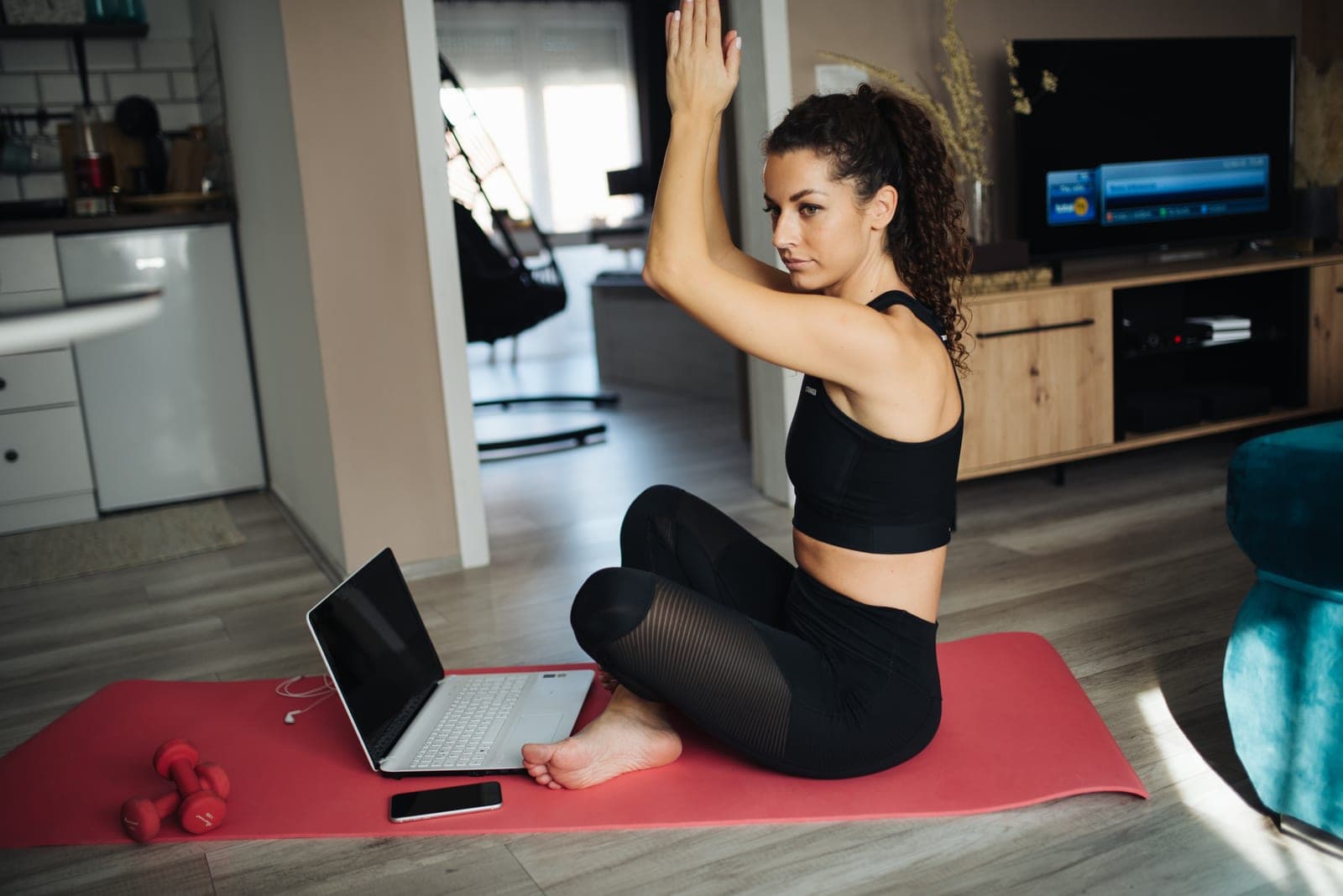
Yoga
A mind-body practice that links postures, breathing and focus to build flexibility, strength and calm.
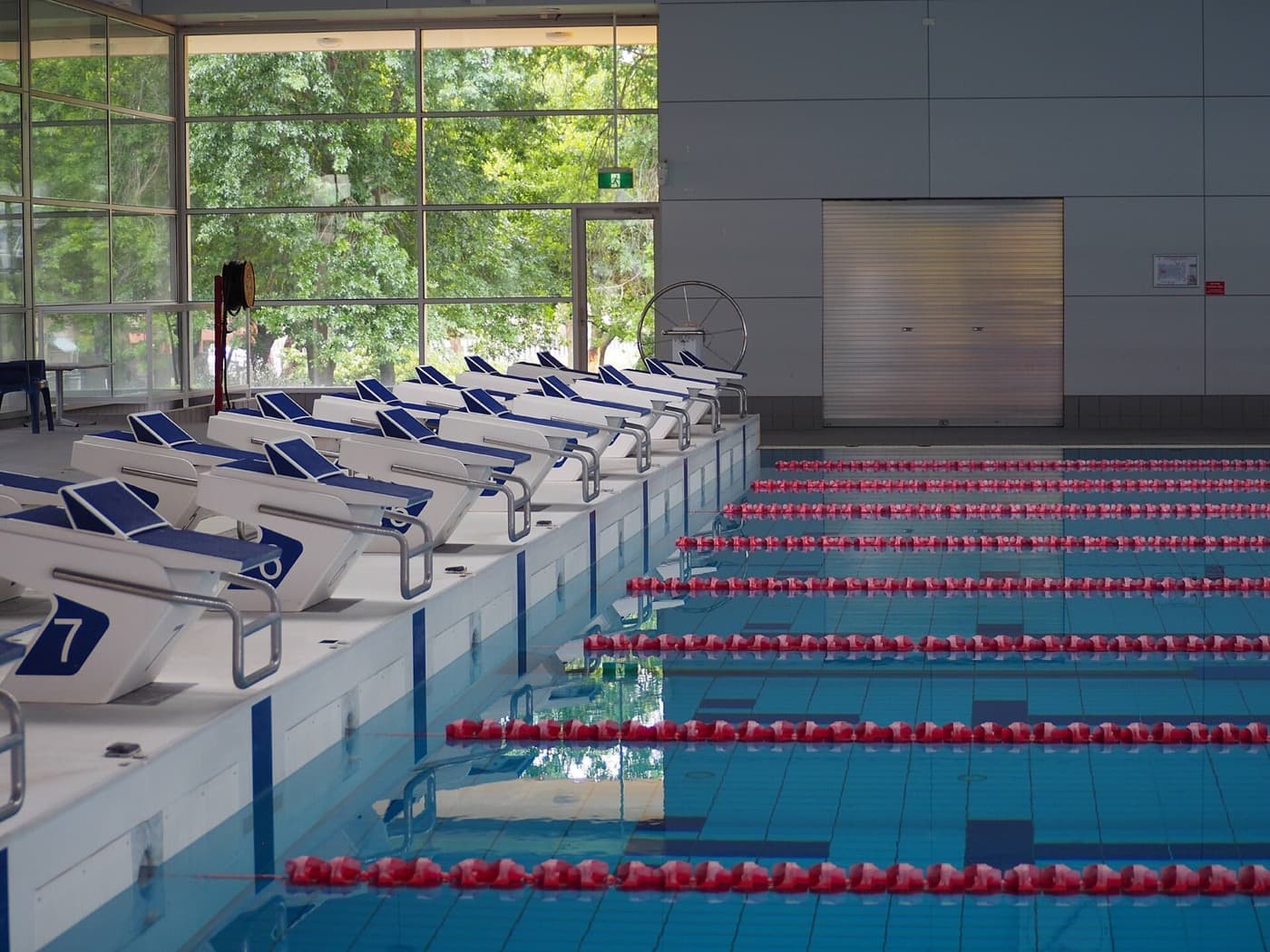
Swimming
A full-body, low-impact endurance sport suitable for almost every age and ability.

Running
The most accessible endurance sport — no venue, just shoes and the open road or trail.
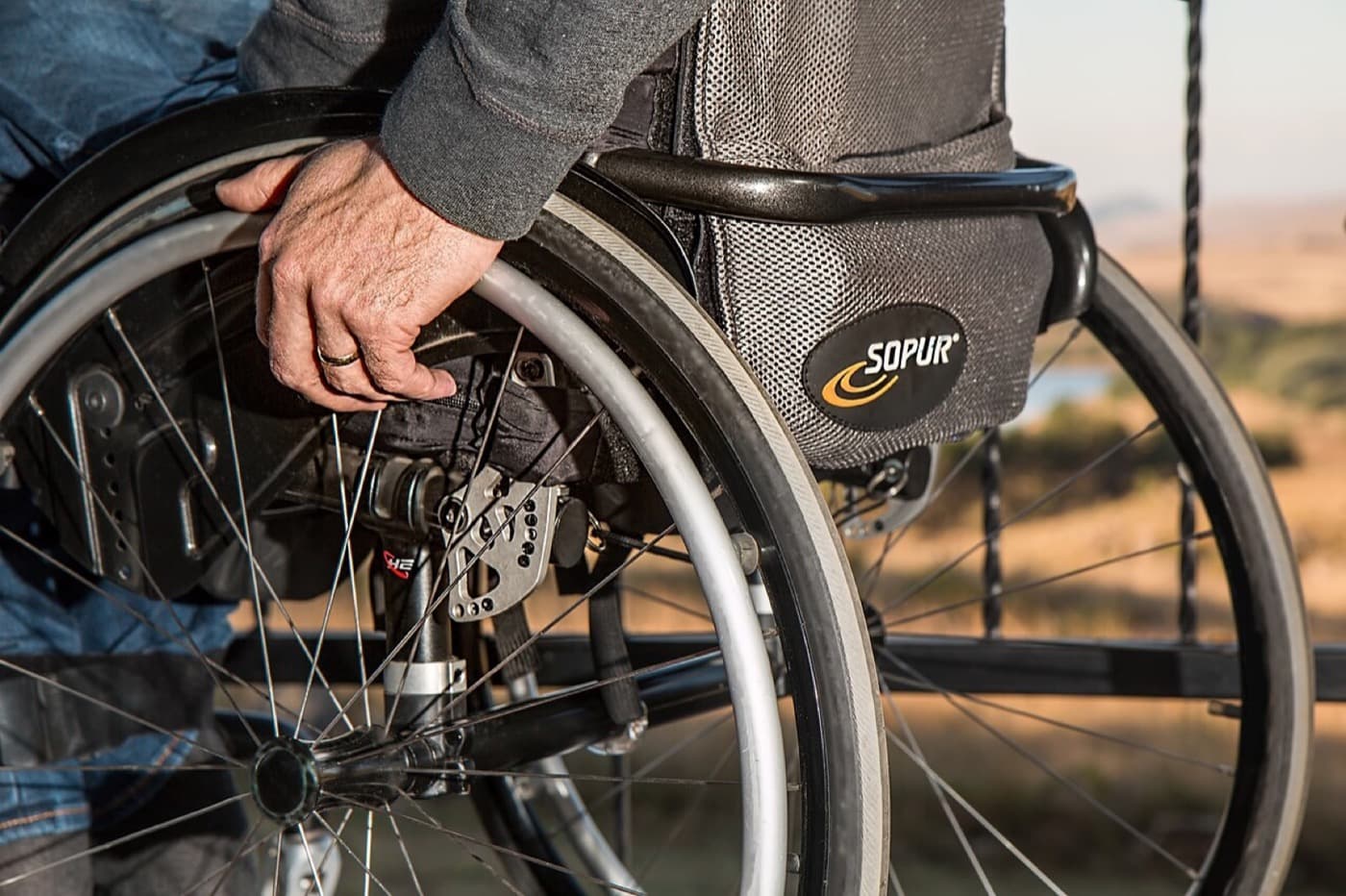
Cycling
A low-impact endurance sport that doubles as transport, exercise and adventure.
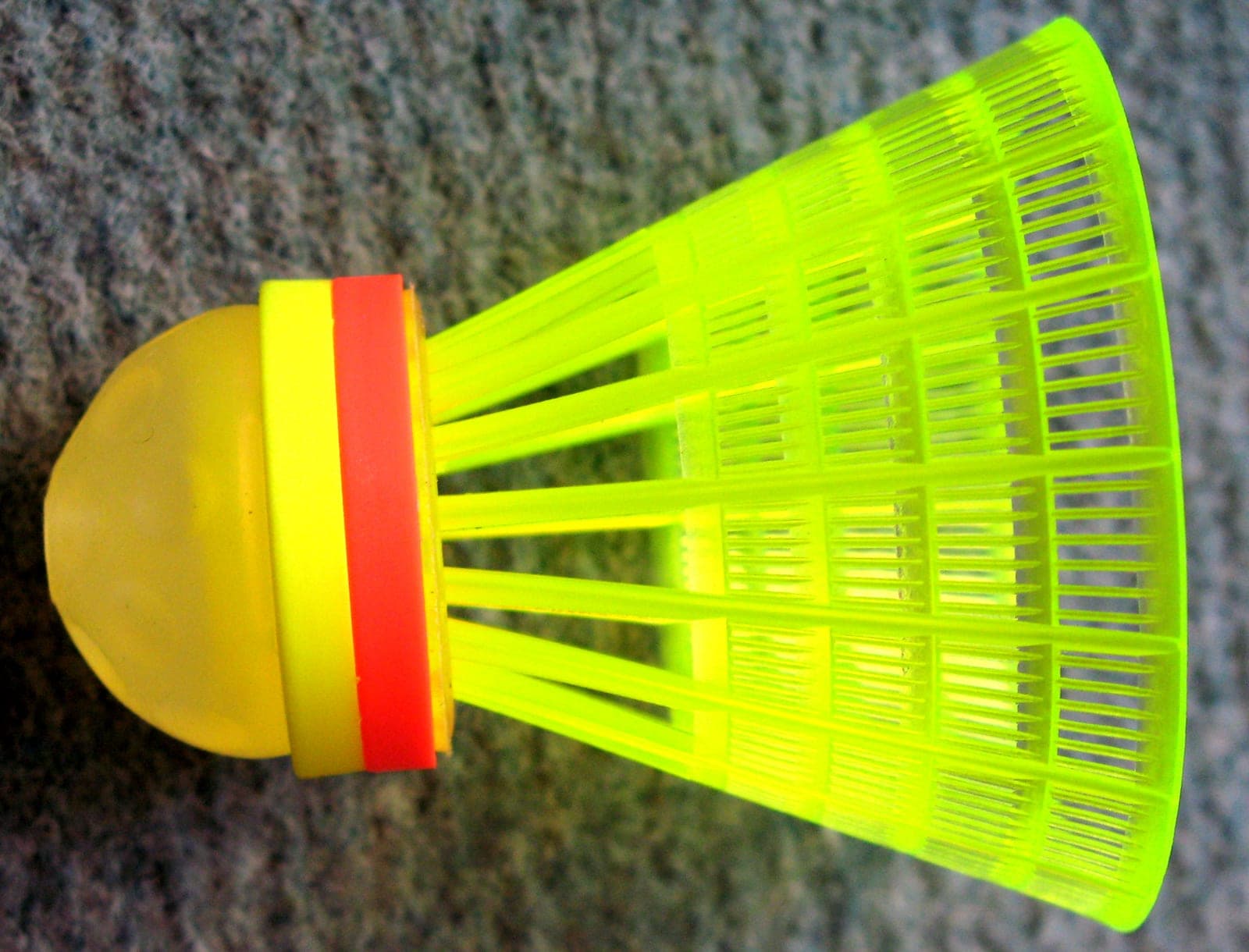
Badminton
A fast indoor racquet sport played with a shuttlecock that rewards agility and touch.
Pilates
A low-impact mind-body method that builds core strength, control and posture through precise, controlled movement.
Goals that fit
Sports for office workers
Ways for desk-based workers to add movement around a sedentary working day.
Improve mobility
Move your joints more freely and comfortably through their natural range with regular, gentle practice.
Reduce stress
Find calmer, healthier ways to unwind through regular movement, gentle mind-body activity and time outdoors.
Become more active
Add regular, gentle movement to your everyday life and build up from a sedentary start at your own pace.
Build healthy habits
Using sport and routine to make regular activity a lasting part of everyday life.
Ways to train
Exercises and methods that fit — educational, not a prescription.
Squat
A foundational lower-body movement where you bend at the hips and knees to lower down and stand back up.
Romanian deadlift
A hinge variation focused on the back of the legs, lowering the weight without returning it to the floor.
Hip hinge
The foundational bending-at-the-hips pattern that underpins deadlifts, swings and picking things up.
Band pull-apart
A simple pulling exercise where you stretch a resistance band across your chest to work the upper back.
Mobility Training
Mobility training works on moving your joints actively through their full range, combining control and flexibility so movement feels free and easy.
Flexibility Training
Flexibility training uses stretching to gradually improve how far your muscles and joints can comfortably lengthen and move.
Frequently asked questions
What sport is best for office workers?
Activities that counter sitting — such as yoga, swimming, cycling or running — work well because they support mobility, posture and cardio fitness. The most useful one is whatever fits reliably around your working day.
How can I stay active with a desk job?
Combine one regular sport with small daily habits like standing, stretching and walking breaks. Slotting activity into your commute, lunch break or the start or end of the day makes it easier to maintain.
Can exercise help with sitting all day?
Regular movement and mobility work are commonly used to relieve the stiffness and low energy that come from prolonged sitting. Breaking up long sitting periods across the day helps too.
Explore across the knowledge base
Follow the threads that connect Office workers to the rest of SocialSportHub.
Lifestyle
Healthy living
- WalkingThe most accessible activity there is — free, low-impact, and one of the easiest ways to add movement to any day.
- Active BreaksShort bursts of movement woven through the working or study day to break up long stretches of sitting.
- Taking the StairsChoosing stairs over the lift as a simple, no-cost way to add a little more effort to an ordinary day.
- Reducing SittingBreaking up long, unbroken stretches of sitting with small, regular movement through the day.
- Hydration basicsWhy staying hydrated matters for an active life, and simple, sensible habits to drink enough through the day.
Recommendations
- Recommended for “Sports for office workers”Sports, qualities, a learning path and first steps for “Sports for office workers” — every suggestion a real graph link, shown with its reason.
- Recommended for “Reduce stress”Sports, qualities, a learning path and first steps for “Reduce stress” — every suggestion a real graph link, shown with its reason.
How this page is maintained
- Content type
- For people like you
- Provenance
- Tier A — evergreen educational
- Verified external sources
- 0
- Content updated
- 2026-07-09
Evergreen, first-party explanation — it makes no claim that needs an external source. How we handle sources and reviews.