
To feel calmer
When you play to unwind, rhythmic, absorbing activity gives many people a mental break — though it complements, not replaces, professional support.
Overview
A lot of people are drawn to sport as a way to switch off — to get out of their head, release tension and feel calmer. Many find that rhythmic, absorbing activity such as running, swimming or cycling gives a mental break, while a game demands enough focus that everyday worries fade for a while. That experience is common, though everyone is different.
It is worth being clear that sport is not a treatment for a mental-health condition and does not replace professional support. As one part of a balanced life it helps many people feel better; if you are struggling with your mental health, please speak with a qualified professional.
What to look for
- Rhythmic, absorbing activity gives many people a mental break.
- A game that demands focus can push everyday worries aside for a while.
- Getting outdoors adds to the effect for many.
- Sport supports wellbeing but is not a substitute for professional help.
A note on this guidance
Getting started
- 1Choose something absorbing enough to take your mind off things.
- 2Try rhythmic activities such as running, swimming or cycling.
- 3Get outdoors where you can — many find it adds to the effect.
- 4Seek professional support as well if you are struggling.
Sports that deliver it
Great places to start — each with a clear, beginner-friendly guide.

Running
The most accessible endurance sport — no venue, just shoes and the open road or trail.
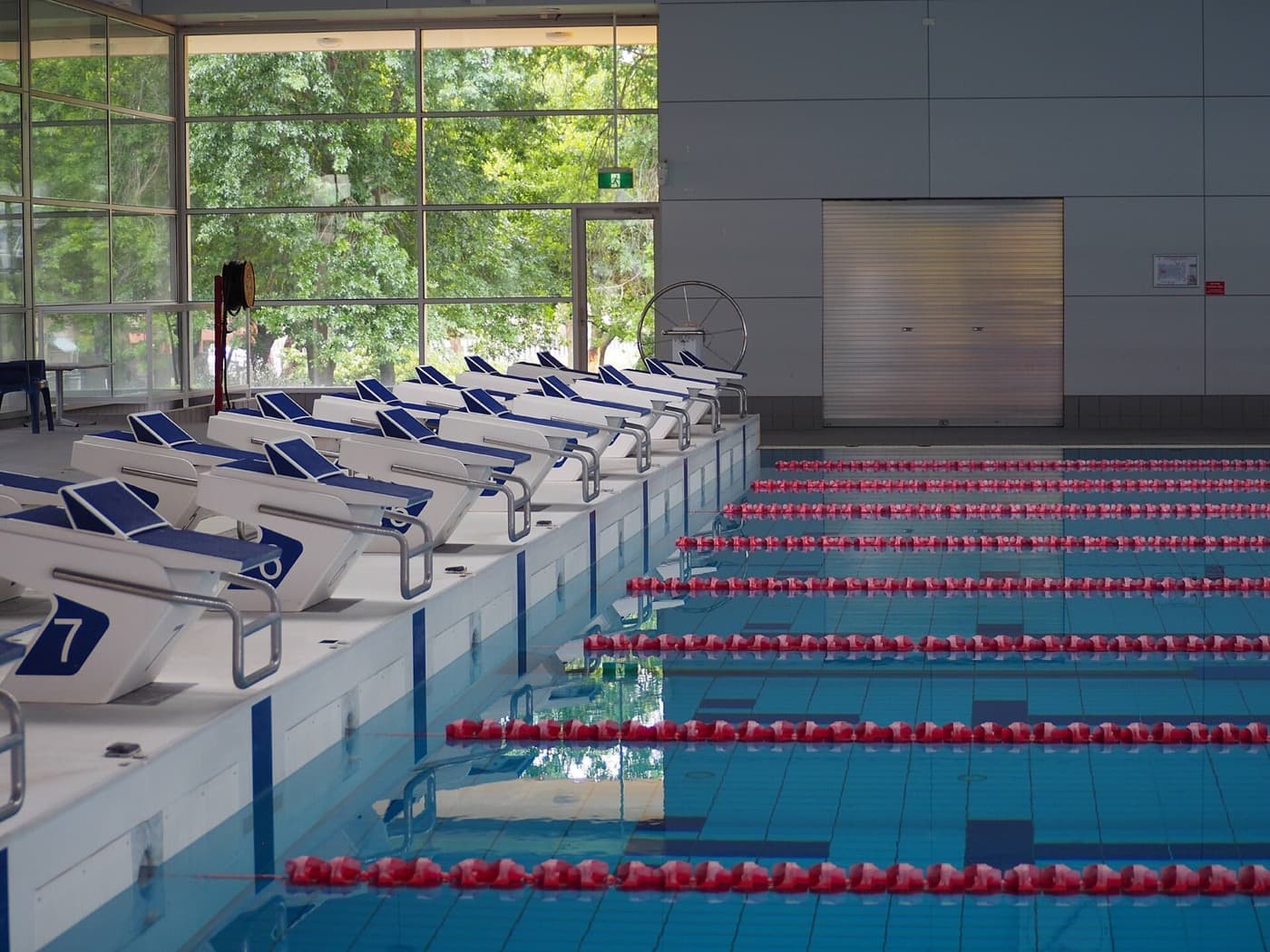
Swimming
A full-body, low-impact endurance sport suitable for almost every age and ability.
Cycling
A low-impact endurance sport that doubles as transport, exercise and adventure.
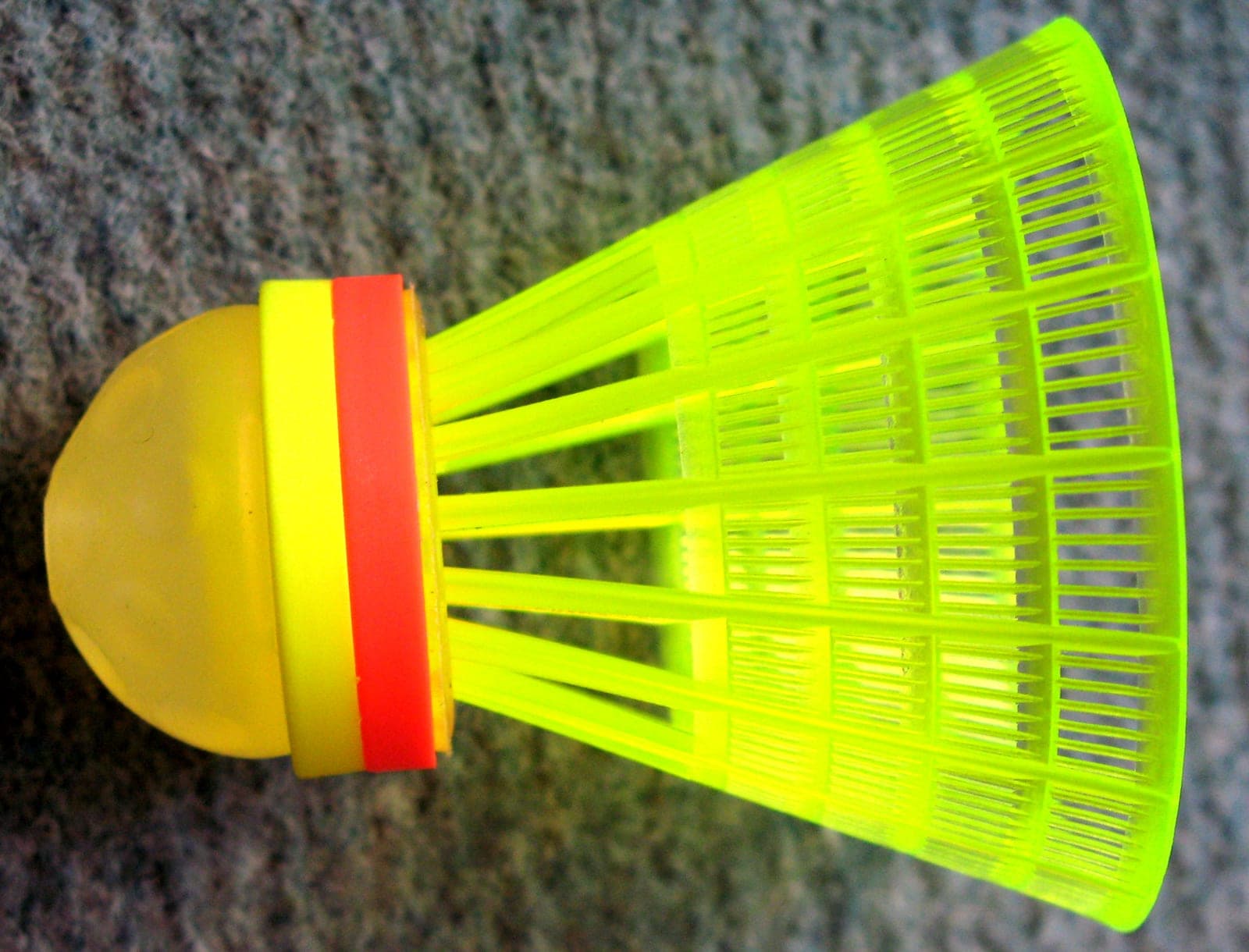
Badminton
A fast indoor racquet sport played with a shuttlecock that rewards agility and touch.
Goals that fit
Reduce stress
Find calmer, healthier ways to unwind through regular movement, gentle mind-body activity and time outdoors.
Improve mental wellbeing
Use regular, enjoyable activity to support your mood, connection and sense of wellbeing as one healthy habit among many.
Improve sleep
Support more restful sleep by staying active during the day and building a consistent daily rhythm.
Build an active lifestyle
Make movement a natural, lasting part of daily life through activities and habits you genuinely enjoy.
Ways to train
Exercises and methods that fit — educational, not a prescription.
Wall sit
A holding exercise where you sit against a wall with no chair, holding a squat position still.
Step-up
A movement where you step up onto a raised platform one leg at a time and step back down.
Kettlebell swing
A dynamic hinge where you swing a kettlebell to shoulder height using a snap of the hips.
Push-up
A classic upper-body pushing exercise where you lower and press your body up from the floor.
Tricep dip
A pushing exercise where you lower and raise your body using your arms on parallel bars or a bench.
Pull-up
A vertical pulling exercise where you hang from a bar and pull your chin above it.
Frequently asked questions
Which sports are good for stress relief?
Many people find rhythmic, absorbing activities such as running, swimming and cycling help them feel calmer, and getting outdoors can add to the effect. Sport supports wellbeing for a lot of people, but it is not a treatment — if you are struggling, please speak with a qualified professional.
Explore across the knowledge base
Follow the threads that connect To feel calmer to the rest of SocialSportHub.
People
Lifestyle
Barriers
- Low motivationWhen motivation is hard to find, the fix is rarely more willpower — it is making the activity smaller, easier and more enjoyable so starting is simple.
- Limited mobilityWhen movement is limited, gentle, adaptable activity may still be possible — but personal guidance from a qualified professional should come first.
- No one to play withWhen you have no training partner, individual sports, beginner groups and finding-people options open the door to solo and social activity alike.
Healthy living
- Evening Wind-DownEasing gently from a busy day toward rest, with calm movement and habits that help the body settle.
- Outdoor LifestyleChoosing to spend more of your active time outside, where fresh air and surroundings make movement more enjoyable.
- Stretching for recoveryUsing gentle, unhurried stretching to feel loosened and relaxed after activity — an easy, calming way to wind down.
- Recovery walkingEasy, relaxed walking used as a way to recover — a low-effort way to keep moving on off days and after harder sessions.
- Digital WellbeingBuilding a calmer, more intentional relationship with your devices so technology supports an active, connected life rather than crowding it out.
Recommendations
- Recommended for “Reduce stress”Sports, qualities, a learning path and first steps for “Reduce stress” — every suggestion a real graph link, shown with its reason.
- Recommended for “Improve mental wellbeing”Sports, qualities, a learning path and first steps for “Improve mental wellbeing” — every suggestion a real graph link, shown with its reason.
How this page is maintained
- Content type
- Your why
- Provenance
- Tier A — evergreen educational
- Verified external sources
- 0
- Content updated
- 2026-07-09
Evergreen, first-party explanation — it makes no claim that needs an external source. How we handle sources and reviews.