
Students
How sport can fit around study, a tight budget and a changing timetable to support focus, energy and social life.
Overview
Student life often means a flexible but unpredictable schedule, a limited budget and plenty of stress around deadlines. Sport is a practical way to break up study, boost energy and meet people. University clubs, intramural leagues and drop-in sessions make it easy to try activities without a big commitment.
Low-cost, accessible options work best — running, campus gym sessions and social team sports fit around lectures and part-time work. Building a light, regular routine is more sustainable than occasional intense bursts, and it supports focus, mood and sleep during busy periods.
What works
- Low-cost, accessible sports fit a student budget and timetable.
- Clubs and intramural leagues make it easy to meet people.
- Regular, light activity supports focus, mood and sleep.
- Flexible options adapt around lectures and deadlines.
Getting started
- 1Check what clubs, gyms and drop-in sessions your campus offers.
- 2Pick one activity you can do a couple of times a week around classes.
- 3Team up with a friend or join a beginner-friendly session for accountability.
- 4Start light and build up as it fits your schedule.
Sports that fit
Great places to start — each with a clear, beginner-friendly guide.

Running
The most accessible endurance sport — no venue, just shoes and the open road or trail.

Basketball
A fast, dynamic team sport of running, jumping and quick decisions on court.

Football
The world’s most popular team sport — endless running, teamwork and community in one game.
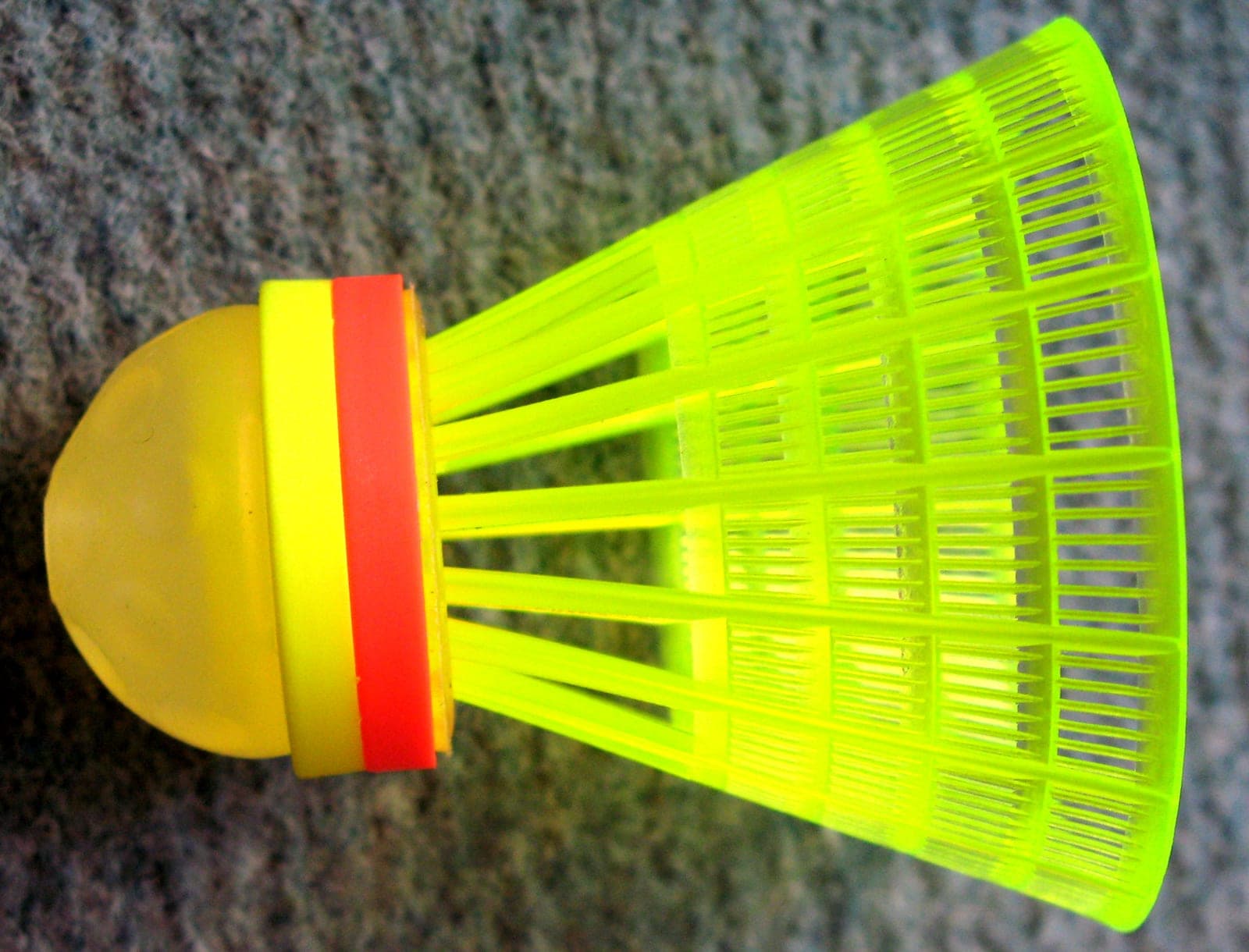
Badminton
A fast indoor racquet sport played with a shuttlecock that rewards agility and touch.

Ultimate Frisbee
A fast, non-contact team sport played with a flying disc, known for constant running and self-refereeing.

Fitness
Strength and general fitness training — the foundation that supports every other sport.
Goals that fit
Sports for beginners
How to start playing sport from scratch — choosing a first activity and building up gently.
Improve mental wellbeing
Use regular, enjoyable activity to support your mood, connection and sense of wellbeing as one healthy habit among many.
Social activities
Use sport as a way to meet people, make friends and stay connected while staying active.
Build healthy habits
Using sport and routine to make regular activity a lasting part of everyday life.
Reduce stress
Find calmer, healthier ways to unwind through regular movement, gentle mind-body activity and time outdoors.
Ways to train
Exercises and methods that fit — educational, not a prescription.
Wall sit
A holding exercise where you sit against a wall with no chair, holding a squat position still.
Step-up
A movement where you step up onto a raised platform one leg at a time and step back down.
Kettlebell swing
A dynamic hinge where you swing a kettlebell to shoulder height using a snap of the hips.
Push-up
A classic upper-body pushing exercise where you lower and press your body up from the floor.
Tricep dip
A pushing exercise where you lower and raise your body using your arms on parallel bars or a bench.
Pull-up
A vertical pulling exercise where you hang from a bar and pull your chin above it.
Frequently asked questions
What sport is best for a busy student?
Flexible, low-cost options like running, campus gym workouts or drop-in team sports fit well around study. The best pick is one that is easy to reach and easy to repeat a couple of times a week.
How can students fit exercise around study?
Short, regular sessions tend to work better than rare long ones. Scheduling activity like a class, using campus facilities and exercising with friends all help it stick during busy terms.
Can sport help with study stress?
Many people find that regular physical activity supports mood, focus and sleep, which can make study feel more manageable. Keeping it light and enjoyable makes it easier to maintain when workload is high.
Explore across the knowledge base
Follow the threads that connect Students to the rest of SocialSportHub.
Motivations
Healthy living
Lifestyle
How this page is maintained
- Content type
- For people like you
- Provenance
- Tier A — evergreen educational
- Verified external sources
- 0
- Content updated
- 2026-07-09
Evergreen, first-party explanation — it makes no claim that needs an external source. How we handle sources and reviews.