
Movement for Stress Relief
How gentle, regular movement is widely associated with feeling calmer — a simple, accessible way to support everyday stress management.
Overview
For many people, moving the body is one of the most reliable ways to feel a little calmer. Activity — a walk, an easy run, a swim, a game with friends — is widely associated with a lighter, clearer head and a release of everyday tension. You do not need intense exercise for this; gentle, rhythmic movement is often what people reach for when they want to unwind.
Part of the benefit is simply a change of scene and focus: getting outside, into your body, and away from whatever was on your mind. Sport adds the bonus of company and routine, which many find steadying. This is general education, not treatment — if you are dealing with persistent stress, anxiety or low mood, please speak with a qualified professional, who can offer real support.
What helps
- Gentle, rhythmic movement is what many people reach for to unwind.
- Intensity is not the point — easy activity counts.
- A change of scene and focus is part of the benefit.
- Company and routine from sport can feel steadying.
- It complements, but never replaces, professional support.
A note on this guidance
How to start
- 1Pick a form of movement you find genuinely pleasant, not a chore.
- 2Try a short walk or easy session when you feel tension building.
- 3Keep it low-pressure — no targets, just moving and unwinding.
- 4For persistent stress, anxiety or low mood, speak with a qualified professional.
Sports that fit
Ways to put this into practice — each with a clear, beginner-friendly guide.

Running
The most accessible endurance sport — no venue, just shoes and the open road or trail.
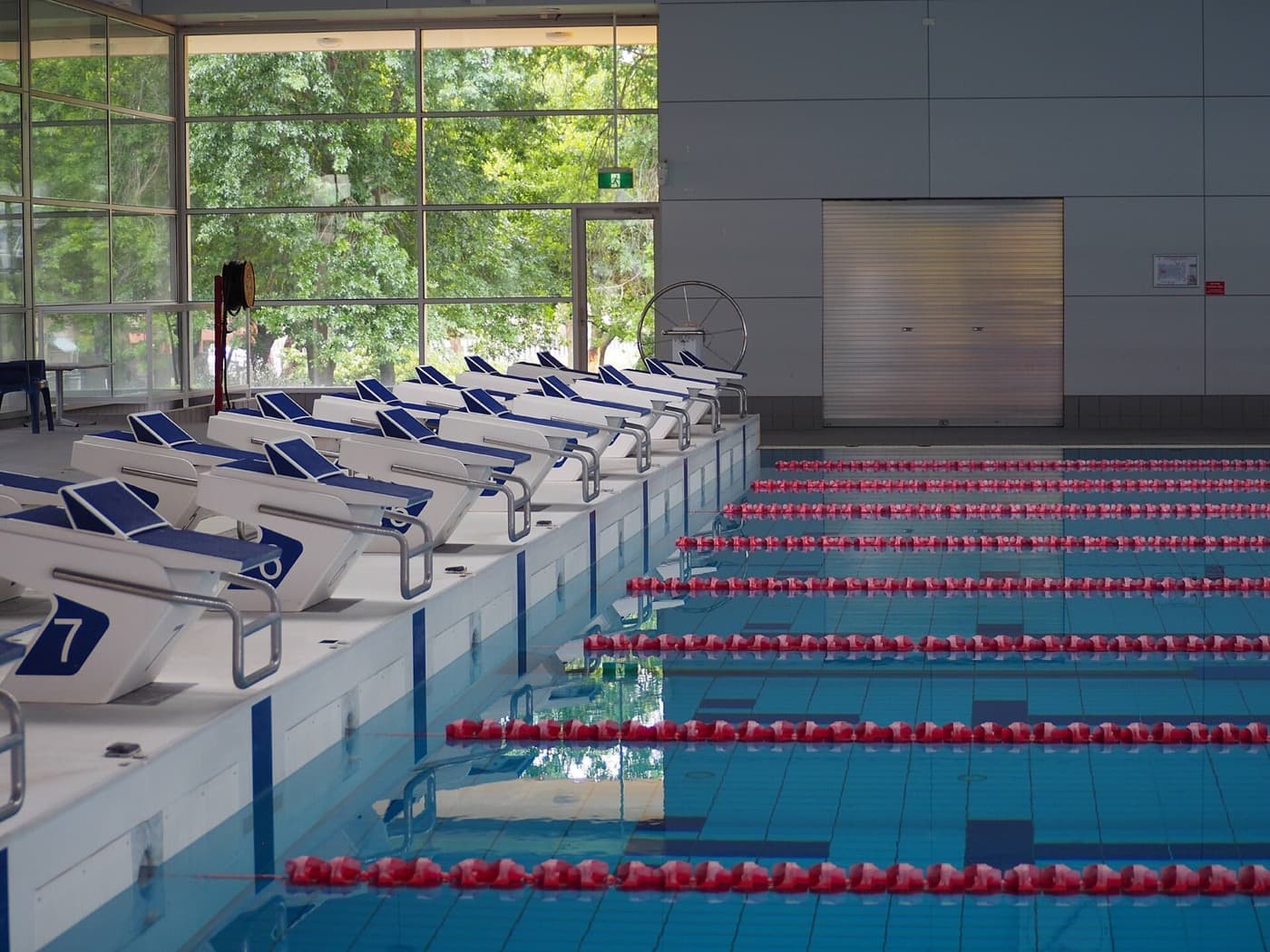
Swimming
A full-body, low-impact endurance sport suitable for almost every age and ability.
Cycling
A low-impact endurance sport that doubles as transport, exercise and adventure.
Goals it supports
Reduce stress
Find calmer, healthier ways to unwind through regular movement, gentle mind-body activity and time outdoors.
Improve mental wellbeing
Use regular, enjoyable activity to support your mood, connection and sense of wellbeing as one healthy habit among many.
Build an active lifestyle
Make movement a natural, lasting part of daily life through activities and habits you genuinely enjoy.
Become more active
Add regular, gentle movement to your everyday life and build up from a sedentary start at your own pace.
Frequently asked questions
Can exercise really help with stress?
Being active is widely associated with feeling calmer and less tense for many people, and it can be a helpful part of managing everyday stress. It is not a cure or a substitute for care, though — if stress, anxiety or low mood are persistent or affecting your life, please speak with a qualified professional.
What kind of movement is best for stress?
There is no single best choice — what matters most is finding something you enjoy and will actually do, whether that is a walk, a swim or a game with friends. Gentle, rhythmic activity suits many people. If stress feels overwhelming, a qualified professional can help you find the right support.
Explore across the knowledge base
Follow the threads that connect Movement for Stress Relief to the rest of SocialSportHub.
People
- Busy professionalsHow time-efficient sport can fit a packed schedule to protect fitness, energy and stress relief.
- Office workersHow sport can offset long hours of sitting and screen time to support mobility, energy and stress relief.
- Complete beginnersHow to start sport from scratch with accessible, low-pressure activities and a gentle, gradual approach.
Lifestyle
Recovery
- Active recoveryActive recovery means very easy, gentle movement on lighter days to keep the body moving without adding hard training stress.
- WalkingWalking is simple, low-intensity movement that supports everyday activity and gentle recovery for almost anyone.
- Breathing & winding downWinding down with slow, relaxed breathing is a calming everyday habit that helps you shift from activity towards rest.
- Staying hydratedStaying hydrated is the simple everyday habit of drinking water regularly so you feel comfortable and ready to be active.
- SleepRegular, good-quality sleep is the foundation of everyday recovery for anyone who trains or plays sport.
Recommendations
- Recommended for “Reduce stress”Sports, qualities, a learning path and first steps for “Reduce stress” — every suggestion a real graph link, shown with its reason.
- Recommended for “Improve sleep”Sports, qualities, a learning path and first steps for “Improve sleep” — every suggestion a real graph link, shown with its reason.
- Recommended for “Reduce alcohol”Sports, qualities, a learning path and first steps for “Reduce alcohol” — every suggestion a real graph link, shown with its reason.
How this page is maintained
- Content type
- Healthy living topic
- Provenance
- Tier A — evergreen educational
- Verified external sources
- 0
- Content updated
- 2026-07-09
Evergreen, first-party explanation — it makes no claim that needs an external source. How we handle sources and reviews.