
Low motivation
When motivation is hard to find, the fix is rarely more willpower — it is making the activity smaller, easier and more enjoyable so starting is simple.
Overview
Waiting to feel motivated is a common trap: motivation often follows action rather than coming before it. When the drive is not there, the practical move is to lower the bar for starting — shrink the session, remove the friction, and pick something you actually enjoy rather than what you think you "should" do.
Small, repeatable wins build a sense of progress, and progress is motivating. Doing something with other people, tracking simple milestones, or choosing an activity that is fun in its own right all help the habit survive the days when enthusiasm is low.
What helps
- Action often comes first and motivation follows — start small rather than wait.
- Remove friction: lay kit out, pick a time, keep the session short.
- Choose activities you enjoy, not just the ones you feel you should do.
- Company and simple progress tracking help on low-energy days.
Getting started
- 1Set a starting bar so low it feels almost too easy.
- 2Pick something genuinely enjoyable rather than the "most efficient" option.
- 3Line up the smallest first step the night before to cut friction.
- 4Track a couple of simple milestones so progress is visible.
Sports that work around it
Great places to start — each with a clear, beginner-friendly guide.
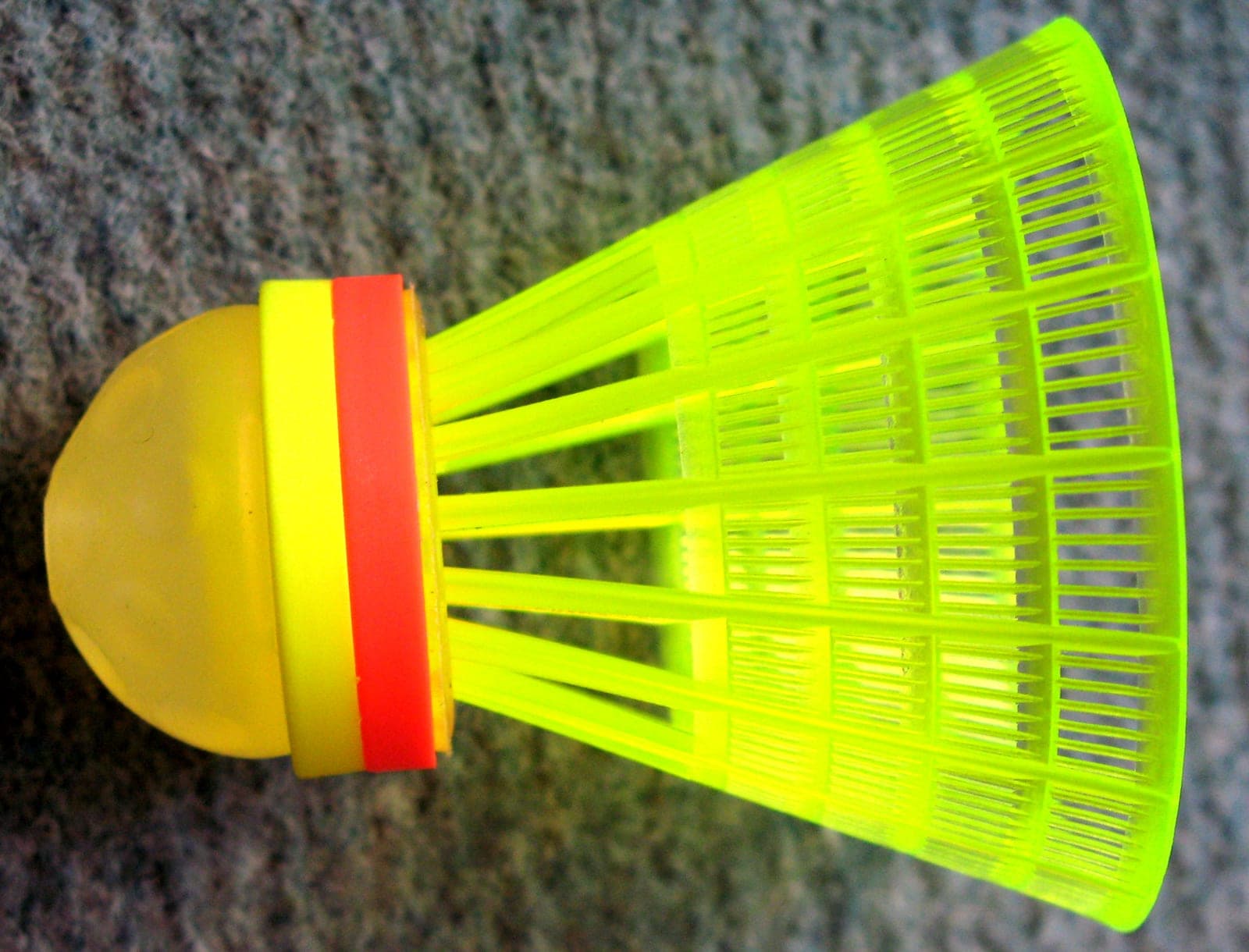
Badminton
A fast indoor racquet sport played with a shuttlecock that rewards agility and touch.
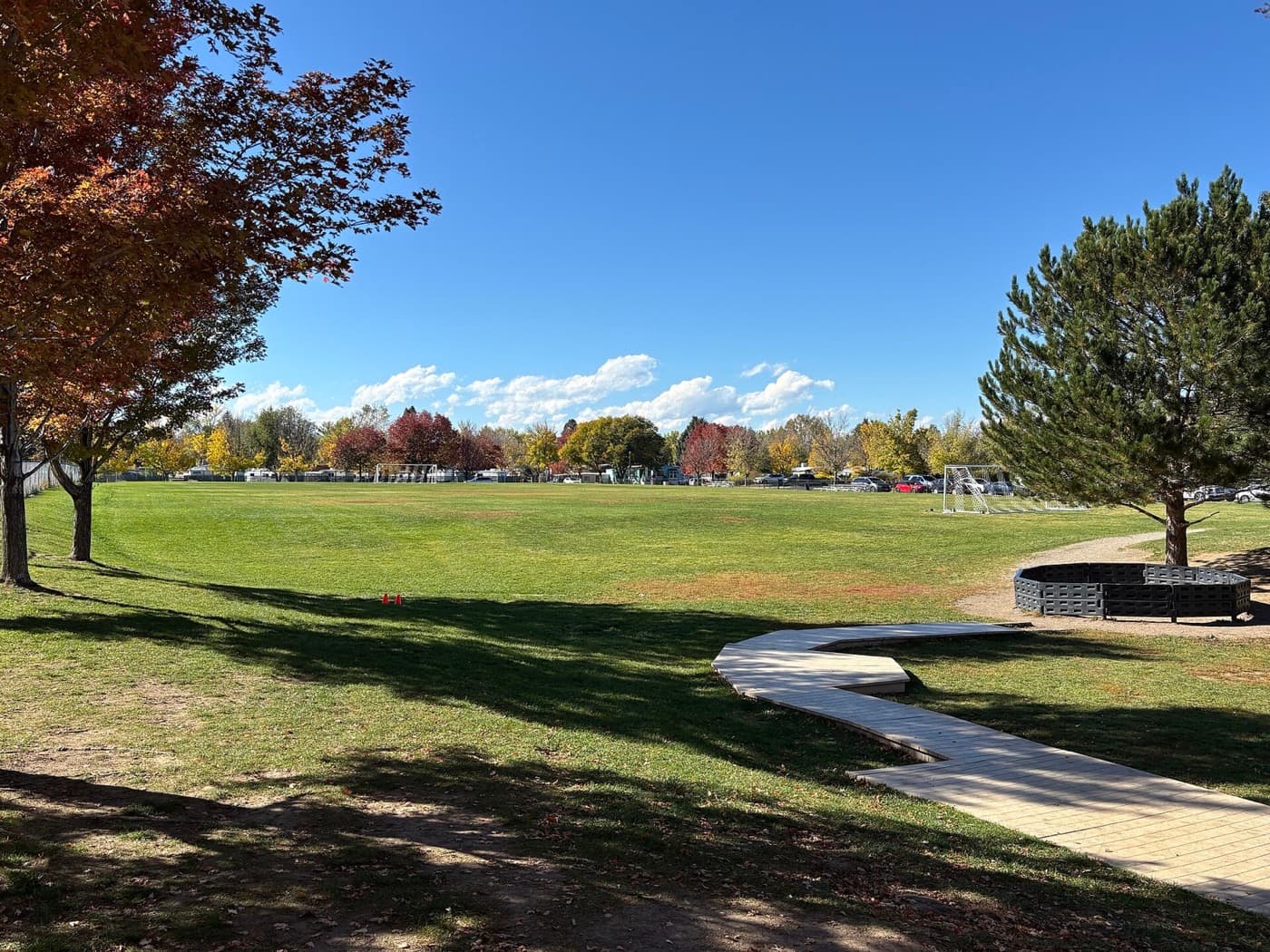
Football
The world’s most popular team sport — endless running, teamwork and community in one game.
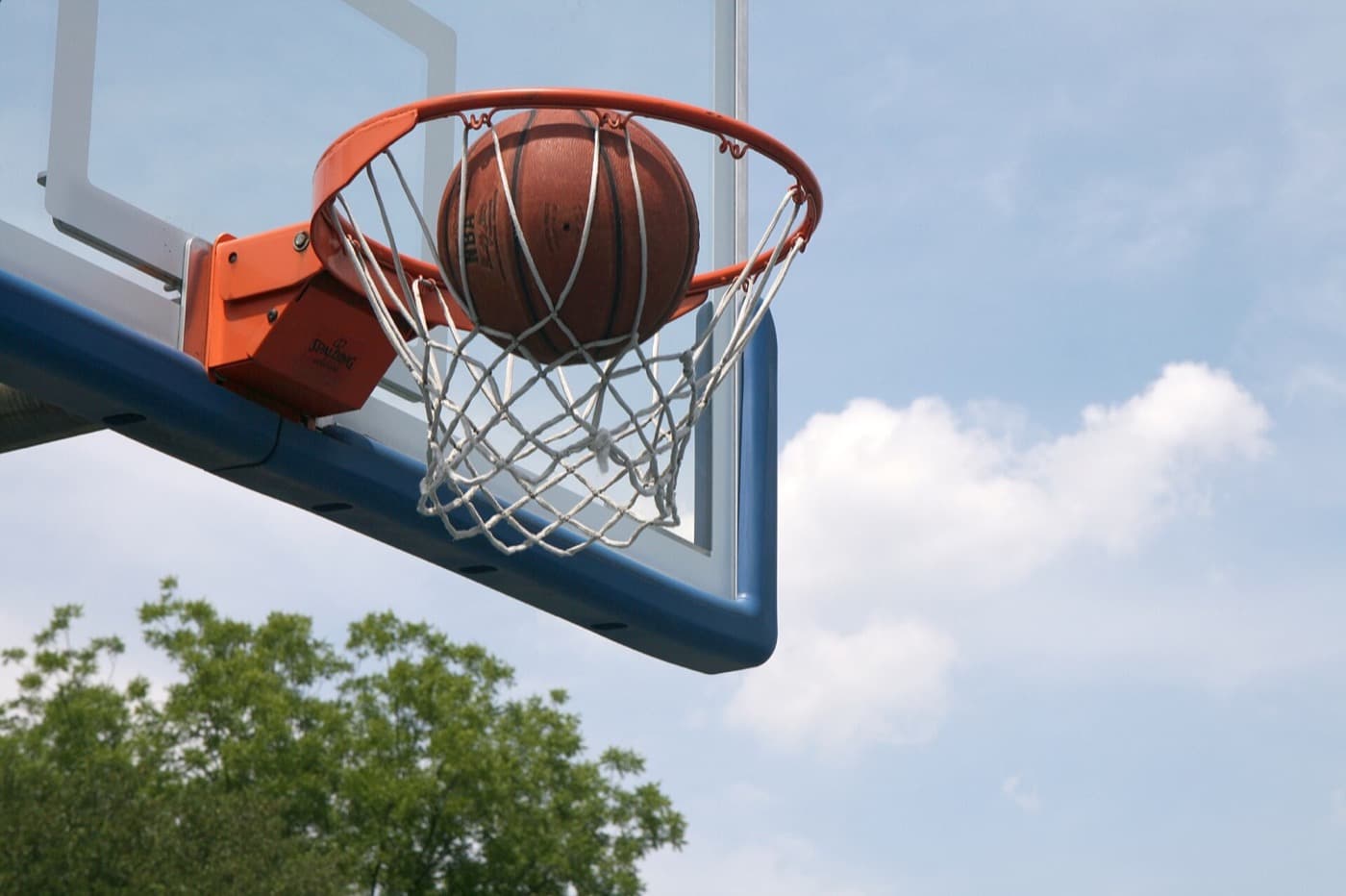
Basketball
A fast, dynamic team sport of running, jumping and quick decisions on court.
Cycling
A low-impact endurance sport that doubles as transport, exercise and adventure.
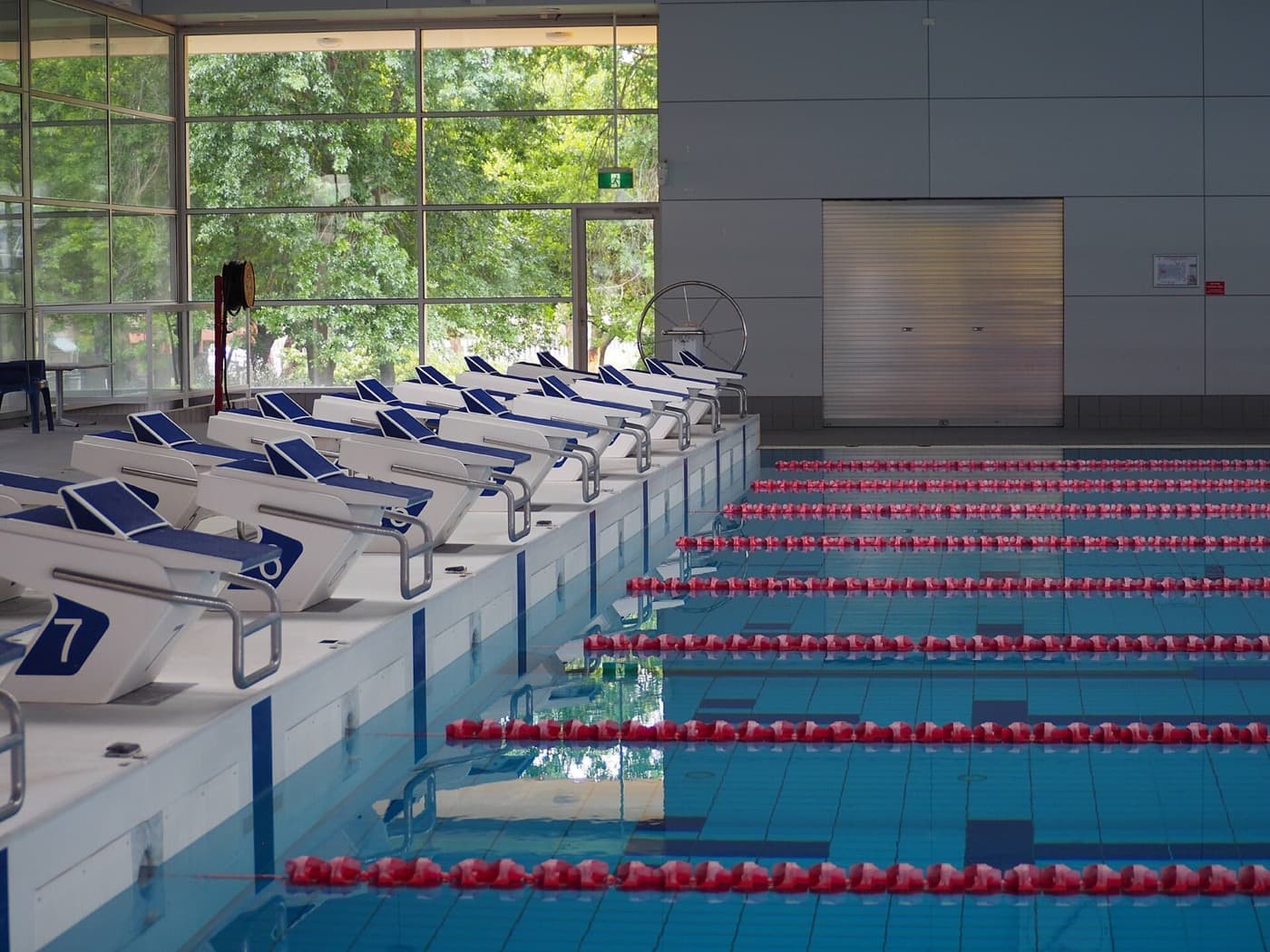
Swimming
A full-body, low-impact endurance sport suitable for almost every age and ability.
Goals that fit
Build healthy habits
Using sport and routine to make regular activity a lasting part of everyday life.
Build confidence
Use sport and steady progress to feel more capable, comfortable and self-assured over time.
Social activities
Use sport as a way to meet people, make friends and stay connected while staying active.
Become more active
Add regular, gentle movement to your everyday life and build up from a sedentary start at your own pace.
Improve mental wellbeing
Use regular, enjoyable activity to support your mood, connection and sense of wellbeing as one healthy habit among many.
Ways to train
Exercises and methods that fit — educational, not a prescription.
Wall sit
A holding exercise where you sit against a wall with no chair, holding a squat position still.
Step-up
A movement where you step up onto a raised platform one leg at a time and step back down.
Kettlebell swing
A dynamic hinge where you swing a kettlebell to shoulder height using a snap of the hips.
Push-up
A classic upper-body pushing exercise where you lower and press your body up from the floor.
Tricep dip
A pushing exercise where you lower and raise your body using your arms on parallel bars or a bench.
Pull-up
A vertical pulling exercise where you hang from a bar and pull your chin above it.
Frequently asked questions
How do I exercise when I have no motivation?
Rather than waiting to feel motivated, make starting as easy as possible: shrink the session, remove the setup, and choose something you enjoy. Small, regular wins build the sense of progress that tends to bring motivation with it.
Is it normal to lose motivation?
Yes — motivation for exercise naturally rises and falls for almost everyone, and the habits that survive the low points are usually built around enjoyment, easy starts and a bit of accountability rather than willpower alone. That said, if low motivation is persistent or pervasive — especially alongside low mood or losing interest in things you usually enjoy — it can be worth talking to a GP or another qualified professional.
Explore across the knowledge base
Follow the threads that connect Low motivation to the rest of SocialSportHub.
People
- CouplesHow sport can fit two people doing it together — shared activity that doubles as time together, mutual motivation and a common goal.
- Recreational athletesHow the platform fits someone who plays regularly for enjoyment and fitness rather than competition — staying active, sociable and healthy through sport.
- Complete beginnersHow to start sport from scratch with accessible, low-pressure activities and a gentle, gradual approach.
Lifestyle
- 15 minutesShort, focused bursts of movement you can fit into a spare 15 minutes, with no long session required.
- OutdoorsSport and activity in the fresh air — running, cycling, hiking and more, using parks, trails and open space.
- Low budgetWays to be active without spending much, from free activities to low-cost options.
- WeekendMaking the most of weekend free time for longer, more social or outdoor activities.
- On a rainy dayIndoor options for wet weather — pool sessions, indoor courts, home routines and gym work when going out is off.
Coaching concepts
- Goal-Setting for PracticeSetting clear practice goals directs effort and makes progress visible — separating results-based outcome goals from controllable process goals.
- ProgressionBuilding skill and training load in gradual, manageable steps so each stage prepares the next, moving from simple to complex and easy to hard.
- Small-Sided GamesPractising in scaled-down versions of a sport — fewer players, smaller area — so skills and decisions happen more often in a game-like setting.
Training guides
- Staying consistent with trainingStaying consistent is about building training into your routine so it keeps happening even when motivation dips.
- How to track progress simplyTracking progress simply means keeping a light, low-effort record of your training so you can see how far you have come.
- Bodyweight training basicsBodyweight training uses your own body as resistance, making it a simple and accessible way to build strength almost anywhere.
Motivations
- To have funWhen enjoyment is the point, playful, varied and social sports keep you coming back — because the best activity is the one you look forward to.
- To meet peopleWhen connection is the draw, team sports, clubs and group activities turn getting fit into a way to build a social circle.
- To feel calmerWhen you play to unwind, rhythmic, absorbing activity gives many people a mental break — though it complements, not replaces, professional support.
Healthy living
- Hydration habitsSimple cues and routines that make drinking enough feel automatic, rather than something to keep remembering.
- Healthy CookingCooking more at home gives you simple control over what goes into your food — and it is easier than it looks.
- Family Active TimeMaking activity something the whole household does together, so movement becomes a shared, everyday habit.
- Outdoor LifestyleChoosing to spend more of your active time outside, where fresh air and surroundings make movement more enjoyable.
How this page is maintained
- Content type
- Getting past it
- Provenance
- Tier A — evergreen educational
- Verified external sources
- 0
- Content updated
- 2026-07-09
Evergreen, first-party explanation — it makes no claim that needs an external source. How we handle sources and reviews.