
Hydration habits
Simple cues and routines that make drinking enough feel automatic, rather than something to keep remembering.
Overview
Staying hydrated is less about willpower and more about setup. When water is visible and within reach, and drinking is tied to things you already do, it stops being a task you have to remember. Small cues — a bottle on your desk, a glass with every meal, a drink when you get up — quietly do most of the work.
Habits build best when they are easy and repeated, so start with one or two anchors rather than a big overhaul. Many people find that attaching a drink to an existing routine, like a morning start or a work break, is what makes it stick. This is general lifestyle education; if a health condition affects how much you should drink, follow the guidance of a qualified professional.
What helps
- Visible, within-reach water makes drinking close to automatic.
- Attaching a drink to existing routines helps the habit stick.
- One or two simple anchors beat overhauling everything at once.
- Gentle cues, like a glass at meals, reduce the need to remember.
- A refillable bottle you actually like makes the habit easier to keep.
A note on this guidance
How to start
- 1Pick one anchor — a glass with breakfast or a bottle at your desk — and start there.
- 2Keep water where you spend most of your day so it is easy to reach.
- 3Stack a drink onto habits you already have, like the start of each work break.
- 4Check with a qualified professional if a condition affects how much you should drink.
Sports that fit
Ways to put this into practice — each with a clear, beginner-friendly guide.

Running
The most accessible endurance sport — no venue, just shoes and the open road or trail.
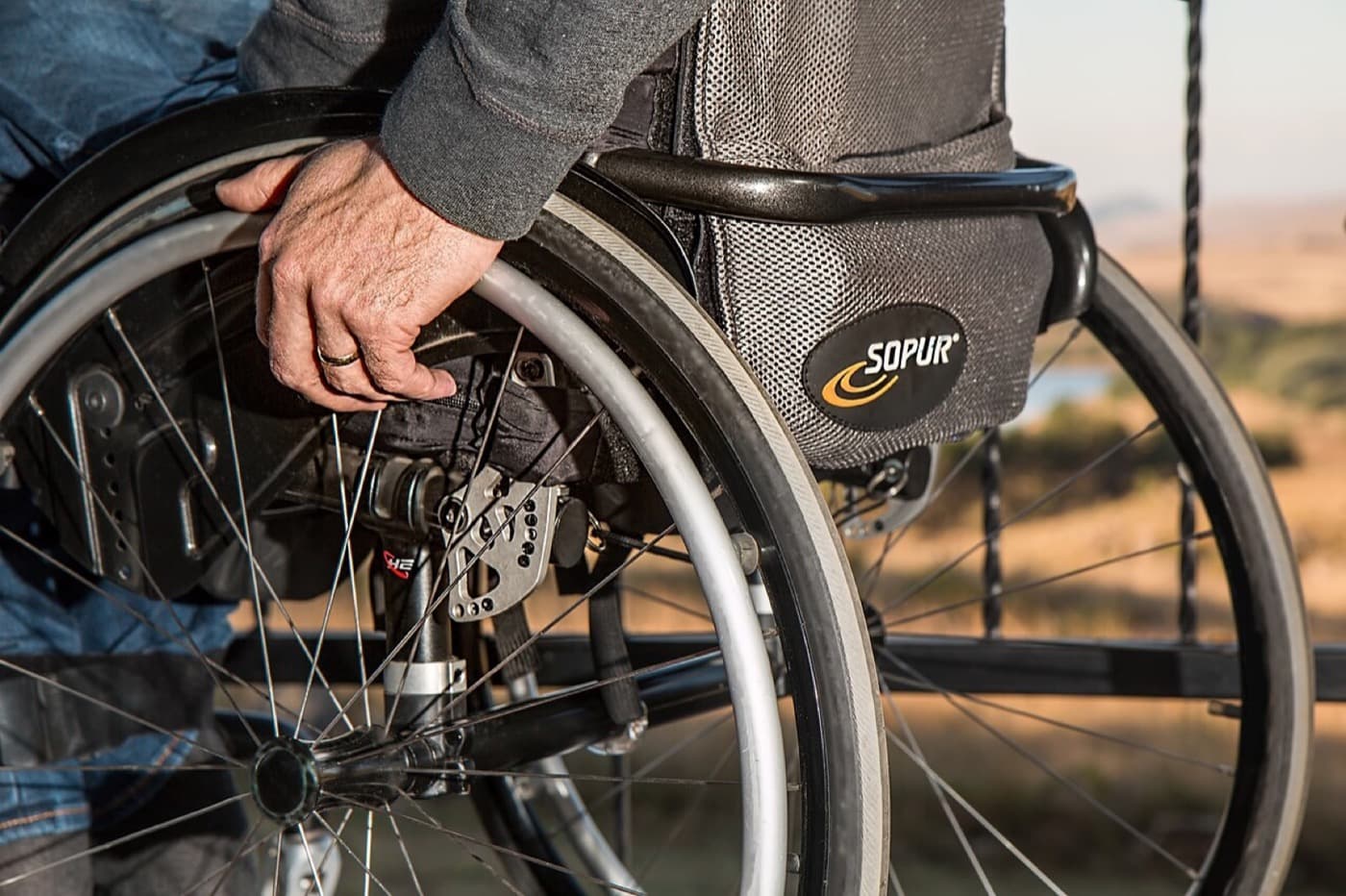
Cycling
A low-impact endurance sport that doubles as transport, exercise and adventure.
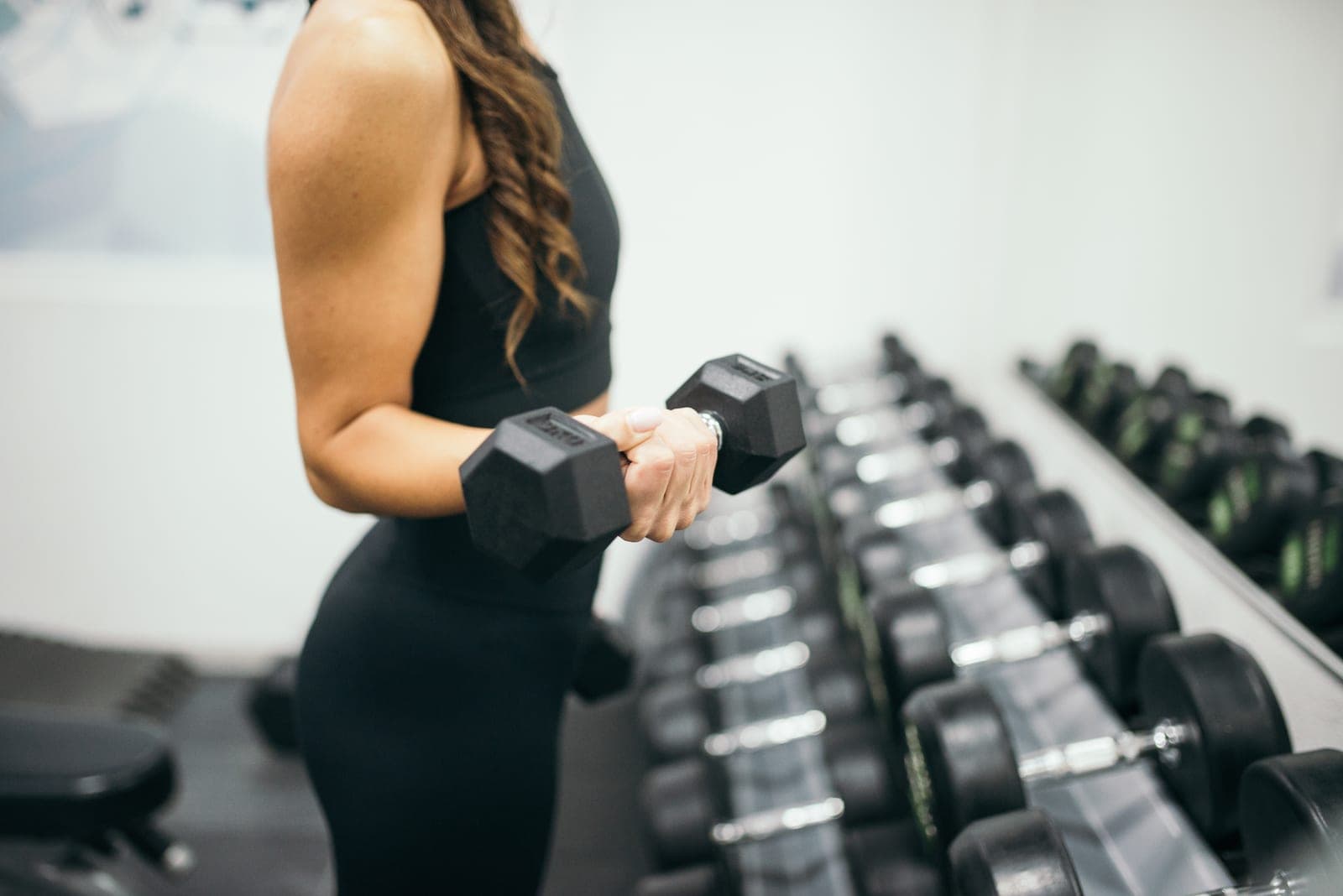
Fitness
Strength and general fitness training — the foundation that supports every other sport.
Goals it supports
Build healthy habits
Using sport and routine to make regular activity a lasting part of everyday life.
Build an active lifestyle
Make movement a natural, lasting part of daily life through activities and habits you genuinely enjoy.
Become more active
Add regular, gentle movement to your everyday life and build up from a sedentary start at your own pace.
Discipline
Build consistency, focus and self-discipline through the routines that sport and training encourage.
Frequently asked questions
How do I remember to drink enough water?
Rather than relying on memory, many people find it easier to make water visible and tie drinking to routines they already have, like meals or work breaks. Keeping a bottle within reach turns hydration into something closer to automatic. Start with one small cue and build from there.
Explore across the knowledge base
Follow the threads that connect Hydration habits to the rest of SocialSportHub.
Barriers
- An unpredictable scheduleWhen no two weeks look the same, sport needs to be flexible and portable rather than tied to a fixed class time.
- Low motivationWhen motivation is hard to find, the fix is rarely more willpower — it is making the activity smaller, easier and more enjoyable so starting is simple.
Knowledge Atlas
How this page is maintained
- Content type
- Healthy living topic
- Provenance
- Tier A — evergreen educational
- Verified external sources
- 0
- Content updated
- 2026-07-09
Evergreen, first-party explanation — it makes no claim that needs an external source. How we handle sources and reviews.