
Build healthy habits
Using sport and routine to make regular activity a lasting part of everyday life.
How sport helps
Healthy habits are less about willpower and more about design: making the behaviour you want easy, obvious and rewarding enough to repeat. In sport, that often means small, consistent actions — a regular class, a set walking route — that gradually become automatic.
Habits form through repetition, so starting small and protecting consistency usually beats big bursts of effort that fade. Linking activity to things you already do can help it stick.
- A recurring session or class gives structure that makes activity easier to repeat.
- Small, achievable goals build momentum and a sense of progress.
- Enjoyable activities are far more likely to become lasting habits than ones you dread.
- Social commitments, like meeting a friend or a club, can help you show up on low-motivation days.
Getting started
- 1Start with one small, specific habit rather than overhauling everything at once.
- 2Attach the activity to a fixed time or an existing routine so it becomes automatic.
- 3Track your consistency in a simple way and focus on showing up over intensity.
- 4Make it enjoyable and forgive the occasional missed session — getting back on track matters most.
Good sports for this goal
Great places to start — each with a clear, beginner-friendly guide.

Running
The most accessible endurance sport — no venue, just shoes and the open road or trail.
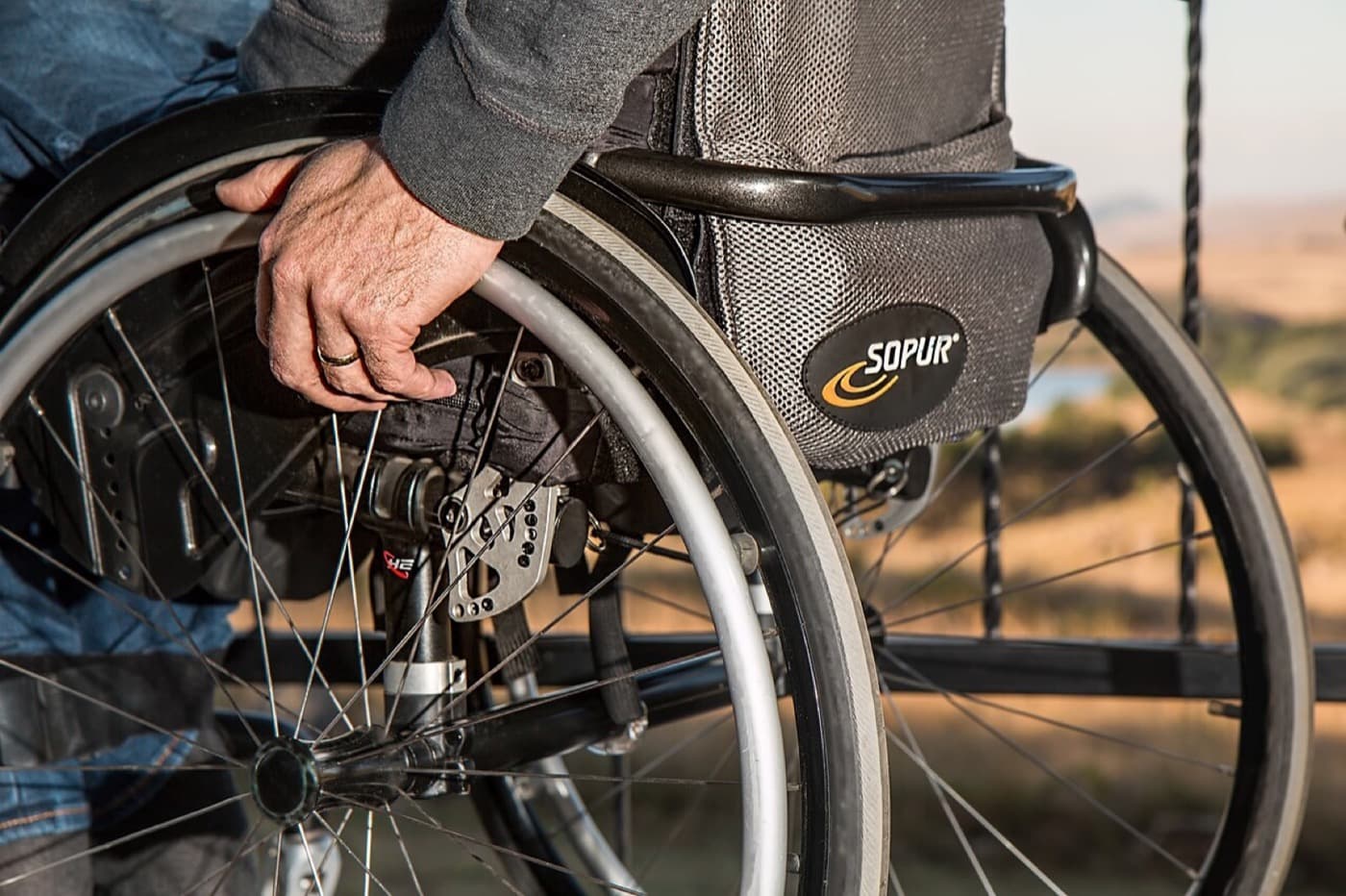
Cycling
A low-impact endurance sport that doubles as transport, exercise and adventure.
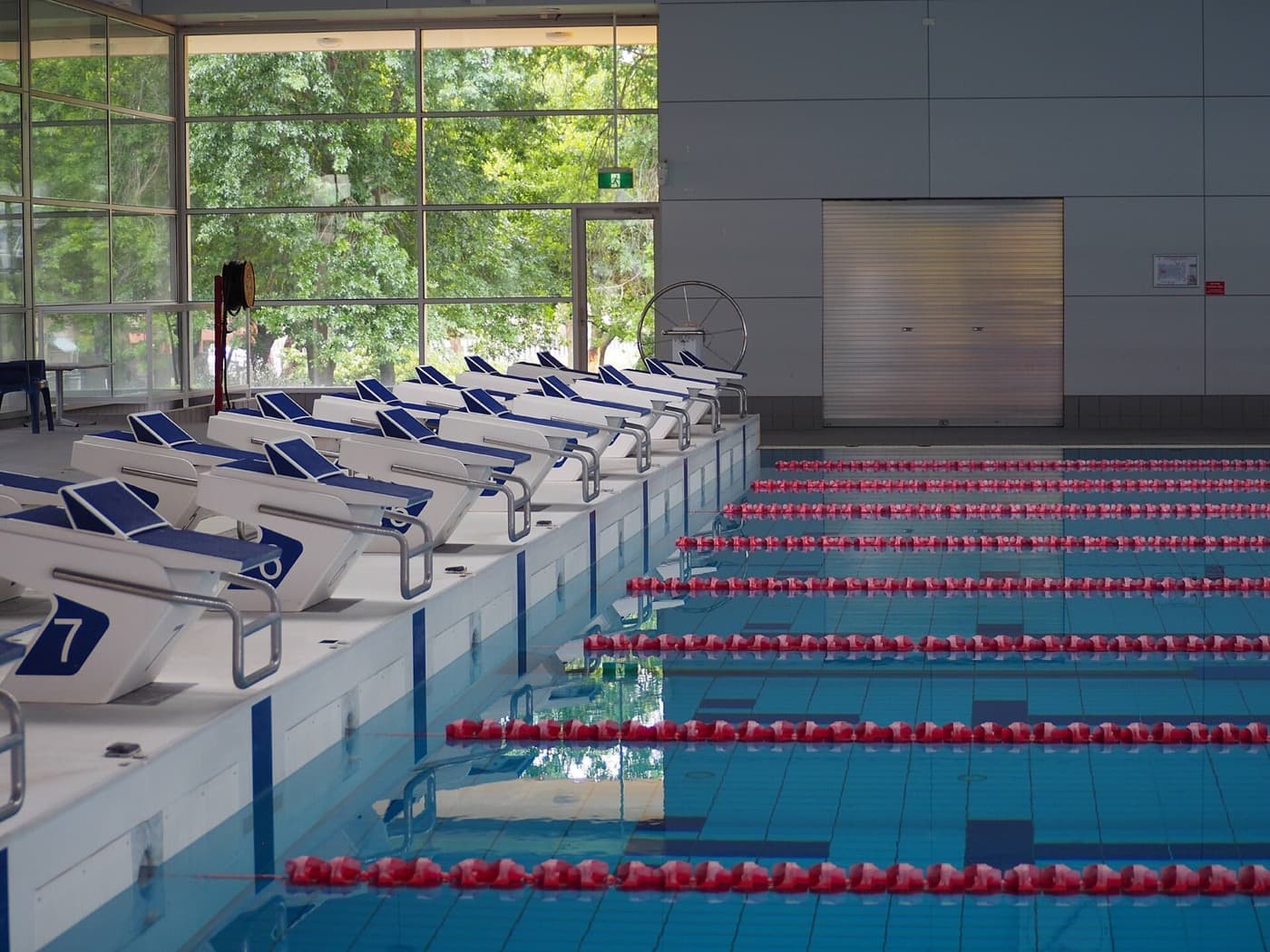
Swimming
A full-body, low-impact endurance sport suitable for almost every age and ability.
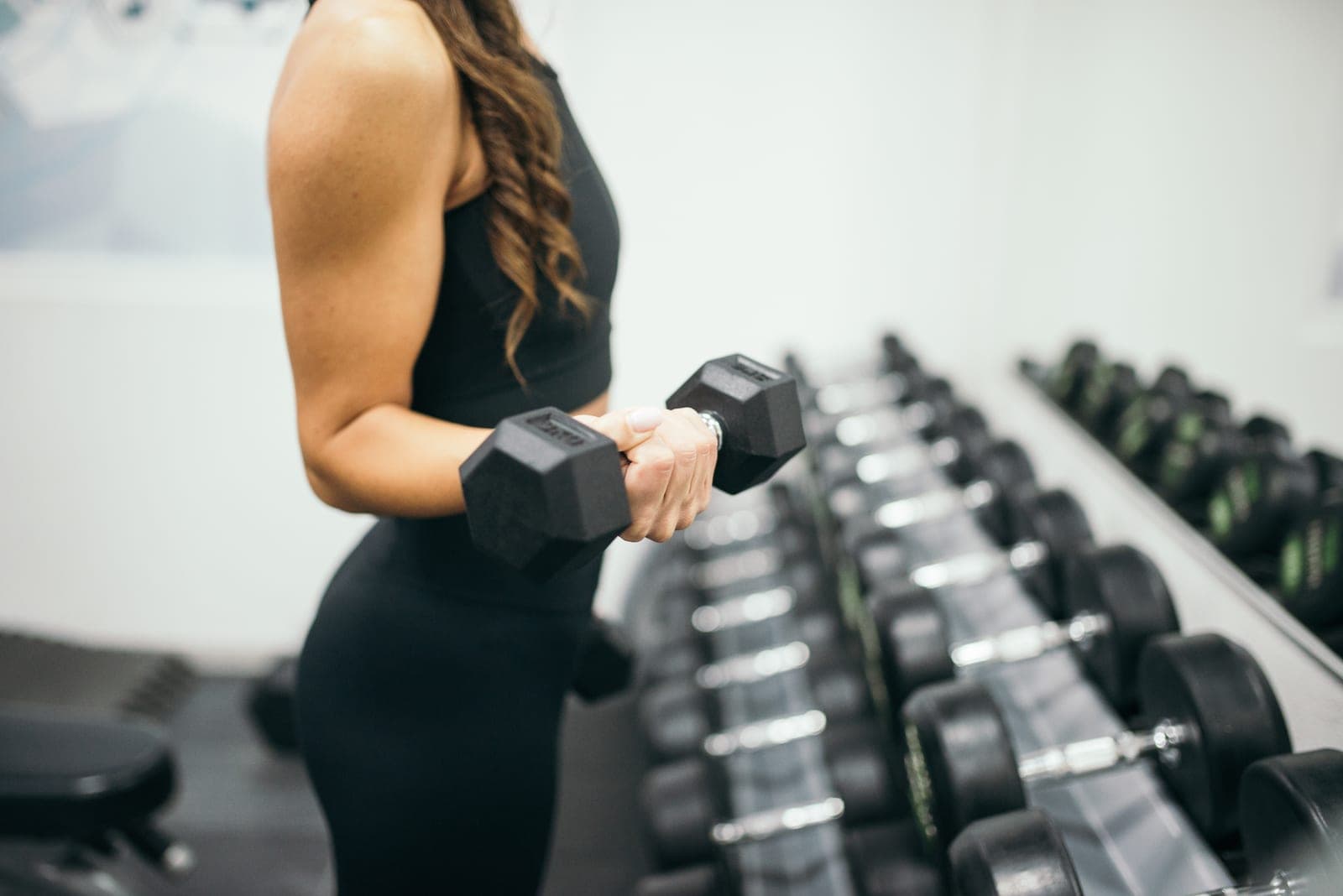
Fitness
Strength and general fitness training — the foundation that supports every other sport.
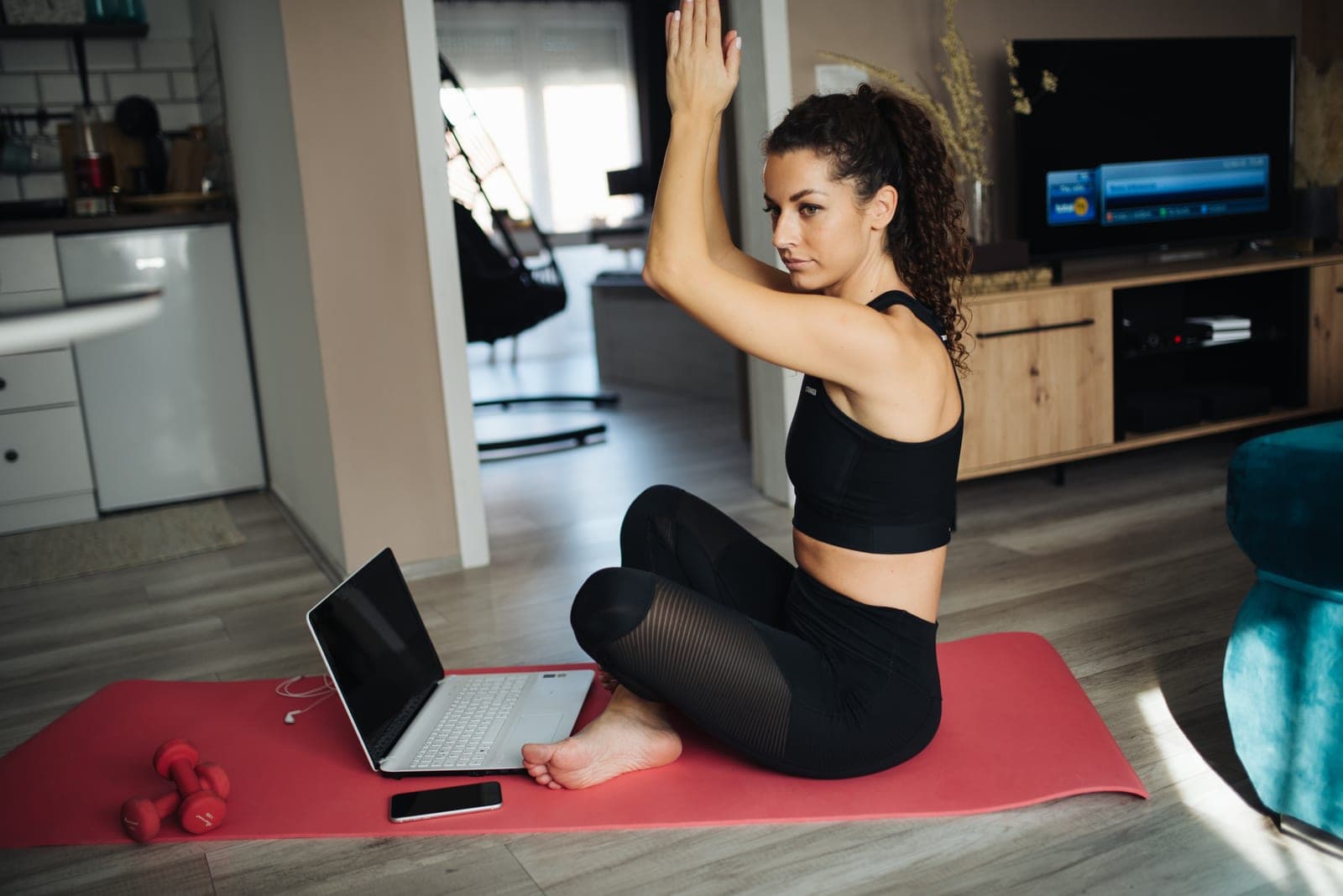
Yoga
A mind-body practice that links postures, breathing and focus to build flexibility, strength and calm.
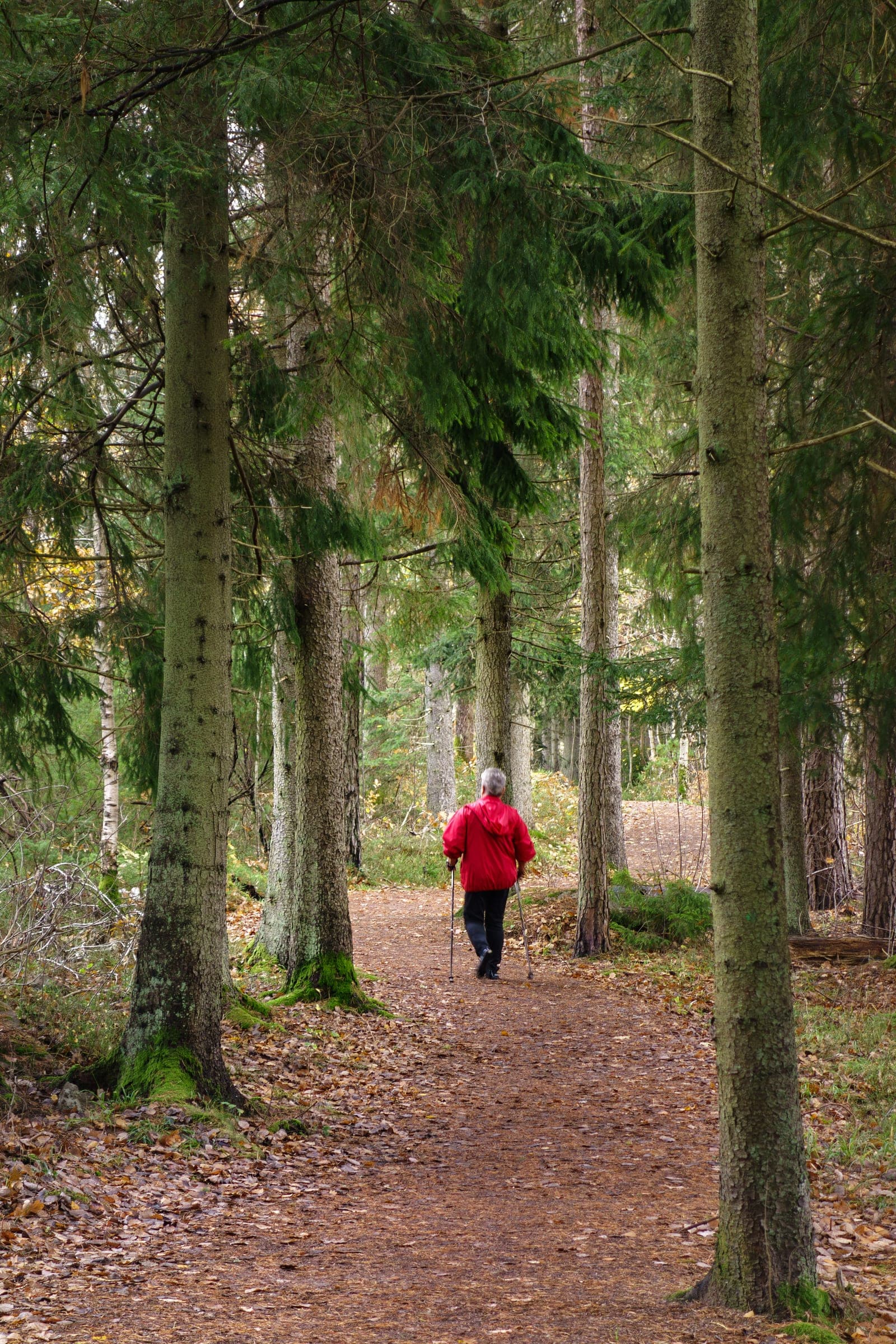
Nordic Walking
A gentle, accessible endurance activity that adds poles to bring the upper body into every walk.
Train for it
Exercises and methods that build what this goal needs — educational, not a prescription.
Wall sit
A holding exercise where you sit against a wall with no chair, holding a squat position still.
Step-up
A movement where you step up onto a raised platform one leg at a time and step back down.
Kettlebell swing
A dynamic hinge where you swing a kettlebell to shoulder height using a snap of the hips.
Push-up
A classic upper-body pushing exercise where you lower and press your body up from the floor.
Tricep dip
A pushing exercise where you lower and raise your body using your arms on parallel bars or a bench.
Pull-up
A vertical pulling exercise where you hang from a bar and pull your chin above it.
Frequently asked questions
How long does it take to build a habit?
It varies a lot from person to person and habit to habit — there is no single fixed number. What is widely agreed is that regular repetition helps a behaviour become more automatic over time, so protecting consistency matters more than any exact timeline.
What is the best way to make activity a habit?
Common strategies include starting small, attaching the activity to a fixed time or existing routine, choosing something you enjoy, and keeping it easy to repeat. Focusing on showing up regularly tends to work better than aiming for big, occasional efforts.
What should I do if I miss sessions?
Missing the odd session is normal and not a failure. Getting back to your routine as soon as you can matters more than being perfect, and treating slip-ups as a normal part of the process helps habits survive in the long run.
Related goals
Become more active
Add regular, gentle movement to your everyday life and build up from a sedentary start at your own pace.
Build an active lifestyle
Make movement a natural, lasting part of daily life through activities and habits you genuinely enjoy.
Improve fitness
Build well-rounded fitness — stamina, strength and more — through regular, varied activity you can keep up.
Improve sleep
Support more restful sleep by staying active during the day and building a consistent daily rhythm.
Reduce stress
Find calmer, healthier ways to unwind through regular movement, gentle mind-body activity and time outdoors.
Digital detox
Using sport and the outdoors to step away from screens and spend time offline.
Who & where this fits
This goal fits all kinds of people and lifestyles.
Students
How sport can fit around study, a tight budget and a changing timetable to support focus, energy and social life.
Office workers
How sport can offset long hours of sitting and screen time to support mobility, energy and stress relief.
Busy professionals
How time-efficient sport can fit a packed schedule to protect fitness, energy and stress relief.
Travelers
How to stay active on the move with minimal-equipment sport that works almost anywhere.
Complete beginners
How to start sport from scratch with accessible, low-pressure activities and a gentle, gradual approach.
Returning to sport
How to ease back into sport after a break, rebuilding gradually and listening to your body.
How it connects
The meaning-bearing relationships that place Build healthy habits in the wider knowledge graph — each one with the reason it exists.
Achieved through
Routes people take towards this goal.
- RunningRunning is one of the sports listed under the “Build healthy habits” goal.
- CyclingCycling is one of the sports listed under the “Build healthy habits” goal.
- SwimmingSwimming is one of the sports listed under the “Build healthy habits” goal.
- FitnessFitness is one of the sports listed under the “Build healthy habits” goal.
- YogaYoga is one of the sports listed under the “Build healthy habits” goal.
Explore across the knowledge base
Follow the threads that connect Build healthy habits to the rest of SocialSportHub.
Recommendations
- Recommended for “Build healthy habits”Sports, qualities, a learning path and first steps for “Build healthy habits” — every suggestion a real graph link, shown with its reason.
- Recommended for “Build an active lifestyle”Sports, qualities, a learning path and first steps for “Build an active lifestyle” — every suggestion a real graph link, shown with its reason.
Barriers
- No timeWhen your days are full, sport has to fit into small windows rather than replace them — short, flexible activity that adds up.
- An unpredictable scheduleWhen no two weeks look the same, sport needs to be flexible and portable rather than tied to a fixed class time.
- Always travellingWhen you are often away from home, sport has to travel with you — bodyweight options, hotel-room routines and activity that needs no local club.
- Low motivationWhen motivation is hard to find, the fix is rarely more willpower — it is making the activity smaller, easier and more enjoyable so starting is simple.
- Worried about costWhen money is tight, free and low-cost activity — walking, running, bodyweight training — proves that sport does not have to be expensive.
Motivations
- To have funWhen enjoyment is the point, playful, varied and social sports keep you coming back — because the best activity is the one you look forward to.
- To stay healthyWhen health is the driver, regular, sustainable activity across fitness, strength and mobility supports an active life for the long term.
Experience levels
Healthy living
- WalkingThe most accessible activity there is — free, low-impact, and one of the easiest ways to add movement to any day.
- Walking MeetingsTaking a call or a one-to-one on the move instead of at a desk — an easy way to add movement to the working day without losing time.
- Active BreaksShort bursts of movement woven through the working or study day to break up long stretches of sitting.
- Taking the StairsChoosing stairs over the lift as a simple, no-cost way to add a little more effort to an ordinary day.
- Reducing SittingBreaking up long, unbroken stretches of sitting with small, regular movement through the day.
Coaching concepts
- Deliberate PracticeFocused, effortful practice that targets a specific weakness with full attention and immediate feedback — not just repeating what you already do well.
- ProgressionBuilding skill and training load in gradual, manageable steps so each stage prepares the next, moving from simple to complex and easy to hard.
- Repetition QualityThe attention and intent behind each repetition matter more than raw volume — focused, well-executed reps build skill faster than mindless numbers.
- Goal-Setting for PracticeSetting clear practice goals directs effort and makes progress visible — separating results-based outcome goals from controllable process goals.
- Session StructureHow a practice session is organised into phases — warm-up, main focus, game application and cool-down — so time is used well and learning sticks.
How this page is maintained
- Content type
- Life goal
- Provenance
- Tier A — evergreen educational
- Verified external sources
- 0
- Content updated
- 2026-09-22
Evergreen, first-party explanation — it makes no claim that needs an external source. How we handle sources and reviews.