
Beginner
You have started and the habit is forming — now it is about learning the fundamentals and building a base of fitness and skill.
Overview
As a beginner you are past the very first hurdle: you have started, and turning up is becoming routine. The focus now shifts to learning the fundamentals of your activity — the basic skills, the simple rules, safe technique — and building a base of general fitness. Progress at this stage is often quick and satisfying, which helps the habit stick.
The main things to get right are consistency and good basics. Learning correct technique early saves trouble later, and building fitness gradually keeps the experience positive. Coaching or structured beginner sessions are worth their weight here, because a solid foundation makes everything that follows easier.
What this stage looks like
- The habit is forming — the focus moves to fundamentals and a fitness base.
- Learning good technique early pays off for years.
- Progress is often quick at this stage, which keeps motivation high.
- Build fitness gradually rather than rushing intensity.
Getting started
- 1Learn the core skills and simple rules of your activity properly.
- 2Build general fitness gradually alongside skill work.
- 3Keep sessions regular to lock in the habit.
- 4Use coaching or beginner sessions to get the basics right.
Sports that suit this stage
Great places to start — each with a clear, beginner-friendly guide.
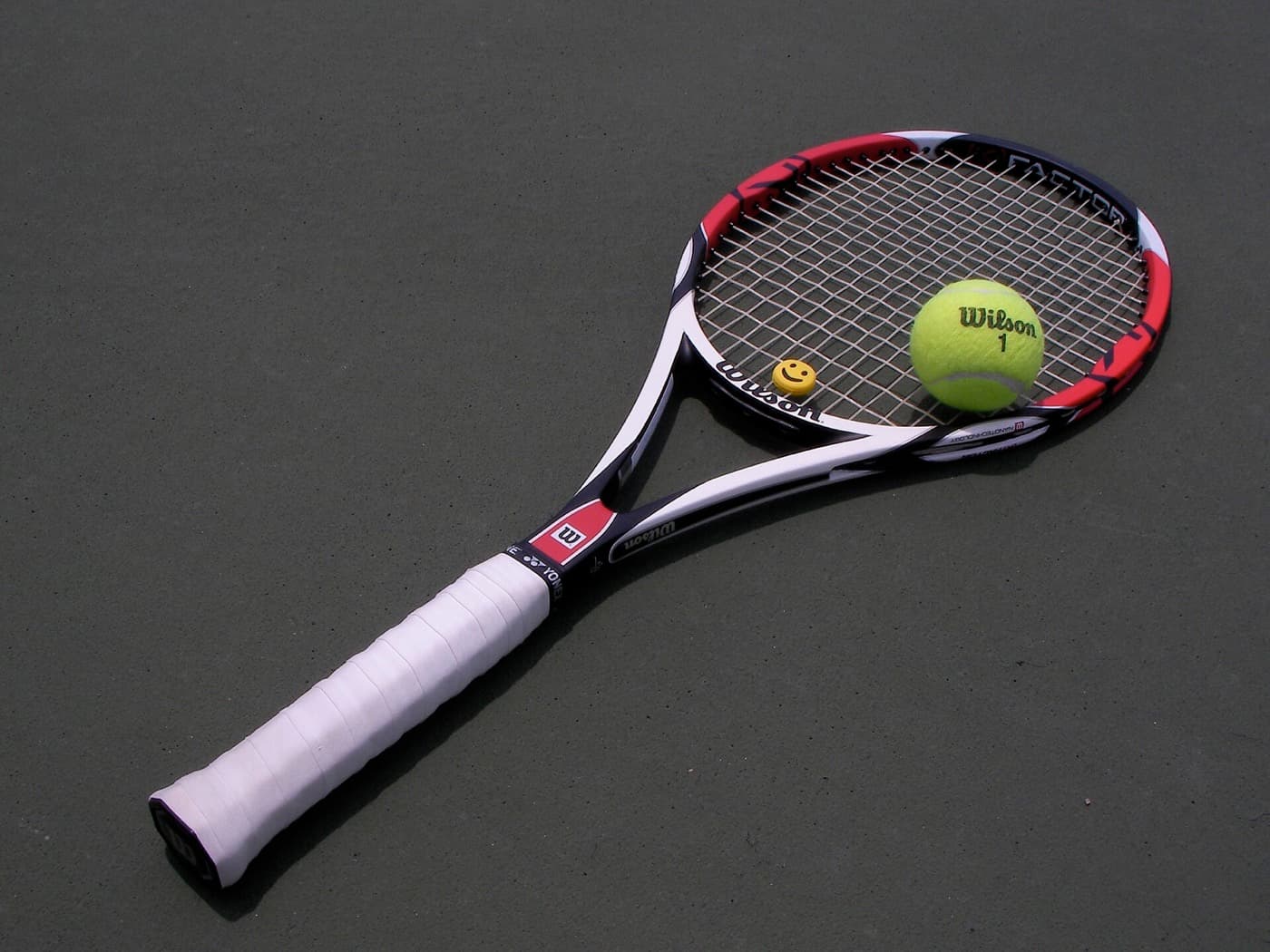
Tennis
A singles or doubles racquet sport that blends agility, strategy and stamina on court.
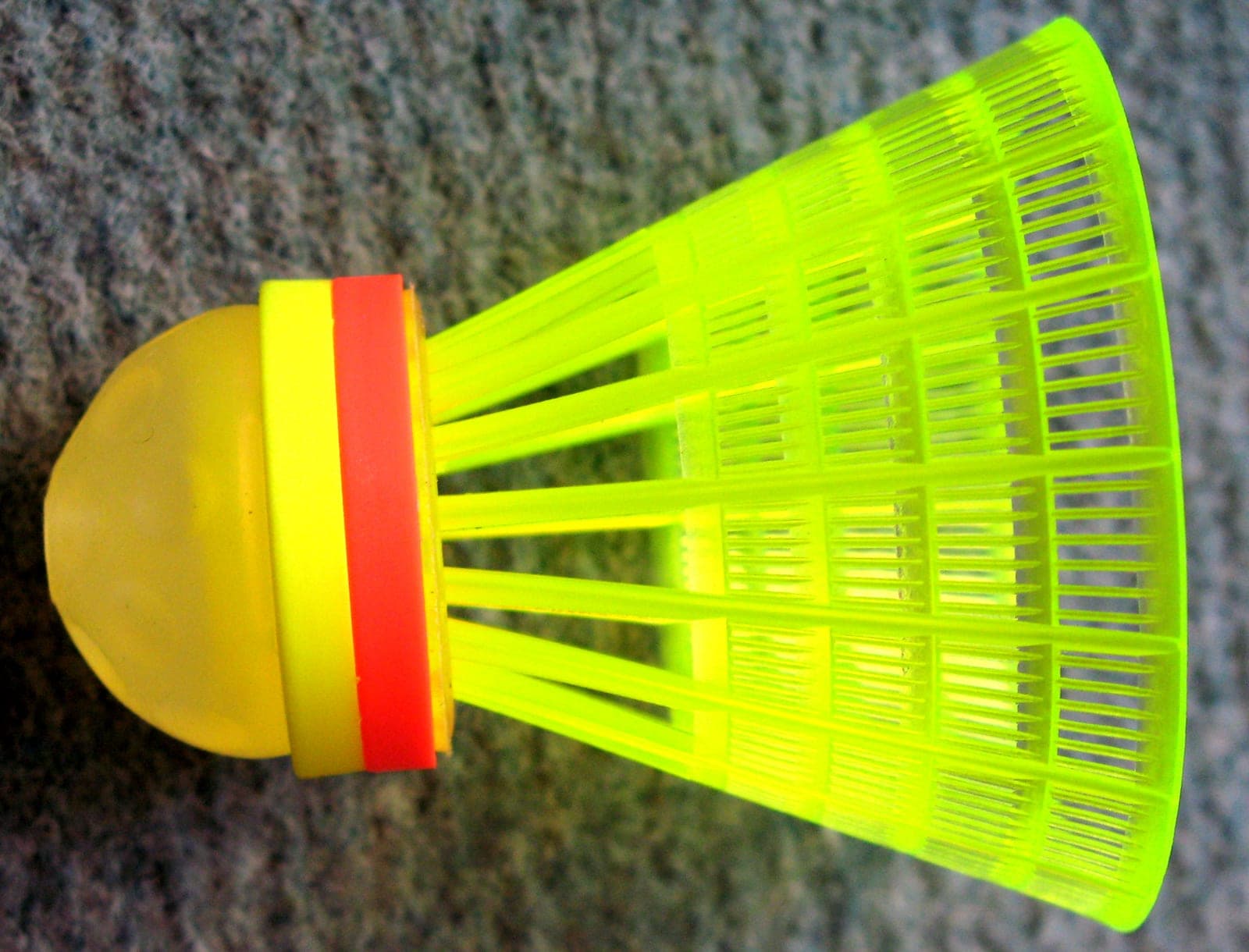
Badminton
A fast indoor racquet sport played with a shuttlecock that rewards agility and touch.
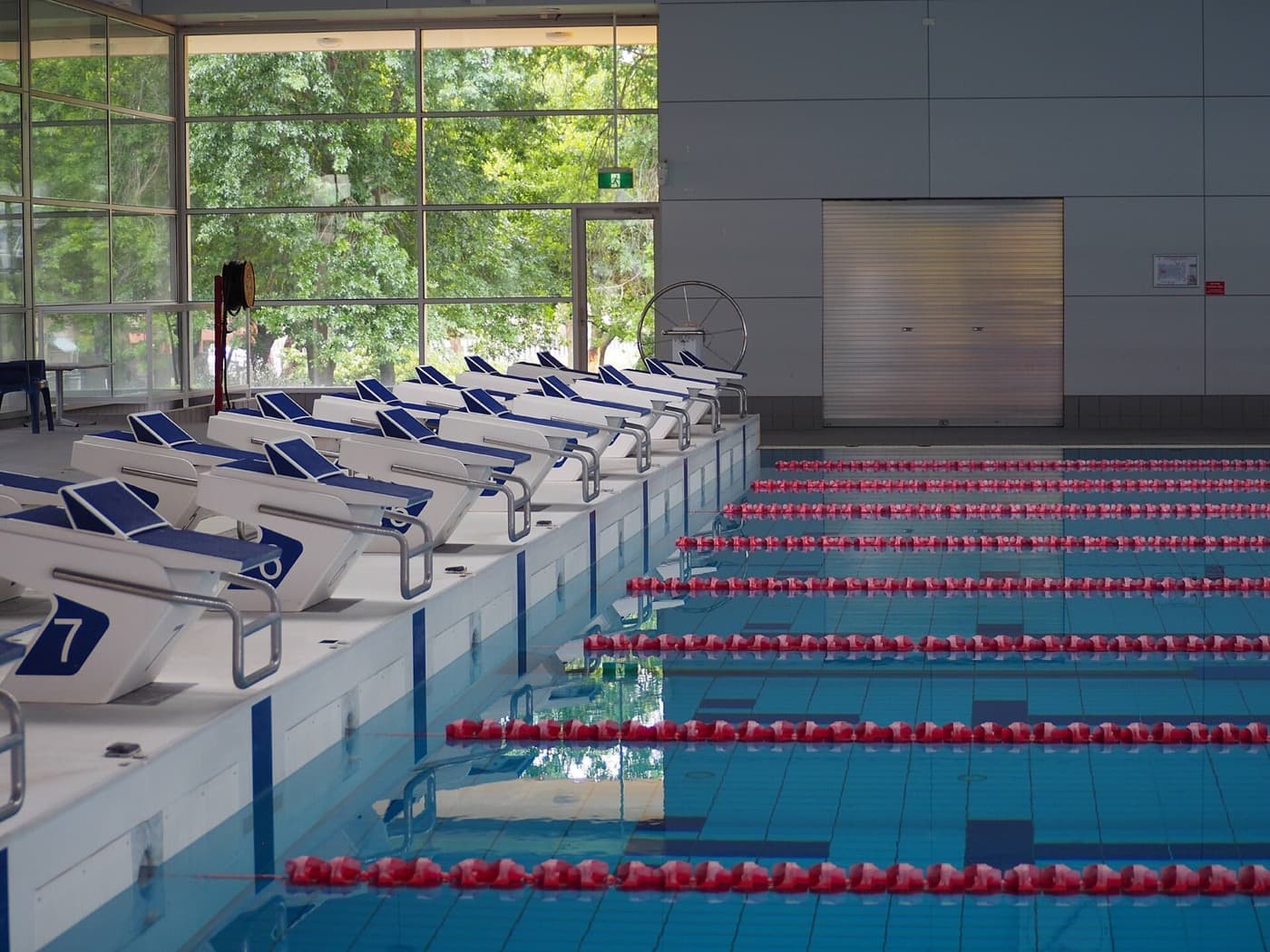
Swimming
A full-body, low-impact endurance sport suitable for almost every age and ability.
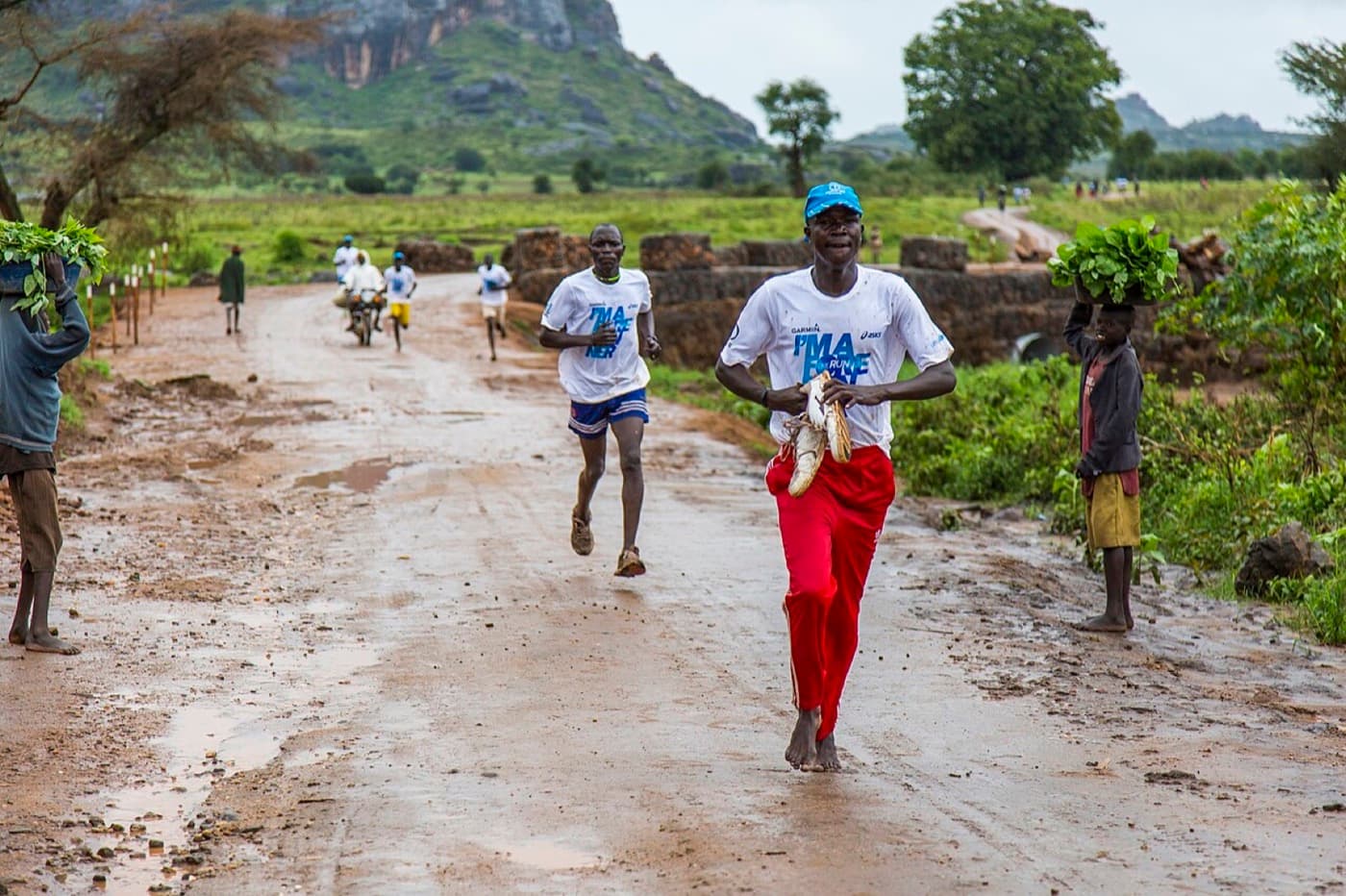
Running
The most accessible endurance sport — no venue, just shoes and the open road or trail.
Cycling
A low-impact endurance sport that doubles as transport, exercise and adventure.
Volleyball
A non-contact team sport of rallies, jumps and teamwork — indoors or on the beach.
Goals that fit
Sports for beginners
How to start playing sport from scratch — choosing a first activity and building up gently.
Improve fitness
Build well-rounded fitness — stamina, strength and more — through regular, varied activity you can keep up.
Improve coordination
Sharpen how smoothly your body works together — like tracking and hitting a ball — through skill practice.
Build confidence
Use sport and steady progress to feel more capable, comfortable and self-assured over time.
Build healthy habits
Using sport and routine to make regular activity a lasting part of everyday life.
Ways to train
Exercises and methods that fit — educational, not a prescription.
Jump squat
An explosive squat variation where you spring off the floor at the top of the movement.
Lunge
A single-leg movement where you step forward and bend both knees to lower your body.
Bulgarian split squat
A single-leg squat where the back foot is raised on a bench behind you.
Hip hinge
The foundational bending-at-the-hips pattern that underpins deadlifts, swings and picking things up.
Kettlebell swing
A dynamic hinge where you swing a kettlebell to shoulder height using a snap of the hips.
Band pull-apart
A simple pulling exercise where you stretch a resistance band across your chest to work the upper back.
Frequently asked questions
What should a beginner focus on?
Focus on learning the fundamentals — the core skills, simple rules and safe technique — while building general fitness gradually. Getting good basics in early, ideally with some coaching, makes every later stage easier.
Explore across the knowledge base
Follow the threads that connect Beginner to the rest of SocialSportHub.
Barriers
- Never played sportWhen you are starting from zero, beginner pathways, basic skills and patience with the learning curve turn "no experience" into a fresh start.
- Worried about costWhen money is tight, free and low-cost activity — walking, running, bodyweight training — proves that sport does not have to be expensive.
- No one to play withWhen you have no training partner, individual sports, beginner groups and finding-people options open the door to solo and social activity alike.
Coaching concepts
- Deliberate PracticeFocused, effortful practice that targets a specific weakness with full attention and immediate feedback — not just repeating what you already do well.
- ProgressionBuilding skill and training load in gradual, manageable steps so each stage prepares the next, moving from simple to complex and easy to hard.
Training guides
- How to progress gentlyProgressing gently means increasing your training in small, gradual steps so your body has time to adapt.
- Staying consistent with trainingStaying consistent is about building training into your routine so it keeps happening even when motivation dips.
- How to track progress simplyTracking progress simply means keeping a light, low-effort record of your training so you can see how far you have come.
- How to build a weekly routineBuilding a weekly routine means loosely planning your training across the week so effort and rest are spread out in a way you can sustain.
- How to start strength trainingStarting strength training means gradually introducing resistance movements and learning good form before doing anything more demanding.
Training plans
- Beginner Cycling BaseA general example of building an easy aerobic base on the bike through mostly relaxed, conversational-pace rides over several weeks.
- Beginner Strength WeekA general example week for someone learning the basic strength movements, built around a few short, technique-focused sessions with plenty of rest.
- Weekly Movement PlanA relaxed example of building more general movement into an ordinary week, mixing walks, gentle mobility and everyday activity rather than formal workouts.
How this page is maintained
- Content type
- Your stage
- Provenance
- Tier A — evergreen educational
- Verified external sources
- 0
- Content updated
- 2026-07-09
Evergreen, first-party explanation — it makes no claim that needs an external source. How we handle sources and reviews.