
Improve coordination
Sharpen how smoothly your body works together — like tracking and hitting a ball — through skill practice.
How sport helps
Coordination is your ability to use different parts of your body together smoothly and accurately — like tracking a ball and moving to hit it. It combines your senses, timing and muscle control, and it underpins skill in most sports.
Coordination improves with practice as your brain and body learn to work together more efficiently. Repeating and gradually varying skilful movements is a common, effective way to sharpen it.
- Sports involving catching, hitting or precise footwork constantly challenge your coordination, which helps it develop.
- Practising skills repeatedly helps your brain and muscles work together more smoothly over time.
- Fast, reactive sports also build related qualities like agility and reaction, which support coordinated movement.
- Learning new movement skills at any age can help keep coordination sharp.
Getting started
- 1Practise skill-based activities regularly — even simple drills like throwing and catching help.
- 2Start slowly and build up speed or complexity as movements become more familiar.
- 3Vary the challenge so your body keeps learning rather than repeating the exact same thing.
- 4Warm up before practice, especially for fast or reactive activities.
Good sports for this goal
Great places to start — each with a clear, beginner-friendly guide.
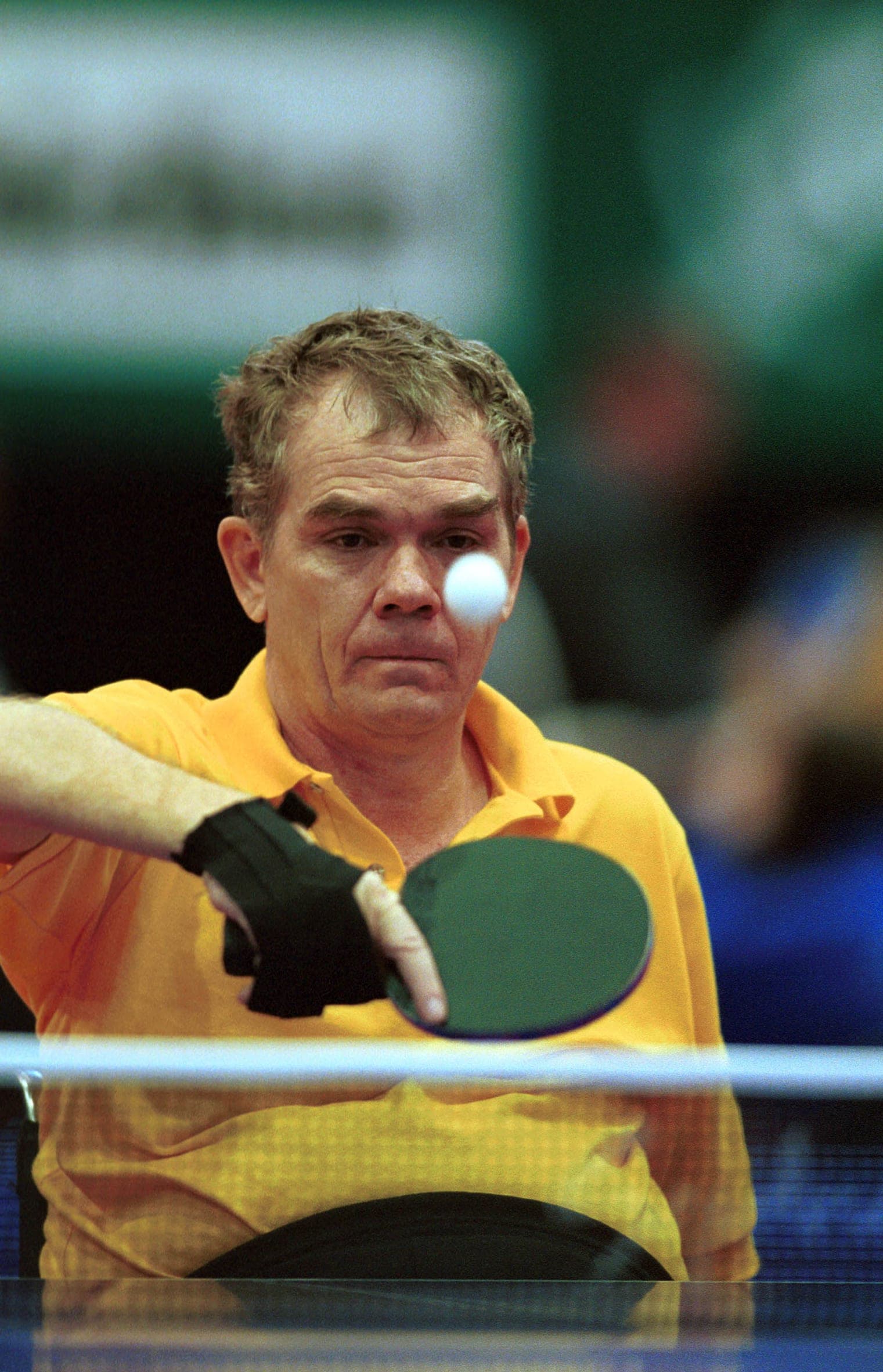
Table Tennis
A fast, low-impact indoor racquet sport that sharpens reflexes and is easy to start.
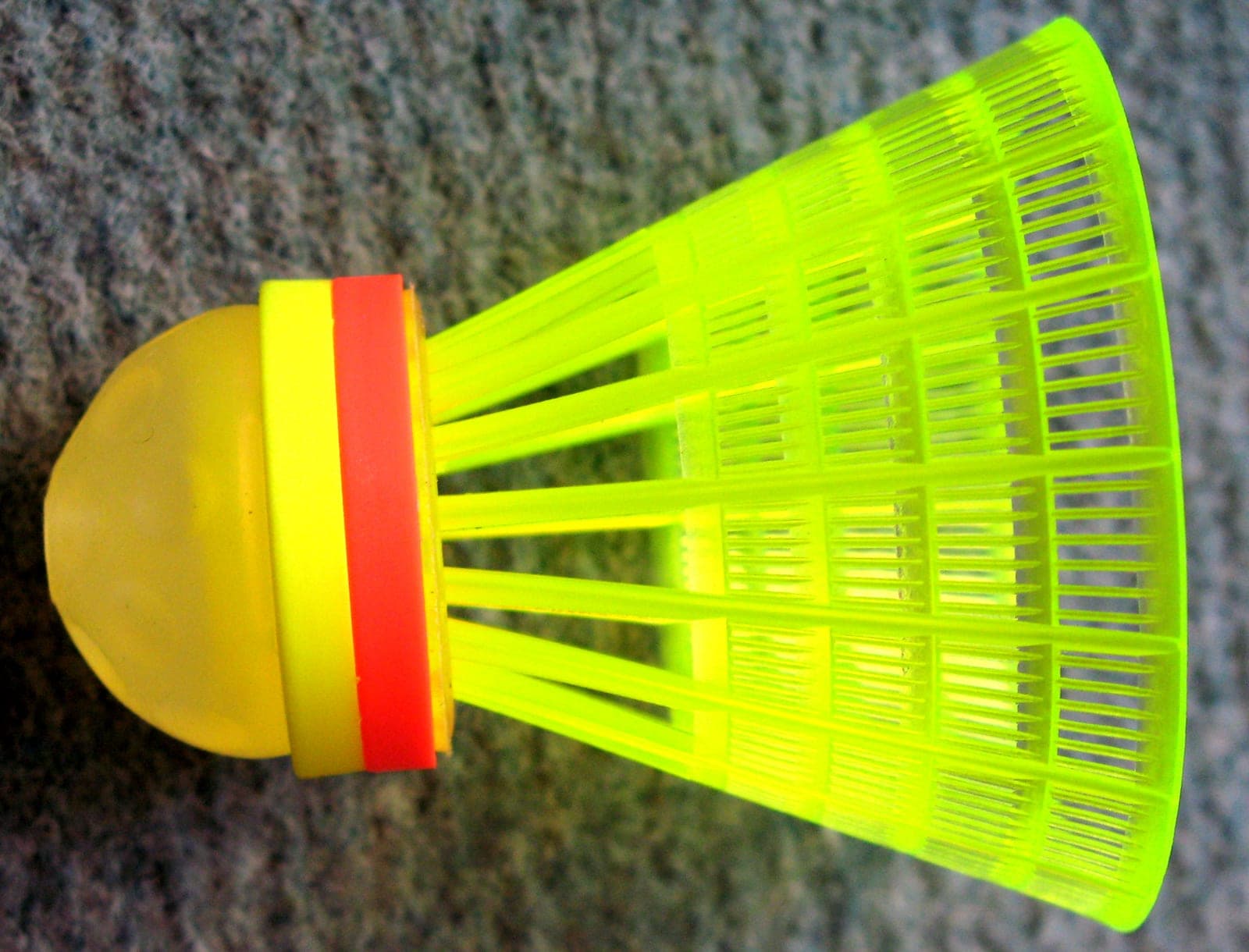
Badminton
A fast indoor racquet sport played with a shuttlecock that rewards agility and touch.
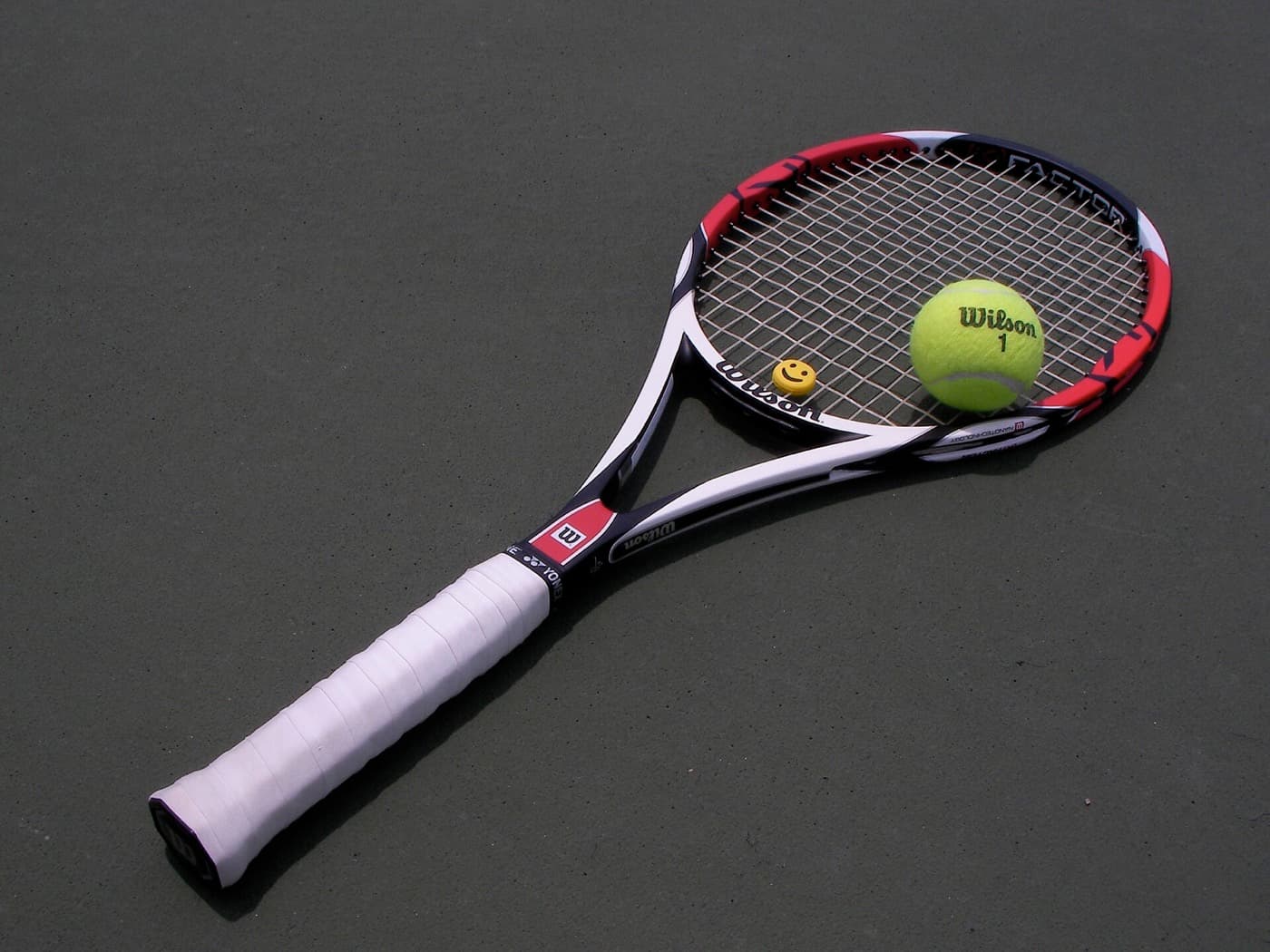
Tennis
A singles or doubles racquet sport that blends agility, strategy and stamina on court.
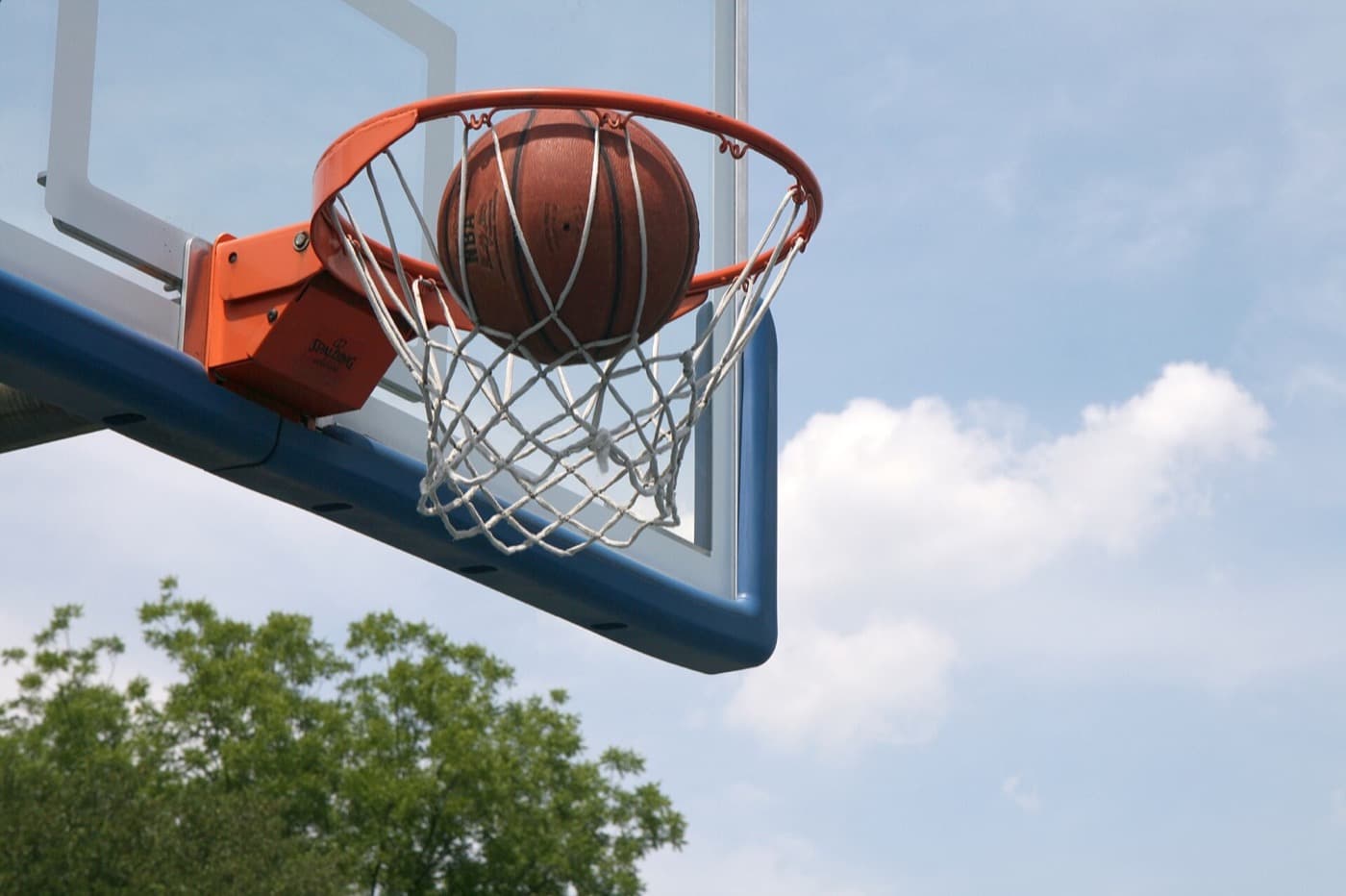
Basketball
A fast, dynamic team sport of running, jumping and quick decisions on court.
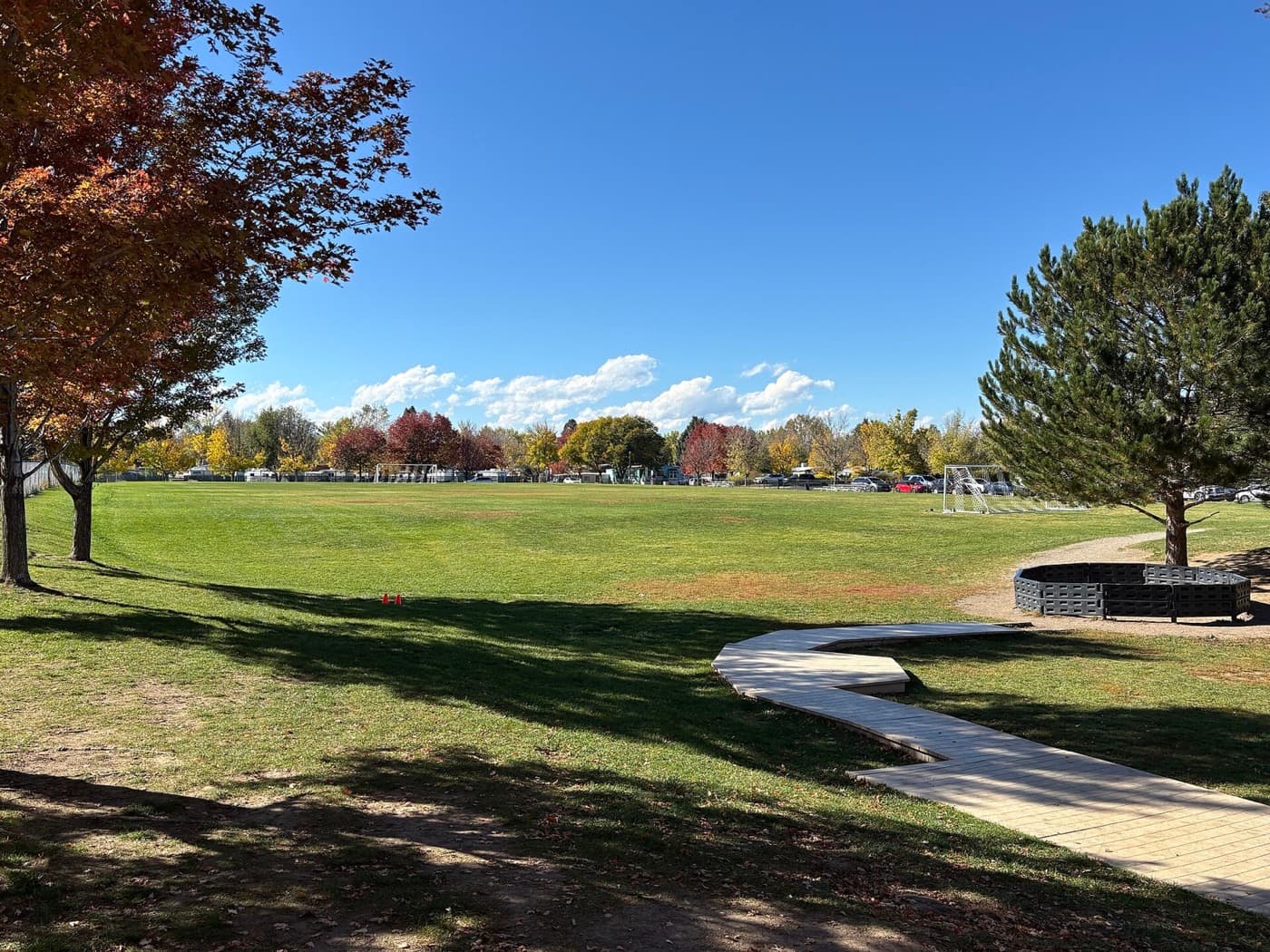
Football
The world’s most popular team sport — endless running, teamwork and community in one game.
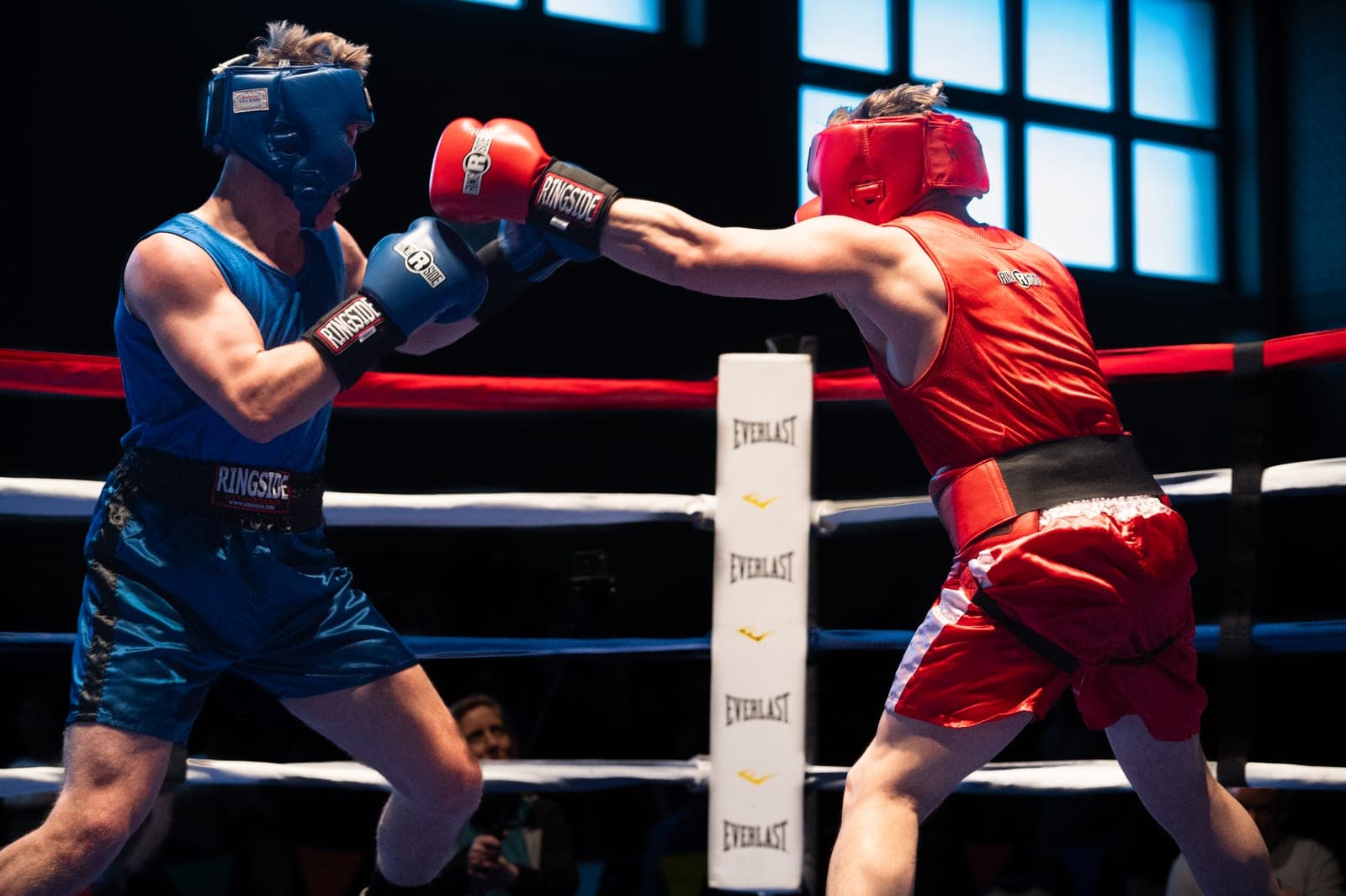
Boxing
A striking combat sport built on footwork, timing and conditioning, practised from fitness drills to controlled sparring.
Also fits this goal
Sports beyond the shortlist above that genuinely serve this goal, each with the reason it does and what it costs you. These are editorial judgements about how a sport is typically played, not source-verified facts.
- Strong fitBaseball
Hitting a pitched ball is one of the most demanding hand–eye tasks in sport, and fielding and throwing add their own.
What it costs you: Early progress is slow and can be discouraging without coaching — this is not a sport that flatters a first session.
- Strong fitCricket
Batting, bowling and catching are three different hand–eye skills, and a session usually asks for all three.
What it costs you: The skills are technical enough that most people need coaching to enjoy them, not just time in the nets.
- Strong fitGolf
The golf swing is one of the most technically exact movements in sport, and the whole game is repeating it.
What it costs you: That exactness is why it takes lessons and time; a first round without instruction is rarely enjoyable.
- Strong fitKarate
Kata are long sequences of precise movement performed from memory, which is sustained whole-body coordination work.
What it costs you: The precision takes time to be satisfying; the first months are corrections rather than flow.
- Strong fitPadel
The walls keep the ball in play, so a rally lasts long enough to actually practise timing rather than resetting after two shots.
What it costs you: Padel courts are far less common than tennis courts, so whether you can play at all is decided by what is near you.
- Strong fitPOP Tennis
A shorter court, a solid paddle and a low-compression ball mean rallies start on the first session, so the hand–eye work begins immediately rather than after weeks of missing.
What it costs you: Courts are far less common than tennis courts, so the limiting factor is usually whether anywhere near you has one.
Train for it
Exercises and methods that build what this goal needs — educational, not a prescription.
Jump squat
An explosive squat variation where you spring off the floor at the top of the movement.
Lunge
A single-leg movement where you step forward and bend both knees to lower your body.
Bulgarian split squat
A single-leg squat where the back foot is raised on a bench behind you.
Hip hinge
The foundational bending-at-the-hips pattern that underpins deadlifts, swings and picking things up.
Kettlebell swing
A dynamic hinge where you swing a kettlebell to shoulder height using a snap of the hips.
Band pull-apart
A simple pulling exercise where you stretch a resistance band across your chest to work the upper back.
Frequently asked questions
How can I improve my coordination?
Regular practice of skill-based movements — such as racquet sports, ball games or simple catching drills — helps your brain and body coordinate better over time. Starting slowly and gradually adding speed or complexity works well.
Is coordination something you're born with?
People do vary naturally, but coordination is largely a skill that improves with practice. Learning and repeating movements helps almost everyone get smoother and more accurate.
Which sports are best for coordination?
Sports that involve tracking and responding to a ball or opponent — like table tennis, badminton, tennis and many team sports — are excellent for developing hand-eye and whole-body coordination.
Related goals
Improve balance
Train steadiness and control at any age with simple, progressive balance practice done safely.
Improve reaction speed
Respond faster to what you see, hear and feel by training with fast, unpredictable activities and drills.
Sports for children
Age-appropriate, fun ways for children to be active, with guidance and supervision where sensible.
Who & where this fits
This goal fits all kinds of people and lifestyles.
How it connects
The meaning-bearing relationships that place Improve coordination in the wider knowledge graph — each one with the reason it exists.
Achieved through
Routes people take towards this goal.
- Table TennisTable Tennis is one of the sports listed under the “Improve coordination” goal.
- BadmintonBadminton is one of the sports listed under the “Improve coordination” goal.
- TennisTennis is one of the sports listed under the “Improve coordination” goal.
- BasketballBasketball is one of the sports listed under the “Improve coordination” goal.
- FootballFootball is one of the sports listed under the “Improve coordination” goal.
Explore across the knowledge base
Follow the threads that connect Improve coordination to the rest of SocialSportHub.
Recommendations
- Recommended for “Improve coordination”Sports, qualities, a learning path and first steps for “Improve coordination” — every suggestion a real graph link, shown with its reason.
- Recommended for “Improve balance”Sports, qualities, a learning path and first steps for “Improve balance” — every suggestion a real graph link, shown with its reason.
- Recommended for “Improve mobility”Sports, qualities, a learning path and first steps for “Improve mobility” — every suggestion a real graph link, shown with its reason.
Experience levels
Movement patterns
- JumpThe plyometric pattern of projecting the body off the ground through explosive triple extension and controlling the landing — the core expression of lower-body power.
- LungeA split-stance, single-leg-emphasis pattern: stepping or dropping into a staggered stance and pushing back up to build single-leg strength, balance and stability.
- RotationRotating the trunk to generate and transfer power through the body's kinetic chain, plus anti-rotation — resisting unwanted twist to keep the trunk stable.
Coaching concepts
- Deliberate PracticeFocused, effortful practice that targets a specific weakness with full attention and immediate feedback — not just repeating what you already do well.
- Constraints-Led PracticeA coaching approach that adjusts the task, environment or rules so a desired movement or decision emerges in practice, rather than being explicitly instructed.
- Small-Sided GamesPractising in scaled-down versions of a sport — fewer players, smaller area — so skills and decisions happen more often in a game-like setting.
- Repetition QualityThe attention and intent behind each repetition matter more than raw volume — focused, well-executed reps build skill faster than mindless numbers.
- Transfer of TrainingWhether practice carries over to real performance — and why game-like, varied practice tends to transfer better than isolated, repetitive drills.
How this page is maintained
- Content type
- Life goal
- Provenance
- Tier A — evergreen educational
- Verified external sources
- 0
- Content updated
- 2026-09-22
Evergreen, first-party explanation — it makes no claim that needs an external source. How we handle sources and reviews.