
Glide
Glide is continuous, low-resistance locomotion in which the body holds a streamlined shape so that momentum generated by a preceding propulsive action carries it smoothly across a surface or through a medium.
Overview
A glide is a phase of near-passive travel in which momentum generated by a preceding propulsive action carries the body forward while active force production is deliberately reduced. Rather than creating new velocity, the athlete works to preserve the velocity already present by organising the body into a streamlined, low-resistance shape: segments aligned along the direction of travel, the trunk braced so nothing wobbles, and the limbs positioned to present the smallest possible profile to whatever the body is moving through or over. Kinetic energy stored in the moving mass dissipates gradually against the resisting medium, so the mechanical priority shifts from producing force to minimising drag or friction and holding balance over a narrow base of support. Because any segmental instability both bleeds energy and increases resistance, trunk and hip stiffness matter as much as the streamline itself, and the glide is fundamentally an exercise in momentum management rather than propulsion.
How a glide is expressed depends heavily on the medium and the surface it rides on, so its mechanics are shared in principle but not identical in practice. In swimming the glide travels through water, where drag rises steeply with speed; the swimmer holds a rigid streamline after a wall push-off or a stroke and must judge when to break the glide and resume pulling, and that timing differs between, say, a front-crawl push-off and the longer underwater glide of breaststroke. On ice, a skater's glide rides one or both blades over a low-friction solid surface, long and straight for a speed skater maximising distance per stroke, or carried on an edge as a connecting element in figure skating. Coasting on a bicycle is a rolling glide in which the wheels carry momentum with the rider balanced and still. Across these cases the shared idea is carrying momentum while resistance is minimised, but the resisting medium (fluid drag, blade-on-ice friction, rolling resistance), the base of balance (a streamlined body line, a blade, two wheels) and the propulsion that precedes the glide all vary, so the movements should not be treated as mechanically interchangeable.
What defines it
- Momentum-carried travel: a propulsive action precedes the glide, and the glide phase itself adds little or no new force, so stored kinetic energy carries the body.
- Streamlining for drag reduction: the body organises into an aligned, low-profile shape so that velocity is lost as slowly as possible against the resisting medium.
- Trunk and hip rigidity: a braced core holds the segments still, since any wobble both bleeds energy and increases drag or friction.
- Balance over a narrow base: many glides ride a single blade, a streamlined body line, or two wheels, demanding continuous fine balance adjustments.
- Surface and medium dependence: the source of resistance (fluid drag in water, blade-on-ice friction, rolling resistance on wheels) sets how long a glide can be sustained and differs by sport.
How it differs from nearby movements
Movements that look similar but are not the same thing.
- Not the same as Slide
- A glide sustains velocity already generated by minimising resistance and stays streamlined over its base, whereas a slide is committed and usually braked, lowering the body to the surface so that friction and deceleration (or reach) become the goal rather than something to avoid.
- Not the same as Gait (walking and running)
- Gait is upright locomotion with repeated ground contacts and an active push-off every stride, while during a glide there is continuous low-friction contact (or none) and no per-step propulsion, so the body is simply being carried.
- Not the same as Jump
- A jump becomes a projectile in aerial flight after takeoff, governed by ballistics, whereas a glide stays in contact with its supporting surface or medium and is governed by resistance, not free flight.
A note on this information
Exercises that train the glide
Movements built on this pattern — educational examples, not a prescription.
Superman
A back-focused exercise where you lie face down and lift your arms and legs off the floor.
Plank
A core-holding exercise where you keep your body in a straight line supported on forearms and toes.
Side plank
A core hold on one forearm and the side of the foot that targets the muscles along your side.
Bird dog
A core exercise on hands and knees where you extend opposite arm and leg while staying steady.
Dead bug
A floor core exercise where you extend opposite arm and leg while keeping your back settled.
Bulgarian split squat
A single-leg squat where the back foot is raised on a bench behind you.
Wall sit
A holding exercise where you sit against a wall with no chair, holding a squat position still.
Sports skills that express it
The learnable skills of a sport that this movement underlies.
Front crawl
The fastest swimming stroke, using alternating arm pulls and a flutter kick while face-down.
Breaststroke
A swimming stroke using a symmetrical arm sweep and a frog-like kick, with the head lifting to breathe.
Balance
The skill of keeping the body stable and controlled while still or moving.
Core stability
The skill of engaging the trunk muscles to keep the body strong and controlled through movement.
Breathing
The skill of controlling the breath rhythmically to sustain effort and stay relaxed.
Pedalling
The skill of turning the pedals smoothly and at an efficient rhythm on a bike.
Sports techniques that use it
How the movement shows up in the specific techniques of a sport.
Freestyle Stroke
The fastest swimming stroke, using alternating overhead arm pulls, a flutter kick and rhythmic side breathing.
Breaststroke
A swimming stroke with a simultaneous arm sweep, a whip-like frog kick and a glide, performed on the front.
Backstroke
The only competitive stroke swum on the back, using alternating overhead arm pulls and a steady flutter kick.
Flip Turn
A fast turn in freestyle where the swimmer somersaults at the wall, pushes off on their back and rotates to continue swimming.
The science and how it’s learned
The concepts that explain this movement and help in learning it.
Sports that rely on it
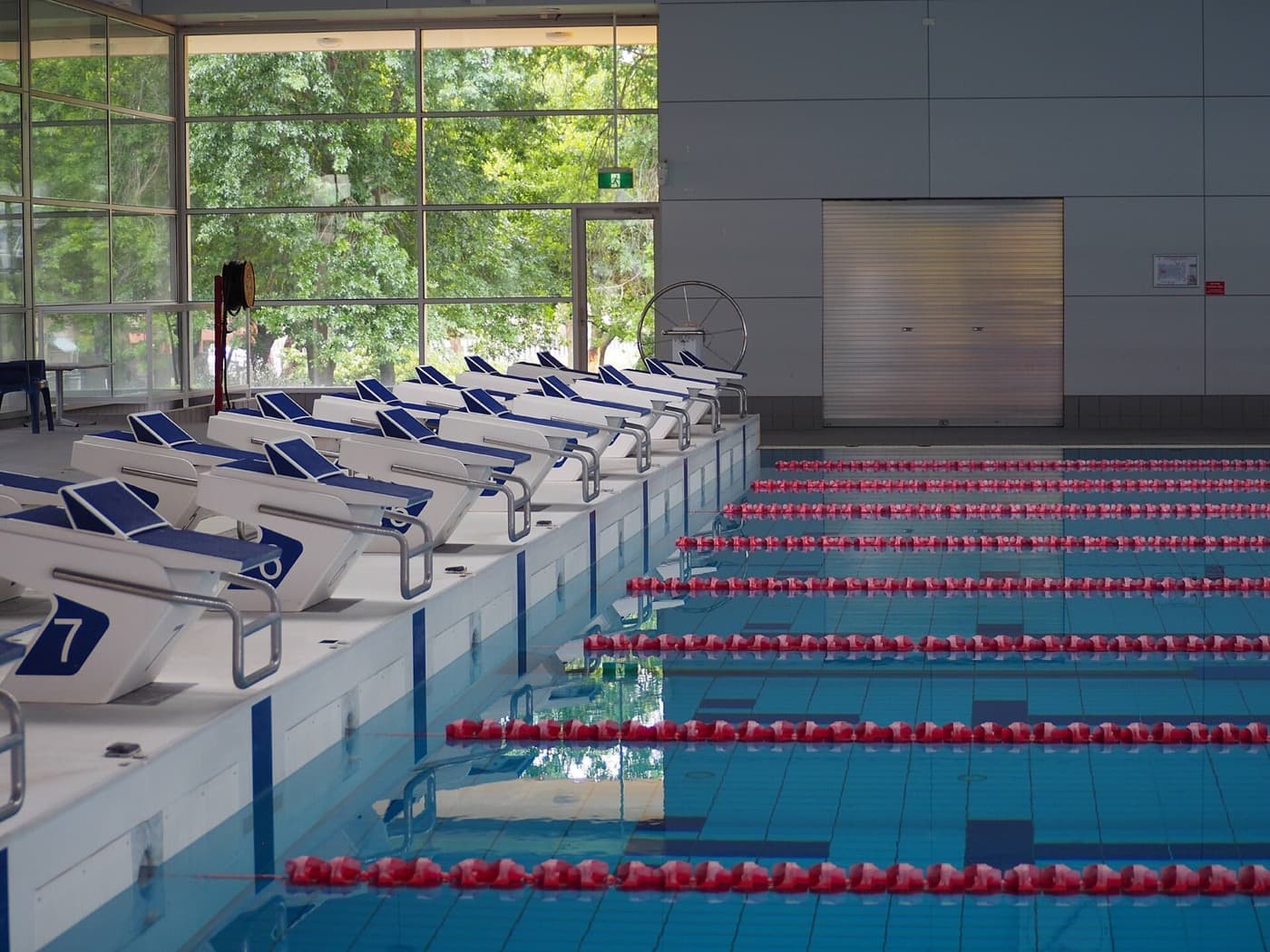
Swimming
A full-body, low-impact endurance sport suitable for almost every age and ability.
Speed Skating
A racing sport on long-bladed skates, powering around an ice oval or tight indoor track with long, rhythmic strides.
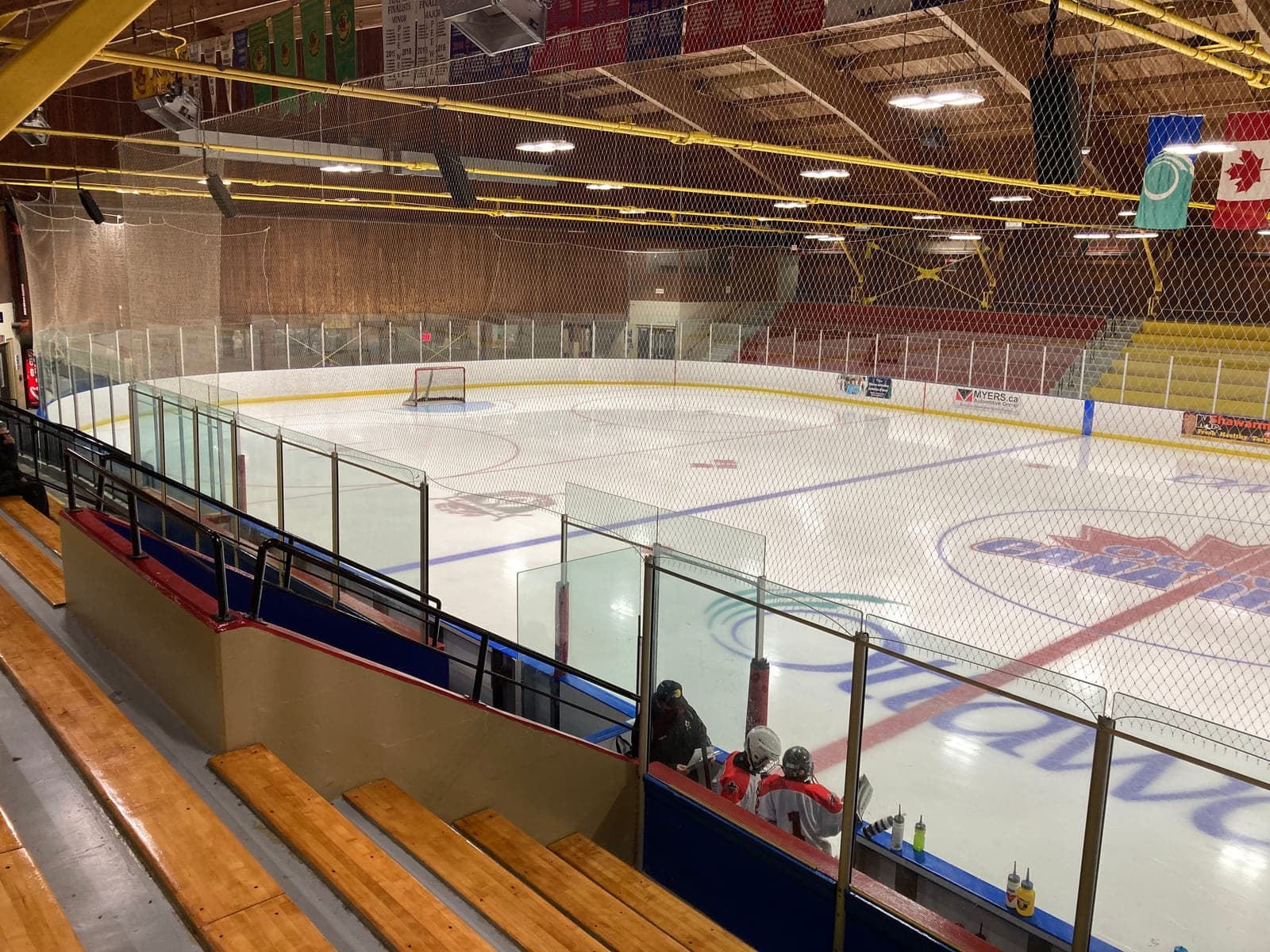
Figure Skating
An artistic ice sport combining glides, spins, jumps and footwork into flowing routines.
Ice Hockey
A fast team sport on ice that combines skating skill with quick passing and goal-scoring.
Cycling
A low-impact endurance sport that doubles as transport, exercise and adventure.
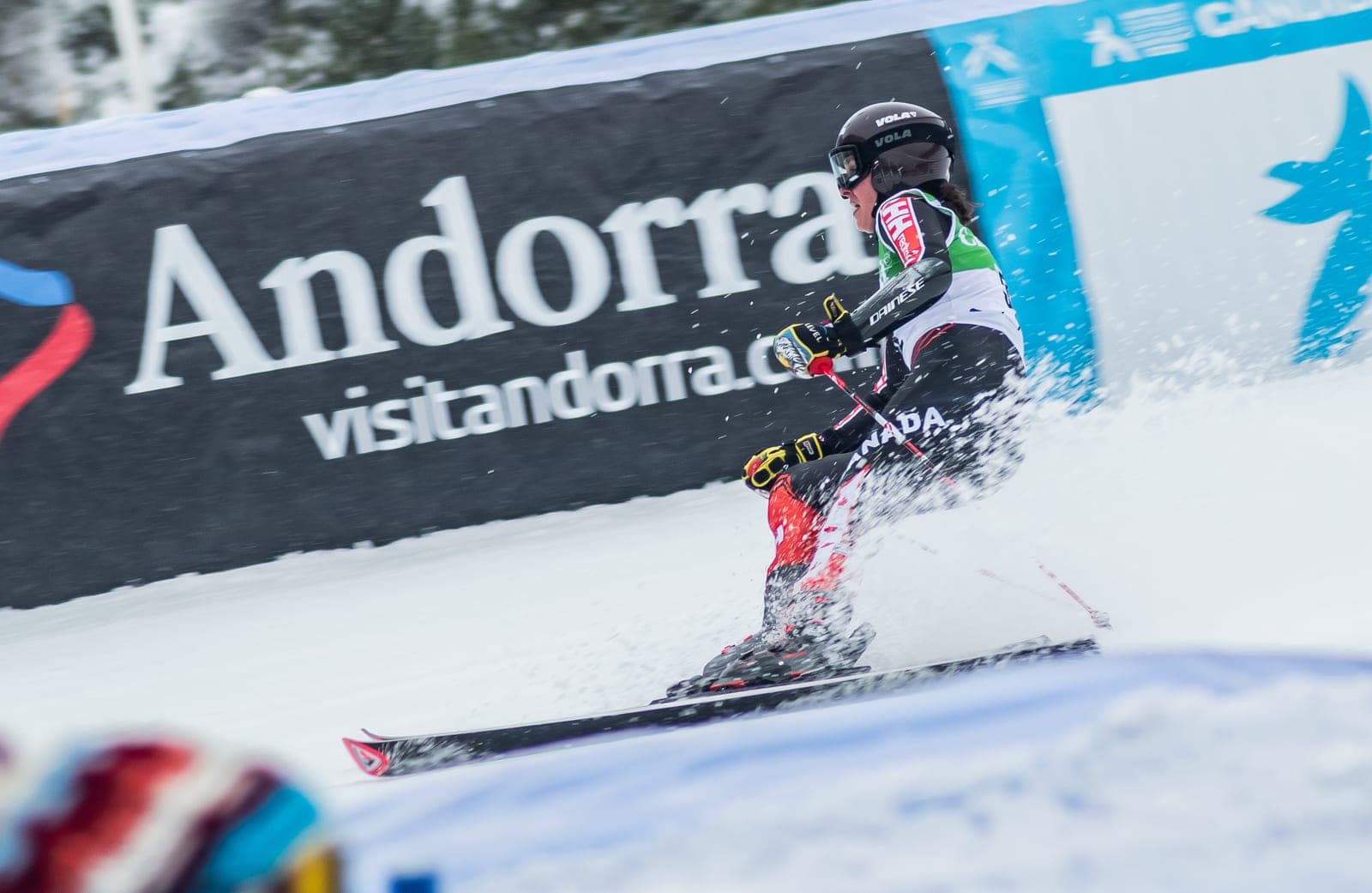
Alpine Skiing
A downhill snow sport where you glide and turn down groomed slopes on a pair of skis.
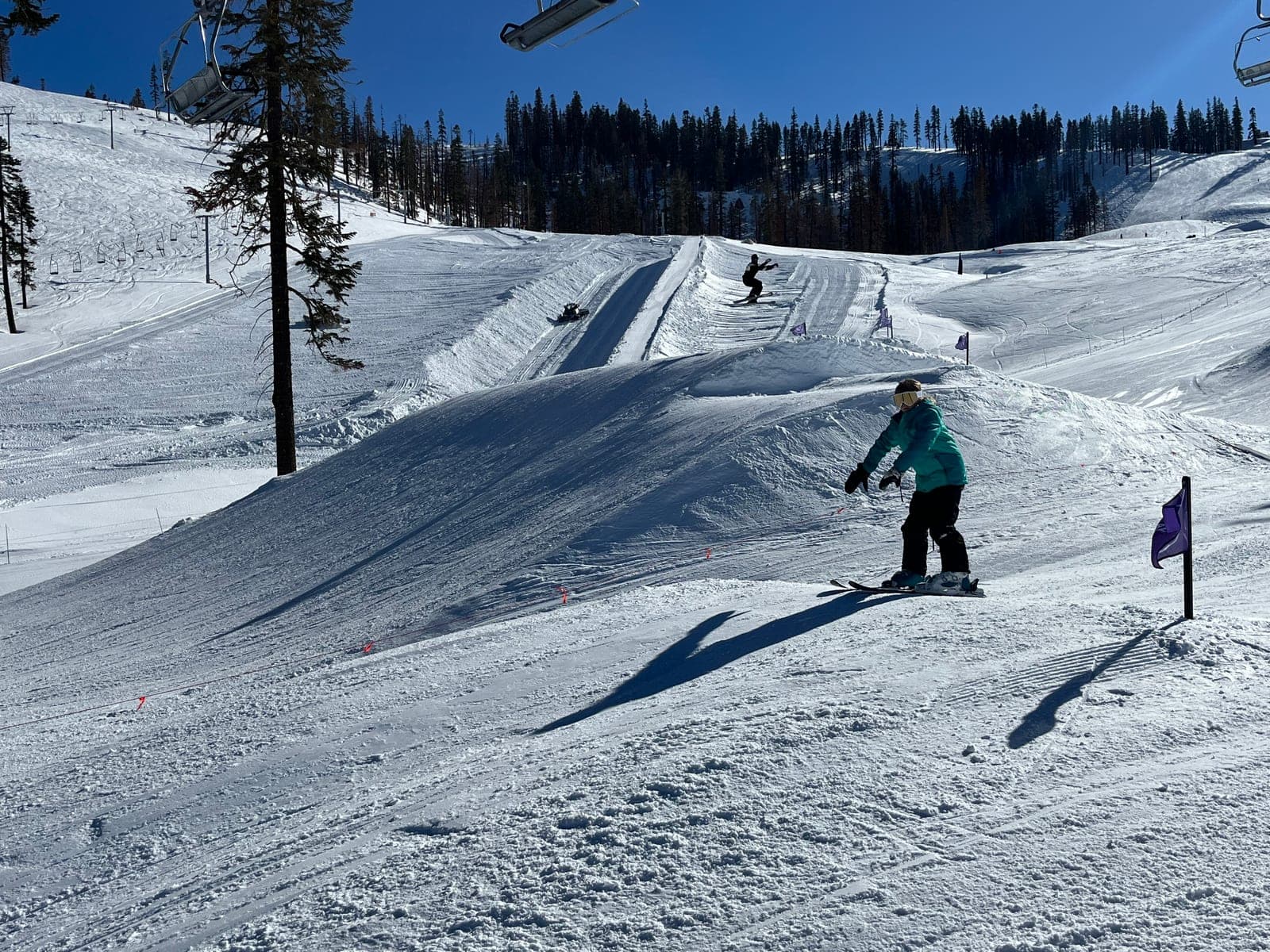
Snowboarding
A downhill snow sport where you ride a single board sideways down the mountain.
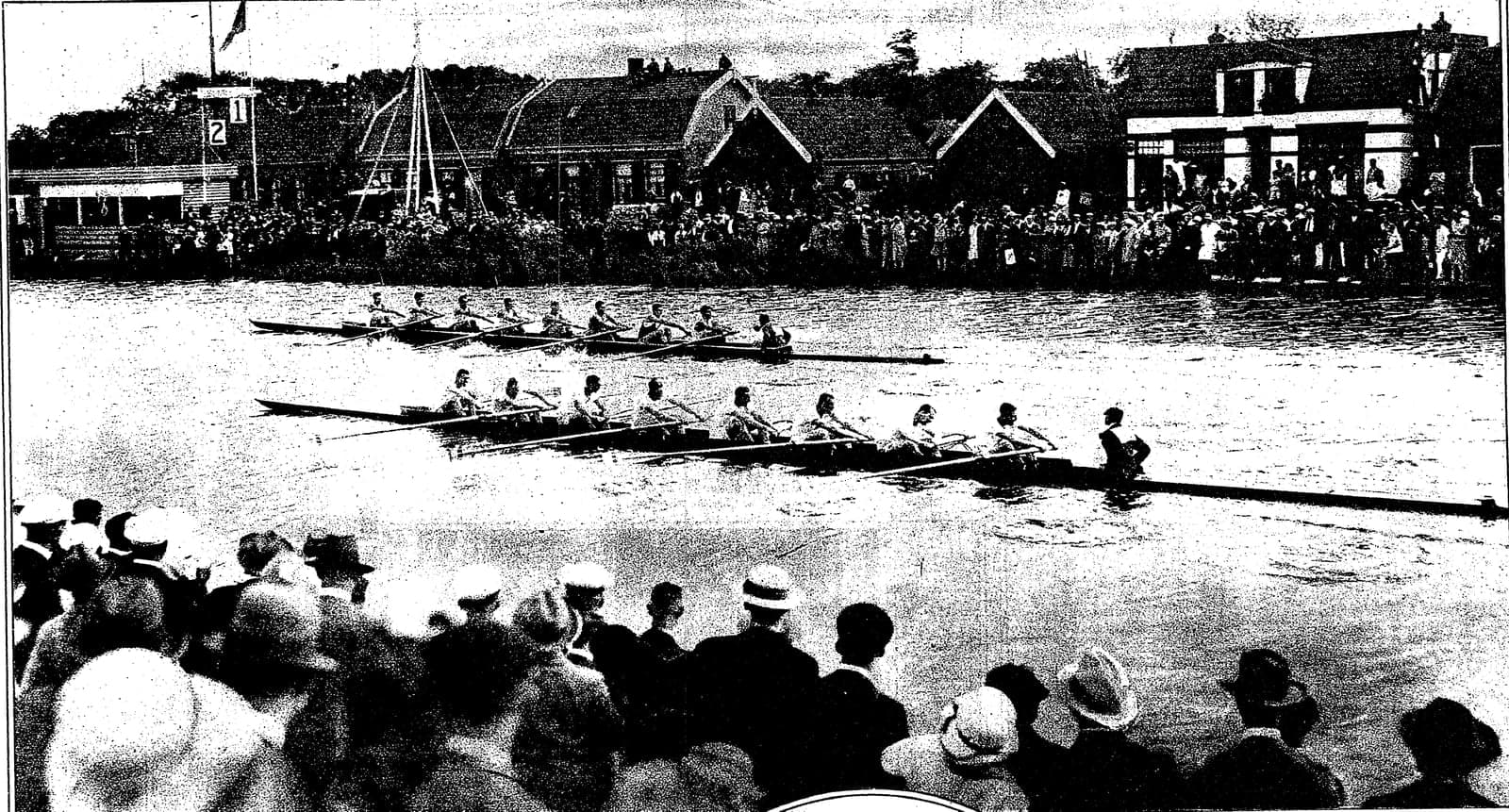
Rowing
A rhythmic, full-body endurance sport on the water or on an indoor machine.
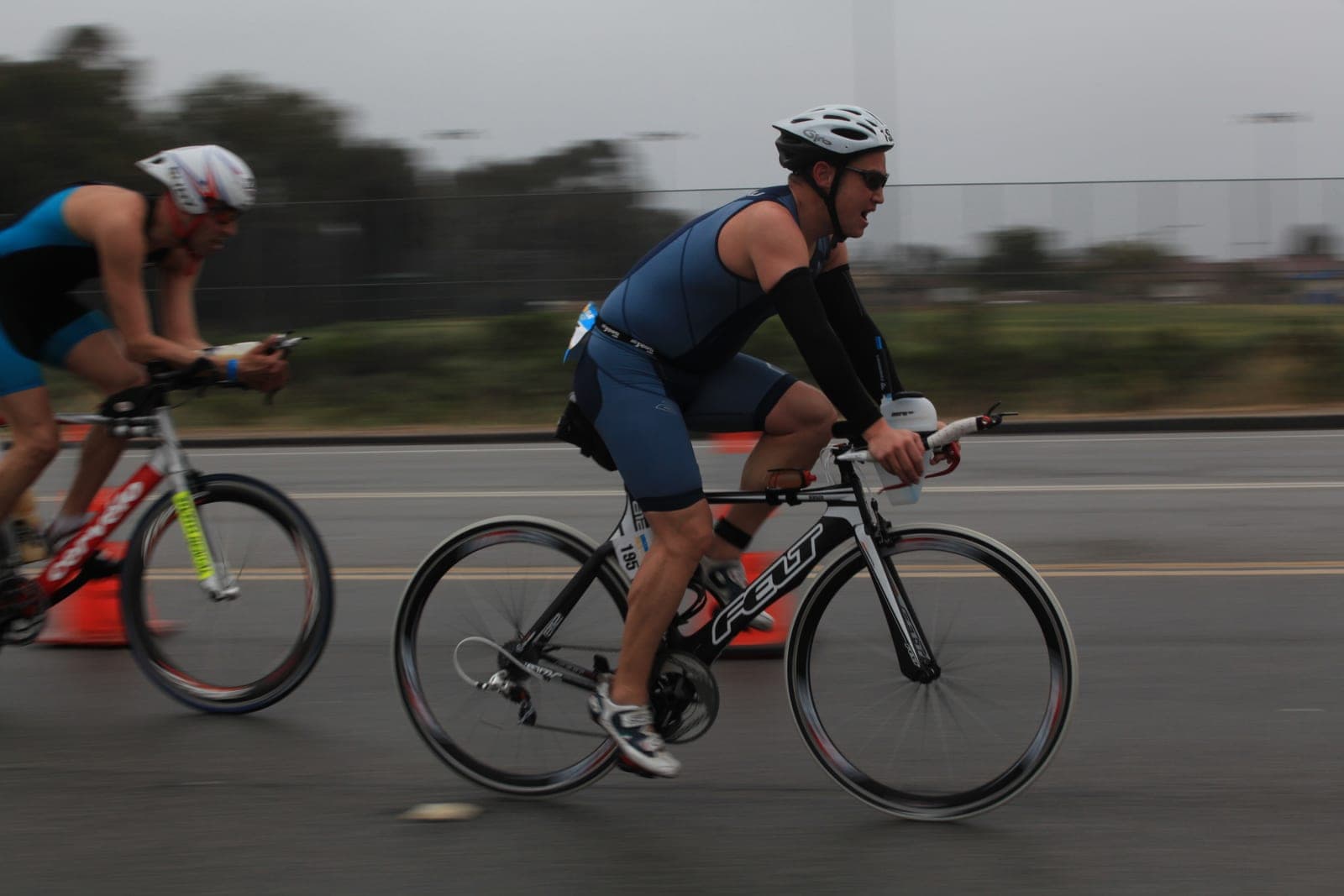
Triathlon
A multi-sport endurance event that links swimming, cycling and running into one continuous race.
Compare glide with…
Movements it is often confused with — see exactly how they differ.
How it connects
The meaning-bearing relationships that place Glide in the wider knowledge graph — each one with the reason it exists.
Builds on
Understanding these first makes this one make sense.
Commonly confused with
Close enough to be mixed up — the distinction is worth knowing.
Explore across the knowledge base
Follow the threads that connect Glide to the rest of SocialSportHub.
Movement comparisons
- Glide vs JumpGlide vs Jump: how these two movements differ, what they share, and how to tell them apart — from mechanics to the sports that use them.
- Glide vs SlideGlide vs Slide: how these two movements differ, what they share, and how to tell them apart — from mechanics to the sports that use them.
Skills
- Front crawlThe fastest swimming stroke, using alternating arm pulls and a flutter kick while face-down.
- BreaststrokeA swimming stroke using a symmetrical arm sweep and a frog-like kick, with the head lifting to breathe.
- BalanceThe skill of keeping the body stable and controlled while still or moving.
- Core stabilityThe skill of engaging the trunk muscles to keep the body strong and controlled through movement.
- BreathingThe skill of controlling the breath rhythmically to sustain effort and stay relaxed.
Sports science
- BiomechanicsThe study of how the body produces and controls movement — the mechanics behind every technique in sport.
- Movement efficiencyHow economically the body performs a movement — achieving the goal with the least wasted effort.
- Force and powerThe difference between how much force the body can produce and how quickly it can produce it — the mechanics behind strength and explosiveness.
- The kinetic chainThe idea that the body’s segments work as a linked chain, passing force from the ground up through the hips, trunk and limbs.
- Energy systemsHow the body supplies energy for movement — the different pathways that power everything from an explosive jump to a long, steady run.
Training methods
- Steady-State CardioSteady-state cardio means holding one comfortable, continuous pace for the whole session, building an aerobic base without the peaks of interval work.
- Endurance Base TrainingEndurance base training is an extended phase of mostly easy, steady aerobic work that lays the aerobic foundation the rest of a training plan builds on.
- Cross-TrainingCross-training mixes different activities into your routine so you build all-round fitness and give repeatedly-used muscles a change of stimulus.
- Tempo TrainingTempo training holds a firm, controlled 'comfortably hard' pace for a sustained stretch, teaching the body to sustain effort without tipping into a sprint.
Coaching concepts
- Repetition QualityThe attention and intent behind each repetition matter more than raw volume — focused, well-executed reps build skill faster than mindless numbers.
- Feedback and CueingFeedback from your senses, a coach, or video plus short instructional cues guide skill learning — including internal vs external focus of attention.
- Skill acquisitionHow a movement or sports skill is learned — progressing from conscious, effortful control to smooth, largely automatic execution through practice and feedback.
Disciplines
- FreestyleFreestyle is the fastest swimming stroke, swum face-down with an alternating arm pull and flutter kick — the stroke most people picture when they think of swimming.
- BackstrokeBackstroke is swum face-up with an alternating arm pull and flutter kick — the one competitive stroke where you breathe freely because your face stays out of the water.
- Long TrackLong track speed skating is contested on a 400-metre two-lane oval, with skaters usually racing in pairs and ranked mostly by their times.
- DistanceDistance racing covers longer courses over laps or point-to-point routes, testing sustained endurance in classic or skate technique.
- ParkPark skateboarding is ridden in a course of curved bowls, ramps, and transitions, where skaters use momentum to link tricks into continuous flowing runs.
Go deeper with Glide
Everywhere else on the platform that covers Glide — assembled from what actually references it, so nothing here is a dead end.
Take it away
Open data and the whole-platform view of this subject.
How this page is maintained
- Content type
- Movement pattern
- Provenance
- Tier A — evergreen educational
- Verified external sources
- 0
- Content updated
- 2026-07-13
Evergreen, first-party explanation — it makes no claim that needs an external source. How we handle sources and reviews.