
Front crawl
The fastest swimming stroke, using alternating arm pulls and a flutter kick while face-down.
Overview
Front crawl, often called freestyle, is the quickest of the swimming strokes. The swimmer lies face-down and uses continuous alternating arm strokes with a steady flutter kick, turning the head to the side to breathe.
It is the go-to stroke for lap swimming, triathlon and open-water racing because its long, continuous propulsion makes it efficient over distance.
Key points
- The arms pull alternately in a continuous windmill motion.
- A steady flutter kick from the hips helps keep the body level and streamlined.
- Breathing is done by rotating the head to the side, not lifting it forward.
- A long, streamlined body position reduces drag through the water.
- It is usually the stroke of choice for triathlon and open-water swimming.
Where it’s used
Sports that use front crawl:
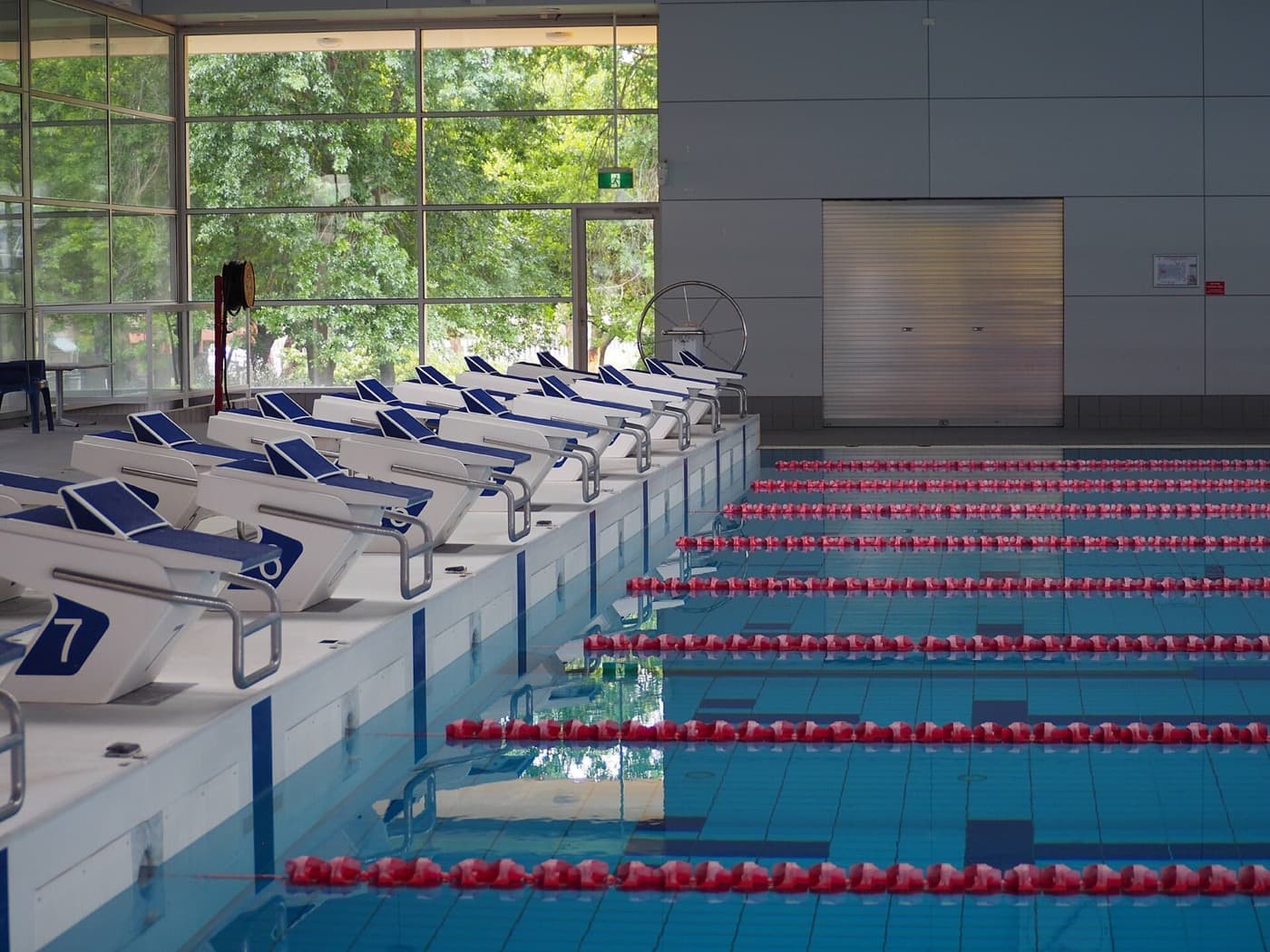
Swimming
A full-body, low-impact endurance sport suitable for almost every age and ability.
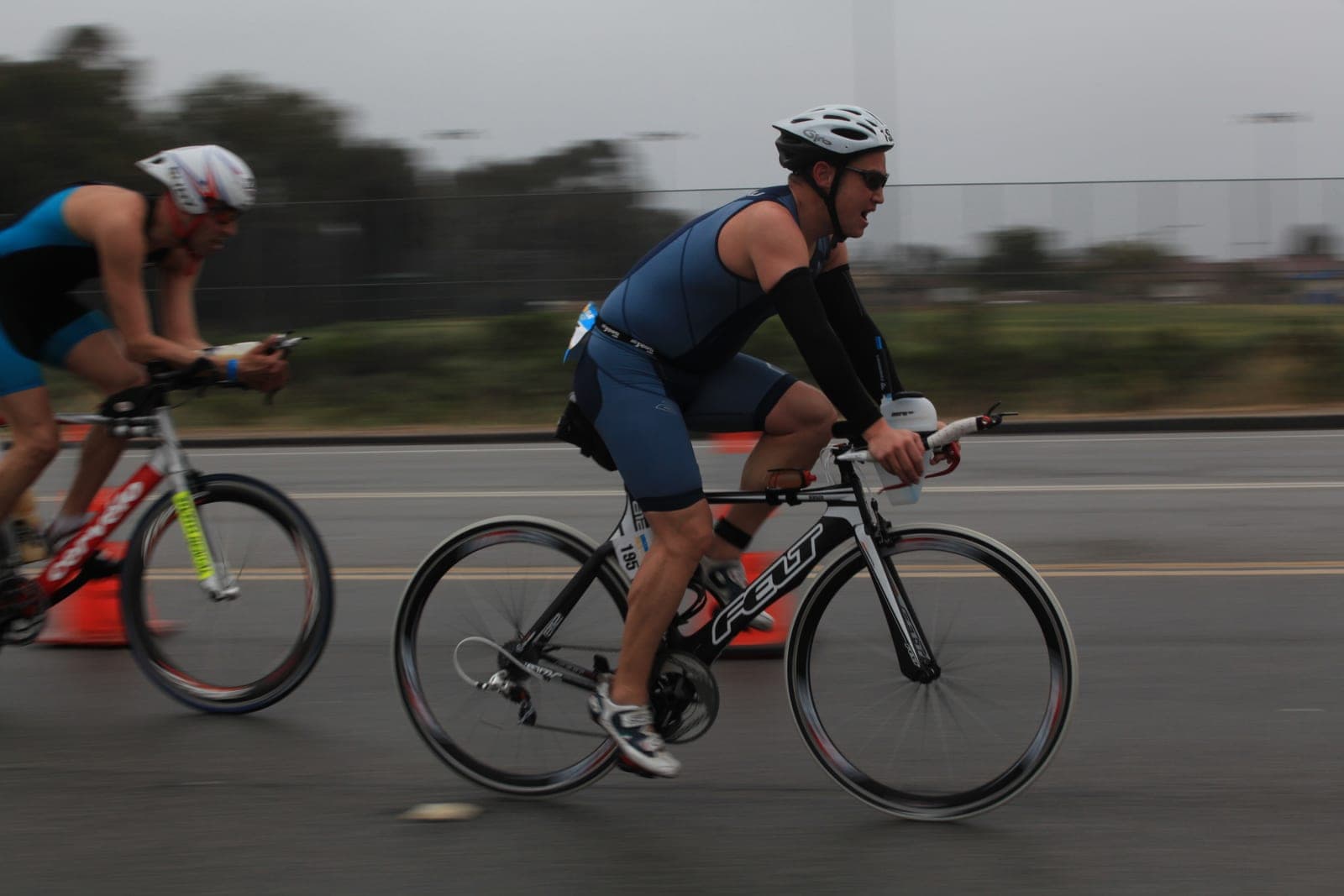
Triathlon
A multi-sport endurance event that links swimming, cycling and running into one continuous race.
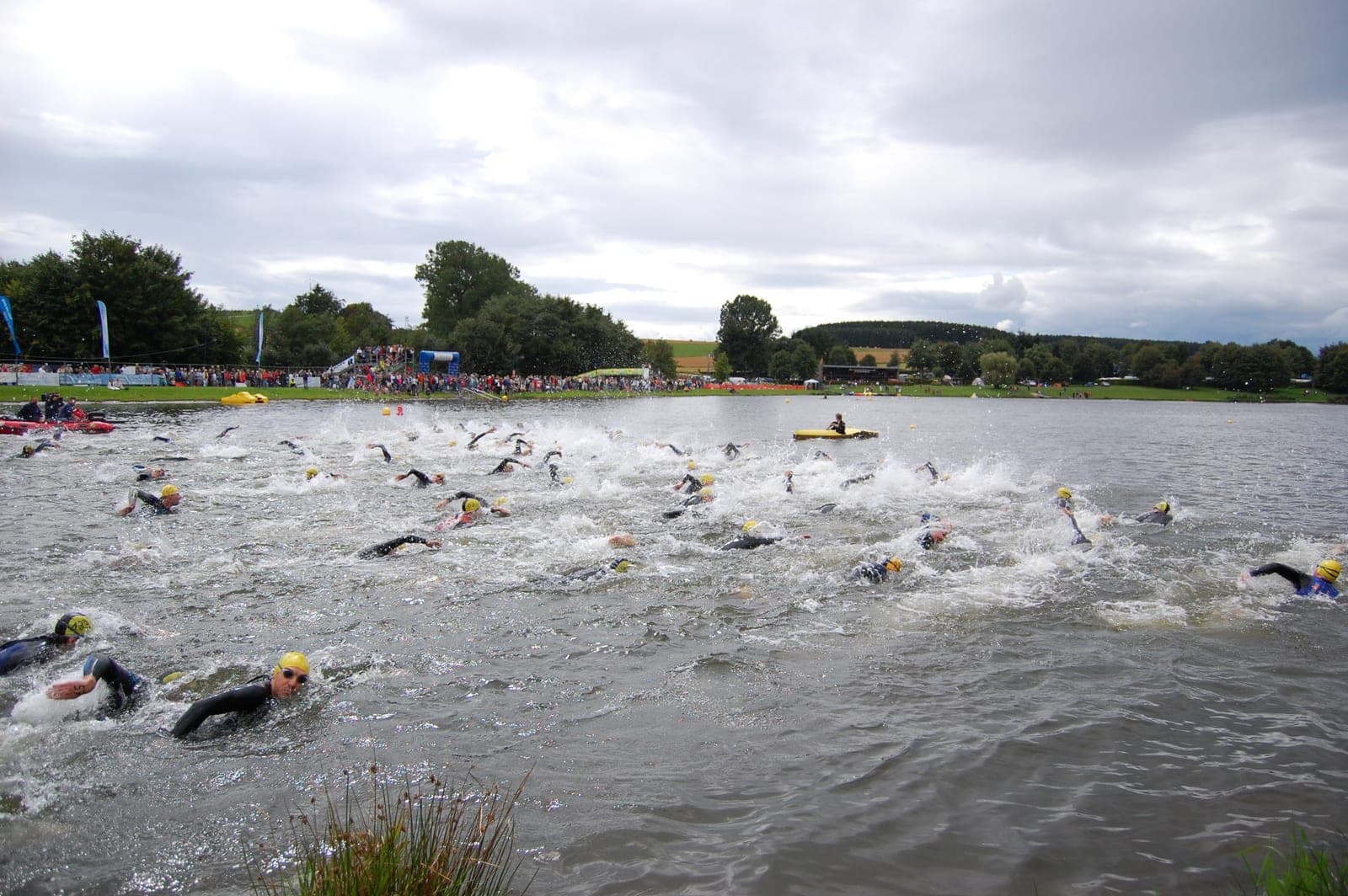
Open-Water Swimming
Swimming in lakes, rivers and the sea, blending endurance training with the experience of being out in nature.
Related skills
How it connects
The meaning-bearing relationships that place Front crawl in the wider knowledge graph — each one with the reason it exists.
Progresses to
The next step in a curated learning order.
Progresses from
The step that comes before this one in a curated learning order.
Frequently learned together
Taught side by side in the same stage of a learning path.
- PacingBoth are taught in the “Learn the core skills” stage of the Swimming learning path.
- BreathingBoth are taught in the “Learn the core skills” stage of the Swimming learning path.
- BreaststrokeBoth are taught in the “Learn the core skills” stage of the Swimming learning path.
- Treading waterBoth are taught in the “Learn the core skills” stage of the Swimming learning path.
- PedallingBoth are taught in the “Learn the core skills” stage of the Triathlon learning path.
Explore across the knowledge base
Follow the threads that connect Front crawl to the rest of SocialSportHub.
Skills Academy
Movement patterns
- GlideGlide is continuous, low-resistance locomotion in which the body holds a streamlined shape so that momentum generated by a preceding propulsive action carries it smoothly across a surface or through a medium.
- PullDrawing a load or your own body toward the torso — horizontal rows and vertical pull-ups — building the lats, mid-back and biceps and balancing the push.
Techniques
- Freestyle StrokeThe fastest swimming stroke, using alternating overhead arm pulls, a flutter kick and rhythmic side breathing.
- Flip TurnA fast turn in freestyle where the swimmer somersaults at the wall, pushes off on their back and rotates to continue swimming.
- BackstrokeThe only competitive stroke swum on the back, using alternating overhead arm pulls and a steady flutter kick.
- BreaststrokeA swimming stroke with a simultaneous arm sweep, a whip-like frog kick and a glide, performed on the front.
Learning paths
- Learn SwimmingA structured, educational learning path for swimming — from the rules to skills, techniques, tactics and training.
- Learn TriathlonA structured, educational learning path for triathlon — from the rules to skills, techniques, tactics and training.
- Learn Open-Water SwimmingA structured, educational learning path for open-water swimming — from the rules to skills, techniques, tactics and training.
Disciplines
- FreestyleFreestyle is the fastest swimming stroke, swum face-down with an alternating arm pull and flutter kick — the stroke most people picture when they think of swimming.
- BackstrokeBackstroke is swum face-up with an alternating arm pull and flutter kick — the one competitive stroke where you breathe freely because your face stays out of the water.
Go deeper with Front crawl
Everywhere else on the platform that covers Front crawl — assembled from what actually references it, so nothing here is a dead end.
Learn it
Structured courses and paths on the platform that cover this directly.
How this page is maintained
- Content type
- Skill
- Provenance
- Tier A — evergreen educational
- Verified external sources
- 0
- Content updated
- 2026-09-12
Evergreen, first-party explanation — it makes no claim that needs an external source. How we handle sources and reviews.