
Open-Water Swimming
Swim beyond the pool, out in nature

Overview
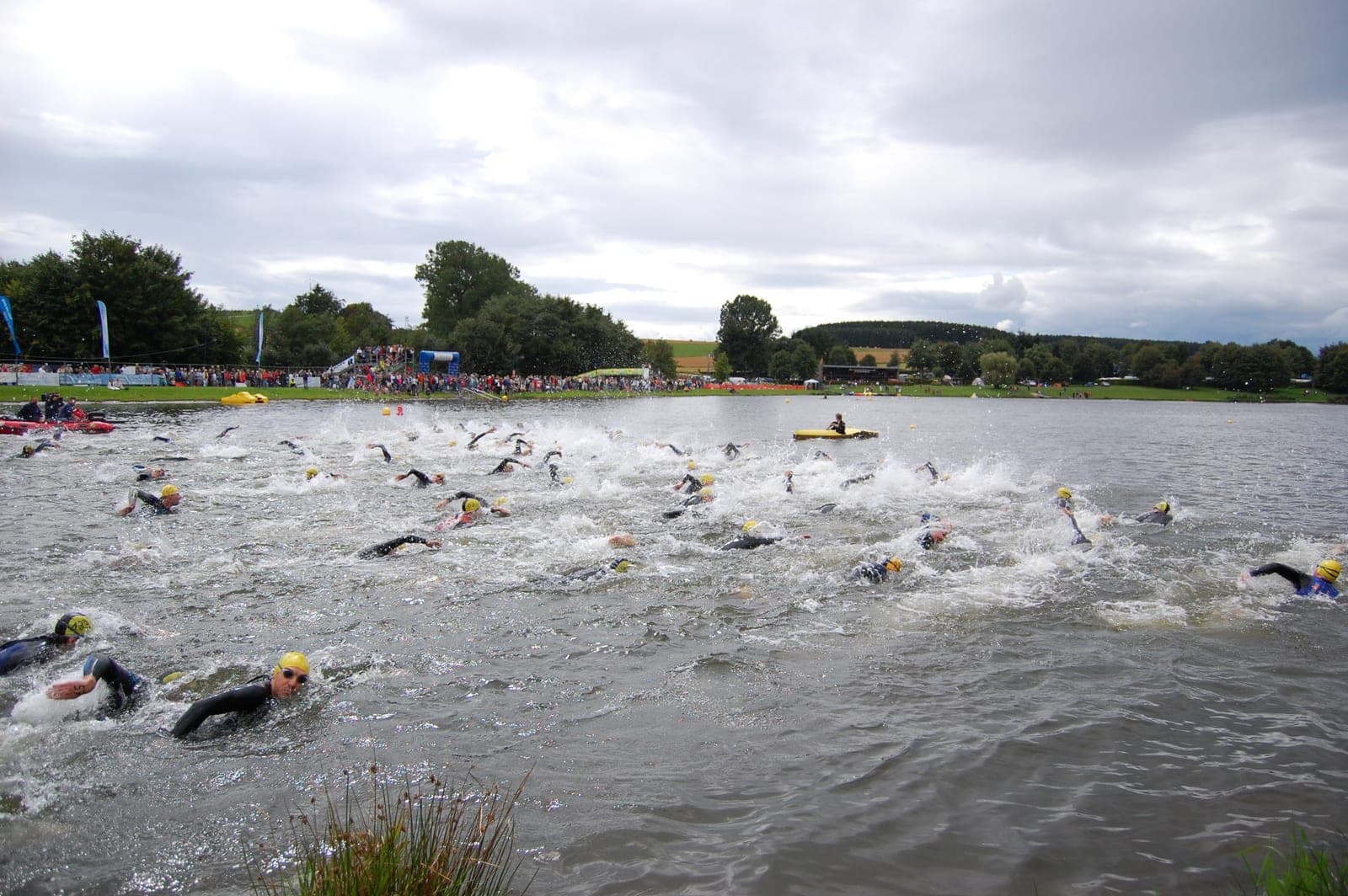
Open-water swimming takes swimming out of the pool and into lakes, rivers and the sea. Without walls to turn at or lane lines to follow, it adds the challenge of sighting your direction, coping with changing water and pacing yourself over longer, continuous distances, which makes it a natural endurance discipline.
Many people are drawn to it as much for the setting as the exercise — the calm and openness of swimming outdoors. Because conditions, temperature and currents vary, it is best approached gradually, with supervised venues, suitable acclimatisation and never swimming alone.
Why open-water swimming is good for your health
- Continuous swimming builds strong cardiovascular endurance
- A full-body workout that stays gentle on the joints
- Engages the back, shoulders, core and legs together
- Being outdoors on the water can feel calming and refreshing
The social side
- Open-water groups and clubs make outdoor swimming safer and sociable
- Shared swims and organised events provide motivation and company
- A welcoming community that supports newcomers as they build confidence
How to start as a beginner
- 1Build a comfortable, steady swim in the pool before heading outdoors
- 2Start at a supervised open-water venue with lifeguards or safety cover
- 3Enter the water gradually and acclimatise to cooler temperatures
- 4Always swim with others, wear a bright cap and tow float, and check conditions
Equipment you’ll need
- SwimwearEssential
- GogglesEssentialTinted lenses can help in bright, open conditions
- WetsuitOptionalAdds warmth and buoyancy in cooler water
- Brightly coloured cap and tow floatOptionalImprove your visibility to others on the water
Where to play
Open-Water Swimming is typically played at:
Explore clubs and venues to understand the different places you can play, or see how to find people to play with.
Playing Open-Water Swimming
The equipment, rules, skills and more that make up the game — each cross-linked into the encyclopedia.
Training for Open-Water Swimming
Exercises, methods and example plans that help build what Open-Water Swimming needs — educational, not personalised prescriptions.
Related sports to explore
If you enjoy Open-Water Swimming, you might also like these.
Swimming
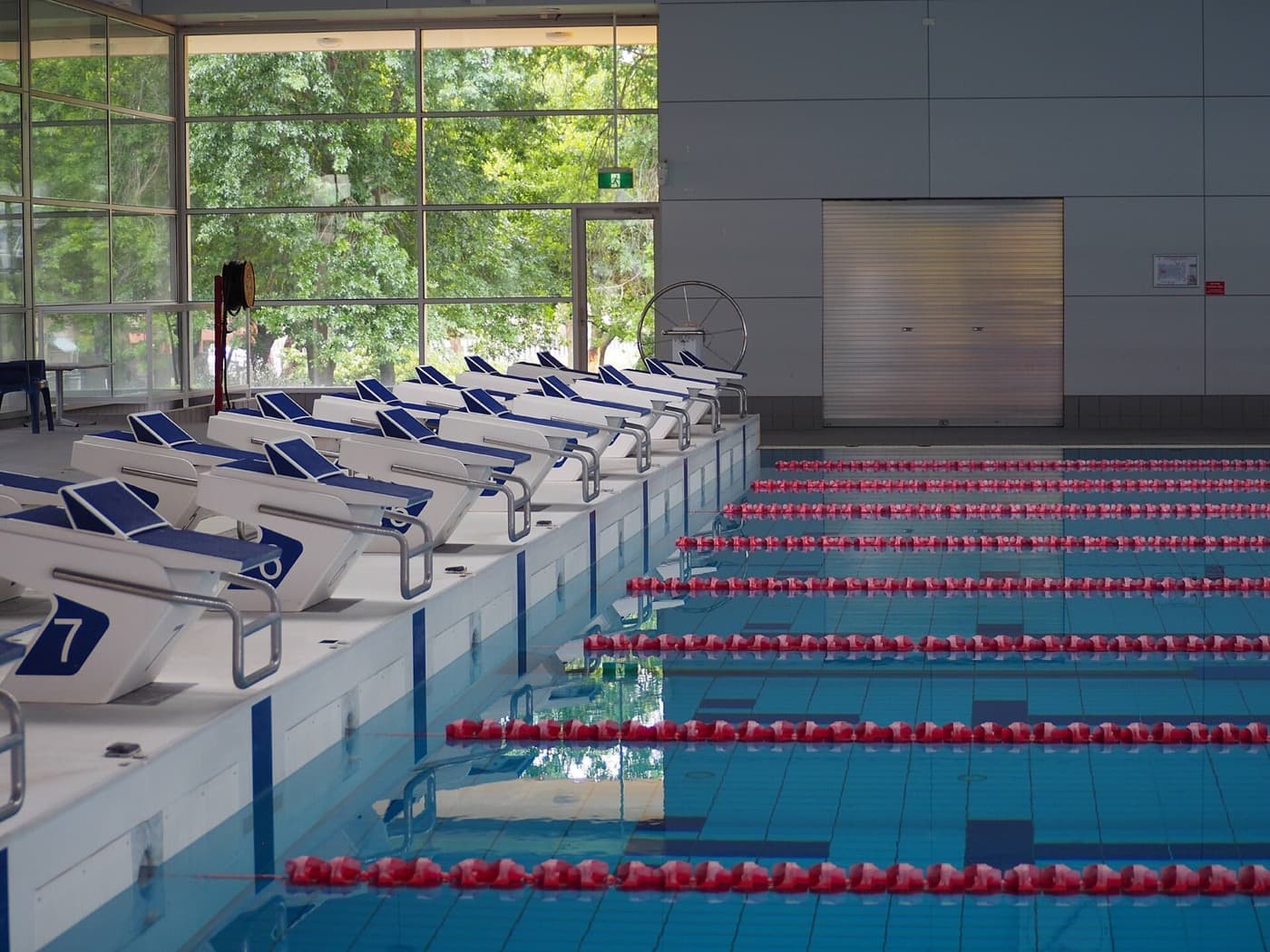
A full-body, low-impact endurance sport suitable for almost every age and ability.
Triathlon
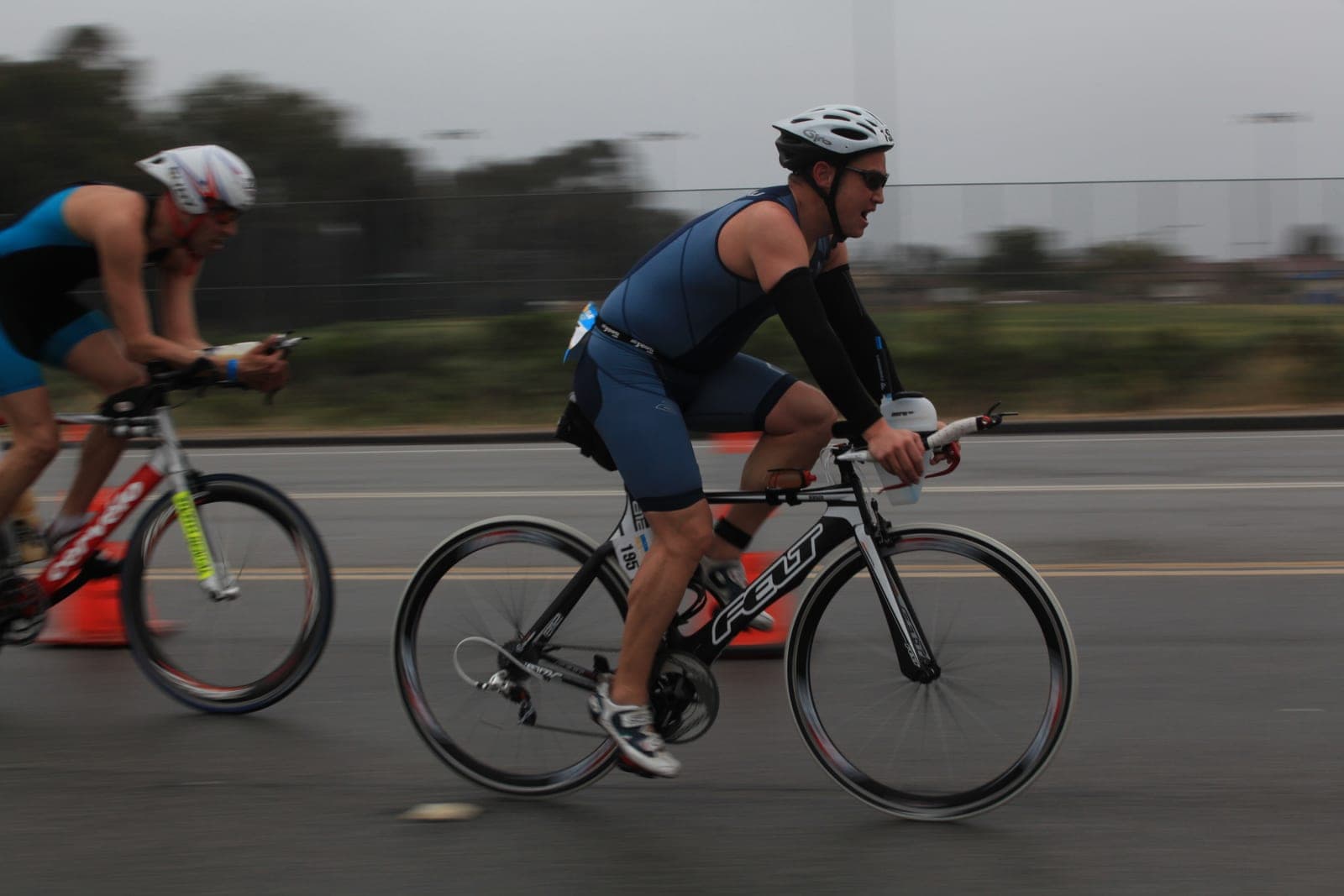
A multi-sport endurance event that links swimming, cycling and running into one continuous race.
Snorkeling
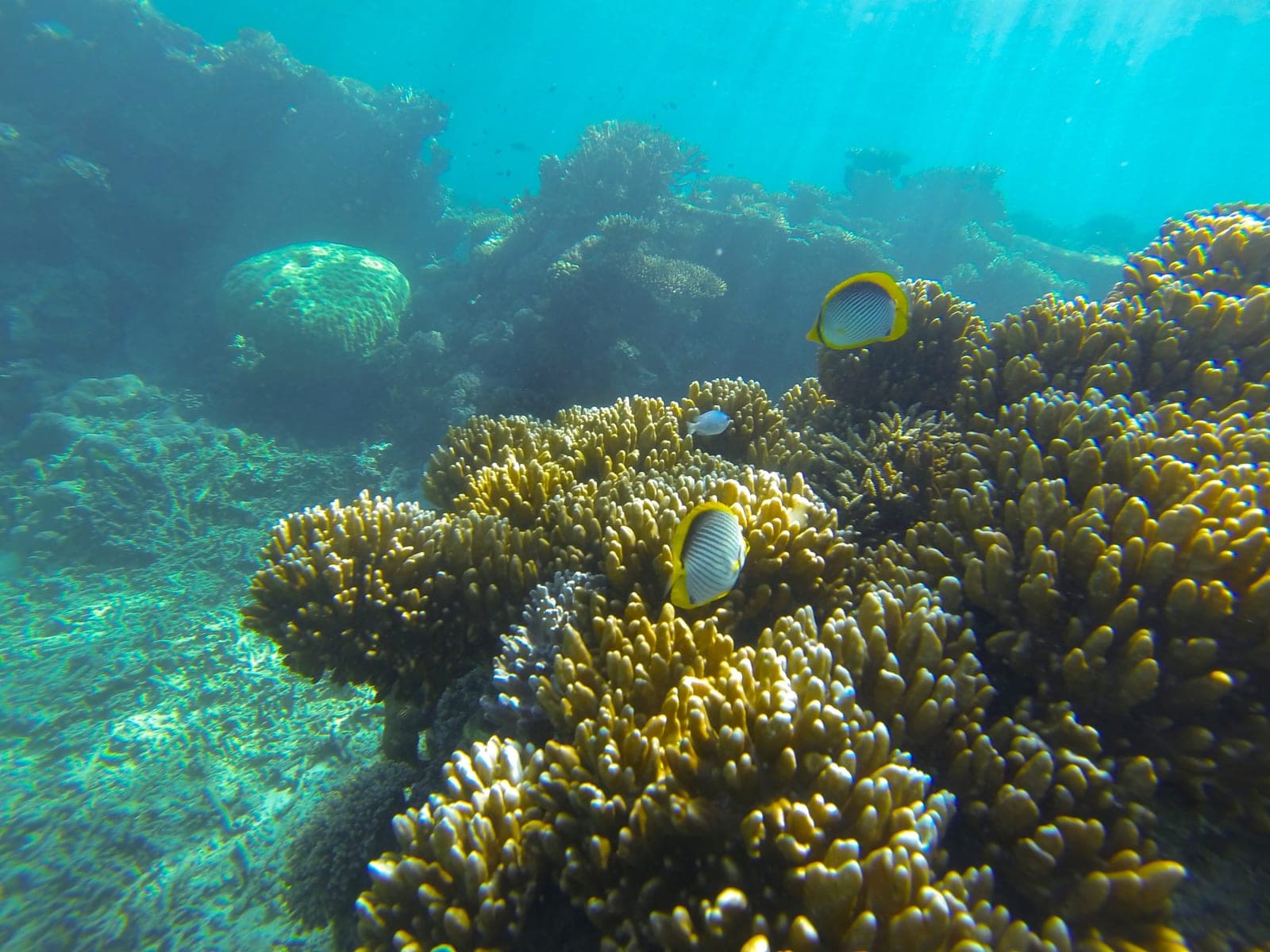
A relaxed way to observe underwater life while floating at the surface with a mask and breathing tube.
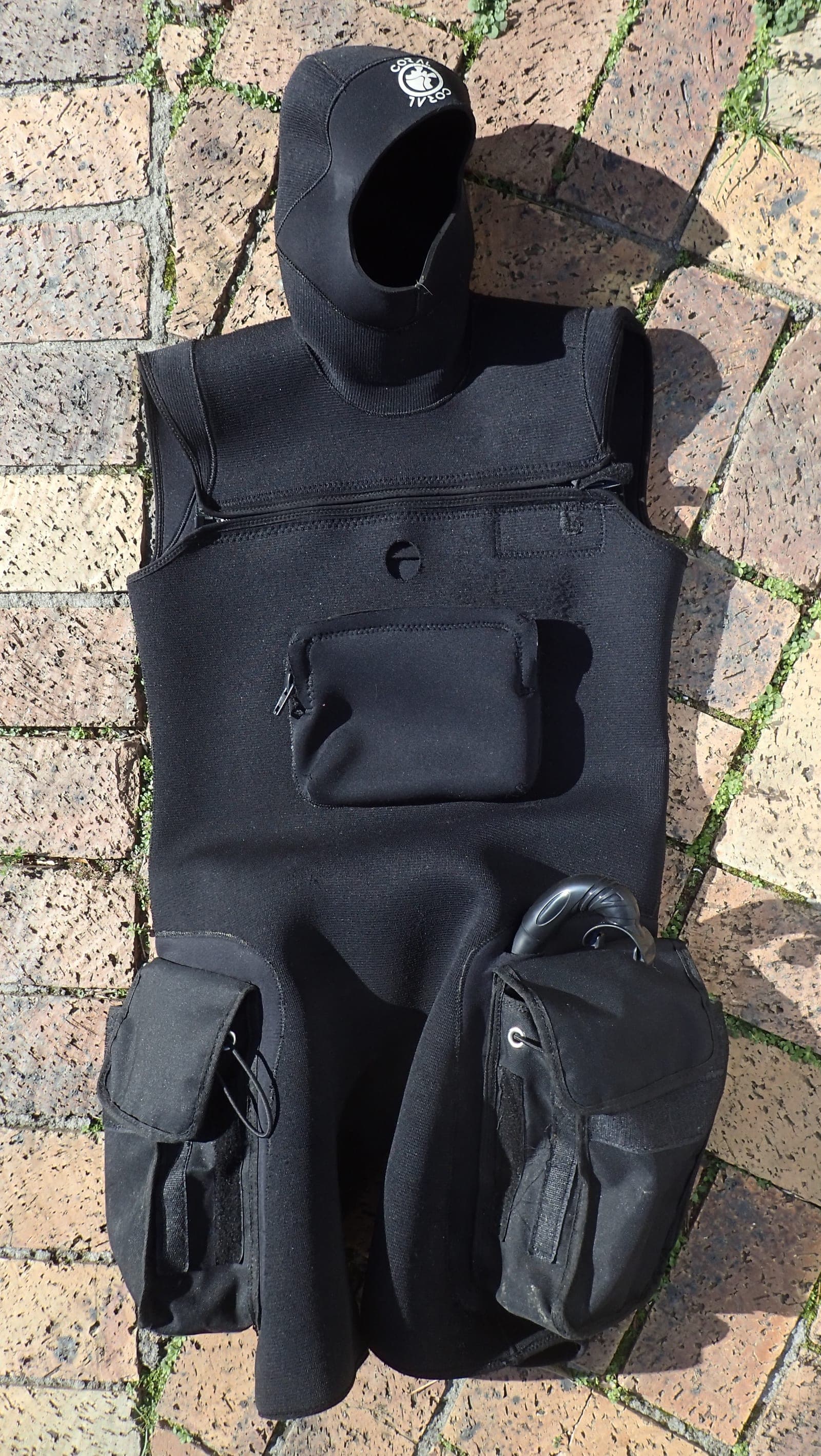
Scuba Diving
An underwater sport using breathing equipment to explore beneath the surface, always learned through qualified training.
Compare Open-Water Swimming with…
Deciding between Open-Water Swimming and something similar? See how they line up side by side.
Open-Water Swimming vs Scuba Diving
How they compare on difficulty, intensity, kit and what suits you.
Open-Water Swimming vs Snorkeling
How they compare on difficulty, intensity, kit and what suits you.
Open-Water Swimming vs Swimming
How they compare on difficulty, intensity, kit and what suits you.
Open-Water Swimming vs Triathlon
How they compare on difficulty, intensity, kit and what suits you.
Open-Water Swimming vs Water Polo
How they compare on difficulty, intensity, kit and what suits you.
Reach your goals with Open-Water Swimming
People take up Open-Water Swimming for all kinds of reasons. Here is what it can help you work towards.
Who & where Open-Water Swimming fits
Sport should fit your life. Here is who Open-Water Swimming suits and when it works.
How it connects
The meaning-bearing relationships that place Open-Water Swimming in the wider knowledge graph — each one with the reason it exists.
Alternative to
Comparable enough that people choose between them.
- Scuba DivingOpen-Water Swimming and Scuba Diving are close enough that the platform maintains a side-by-side comparison of them.
- SnorkelingOpen-Water Swimming and Snorkeling are close enough that the platform maintains a side-by-side comparison of them.
- SwimmingOpen-Water Swimming and Swimming are close enough that the platform maintains a side-by-side comparison of them.
- TriathlonOpen-Water Swimming and Triathlon are close enough that the platform maintains a side-by-side comparison of them.
- Water PoloOpen-Water Swimming and Water Polo are close enough that the platform maintains a side-by-side comparison of them.
Helps achieve
A recognised route towards these goals.
Explore across the knowledge base
Follow the threads that connect Open-Water Swimming to the rest of SocialSportHub.
Learning paths
- Learn Open-Water SwimmingA structured, educational learning path for open-water swimming — from the rules to skills, techniques, tactics and training.
- Learn SwimmingA structured, educational learning path for swimming — from the rules to skills, techniques, tactics and training.
- Learn Water PoloA structured, educational learning path for water polo — from the rules to skills, techniques, tactics and training.
Glossary
- WetsuitA wetsuit is a close-fitting neoprene suit worn in water sports to help keep the wearer warm in cold water.
- Wild CardA place in an event given at the organiser's discretion, or a playoff berth for a strong team that did not win its group.
- OffsideA rule that penalises an attacking player for being in an illegal forward position when the ball is played to them.
Experience levels
Skills Academy
Go deeper with Open-Water Swimming
Everywhere else on the platform that covers Open-Water Swimming — assembled from what actually references it, so nothing here is a dead end.
Learn it
Structured courses and paths on the platform that cover this directly.
Work it out
Deterministic calculators — real published formulas, no estimates dressed as data.
See it
Diagrams and step-through visualisations drawn for this subject.
Compare it
Head-to-head studies against the entities people actually weigh it against.
- Open-Water Swimming vs Scuba DivingSide by side on the qualities that differ.
- Open-Water Swimming vs SnorkelingSide by side on the qualities that differ.
- Open-Water Swimming vs SwimmingSide by side on the qualities that differ.
- Open-Water Swimming vs TriathlonSide by side on the qualities that differ.
- Open-Water Swimming vs Water PoloSide by side on the qualities that differ.
Kit it out
Equipment guidance drawn from the graph, with no brands and no affiliate links.
Take it away
Open data and the whole-platform view of this subject.
How this page is maintained
- Content type
- Sport
- Provenance
- Tier A — evergreen educational
- Verified external sources
- 0
- Content updated
- 2026-07-06
Evergreen, first-party explanation — it makes no claim that needs an external source. How we handle sources and reviews.
Keep going
A sport is most rewarding alongside good habits, sensible nutrition and people to share it with. Here is where to go next.
How movement supports body and mind.
Eat well to feel and perform better.
Build routines that stick.
Ways to meet others and play together.
Where to play and what to expect.
Browse the full list by category.