
Drafting rules
Rules that govern when a rider or athlete may sit in the slipstream of another to save energy.
Overview
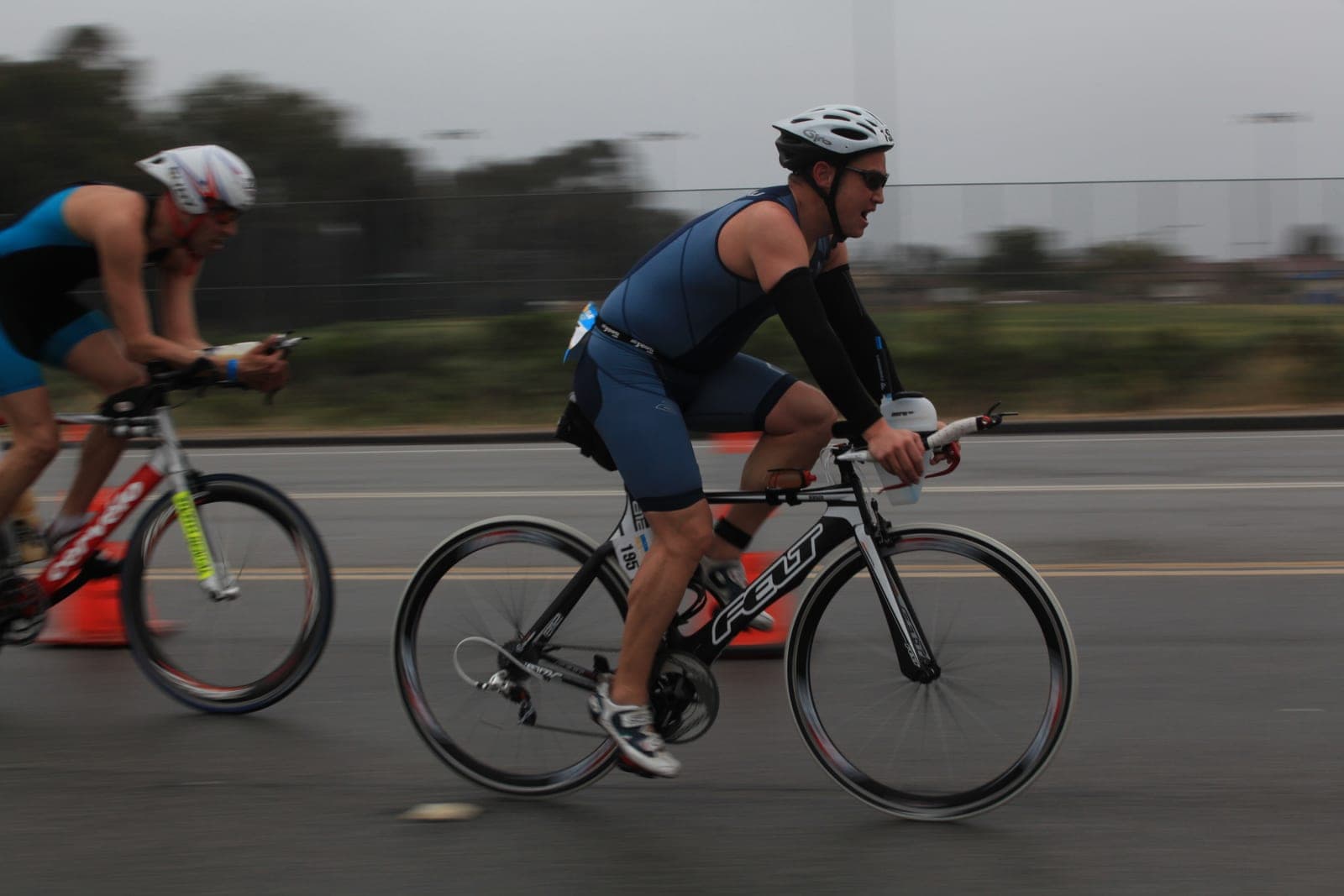
Drafting means riding or swimming close behind a competitor to shelter from wind or water resistance and save energy. In mass-start road cycling drafting is a core tactic, but in individual time trials and non-drafting triathlons it is forbidden and riders must keep a set distance apart.
Where drafting is banned, officials enforce a following distance and penalise athletes who tuck in behind a rival for too long. The rules balance fair energy use against tactical racing.
Key points
- Drafting shelters a rider or swimmer from resistance to save energy.
- Road-race cycling generally allows drafting as a tactic.
- Time trials and non-drafting triathlons forbid it.
- Where banned, athletes must keep a set following distance.
Where it’s used
Sports that use drafting rules:

Cycling
A low-impact endurance sport that doubles as transport, exercise and adventure.
Triathlon
A multi-sport endurance event that links swimming, cycling and running into one continuous race.
Open-Water Swimming
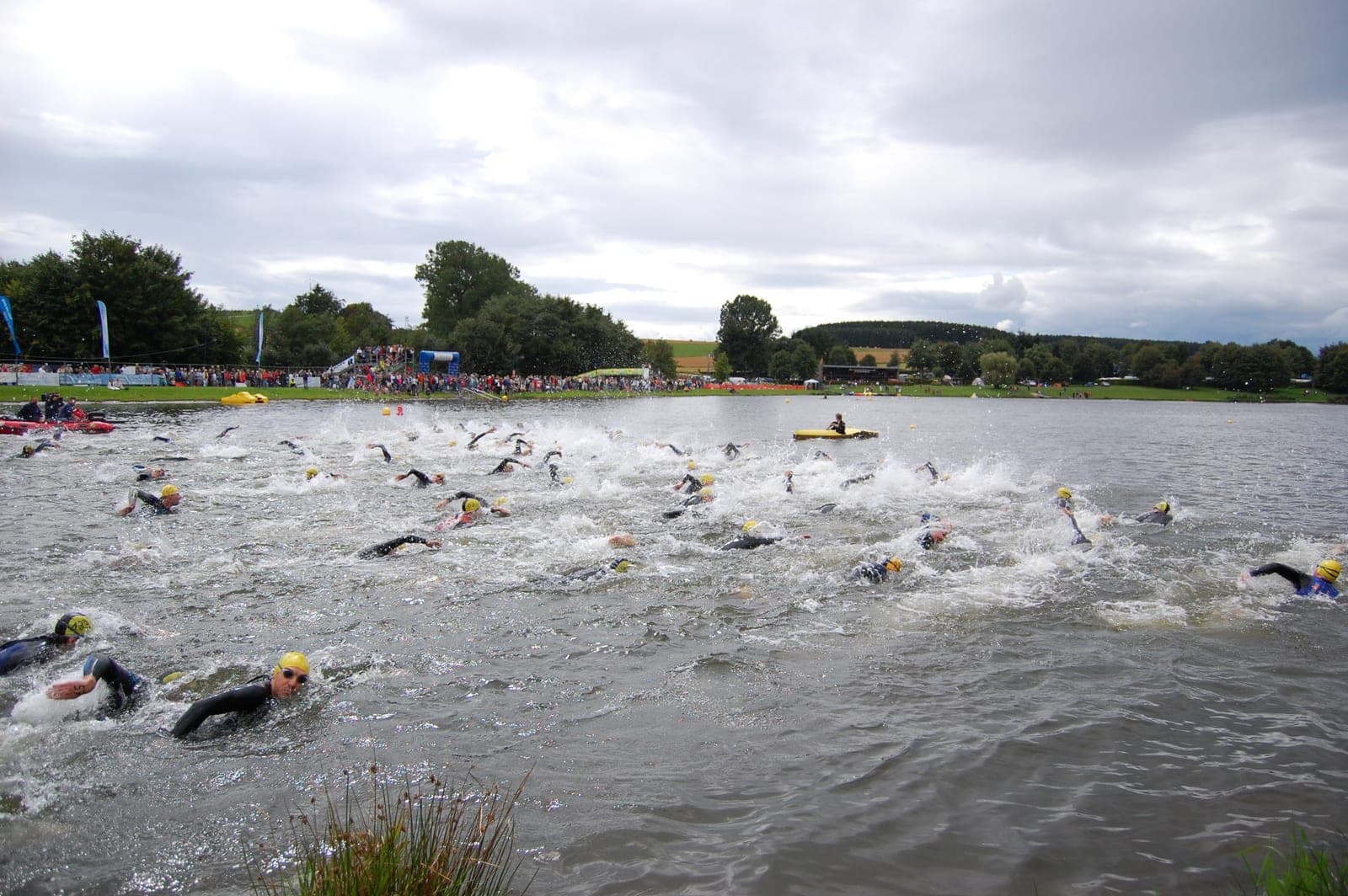
Swimming in lakes, rivers and the sea, blending endurance training with the experience of being out in nature.
How it connects
The meaning-bearing relationships that place Drafting rules in the wider knowledge graph — each one with the reason it exists.
Frequently learned together
Taught side by side in the same stage of a learning path.
- How cycling races are timed and placedBoth are taught in the “Get to know the game” stage of the Cycling learning path.
- How running races are timed and placedBoth are taught in the “Get to know the game” stage of the Triathlon learning path.
- How swimming races are timed and placedBoth are taught in the “Get to know the game” stage of the Triathlon learning path.
- Swimming stroke rulesBoth are taught in the “Get to know the game” stage of the Open-Water Swimming learning path.
Explore across the knowledge base
Follow the threads that connect Drafting rules to the rest of SocialSportHub.
Scoring systems
- How cycling races are timed and placedCycling races are decided either by who crosses the line first or by fastest time, and stage races add up cumulative times to rank riders overall.
- How running races are timed and placedRunning races are decided by finishing order and by elapsed time, measured precisely and settled by the moment a runner's torso crosses the line.
- How swimming races are timed and placedSwimming races are decided by elapsed time and finishing order, with electronic touchpads recording when each swimmer completes the distance.
Tactics
Disciplines
- Road CyclingRoad cycling covers riding and racing on paved roads, from mass-start races and time trials to multi-day stage events.
- Track CyclingTrack cycling is racing on a velodrome, an oval banked track, using fixed-gear bikes with no brakes across sprint and endurance events.
- Gravel CyclingGravel cycling is riding and racing on unpaved roads and mixed surfaces on a drop-bar bike, often over long distances and self-supported.
- Sprint DistanceSprint distance triathlon combines a short swim, bike, and run, making it a common entry point and a fast, higher-intensity racing format.
- Standard (Olympic) DistanceStandard, or Olympic, distance triathlon pairs a 1.5 km swim, 40 km bike, and 10 km run, and is the format contested at the Olympic Games.
Learning paths
- Learn CyclingA structured, educational learning path for cycling — from the rules to skills, techniques, tactics and training.
- Learn TriathlonA structured, educational learning path for triathlon — from the rules to skills, techniques, tactics and training.
- Learn Open-Water SwimmingA structured, educational learning path for open-water swimming — from the rules to skills, techniques, tactics and training.
Go deeper with Drafting rules
Everywhere else on the platform that covers Drafting rules — assembled from what actually references it, so nothing here is a dead end.
Learn it
Structured courses and paths on the platform that cover this directly.
Take it away
Open data and the whole-platform view of this subject.
How this page is maintained
- Content type
- Rule
- Provenance
- Tier A — evergreen educational
- Verified external sources
- 0
- Content updated
- 2026-09-12
Evergreen, first-party explanation — it makes no claim that needs an external source. How we handle sources and reviews.