
Breakaway
A situation where an attacker gets clear of the defenders and races toward the goal with few or no opponents in the way.
Definition
A breakaway occurs when an attacking player breaks free of the defence and heads toward the goal or basket with little resistance. It usually creates a strong scoring chance because the attacker faces only the goalkeeper or a small number of defenders.
The term is common in ice hockey and football, and a similar idea appears in cycling, where a rider or small group pulls clear of the main pack. In each case a breakaway is about gaining separation and turning it into an advantage.
Where you’ll hear “breakaway”
Sports that use this term:
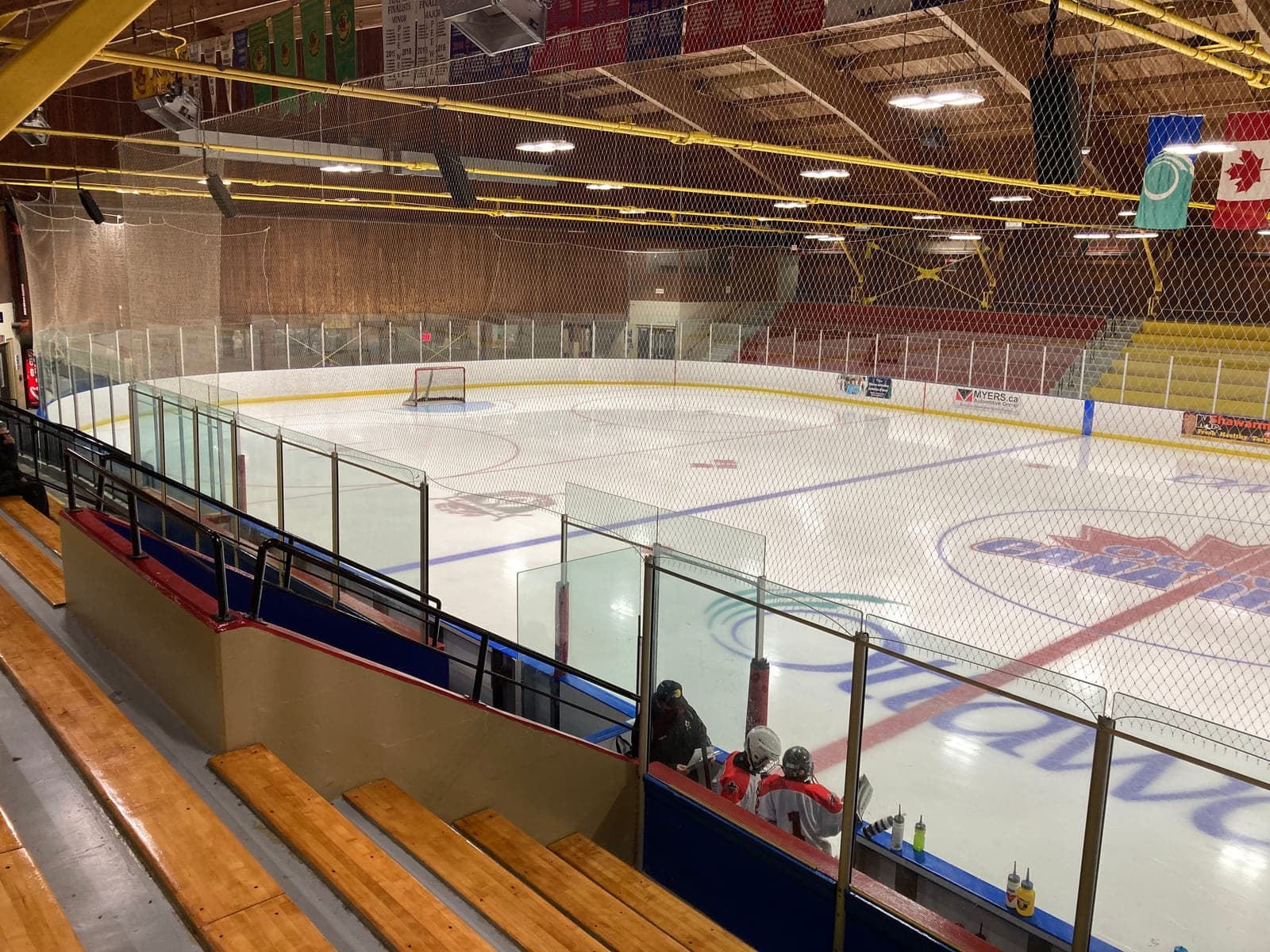
Ice Hockey
A fast team sport on ice that combines skating skill with quick passing and goal-scoring.

Football
The world’s most popular team sport — endless running, teamwork and community in one game.
Cycling
A low-impact endurance sport that doubles as transport, exercise and adventure.
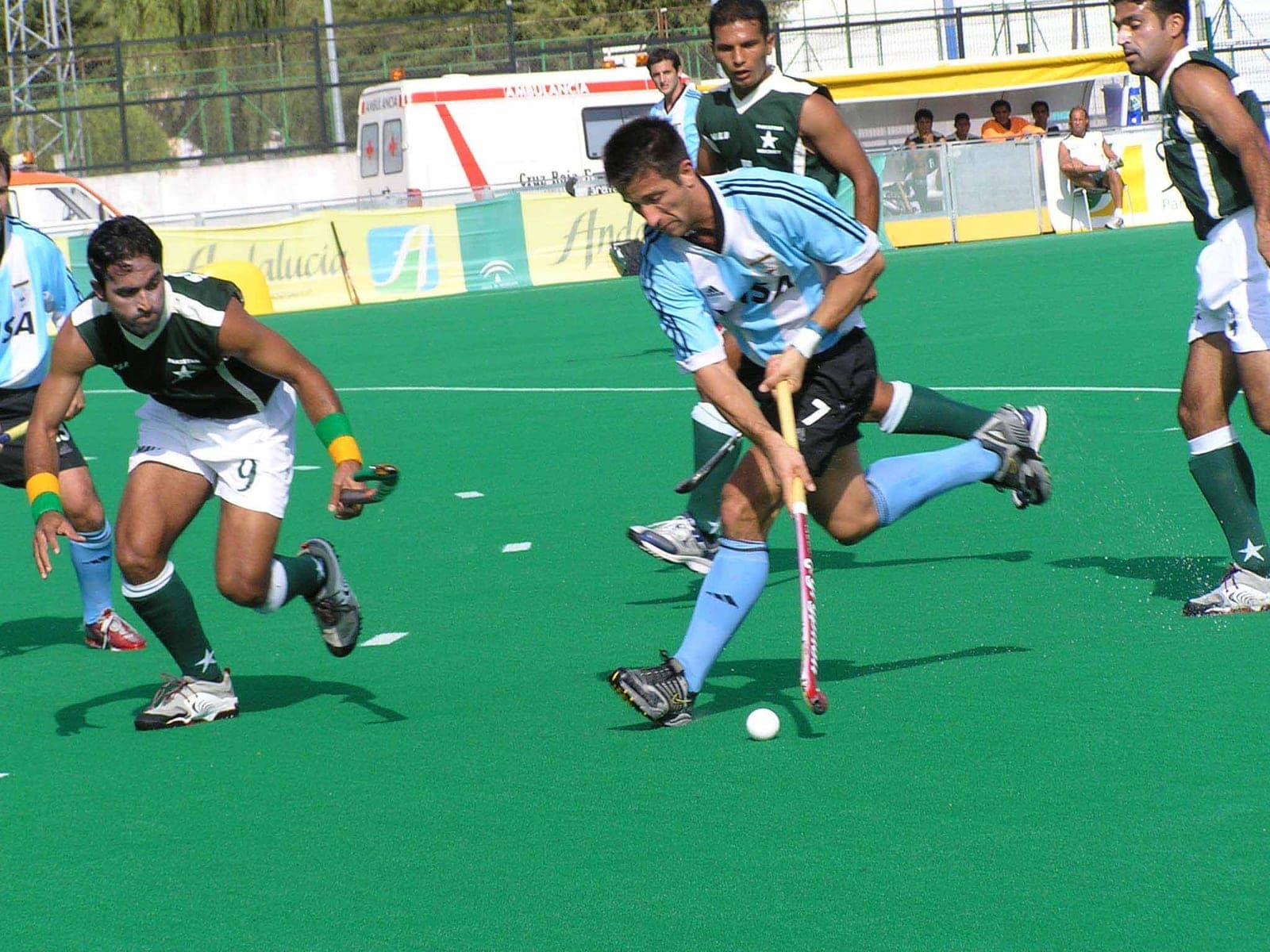
Field Hockey
An outdoor team sport that uses curved sticks to move a ball, built on agility and teamwork.
How it connects
The meaning-bearing relationships that place Breakaway in the wider knowledge graph — each one with the reason it exists.
Commonly confused with
Close enough to be mixed up — the distinction is worth knowing.
Explore across the knowledge base
Follow the threads that connect Breakaway to the rest of SocialSportHub.
Equipment
- Road bikeA lightweight bicycle built for speed and efficiency on paved surfaces.
- The goal and the creaseThe net a hockey team defends and the protected area in front of it — the exact goal dimensions, what the crease area includes, and why goaltender contact so often disallows a goal.
- Hockey stickA curved-headed stick used to control, pass and shoot the ball or puck in hockey.
Rules
- Drafting rulesRules that govern when a rider or athlete may sit in the slipstream of another to save energy.
- OffsideA rule that prevents an attacker from gaining an advantage by being positioned too close to the opponents' goal ahead of the ball and the last defenders.
- Ice hockey penaltiesHow hockey punishes infractions by putting a player in the box — minor, double-minor, major, misconduct and game misconduct — and which ones end early when a goal is scored.
- Off-side in ice hockeyThe rule that stops attackers waiting in the attacking zone — where exactly the blue line is crossed, why skates and not sticks decide it, and what a delayed off-side means.
- Lane disciplineThe rule that competitors must stay within their assigned lane in lane-based races.
Skills
Tactics
- Counter-attackWinning the ball and moving forward at speed to attack before the opponent can reorganise their defence.
- DraftingRiding, running or swimming close behind another competitor to save energy in their slipstream.
- Breakaway and pelotonThe cycling tension between the main pack riding together and small groups that break clear to gain time.
- Offside trapA defensive football tactic where the back line steps up together to leave an attacker offside.
- High pressA football tactic where a team hunts the ball high up the pitch to win it back close to the opponent’s goal.
Facilities
- VelodromeA steeply banked oval track for track cycling, with sloped bends that let riders hold high speeds through the turns.
- The ice hockey rinkThe dimensions and markings of an IIHF ice hockey rink — length, width, corner radius, the blue and centre lines, the goal lines and the face-off circles, with the line widths the rule book specifies.
- Ice rinkA sheet of prepared ice, usually rink-boarded with rounded corners, used for skating and ice sports.
Go deeper with Breakaway
Everywhere else on the platform that covers Breakaway — assembled from what actually references it, so nothing here is a dead end.
Take it away
Open data and the whole-platform view of this subject.
How this page is maintained
- Content type
- Term
- Provenance
- Tier A — evergreen educational
- Verified external sources
- 0
- Content updated
- 2026-09-01
Evergreen, first-party explanation — it makes no claim that needs an external source. How we handle sources and reviews.