
Drafting
Riding, running or swimming closely behind another competitor to sit in their slipstream and save energy.
Definition
Drafting, also called slipstreaming, means positioning yourself directly behind another athlete so they break the air, or water, resistance for you. The leader does more work pushing through the air, while those behind expend noticeably less energy at the same speed.
It is a major factor in cycling, where riders form pacelines and rotate the lead, and it also matters in some running events and in open-water and triathlon swimming. Because drafting saves energy, deciding when and behind whom to draft is an important strategic choice, and some events restrict or ban it in individual disciplines.
Scope: This entry covers drafting in the sense of slipstreaming behind another competitor. In North American team sports, 'the draft' separately refers to the system by which teams select new players, which is a different concept.
Where you’ll hear “drafting”
Sports that use this term:
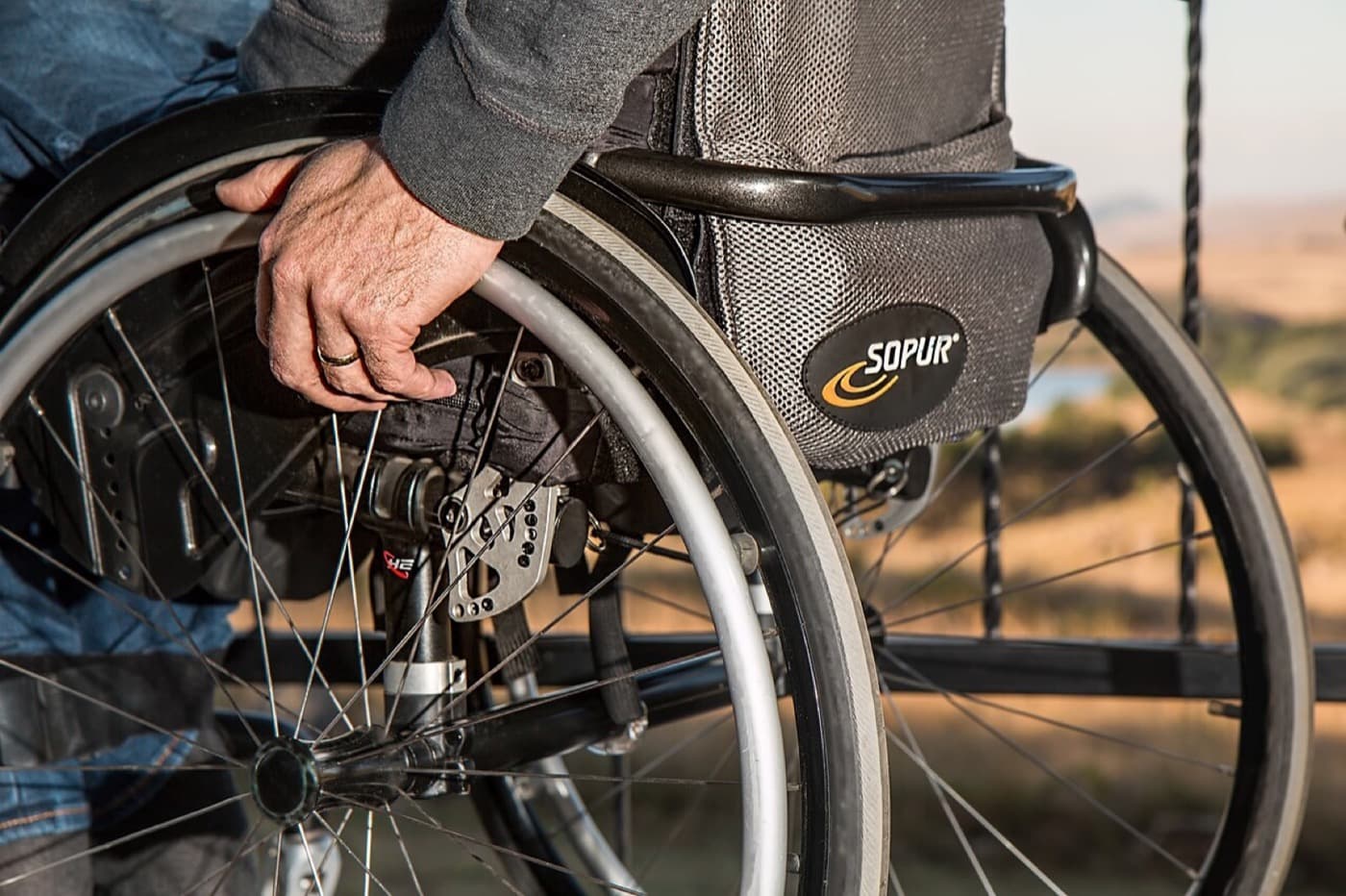
Cycling
A low-impact endurance sport that doubles as transport, exercise and adventure.
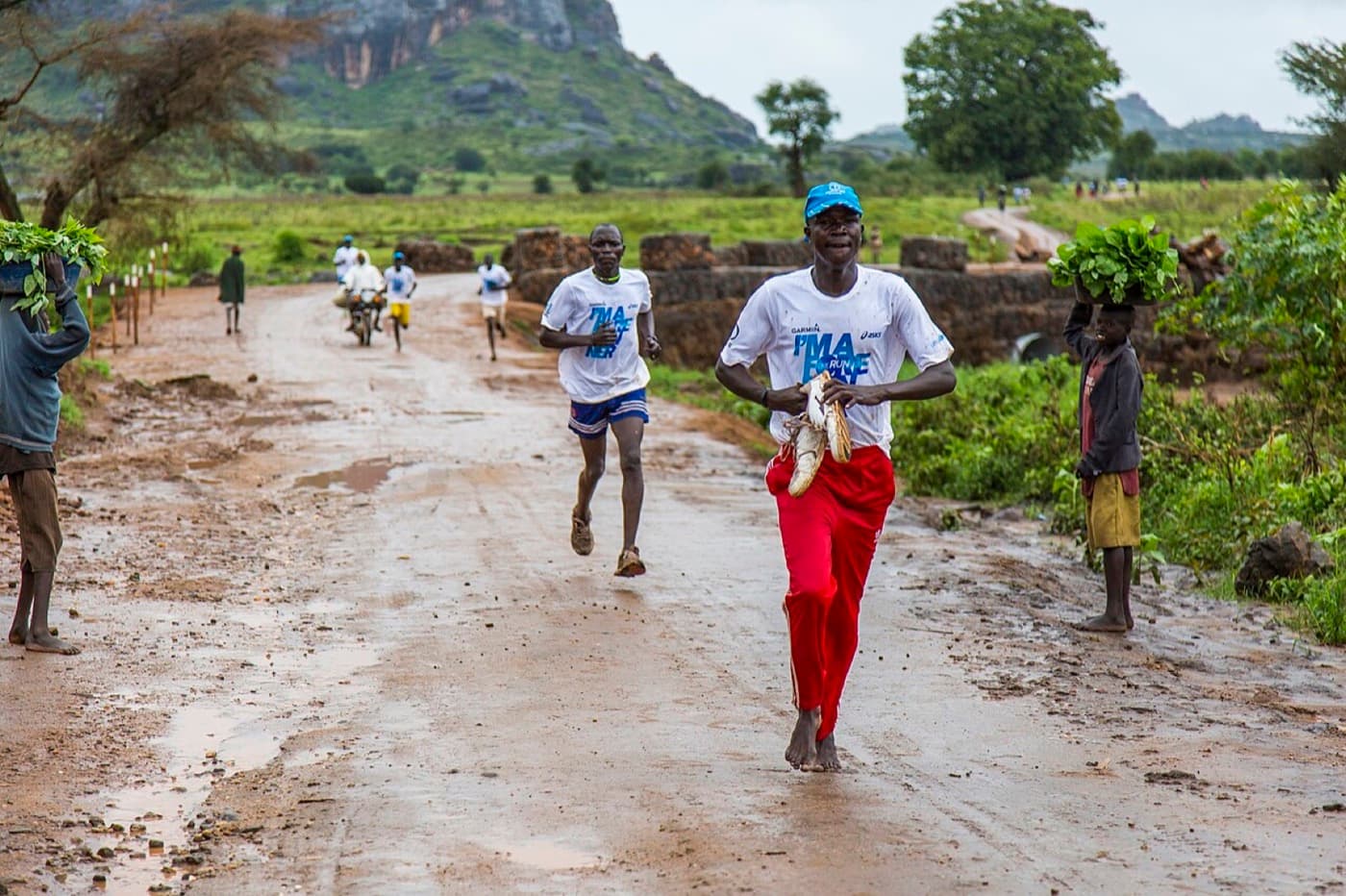
Running
The most accessible endurance sport — no venue, just shoes and the open road or trail.
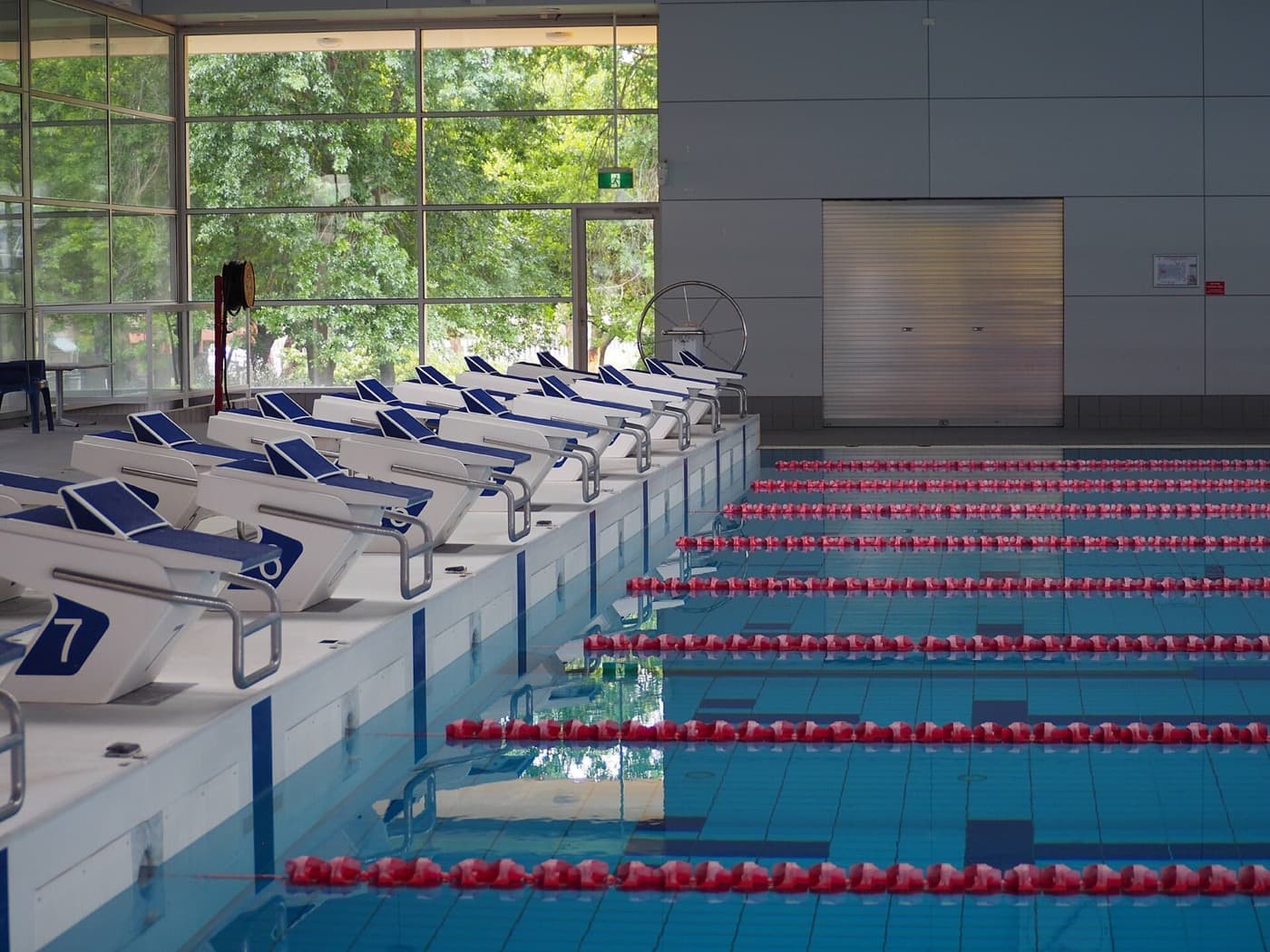
Swimming
A full-body, low-impact endurance sport suitable for almost every age and ability.
Speed Skating
A racing sport on long-bladed skates, powering around an ice oval or tight indoor track with long, rhythmic strides.
Explore across the knowledge base
Follow the threads that connect Drafting to the rest of SocialSportHub.
Go deeper with Drafting
Everywhere else on the platform that covers Drafting — assembled from what actually references it, so nothing here is a dead end.
Take it away
Open data and the whole-platform view of this subject.
How this page is maintained
- Content type
- Term
- Provenance
- Tier A — evergreen educational
- Verified external sources
- 0
- Content updated
- 2026-09-01
Evergreen, first-party explanation — it makes no claim that needs an external source. How we handle sources and reviews.