
Pacing strategy
Planning how to distribute effort across a race so energy lasts the full distance without fading.
Overview
A pacing strategy is the plan for how hard to go and when, so that an athlete spreads their effort sensibly across a race rather than starting too fast and slowing badly at the end.
Even pacing, a controlled start, or holding back to finish strong are all common approaches. Good pacing matches effort to fitness and distance, and is central to endurance sports where judging effort decides the outcome.
Key points
- The aim is to distribute effort so energy lasts to the finish line.
- Even pacing holds a steady, sustainable effort throughout the race.
- Going out too fast early is a common cause of fading badly later on.
- Tempo efforts and interval training help an athlete learn their sustainable pace.
- The right strategy depends on the distance, the course and the athlete’s fitness.
Where it’s used
Sports that use pacing strategy:

Running
The most accessible endurance sport — no venue, just shoes and the open road or trail.

Swimming
A full-body, low-impact endurance sport suitable for almost every age and ability.
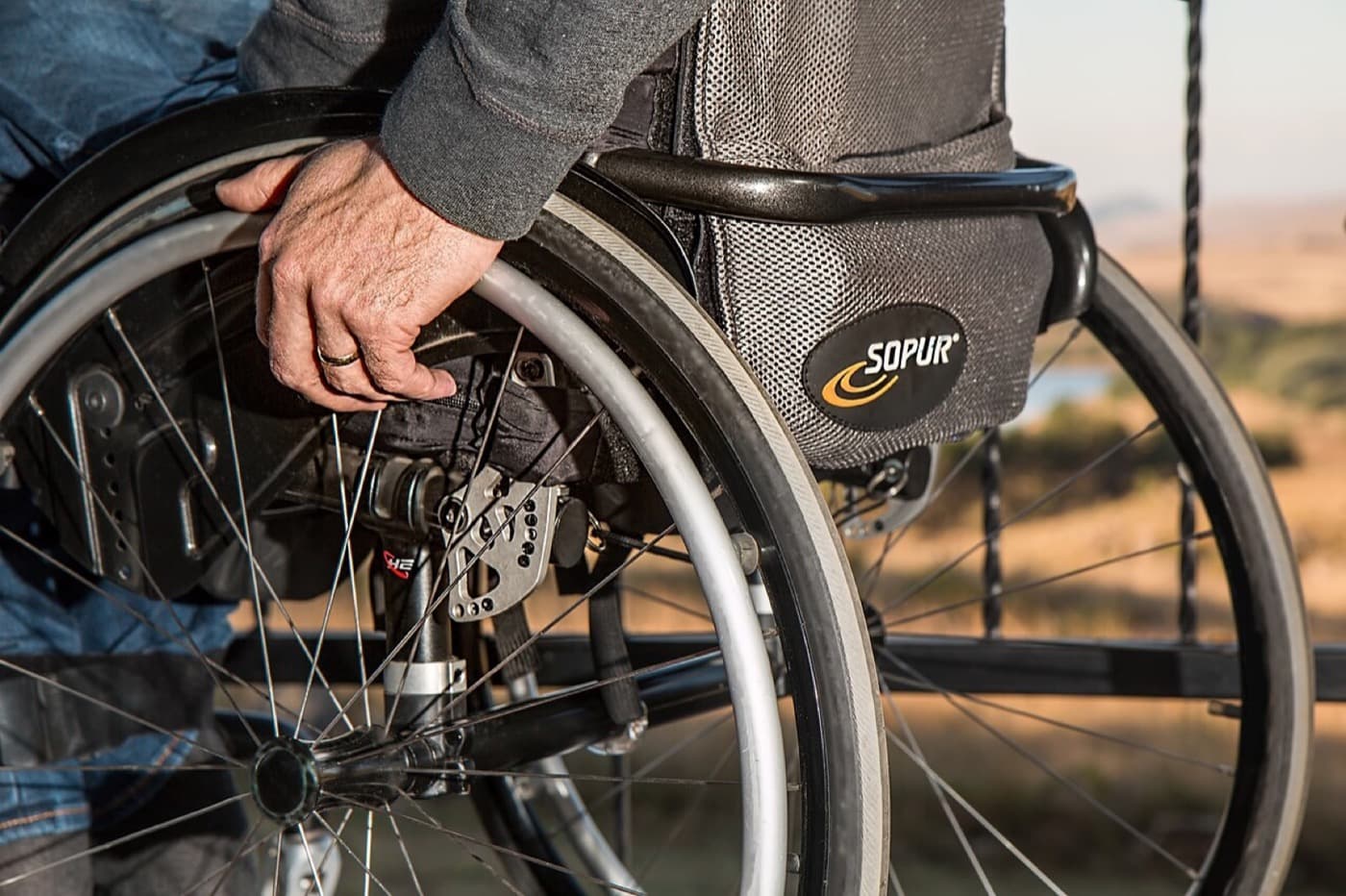
Cycling
A low-impact endurance sport that doubles as transport, exercise and adventure.
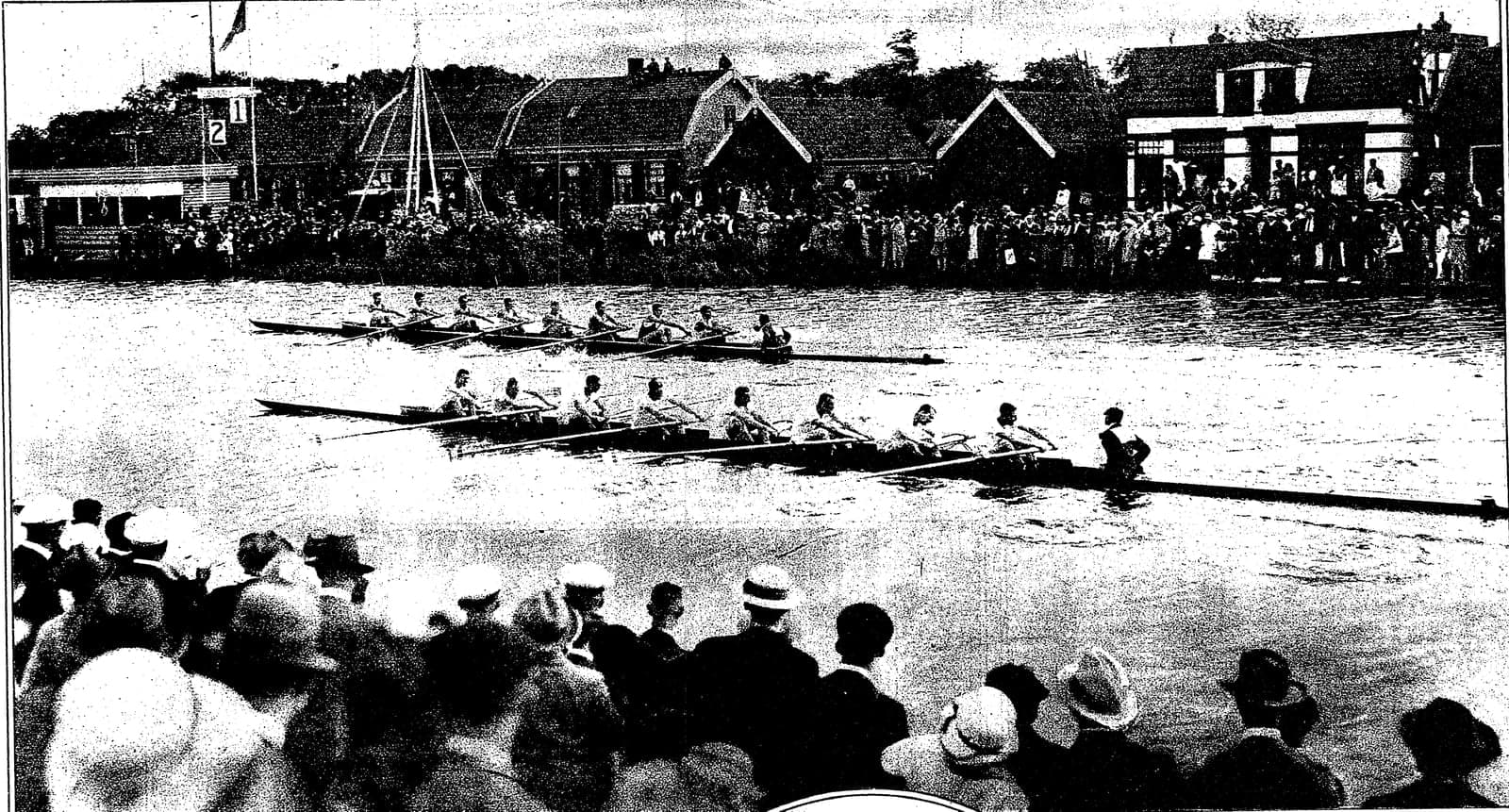
Rowing
A rhythmic, full-body endurance sport on the water or on an indoor machine.
Related tactics
Drafting
Riding, running or swimming close behind another competitor to save energy in their slipstream.
Negative split
A pacing tactic where an athlete covers the second half of a race faster than the first.
Breakaway and peloton
The cycling tension between the main pack riding together and small groups that break clear to gain time.
How it connects
The meaning-bearing relationships that place Pacing strategy in the wider knowledge graph — each one with the reason it exists.
Frequently learned together
Taught side by side in the same stage of a learning path.
- DraftingBoth are taught in the “Understand tactics & strategy” stage of the Running learning path.
- Negative splitBoth are taught in the “Understand tactics & strategy” stage of the Running learning path.
- Interval-training strategyBoth are taught in the “Understand tactics & strategy” stage of the Running learning path.
- Pacing and Energy ManagementBoth are taught in the “Understand tactics & strategy” stage of the Running learning path.
- Adapting to ConditionsBoth are taught in the “Understand tactics & strategy” stage of the Running learning path.
Explore across the knowledge base
Follow the threads that connect Pacing strategy to the rest of SocialSportHub.
Strategies
- Pacing and Energy ManagementPacing and energy management is the overarching plan for distributing a limited supply of physical effort across an event so you avoid fading early and finish strong.
- Adapting to ConditionsAdapting to conditions is the strategy of shaping your game plan around the venue, surface, weather, altitude and home-or-away setting you face.
- Tapering and PeakingTapering and peaking is the strategy of easing training load before a key event so fitness stays high while fatigue clears, timing peak form for the day itself.
- Controlling TempoControlling tempo is the strategy of dictating the pace and rhythm of play — speeding up or slowing down — to suit your strengths and unsettle opponents.
Playing surfaces
- Synthetic trackAn all-weather rubberised athletics running surface — firm, springy and high-grip — giving sprinters and distance runners fast, consistent, predictable footing.
- GravelLoose crushed stone over a firm base — an unpaved middle ground between smooth road and rough trail, ridden and run for variable grip and steady pace.
- SnowCompacted or natural snow on slopes and trails — a low-friction surface built for gliding, where skis, boards and runners slide fast over frozen ground.
- Road (Tarmac / Asphalt)Paved tarmac or asphalt: a firm, smooth, predictable surface that rewards steady pace and rhythm — the ground for road running, cycling and race-walking.
- TrailNatural off-road terrain of dirt, rock, roots, grass and mud that varies constantly and rewards surefootedness in trail running, mountain biking and hiking.
Learning paths
- Learn RunningA structured, educational learning path for running — from the rules to skills, techniques, tactics and training.
- Learn CyclingA structured, educational learning path for cycling — from the rules to skills, techniques, tactics and training.
- Learn SwimmingA structured, educational learning path for swimming — from the rules to skills, techniques, tactics and training.
Decision making
Go deeper with Pacing strategy
Everywhere else on the platform that covers Pacing strategy — assembled from what actually references it, so nothing here is a dead end.
Learn it
Structured courses and paths on the platform that cover this directly.
How this page is maintained
- Content type
- Tactic
- Provenance
- Tier A — evergreen educational
- Verified external sources
- 0
- Content updated
- 2026-09-12
Evergreen, first-party explanation — it makes no claim that needs an external source. How we handle sources and reviews.