
Gravel
Loose crushed stone over a firm base — an unpaved middle ground between smooth road and rough trail, ridden and run for variable grip and steady pace.
Overview
Gravel is an unpaved surface made of loose crushed stone spread over a compacted base. It forms the roads, farm tracks and shared paths that sit between smooth sealed tarmac and rough natural trail: the base underneath is firm and stable, while the top layer of small stones stays loose and mobile. Coverage varies from a thin scatter over hardpack to deep, freshly laid stone, and the exact feel shifts with the size of the stone, how well it is packed, and recent weather and traffic.
Because it is firm but loose, gravel rolls and runs slower than a paved road and gives less consistent grip. A well-packed line can feel almost road-like, while loose or deep patches shift underfoot and underwheel, so cornering, braking and quick changes of direction all need more care and a smoother, more controlled touch. The surface rewards reading the ground and picking the firmest line, along with steady balance and handling. It is most associated with gravel cycling but is also widely used for running and walking on paths and tracks.
How it plays
- Pace is moderate but inefficient: higher rolling resistance and loose stone sap speed compared with smooth road, so effort translates into less momentum, especially through deep or freshly laid sections.
- Grip and footing are variable — a packed line holds well, but loose or deep gravel can slide and slip, so traction cannot be taken for granted when turning, braking or pushing off.
- The surface is unpaved and slightly giving, and small stones and washboard ripples create vibration and chatter that riders and runners have to absorb.
- Line choice matters: reading the ground and following the firmest, most-travelled line is faster and more stable than ploughing through loose, uneven stone.
- Conditions change with weather and use — dry gravel turns dusty and loose on top, wet gravel can firm up or turn muddy, and deep fresh stone is always the slowest and least predictable.
Where it’s used
Sports that use gravel:

Cycling
A low-impact endurance sport that doubles as transport, exercise and adventure.
Mountain Biking
An off-road cycling sport ridden on rugged trails, mixing endurance, bike handling and outdoor adventure.
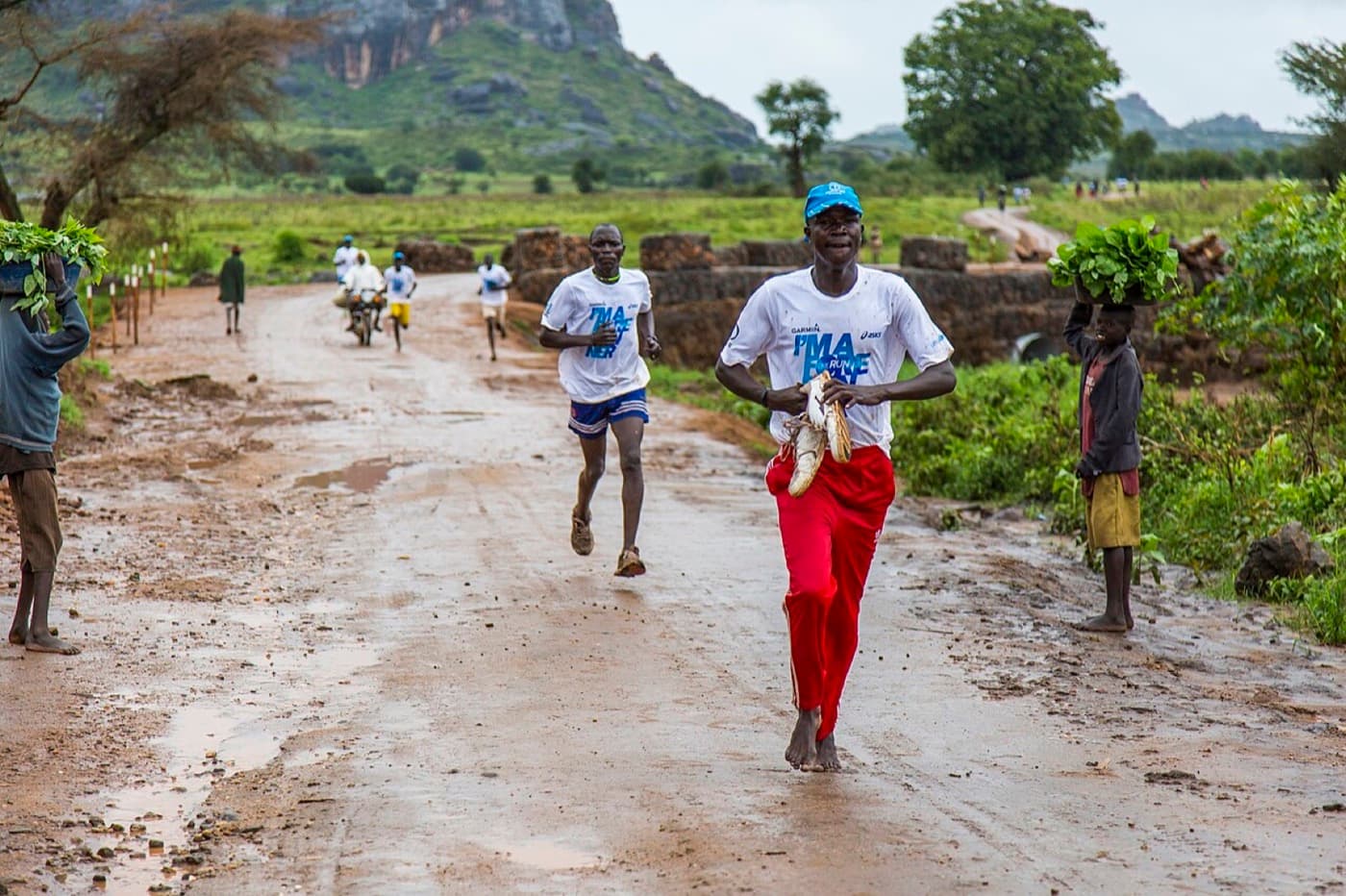
Trail Running
Running off-road on trails, hills and natural terrain, away from pavements and traffic.
Running
The most accessible endurance sport — no venue, just shoes and the open road or trail.

Hiking
An accessible outdoor sport of walking natural trails and hills at your own pace, solo or in a group.
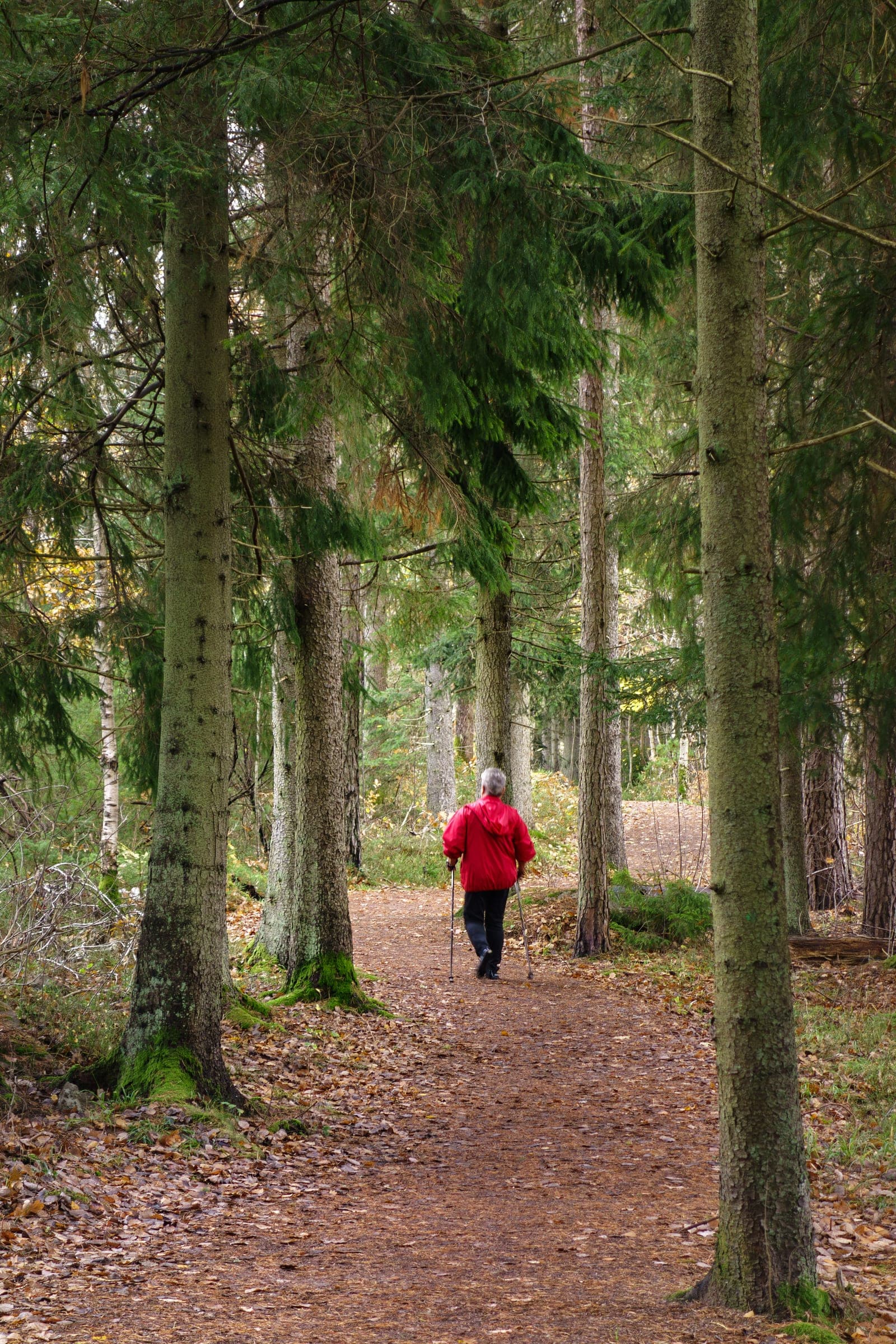
Nordic Walking
A gentle, accessible endurance activity that adds poles to bring the upper body into every walk.
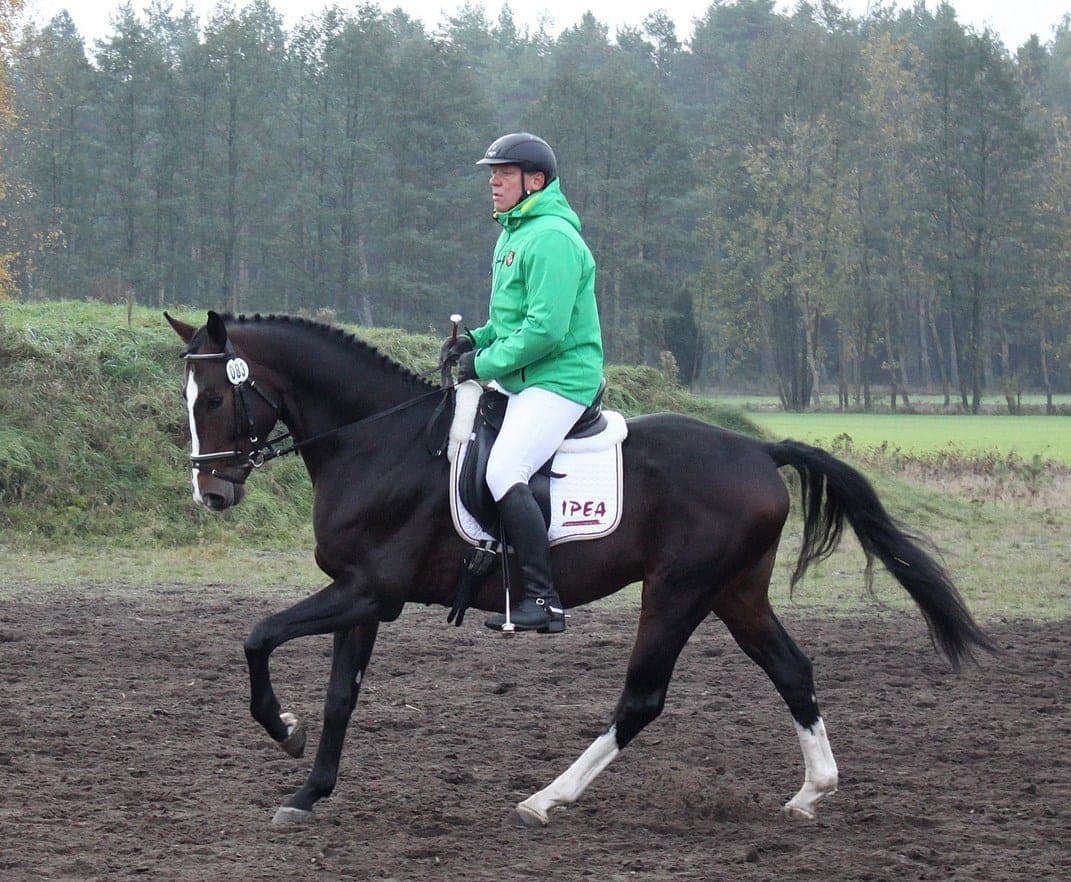
Horse Riding
An equestrian sport of riding and working with a horse, building balance, core control and a partnership with the animal.
Related playing surfaces
Synthetic track
An all-weather rubberised athletics running surface — firm, springy and high-grip — giving sprinters and distance runners fast, consistent, predictable footing.
Wood
An indoor sprung timber or parquet floor — grippy, consistent and lightly cushioned; the classic surface for indoor court sports.
Sand
Loose beach sand: a soft, shifting, energy-sapping surface with no true bounce that rewards balance and footwork, used for beach sports and conditioning.
How it connects
The meaning-bearing relationships that place Gravel in the wider knowledge graph — each one with the reason it exists.
Frequently learned together
Taught side by side in the same stage of a learning path.
- Running shoesBoth are taught in the “What you’ll need” stage of the Running learning path.
- Water bottleBoth are taught in the “What you’ll need” stage of the Running learning path.
- Athletics trackBoth are taught in the “What you’ll need” stage of the Running learning path.
- Synthetic trackBoth are taught in the “What you’ll need” stage of the Running learning path.
- SandBoth are taught in the “What you’ll need” stage of the Running learning path.
Explore across the knowledge base
Follow the threads that connect Gravel to the rest of SocialSportHub.
Equipment
- Running shoesCushioned footwear designed for the repetitive forward motion of running.
- Water bottleA refillable bottle for carrying drinks and staying hydrated during sport.
- Mountain bikeA rugged bicycle built for rough, off-road terrain, with wide knobbly tyres, low gearing and suspension to absorb uneven ground.
- Bike helmetA hard-shelled head covering worn while cycling, built to absorb a single significant impact and be replaced afterwards.
- Golf gloveA thin leather or synthetic glove worn on the lead hand to steady the grip.
Skills
Techniques
- Cycling CadenceThe technique of pedalling at a smooth, steady rhythm and choosing a gear that keeps the legs turning efficiently.
- Pace bowlingWhat fast bowling is actually for — how speed reduces a batter's reaction time, what the short ball and the yorker each achieve, and how a pace attack uses length as its main variable.
- Running FormThe efficient posture and stride mechanics of distance running, keeping the body relaxed and the cadence smooth.
Disciplines
- Gravel CyclingGravel cycling is riding and racing on unpaved roads and mixed surfaces on a drop-bar bike, often over long distances and self-supported.
- Middle Distance (70.3)Middle distance triathlon, widely known as 70.3, covers a 1.9 km swim, 90 km bike, and a 21.1 km half-marathon run.
- CyclocrossCyclocross is lap racing on a short off-road circuit of grass, mud, and sand, where riders often dismount to carry the bike over obstacles.
Go deeper with Gravel
Everywhere else on the platform that covers Gravel — assembled from what actually references it, so nothing here is a dead end.
Learn it
Structured courses and paths on the platform that cover this directly.
How this page is maintained
- Content type
- Playing surface
- Provenance
- Tier A — evergreen educational
- Verified external sources
- 0
- Content updated
- 2026-09-12
Evergreen, first-party explanation — it makes no claim that needs an external source. How we handle sources and reviews.