
Balance
The skill of keeping the body stable and controlled while still or moving.
Overview
Balance is the ability to control the body’s position, keeping steady whether holding a pose, standing on a moving board or shifting weight through a movement. It underpins almost every physical activity.
Good balance comes from a strong, engaged core, an awareness of where the body is in space and small, constant adjustments. It is trained directly in disciplines like yoga and pilates and used everywhere from surfing to cycling.
Key points
- A stable base and an engaged core are the foundation of good balance.
- A steady gaze on a fixed point helps hold a position.
- Balance is dynamic: it relies on constant small adjustments, not stillness.
- It is trained directly through disciplines like yoga, pilates and tai chi.
- Better balance improves control and confidence across many sports.
Where it’s used
Sports that use balance:
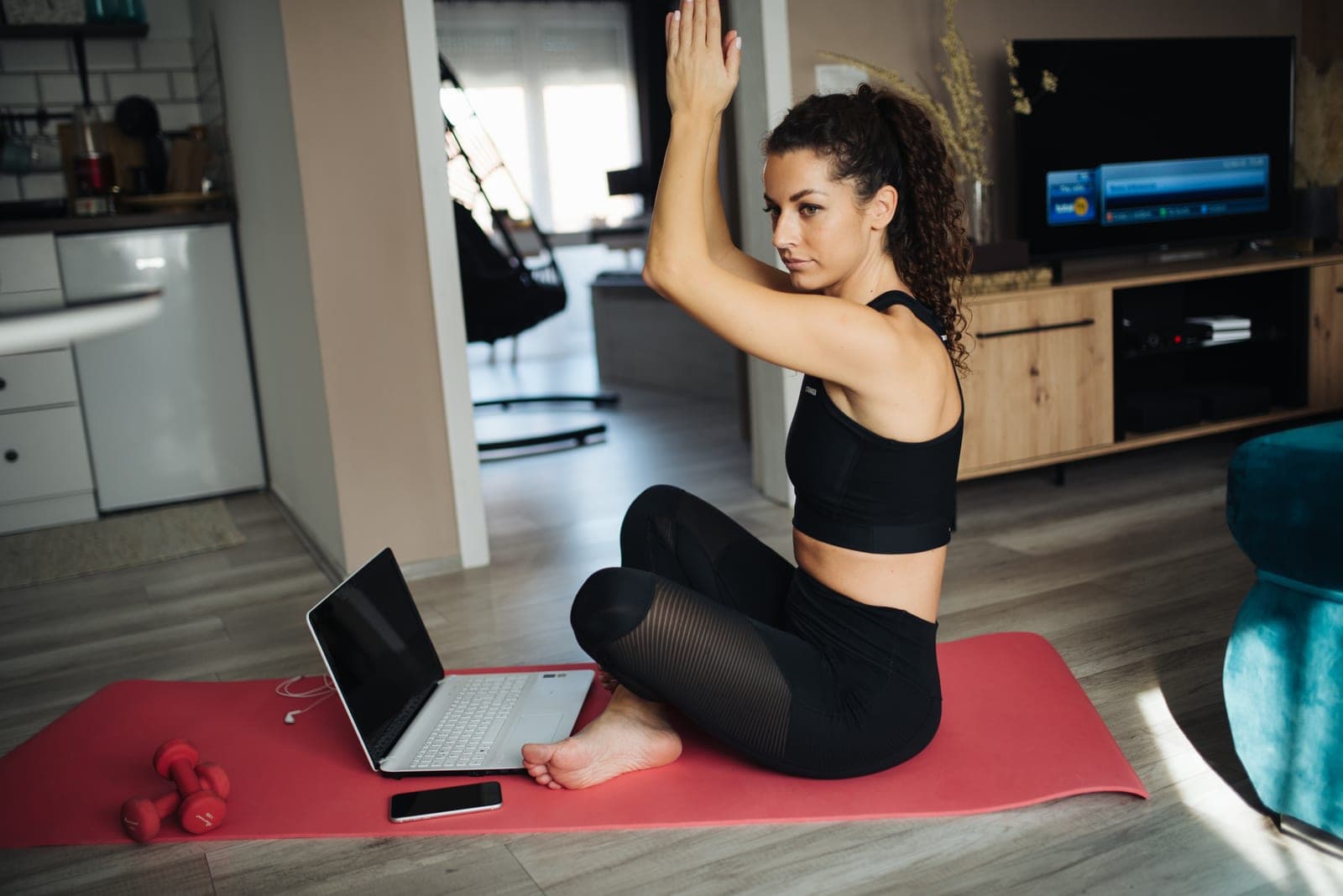
Yoga
A mind-body practice that links postures, breathing and focus to build flexibility, strength and calm.
Pilates
A low-impact mind-body method that builds core strength, control and posture through precise, controlled movement.
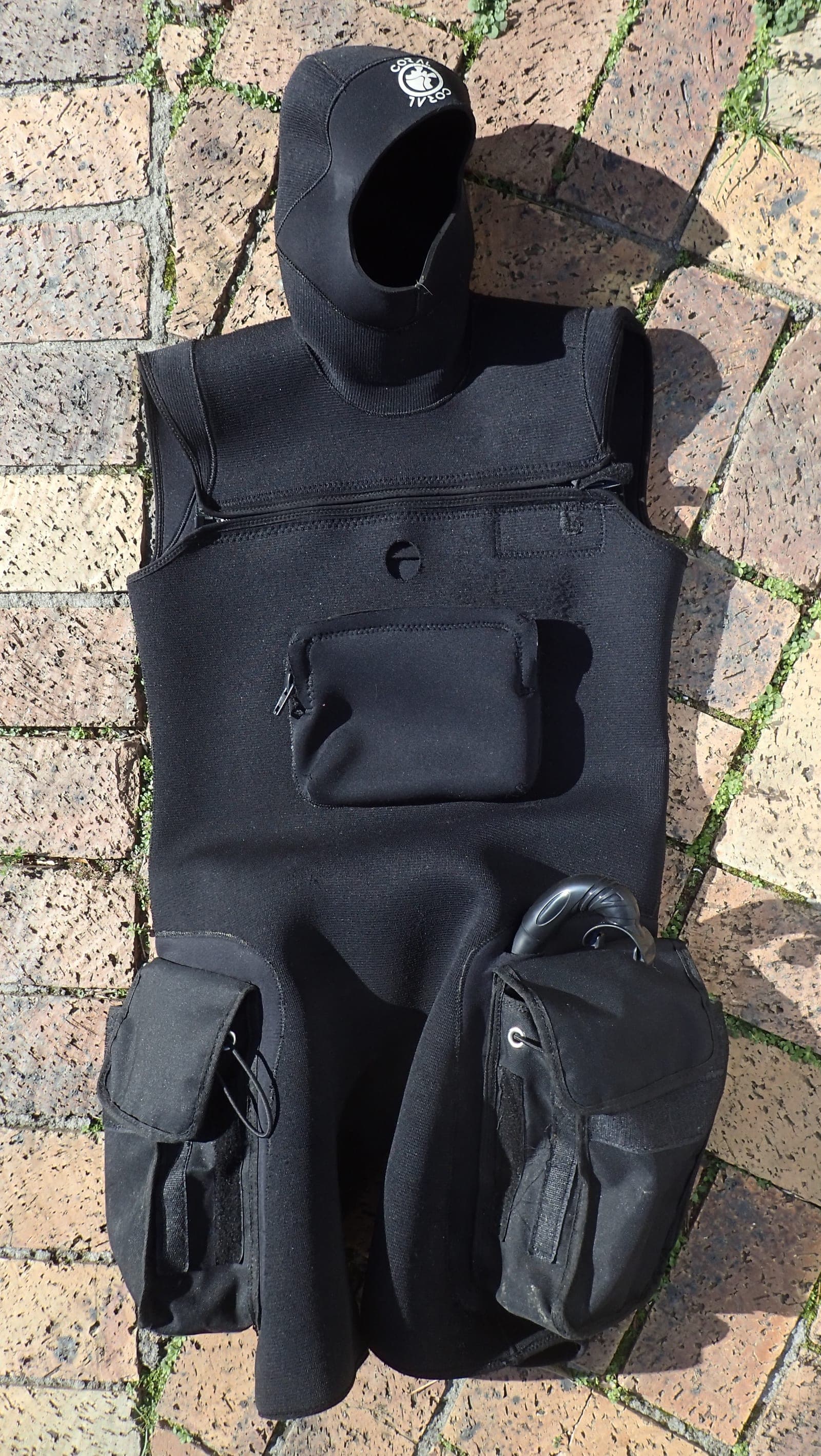
Surfing
An ocean board sport of paddling into waves and riding them toward shore, balancing skill and reading the sea.
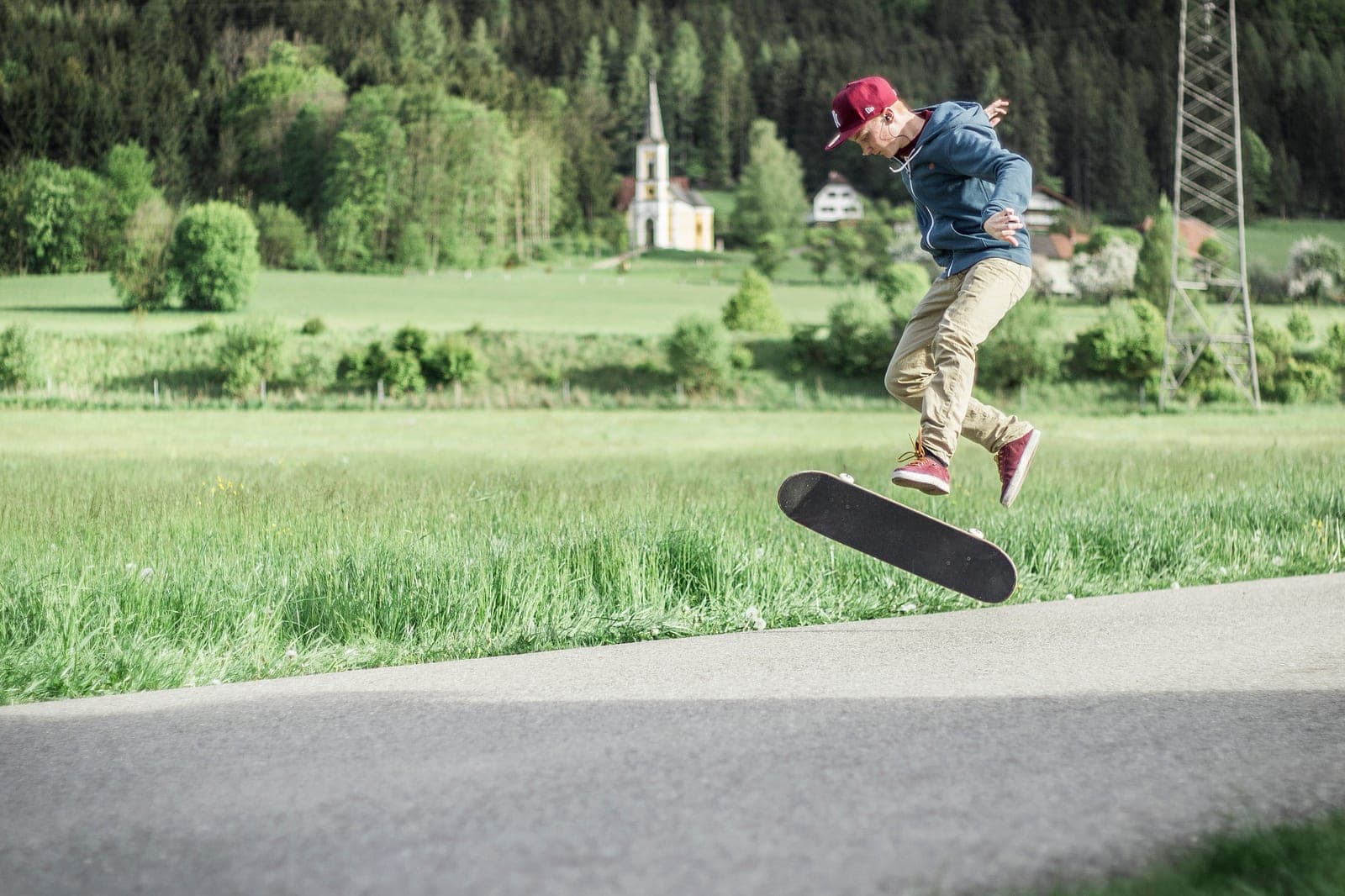
Skateboarding
A creative board sport of rolling, balancing and learning tricks on streets, paths and skateparks.
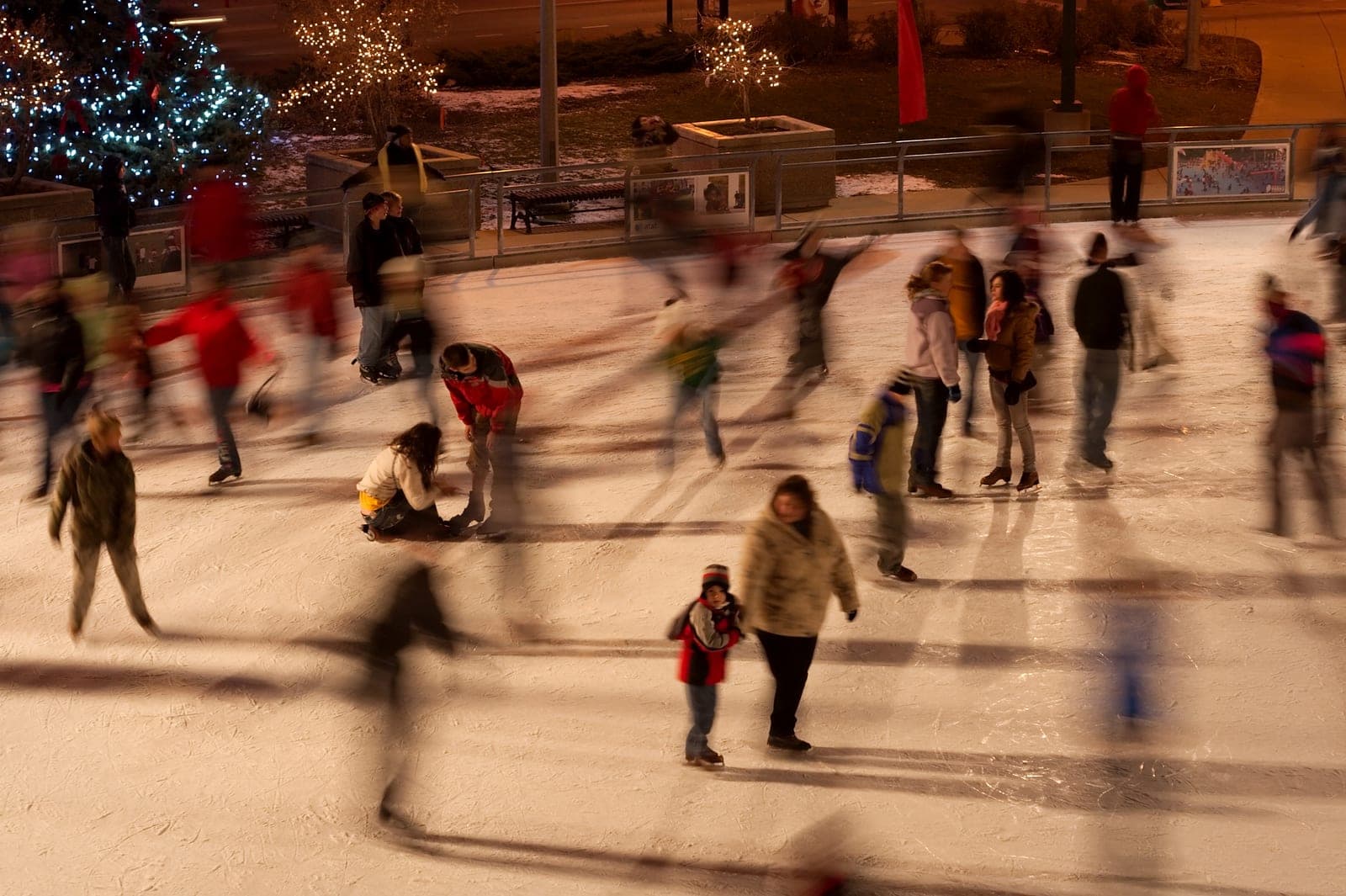
Ice Skating
A graceful winter activity of gliding across ice on skates, from casual laps to disciplined skating.
Related skills
How it connects
The meaning-bearing relationships that place Balance in the wider knowledge graph — each one with the reason it exists.
Progresses to
The next step in a curated learning order.
Progresses from
The step that comes before this one in a curated learning order.
Frequently learned together
Taught side by side in the same stage of a learning path.
Part of
The wider grouping this belongs to.
Explore across the knowledge base
Follow the threads that connect Balance to the rest of SocialSportHub.
Skills Academy
Playing surfaces
- IceA prepared, frozen sheet kept hard and smooth; its extremely low friction lets skaters, pucks and stones glide with very little resistance.
- SandLoose beach sand: a soft, shifting, energy-sapping surface with no true bounce that rewards balance and footwork, used for beach sports and conditioning.
- GravelLoose crushed stone over a firm base — an unpaved middle ground between smooth road and rough trail, ridden and run for variable grip and steady pace.
- SnowCompacted or natural snow on slopes and trails — a low-friction surface built for gliding, where skis, boards and runners slide fast over frozen ground.
- MatA cushioned, padded mat surface for grappling, striking and floor work — it absorbs falls and throws and grips underfoot, cushioning grappling, throws and floor work.
Movement patterns
- BackpedalControlled backward locomotion performed while facing forward, staying low and pushing off the balls of the feet in short strides to stay reactive and keep play in view.
- BoundAn exaggerated, horizontal springing stride that transfers from one leg to the opposite leg with a long flight phase, amplifying the mechanics of running.
- Change of DirectionA planned redirection of the body from one movement vector to another, requiring an athlete to decelerate existing momentum and reaccelerate along a new line between two known points.
- Crossover StepA lateral or diagonal travelling step in which one leg crosses over the other with accompanying hip and trunk rotation, trading a stable base for greater reach and speed.
- CutA sharp, frequently reactive plant-and-redirect performed in a single decisive foot contact to evade an opponent or abruptly alter a line of travel.
Learning paths
- Learn YogaA structured, educational learning path for yoga — from the rules to skills, techniques, tactics and training.
- Learn PilatesA structured, educational learning path for pilates — from the rules to skills, techniques, tactics and training.
- Learn Ice SkatingA structured, educational learning path for ice skating — from the rules to skills, techniques, tactics and training.
Go deeper with Balance
Everywhere else on the platform that covers Balance — assembled from what actually references it, so nothing here is a dead end.
Learn it
Structured courses and paths on the platform that cover this directly.
How this page is maintained
- Content type
- Skill
- Provenance
- Tier A — evergreen educational
- Verified external sources
- 0
- Content updated
- 2026-09-12
Evergreen, first-party explanation — it makes no claim that needs an external source. How we handle sources and reviews.