
Overview
A bound is an exaggerated springing stride that transfers from one leg to the opposite leg, sitting on the continuum between running and a series of single-leg leaps. Built on the jump and gait patterns, each contact does double duty: it absorbs the landing of one limb and immediately launches the next stride from that same limb before the body floats to the opposite foot. The propulsion comes from powerful triple extension of the hip, knee and ankle, which drives the body up and forward so that the flight phase is much longer than in ordinary running. Like the hop, a bound exploits the stretch-shortening cycle at each ground contact, coupling a rapid eccentric load with an explosive concentric push, but because the limbs alternate, the movement emphasises horizontal projection and stride amplitude rather than staying on a single leg. The result is a rhythmic, travelling action in which hip drive, elastic recoil and coordination between the swinging and driving legs all contribute to distance covered per contact.
In sport, bounding is expressed most visibly in athletics: it is the 'step' phase of the triple jump, a staple of sprinters' and jumpers' movement development, and a way of rehearsing the long, powerful stride of maximal running. Its signature of alternating single-leg push and extended float also echoes in the gliding strides of speed skating and cross-country skiing, in the reaching, downhill strides of trail running, and in the long recovery steps athletes take in field sports such as rugby and basketball when covering ground at speed. Across these settings the leg-to-leg alternation and exaggerated flight are common, yet the surface, the balance between height and distance, and how the bound blends back into normal running or skating differ considerably from one discipline to the next.
What defines it
- Alternates from one leg to the opposite leg, so each contact both lands one limb and launches the next stride.
- Emphasises horizontal projection, exaggerating the flight phase well beyond a normal running stride.
- Driven by powerful triple extension of the hip, knee and ankle to maximise push-off distance per contact.
- Each ground contact uses the stretch-shortening cycle, coupling rapid absorption with immediate propulsion.
- Amplifies the amplitude and float of gait, occupying the space between running and a chain of single-leg leaps.
How it differs from nearby movements
Movements that look similar but are not the same thing.
- Not the same as hop
- A bound alternates to the opposite leg on each contact, whereas a hop repeatedly returns to the same leg.
- Not the same as gait
- Bounding exaggerates the push-off and flight of a running stride, staying airborne much longer per contact and covering more distance than ordinary running.
- Not the same as jump
- A bound is a repeated, travelling, leg-to-leg spring that emphasises horizontal distance, not a single, vertically oriented, two-foot effort.
A note on this information
Exercises that train the bound
Movements built on this pattern — educational examples, not a prescription.
Jump squat
An explosive squat variation where you spring off the floor at the top of the movement.
Lunge
A single-leg movement where you step forward and bend both knees to lower your body.
Bulgarian split squat
A single-leg squat where the back foot is raised on a bench behind you.
High knees
A running-in-place cardio drill where you lift the knees high with a quick rhythm.
Sports skills that express it
The learnable skills of a sport that this movement underlies.
Sprinting
The skill of running or riding at maximum controlled speed over a short distance.
Running form
The skill of running with efficient, relaxed and balanced movement, so that more of the effort you put in goes into travelling forward.
Jumping
The skill of leaping powerfully and with timing to reach or contest the ball in the air.
Footwork
The skill of moving efficiently around the playing area to be in position for each shot or action.
Balance
The skill of keeping the body stable and controlled while still or moving.
Sports techniques that use it
How the movement shows up in the specific techniques of a sport.
The science and how it’s learned
The concepts that explain this movement and help in learning it.
Learning & coaching
Sports that rely on it
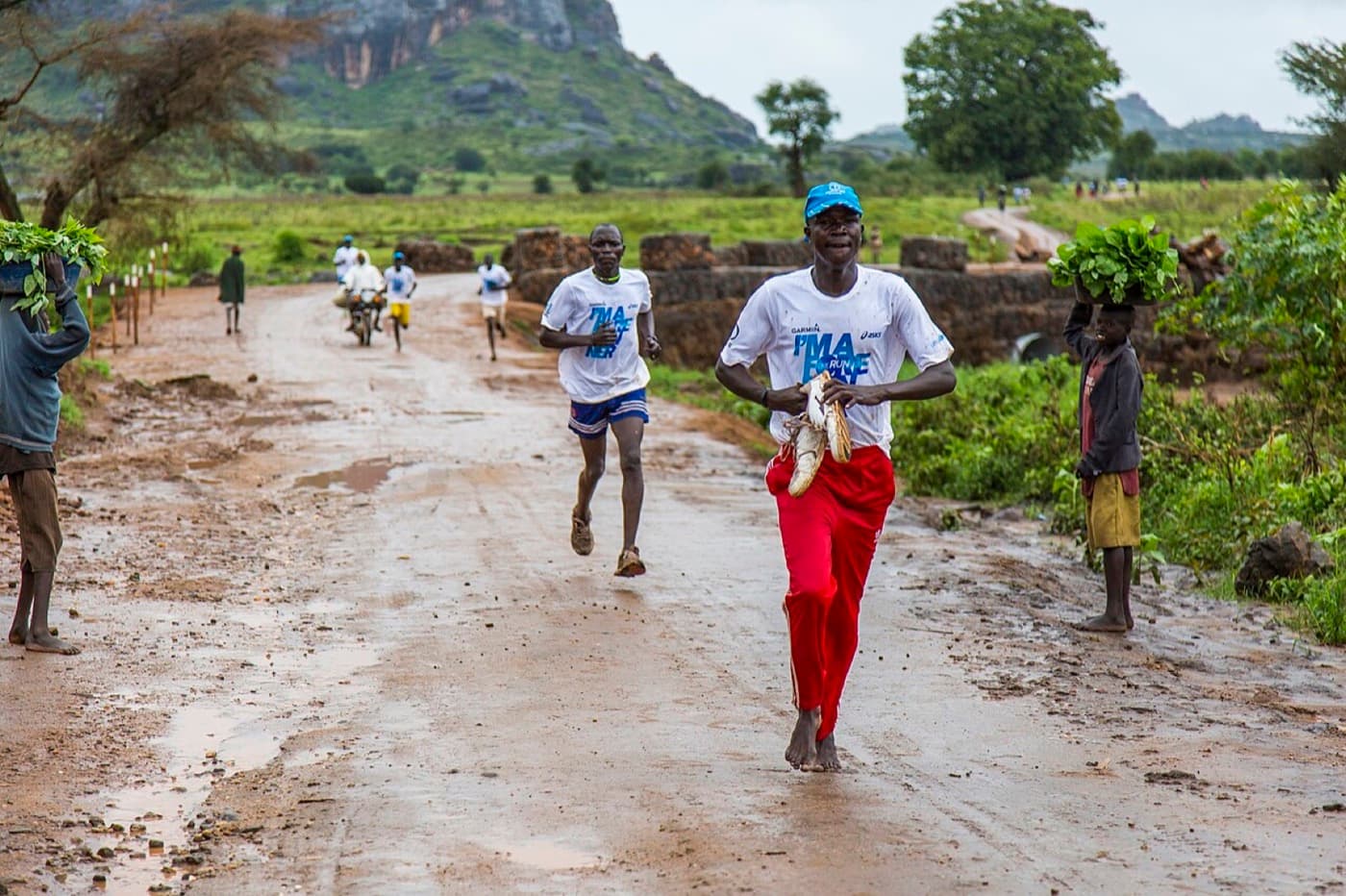
Running
The most accessible endurance sport — no venue, just shoes and the open road or trail.
Trail Running
Running off-road on trails, hills and natural terrain, away from pavements and traffic.
Speed Skating
A racing sport on long-bladed skates, powering around an ice oval or tight indoor track with long, rhythmic strides.

Basketball
A fast, dynamic team sport of running, jumping and quick decisions on court.
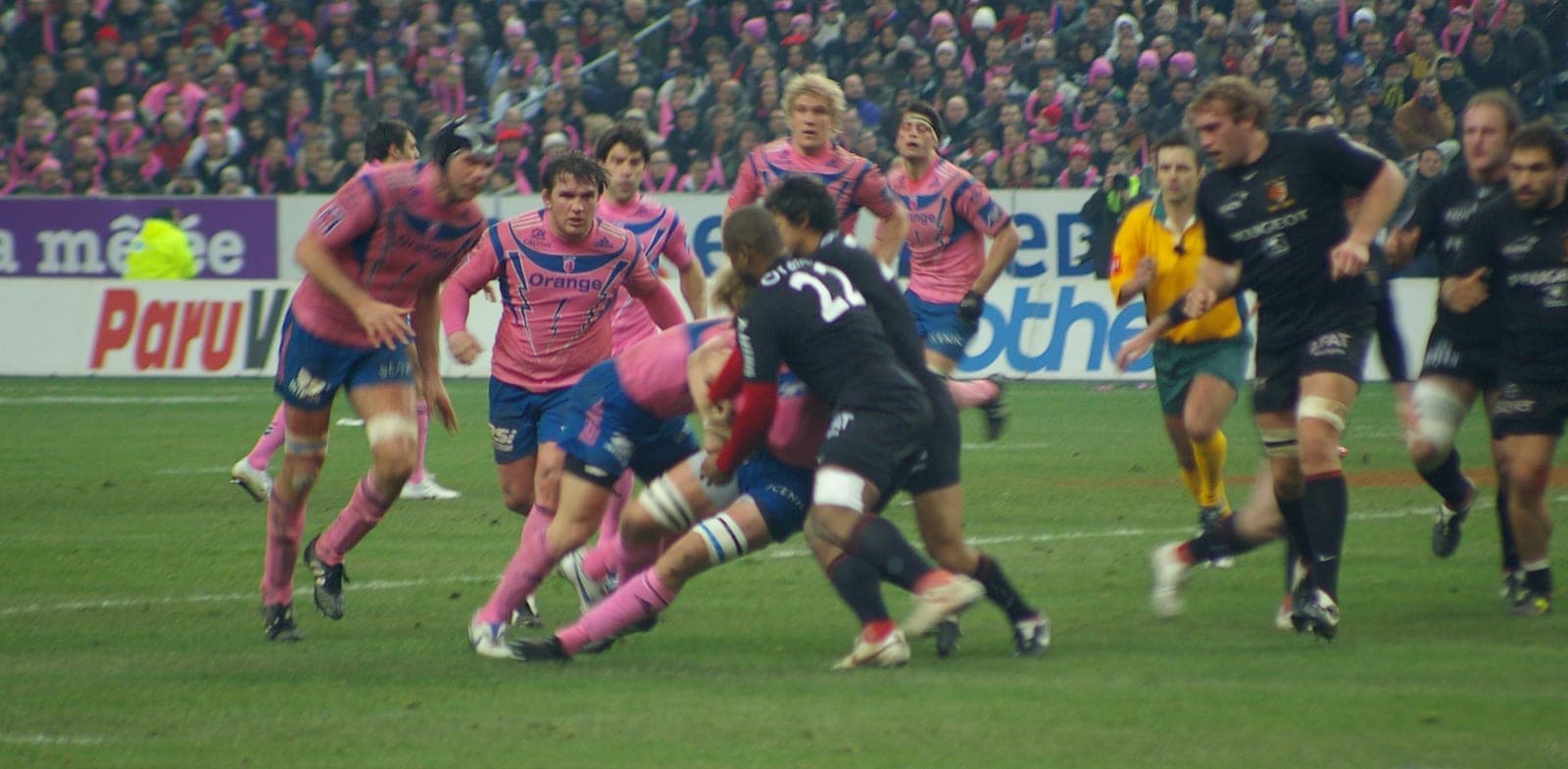
Rugby
A physical team sport of carrying, passing and kicking an oval ball toward the opposing line.
Compare bound with…
Movements it is often confused with — see exactly how they differ.
How it connects
The meaning-bearing relationships that place Bound in the wider knowledge graph — each one with the reason it exists.
Builds on
Understanding these first makes this one make sense.
Commonly confused with
Close enough to be mixed up — the distinction is worth knowing.
Explore across the knowledge base
Follow the threads that connect Bound to the rest of SocialSportHub.
Movement comparisons
- Bound vs GaitBound vs Gait: how these two movements differ, what they share, and how to tell them apart — from mechanics to the sports that use them.
- Bound vs HopBound vs Hop: how these two movements differ, what they share, and how to tell them apart — from mechanics to the sports that use them.
- Bound vs JumpBound vs Jump: how these two movements differ, what they share, and how to tell them apart — from mechanics to the sports that use them.
- Hop vs LandingHop vs Landing: how these two movements differ, what they share, and how to tell them apart — from mechanics to the sports that use them.
- Hop vs JumpHop vs Jump: how these two movements differ, what they share, and how to tell them apart — from mechanics to the sports that use them.
Skills
- SprintingThe skill of running or riding at maximum controlled speed over a short distance.
- Running formThe skill of running with efficient, relaxed and balanced movement, so that more of the effort you put in goes into travelling forward.
- JumpingThe skill of leaping powerfully and with timing to reach or contest the ball in the air.
- FootworkThe skill of moving efficiently around the playing area to be in position for each shot or action.
- BalanceThe skill of keeping the body stable and controlled while still or moving.
Sports science
- BiomechanicsThe study of how the body produces and controls movement — the mechanics behind every technique in sport.
- Force and powerThe difference between how much force the body can produce and how quickly it can produce it — the mechanics behind strength and explosiveness.
- The kinetic chainThe idea that the body’s segments work as a linked chain, passing force from the ground up through the hips, trunk and limbs.
- Movement efficiencyHow economically the body performs a movement — achieving the goal with the least wasted effort.
- Energy systemsHow the body supplies energy for movement — the different pathways that power everything from an explosive jump to a long, steady run.
Knowledge Atlas
Training methods
- PlyometricsPlyometrics are jumping and bounding drills that train muscles to produce force quickly, developing power and springiness through explosive movement.
- Interval TrainingInterval training alternates short bursts of harder effort with easier recovery periods, letting you accumulate more quality work than a single continuous push.
Coaching concepts
- ProgressionBuilding skill and training load in gradual, manageable steps so each stage prepares the next, moving from simple to complex and easy to hard.
- Transfer of TrainingWhether practice carries over to real performance — and why game-like, varied practice tends to transfer better than isolated, repetitive drills.
Go deeper with Bound
Everywhere else on the platform that covers Bound — assembled from what actually references it, so nothing here is a dead end.
Take it away
Open data and the whole-platform view of this subject.
How this page is maintained
- Content type
- Movement pattern
- Provenance
- Tier A — evergreen educational
- Verified external sources
- 0
- Content updated
- 2026-07-13
Evergreen, first-party explanation — it makes no claim that needs an external source. How we handle sources and reviews.