
Running Form
The efficient posture and stride mechanics of distance running, keeping the body relaxed and the cadence smooth.
Overview
Good running form makes each stride more efficient by reducing wasted movement. A tall, relaxed posture, a compact arm swing and a foot that lands under the body rather than far ahead all help a runner move smoothly.
Keeping the shoulders relaxed and letting the arms swing forward and back rather than across the body are simple cues that improve mechanics.
How to do it
- 1Stand tall and lean forward slightly from the ankles.
- 2Relax your shoulders and bend your elbows to about a right angle.
- 3Swing your arms forward and back in time with your legs.
- 4Land each foot under your body rather than out in front.
- 5Keep a smooth, even cadence and a steady breathing rhythm.
Key points
- Run tall with a slight lean from the ankles, not the waist.
- Keep the shoulders and hands relaxed.
- Aim to land with the foot under your hips rather than reaching ahead.
Where it’s used
Sports that use running form:
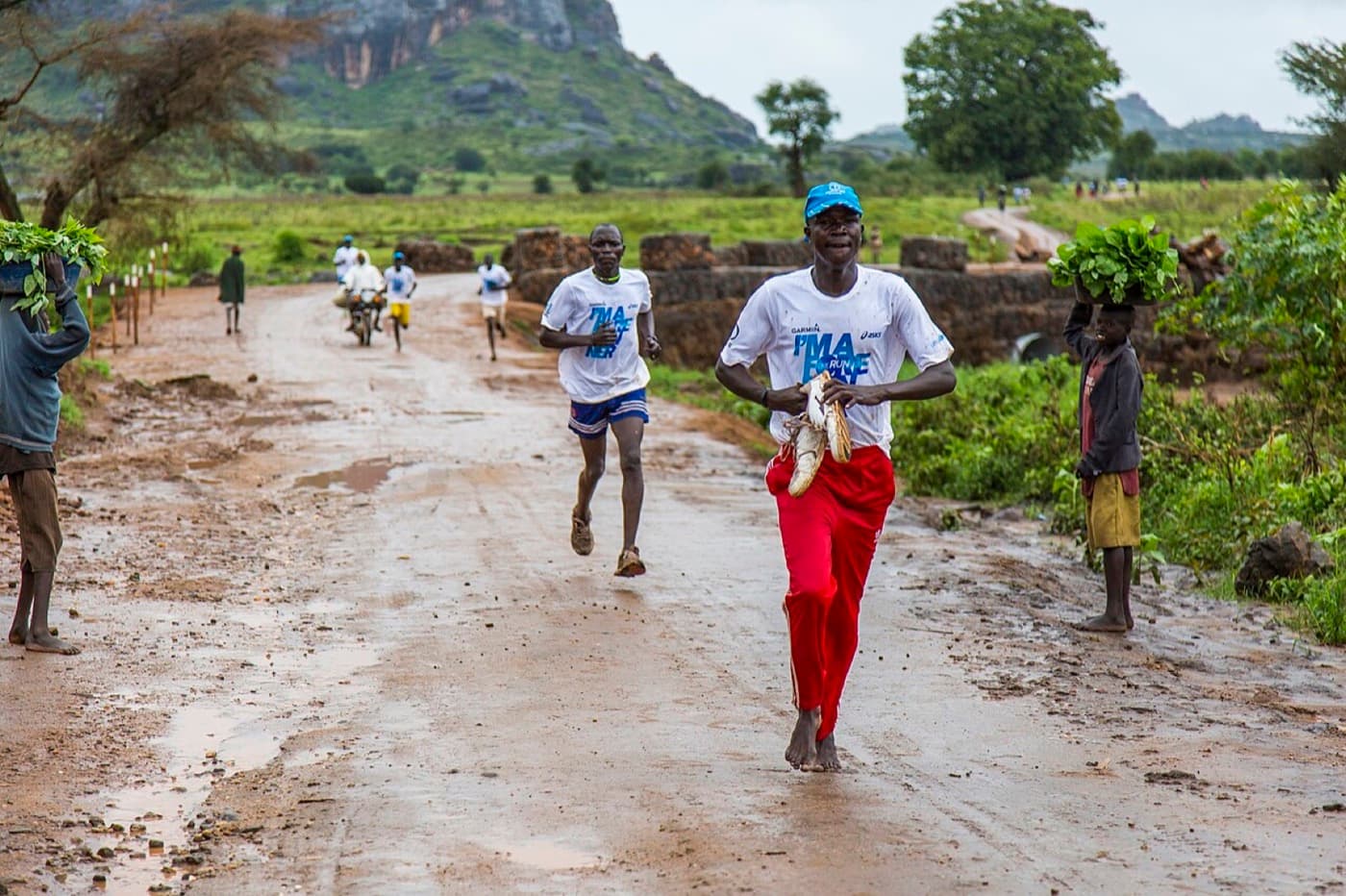
Running
The most accessible endurance sport — no venue, just shoes and the open road or trail.
Trail Running
Running off-road on trails, hills and natural terrain, away from pavements and traffic.
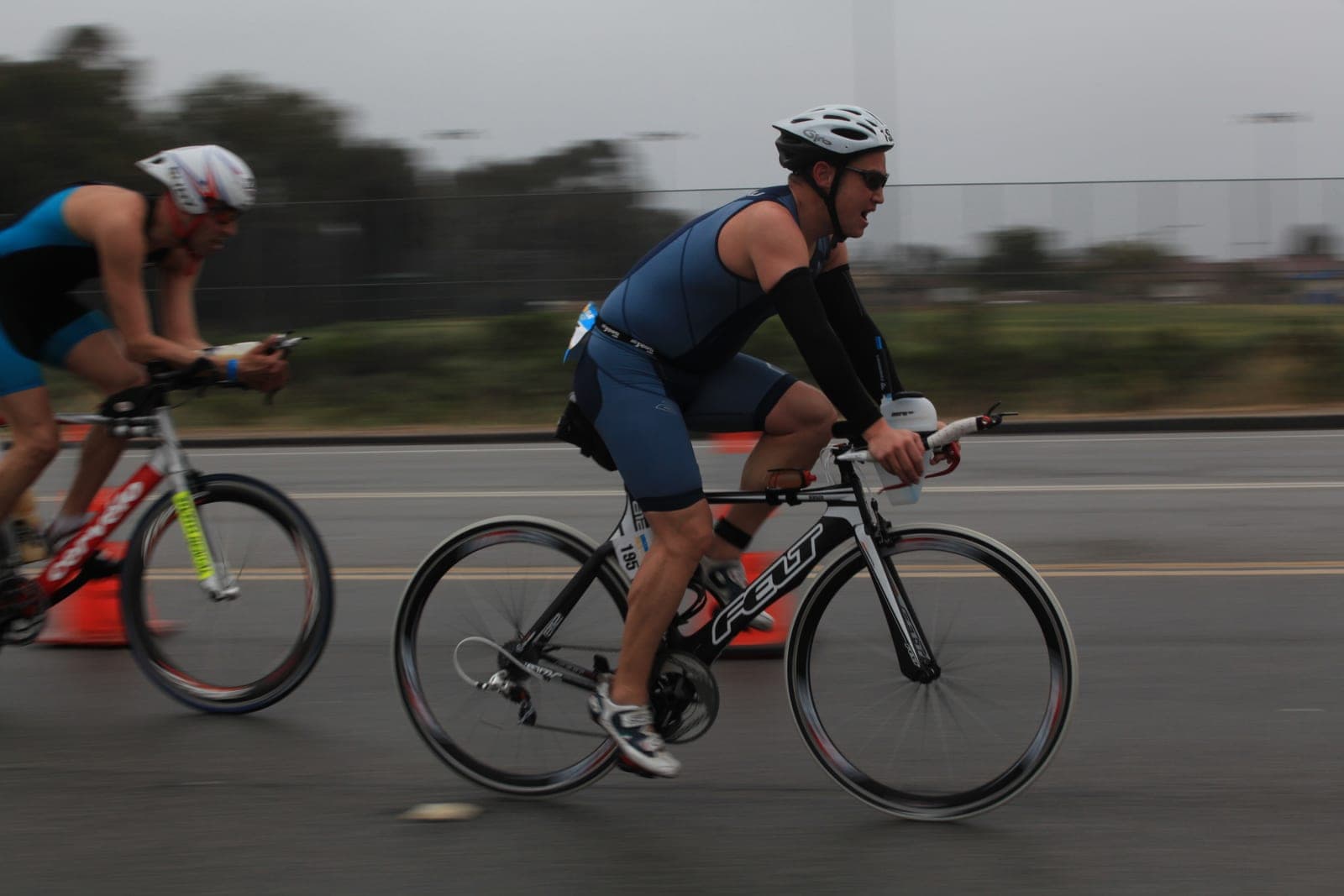
Triathlon
A multi-sport endurance event that links swimming, cycling and running into one continuous race.
Related techniques
Freestyle Stroke
The fastest swimming stroke, using alternating overhead arm pulls, a flutter kick and rhythmic side breathing.
Sprint Start
The explosive start of a sprint from a set, crouched position, driving forward low before gradually rising to full stride.
Cycling Cadence
The technique of pedalling at a smooth, steady rhythm and choosing a gear that keeps the legs turning efficiently.
How it connects
The meaning-bearing relationships that place Running Form in the wider knowledge graph — each one with the reason it exists.
Frequently learned together
Taught side by side in the same stage of a learning path.
Explore across the knowledge base
Follow the threads that connect Running Form to the rest of SocialSportHub.
Playing surfaces
- Synthetic trackAn all-weather rubberised athletics running surface — firm, springy and high-grip — giving sprinters and distance runners fast, consistent, predictable footing.
- Road (Tarmac / Asphalt)Paved tarmac or asphalt: a firm, smooth, predictable surface that rewards steady pace and rhythm — the ground for road running, cycling and race-walking.
- TrailNatural off-road terrain of dirt, rock, roots, grass and mud that varies constantly and rewards surefootedness in trail running, mountain biking and hiking.
Movement patterns
- GaitThe cyclic, alternating single-leg pattern of walking and running that carries the body across the ground — the base of most field and endurance sport.
- AccelerationThe athletic pattern of building speed from a standing or slow start by driving large horizontal forces into the ground to project the body forward.
- BackpedalControlled backward locomotion performed while facing forward, staying low and pushing off the balls of the feet in short strides to stay reactive and keep play in view.
- BoundAn exaggerated, horizontal springing stride that transfers from one leg to the opposite leg with a long flight phase, amplifying the mechanics of running.
- Change of DirectionA planned redirection of the body from one movement vector to another, requiring an athlete to decelerate existing momentum and reaccelerate along a new line between two known points.
Skills
- SprintingThe skill of running or riding at maximum controlled speed over a short distance.
- Running formThe skill of running with efficient, relaxed and balanced movement, so that more of the effort you put in goes into travelling forward.
- PedallingThe skill of turning the pedals smoothly and at an efficient rhythm on a bike.
Disciplines
- Sprint DistanceSprint distance triathlon combines a short swim, bike, and run, making it a common entry point and a fast, higher-intensity racing format.
- Standard (Olympic) DistanceStandard, or Olympic, distance triathlon pairs a 1.5 km swim, 40 km bike, and 10 km run, and is the format contested at the Olympic Games.
- Middle Distance (70.3)Middle distance triathlon, widely known as 70.3, covers a 1.9 km swim, 90 km bike, and a 21.1 km half-marathon run.
- Long Distance (Ironman)Long distance triathlon, popularly known as Ironman, covers a 3.8 km swim, 180 km bike, and a 42.2 km marathon run.
Go deeper with Running Form
Everywhere else on the platform that covers Running Form — assembled from what actually references it, so nothing here is a dead end.
Learn it
Structured courses and paths on the platform that cover this directly.
Take it away
Open data and the whole-platform view of this subject.
How this page is maintained
- Content type
- Technique
- Provenance
- Tier A — evergreen educational
- Verified external sources
- 0
- Content updated
- 2026-09-12
Evergreen, first-party explanation — it makes no claim that needs an external source. How we handle sources and reviews.