
Overview
Acceleration is the phase in which an athlete increases velocity from a stationary or slow-moving state, and because the body begins with little momentum, the whole task is organised around adding it as quickly as possible. The trunk leans forward so the centre of mass sits ahead of the base of support, and each foot strikes behind the hips, letting the leg push down and back against the ground rather than simply cycling underneath. Ground-contact times are comparatively long, initial strides are short, and the legs work through powerful triple extension at the ankle, knee, and hip, with the glutes, quadriceps, and calves producing most of the propulsion while a braced trunk and active arm drive stabilise the effort. Along the kinetic chain the forces are net-propulsive — the athlete spends more of each contact pushing than braking — which is what distinguishes acceleration from steady running. Because it is a high-force, high-rate effort of short duration, it leans heavily on rapid force production and the anaerobic (ATP-PC) energy supply, and posture gradually rises as speed climbs and the horizontal drive gives way to more upright mechanics.
Across sports the underlying mechanics are shared, but their expression varies with the start, the distance, and the demands of the game. A track sprinter accelerates from blocks in a deliberate, gradually-rising sequence over many metres; a basketball guard produces a compressed first step from a stagger or a rolling start to beat a defender in a metre or two; a footballer or rugby player accelerates into open space while tracking a ball and reading opponents. Some accelerations are pre-planned and rhythmic, others are reactive bursts triggered by an external cue, so reaction time and the ability to load and re-drive from an awkward stance matter as much as raw leg power. Surface, footwear, whether the athlete carries or controls an implement, and how much runway is available all reshape the pattern, so no two sports accelerate in exactly the same way even though they share the same forward-lean, long-contact, net-propulsive template.
What defines it
- Forward trunk lean places the centre of mass ahead of the base of support, orienting force production horizontally so each contact projects the body forward rather than upward.
- Ground-contact times are relatively long and ground-reaction forces are net-propulsive — the athlete pushes more than brakes on each step, adding momentum.
- Powerful triple extension of ankle, knee, and hip drives the body, with the glutes, quadriceps, and calves supplying most of the propulsive force through the leg.
- Stride length starts short and lengthens as speed builds, while posture progressively rises from a deep forward lean toward a more upright carriage.
- It is a short-lived, high-rate effort dependent on rapid force production and anaerobic energy supply, not a state that can be sustained for long.
How it differs from nearby movements
Movements that look similar but are not the same thing.
- Not the same as top-speed sprinting
- Acceleration is the build-up phase — forward-leaning, with long ground contacts and horizontally-oriented net-propulsive force. Maximum-velocity sprinting is the maintenance phase: the body is upright, strides are long, contacts are brief, and forces become more vertical and elastic rather than pushing the athlete faster.
- Not the same as deceleration
- The two are force-opposites. Acceleration produces net-propulsive forces that add momentum; deceleration produces net-braking forces that remove it. Both braking and propulsive forces occur within a single ground contact, but a contact is either net-propulsive or net-braking — it cannot be both at once — and that net direction is what separates the two patterns.
- Not the same as change-of-direction
- Acceleration is linear speed-building along a single line of travel. Change-of-direction reorients that line and is usually preceded by braking; acceleration may follow a cut but is not itself the reorientation.
- Not the same as jump
- A jump projects the body mainly vertically for airborne time off one or two feet. Acceleration keeps the body low and horizontal through repeated cyclic ground contacts rather than launching into flight.
A note on this information
Exercises that train the acceleration
Movements built on this pattern — educational examples, not a prescription.
Jump squat
An explosive squat variation where you spring off the floor at the top of the movement.
Bulgarian split squat
A single-leg squat where the back foot is raised on a bench behind you.
Step-up
A movement where you step up onto a raised platform one leg at a time and step back down.
Lunge
A single-leg movement where you step forward and bend both knees to lower your body.
High knees
A running-in-place cardio drill where you lift the knees high with a quick rhythm.
Mountain climber
A dynamic exercise where you drive your knees toward your chest one at a time from a plank.
Hip thrust
A loaded hip-extension exercise with your upper back on a bench and a weight across the hips.
Kettlebell swing
A dynamic hinge where you swing a kettlebell to shoulder height using a snap of the hips.
Sports skills that express it
The learnable skills of a sport that this movement underlies.
Sprinting
The skill of running or riding at maximum controlled speed over a short distance.
Running form
The skill of running with efficient, relaxed and balanced movement, so that more of the effort you put in goes into travelling forward.
Footwork
The skill of moving efficiently around the playing area to be in position for each shot or action.
Dribbling
The skill of moving with the ball under close control to beat opponents or keep possession.
Sports techniques that use it
How the movement shows up in the specific techniques of a sport.
The science and how it’s learned
The concepts that explain this movement and help in learning it.
Sports that rely on it
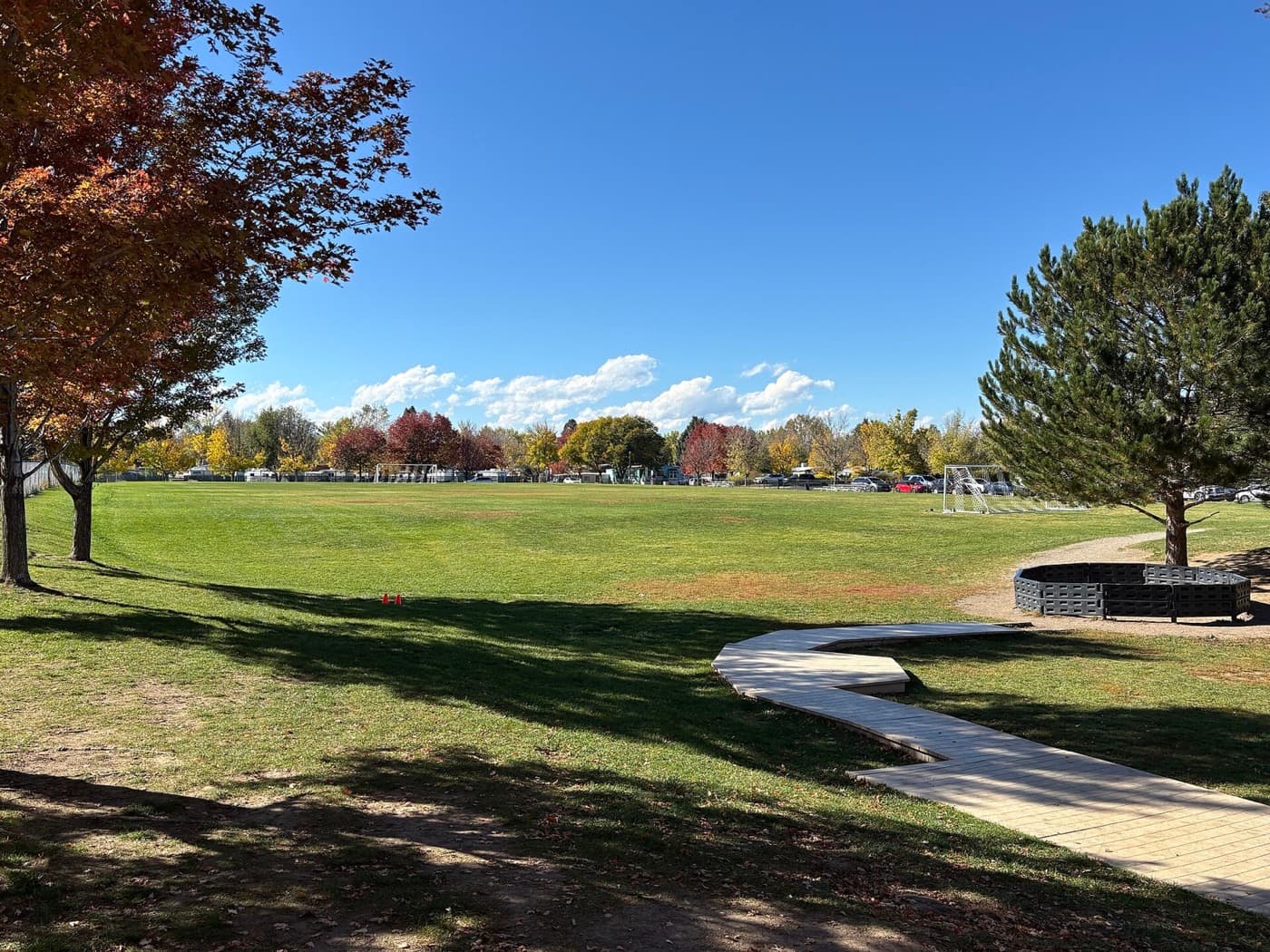
Football
The world’s most popular team sport — endless running, teamwork and community in one game.
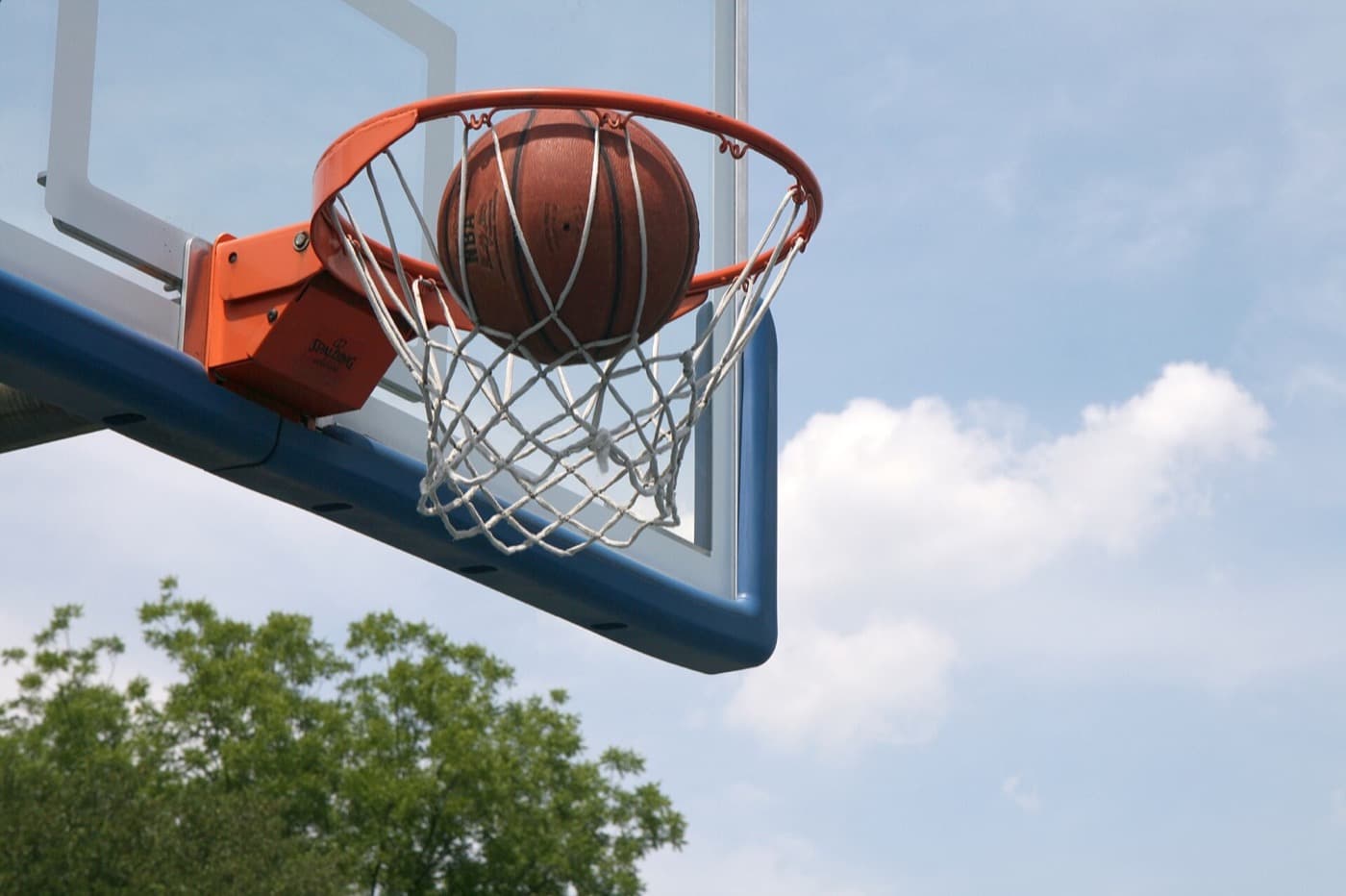
Basketball
A fast, dynamic team sport of running, jumping and quick decisions on court.
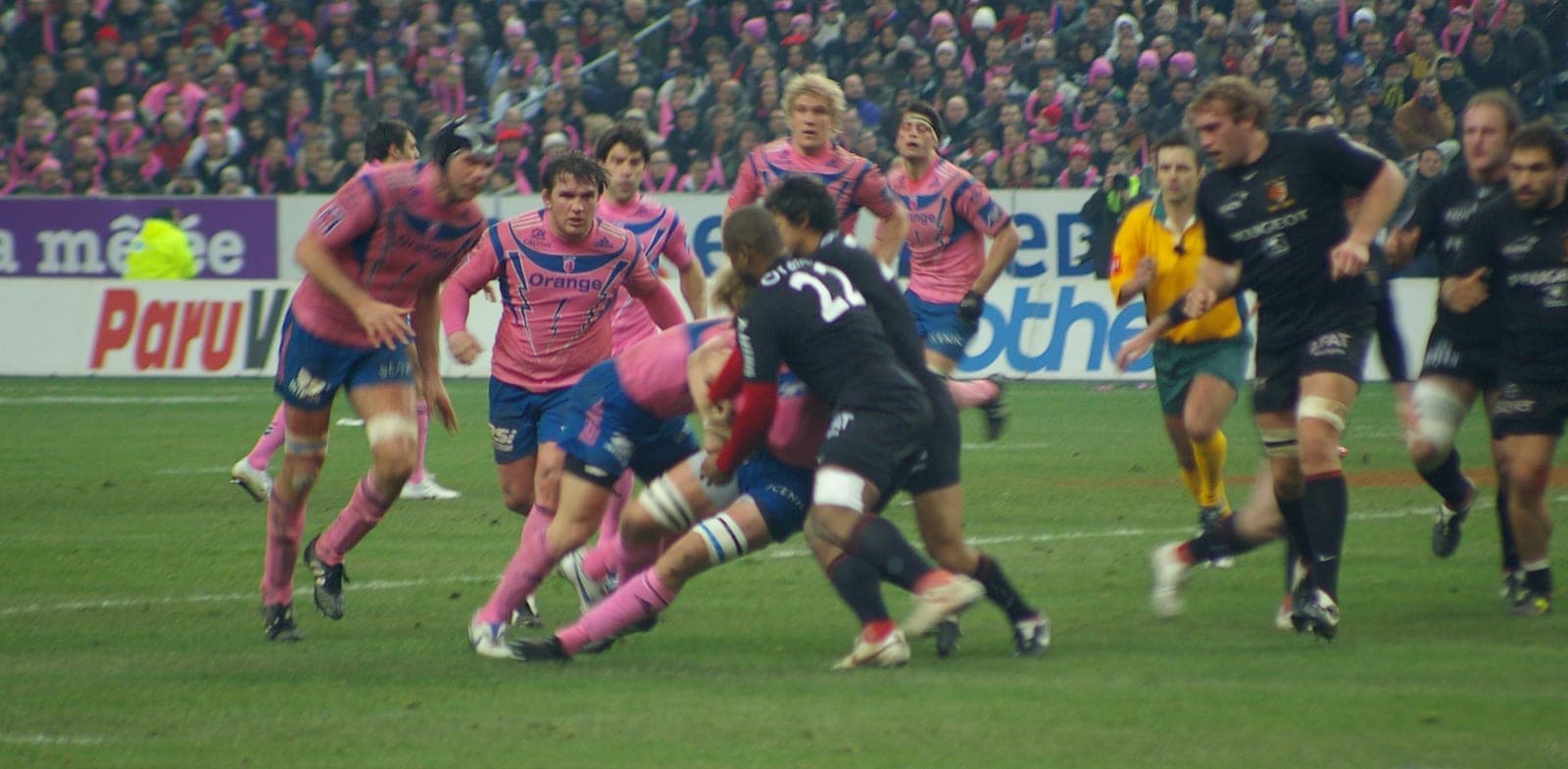
Rugby
A physical team sport of carrying, passing and kicking an oval ball toward the opposing line.
American Football
A strategic, position-based team sport of set plays, sprinting and coordinated teamwork on a marked field.
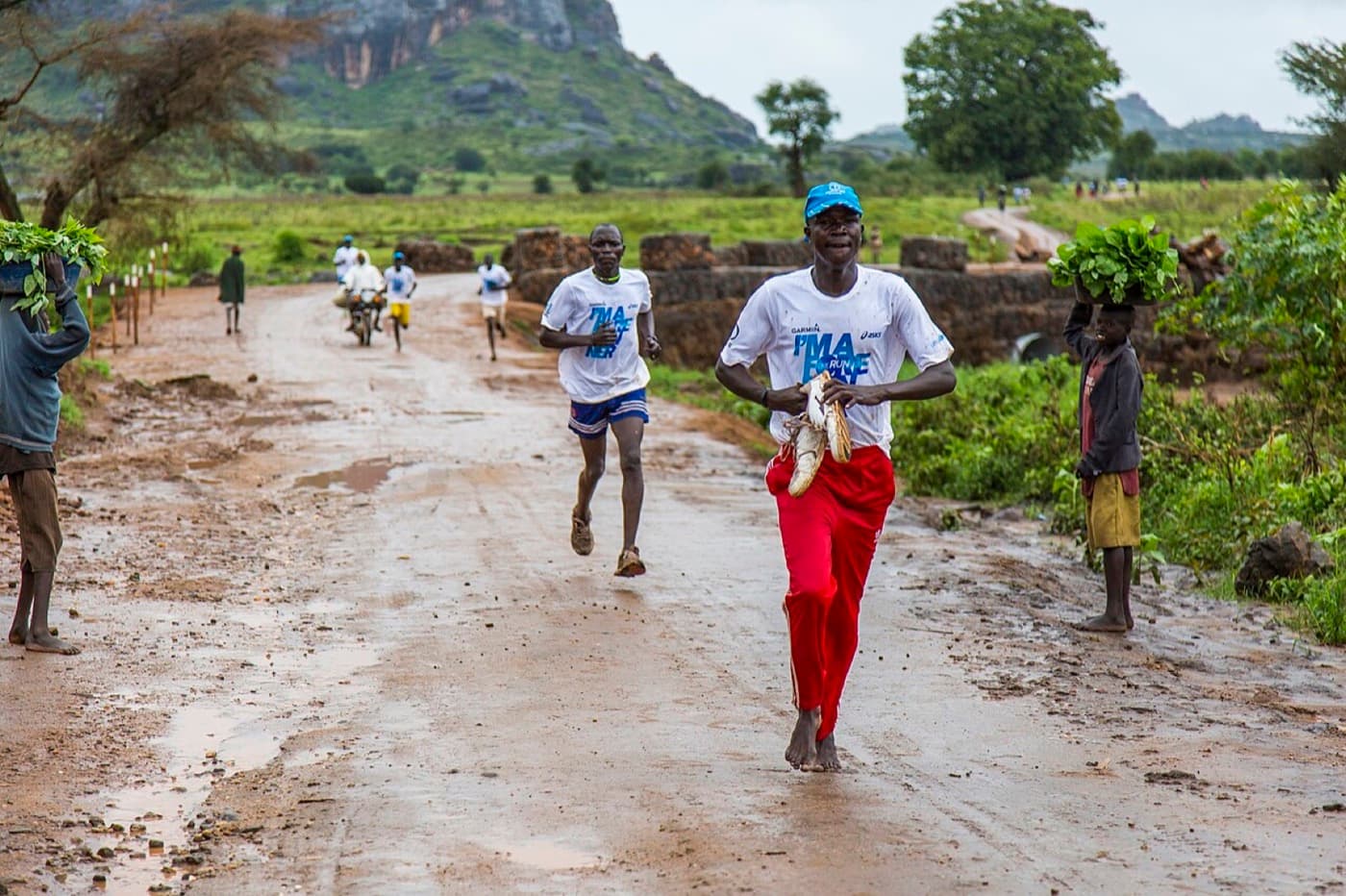
Running
The most accessible endurance sport — no venue, just shoes and the open road or trail.
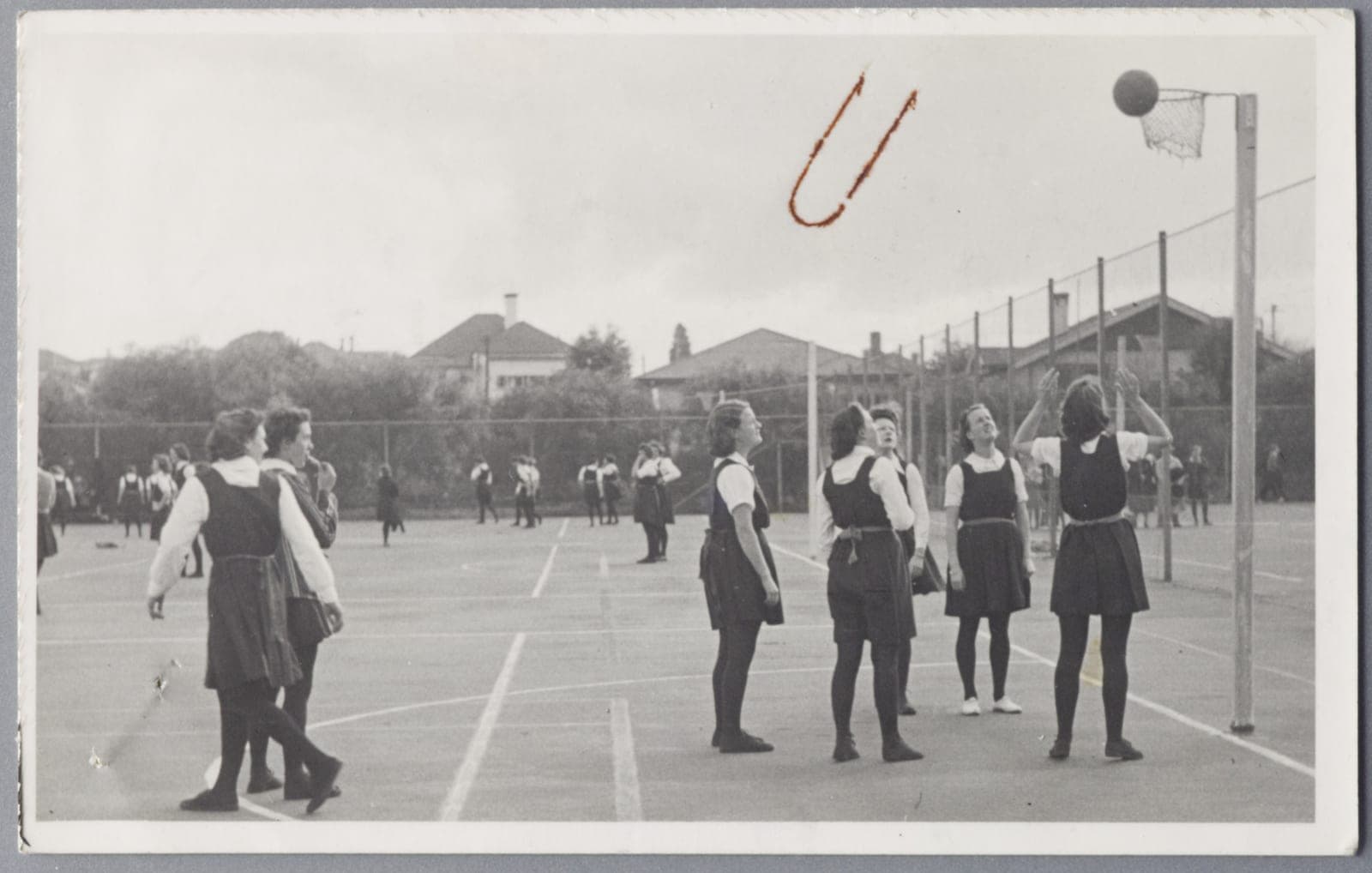
Netball
A non-contact, position-based team sport of quick passing and accurate shooting.
Compare acceleration with…
Movements it is often confused with — see exactly how they differ.
How it connects
The meaning-bearing relationships that place Acceleration in the wider knowledge graph — each one with the reason it exists.
Builds on
Understanding these first makes this one make sense.
Commonly confused with
Close enough to be mixed up — the distinction is worth knowing.
Explore across the knowledge base
Follow the threads that connect Acceleration to the rest of SocialSportHub.
Movement comparisons
- Acceleration vs Change of DirectionAcceleration vs Change of Direction: how these two movements differ, what they share, and how to tell them apart — from mechanics to the sports that use them.
- Acceleration vs DecelerationAcceleration vs Deceleration: how these two movements differ, what they share, and how to tell them apart — from mechanics to the sports that use them.
- Acceleration vs JumpAcceleration vs Jump: how these two movements differ, what they share, and how to tell them apart — from mechanics to the sports that use them.
- Lunge vs ReachLunge vs Reach: how these two movements differ, what they share, and how to tell them apart — from mechanics to the sports that use them.
- Catch vs ReachCatch vs Reach: how these two movements differ, what they share, and how to tell them apart — from mechanics to the sports that use them.
Skills
- SprintingThe skill of running or riding at maximum controlled speed over a short distance.
- Running formThe skill of running with efficient, relaxed and balanced movement, so that more of the effort you put in goes into travelling forward.
- FootworkThe skill of moving efficiently around the playing area to be in position for each shot or action.
- DribblingThe skill of moving with the ball under close control to beat opponents or keep possession.
- BlockingThe skill of using the hands or body to stop or slow an opponent’s attack.
Sports science
- BiomechanicsThe study of how the body produces and controls movement — the mechanics behind every technique in sport.
- The kinetic chainThe idea that the body’s segments work as a linked chain, passing force from the ground up through the hips, trunk and limbs.
- Force and powerThe difference between how much force the body can produce and how quickly it can produce it — the mechanics behind strength and explosiveness.
- Energy systemsHow the body supplies energy for movement — the different pathways that power everything from an explosive jump to a long, steady run.
- Aerobic and anaerobic energyThe difference between energy the body produces with oxygen and energy it produces without it — a core idea behind why different efforts feel and last so differently.
Knowledge Atlas
Training methods
- PlyometricsPlyometrics are jumping and bounding drills that train muscles to produce force quickly, developing power and springiness through explosive movement.
- Strength TrainingStrength training uses resistance — bodyweight, bands or weights — to challenge your muscles so they gradually adapt and get stronger over time.
- Interval TrainingInterval training alternates short bursts of harder effort with easier recovery periods, letting you accumulate more quality work than a single continuous push.
- High-Intensity Interval Training (HIIT)High-intensity interval training, or HIIT, packs short, hard efforts against brief recoveries into a compact session, making it a time-efficient way to train.
- Tempo TrainingTempo training holds a firm, controlled 'comfortably hard' pace for a sustained stretch, teaching the body to sustain effort without tipping into a sprint.
Coaching concepts
- ProgressionBuilding skill and training load in gradual, manageable steps so each stage prepares the next, moving from simple to complex and easy to hard.
- Transfer of TrainingWhether practice carries over to real performance — and why game-like, varied practice tends to transfer better than isolated, repetitive drills.
- Deliberate PracticeFocused, effortful practice that targets a specific weakness with full attention and immediate feedback — not just repeating what you already do well.
Go deeper with Acceleration
Everywhere else on the platform that covers Acceleration — assembled from what actually references it, so nothing here is a dead end.
Take it away
Open data and the whole-platform view of this subject.
How this page is maintained
- Content type
- Movement pattern
- Provenance
- Tier A — evergreen educational
- Verified external sources
- 0
- Content updated
- 2026-07-13
Evergreen, first-party explanation — it makes no claim that needs an external source. How we handle sources and reviews.