
American Football
Set plays, explosive bursts and coordinated teamwork
Overview
American football is a team sport in which two sides try to advance an oval ball toward the opposing end zone by running with it and passing it, working through a series of set plays. Each play is a short, planned burst, so the game blends careful strategy with explosive, high-intensity movement.
It is played in a full-contact tackle form with protective equipment, and in widely available non-contact flag variants that swap tackling for pulling a flag. The flag formats are smaller-sided and far easier to pick up, which makes them a popular, lower-impact way for newcomers to learn the game.
Why american football is good for your health
- Repeated sprints build cardiovascular fitness and explosive power
- Develops speed, agility and quick changes of direction
- Strengthens the legs and core through sprinting and cutting
- Alternates short high-intensity efforts with recovery between plays
The social side
- A structured team game that builds camaraderie and belonging
- Position-based roles give players of different builds a place in the side
- Non-contact flag leagues welcome newcomers without collisions
How to start as a beginner
- 1Start with non-contact flag football to learn the game without collisions
- 2Practise the basics: catching, throwing and running simple routes
- 3Learn how downs and yardage work so you can follow the flow of play
- 4For any contact format, use properly fitted protective equipment and qualified coaching
Equipment you’ll need
- Comfortable sportswearEssential
- Cleats or supportive trainersEssentialStudded soles help with grip on grass
- A footballOptionalUsually provided at organised games
- Flag beltOptionalUsed in place of tackling in flag variants
- Fitted protective equipmentOptionalHelmet and pads for contact formats — fit and coaching matter
Where to play
American Football is typically played at:
Explore clubs and venues to understand the different places you can play, or see how to find people to play with.
Playing American Football
The equipment, rules, skills and more that make up the game — each cross-linked into the encyclopedia.
Related sports to explore
If you enjoy American Football, you might also like these.
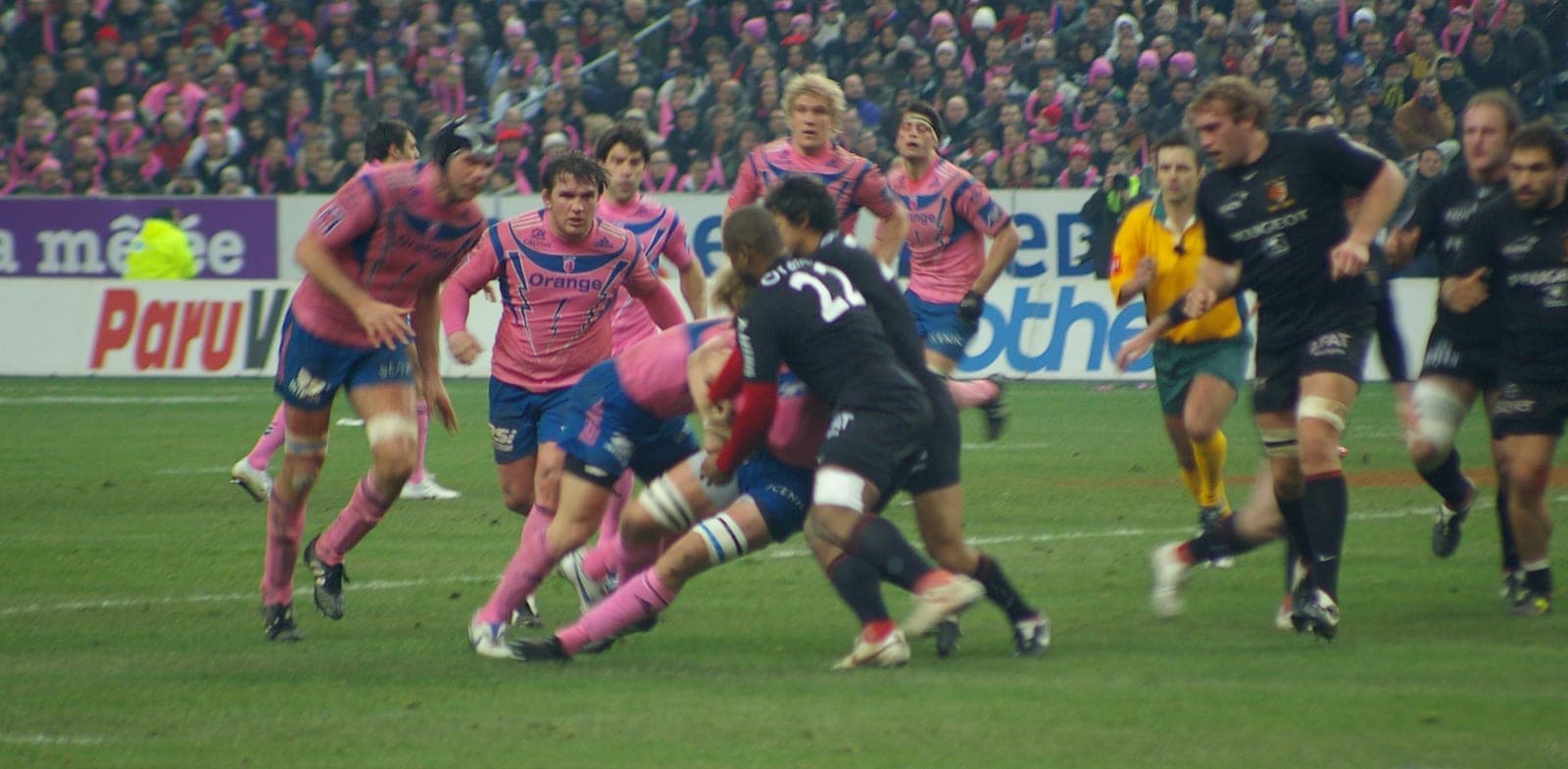
Rugby
A physical team sport of carrying, passing and kicking an oval ball toward the opposing line.
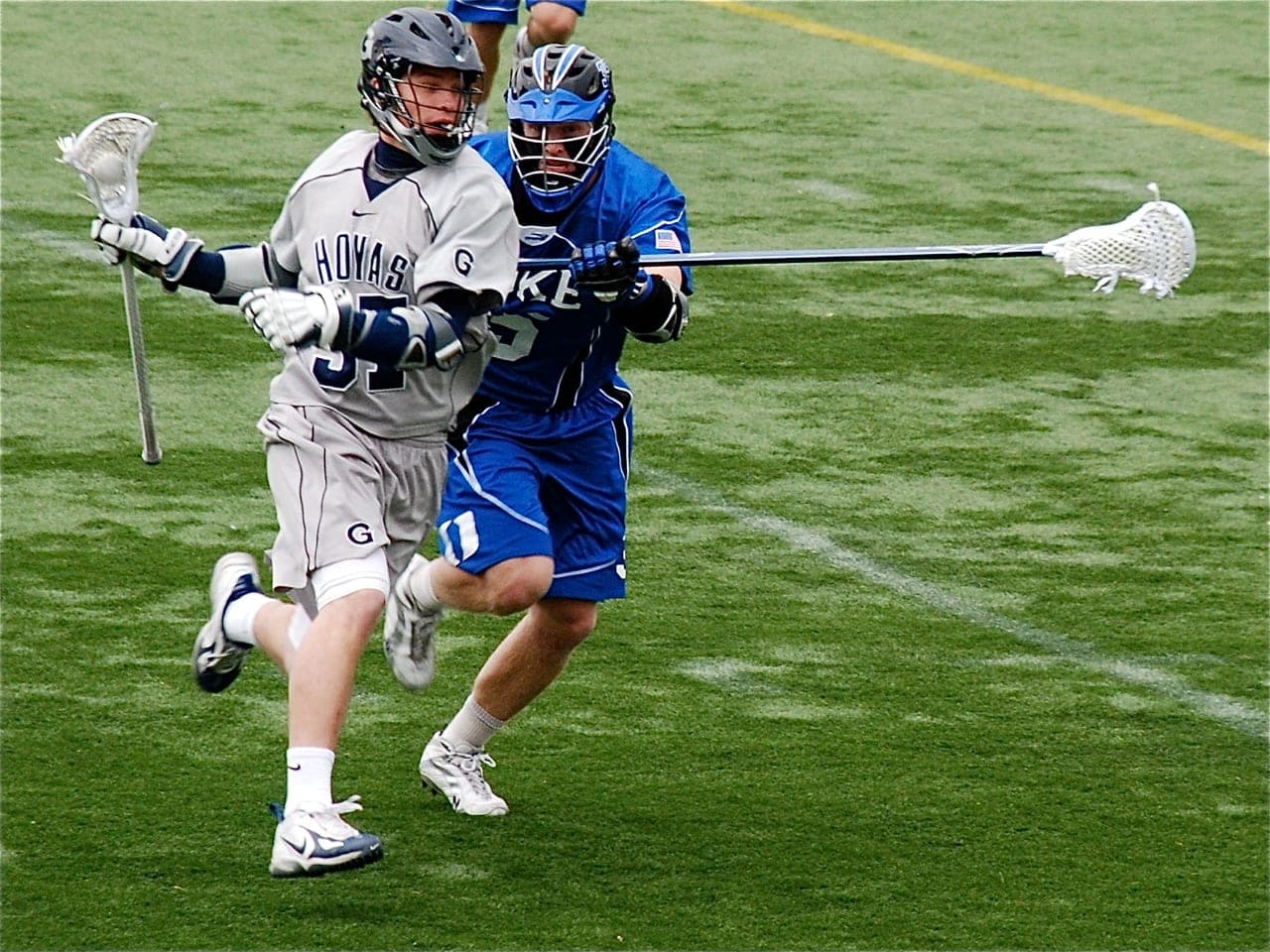
Lacrosse
A fast, stick-and-ball team sport of catching, cradling and shooting a small ball toward a goal.

Ultimate Frisbee
A fast, non-contact team sport played with a flying disc, known for constant running and self-refereeing.

Football
The world’s most popular team sport — endless running, teamwork and community in one game.
Compare American Football with…
Deciding between American Football and something similar? See how they line up side by side.
American Football vs Football
How they compare on difficulty, intensity, kit and what suits you.
American Football vs Lacrosse
How they compare on difficulty, intensity, kit and what suits you.
American Football vs Rugby
How they compare on difficulty, intensity, kit and what suits you.
American Football vs Ultimate Frisbee
How they compare on difficulty, intensity, kit and what suits you.
How it connects
The meaning-bearing relationships that place American Football in the wider knowledge graph — each one with the reason it exists.
Alternative to
Comparable enough that people choose between them.
- FootballAmerican Football and Football are close enough that the platform maintains a side-by-side comparison of them.
- LacrosseAmerican Football and Lacrosse are close enough that the platform maintains a side-by-side comparison of them.
- RugbyAmerican Football and Rugby are close enough that the platform maintains a side-by-side comparison of them.
- Ultimate FrisbeeAmerican Football and Ultimate Frisbee are close enough that the platform maintains a side-by-side comparison of them.
Explore across the knowledge base
Follow the threads that connect American Football to the rest of SocialSportHub.
Learning paths
Glossary
- CleatsCleats are sports shoes fitted with studs or blades on the sole to grip grass and soft ground, and can also mean the studs themselves.
- EncroachmentAn infringement in which a player enters a restricted area or crosses a required line before play is legally allowed to begin.
- End zoneThe scoring area at each end of the field, beyond the goal line. Carrying or catching the ball in it is what scores in gridiron codes.
- MouthguardA mouthguard is a soft protective insert worn over the teeth in contact sports to help cushion impacts to the mouth.
- QuarterbackThe player who leads the offence in American football, receiving the snap and starting most attacking plays.
Movement patterns
- PushPressing a load or the body away from the torso — horizontally or overhead — by extending the shoulders and elbows, developing the chest, shoulders and triceps.
- CarryHolding and transporting a load while keeping the trunk braced and stable — an anti-movement pattern that builds grip, core stability and full-body strength.
- HingeA hip-dominant pattern: bend forward at the hips with a flat back, minimal knee bend, then drive the hips tall — powers pulling from the floor and jumping.
- AccelerationThe athletic pattern of building speed from a standing or slow start by driving large horizontal forces into the ground to project the body forward.
- BackpedalControlled backward locomotion performed while facing forward, staying low and pushing off the balls of the feet in short strides to stay reactive and keep play in view.
Skills Academy
Go deeper with American Football
Everywhere else on the platform that covers American Football — assembled from what actually references it, so nothing here is a dead end.
Learn it
Structured courses and paths on the platform that cover this directly.
Compare it
Head-to-head studies against the entities people actually weigh it against.
Kit it out
Equipment guidance drawn from the graph, with no brands and no affiliate links.
Take it away
Open data and the whole-platform view of this subject.
How this page is maintained
- Content type
- Sport
- Provenance
- Tier A — evergreen educational
- Verified external sources
- 0
- Content updated
- 2026-07-06
Evergreen, first-party explanation — it makes no claim that needs an external source. How we handle sources and reviews.
Keep going
A sport is most rewarding alongside good habits, sensible nutrition and people to share it with. Here is where to go next.
How movement supports body and mind.
Eat well to feel and perform better.
Build routines that stick.
Ways to meet others and play together.
Where to play and what to expect.
Browse the full list by category.