
Zone vs Man Marking
Two defensive systems compared: zonal marking guards areas of the field, while man-to-man marking assigns each defender a specific opponent to track.
Overview
Zone versus man marking is a strategic framework for organizing a team's defense in invasion and team sports. It answers a basic question: should defenders be responsible for spaces or for people? Under zonal marking, each defender guards a designated area and challenges whichever opponent enters it, so responsibility for an attacker passes from teammate to teammate as play moves across the field or court. Under man-to-man marking, each defender is assigned a specific opponent and stays with that player, tracking their movement wherever they go. Because this choice shapes how an entire unit positions, communicates, and reacts, it sits above any single tackle or interception; it is the organizing principle from which those individual actions follow.
Each system carries clear trade-offs. Zonal marking helps a team keep its shape and stay compact, protects the most dangerous spaces, and reduces the chance of defenders being dragged out of position by clever movement; its weaknesses are the seams between zones and the moment an attacker sits in a gap that no single defender feels responsible for. Man-to-man marking applies tight, direct pressure and creates clear accountability, which can smother a particular threat, but it risks unfavorable individual matchups, defenders being pulled into space by decoy runs, and a hole opening whenever one marker is beaten. Neither is inherently better; the right choice depends on the opponent, the personnel available, the area of the field, and the phase of play.
The same trade-offs appear across many sports, even when the vocabulary differs. Coaches also blend the two into hybrid systems, for example a zonal base with a defender assigned man-to-man to a key opponent, or a matchup approach that looks like a zone but tracks players within it. The balance often shifts by situation: teams may defend open play one way and switch to a different scheme at set-pieces and restarts, where guarding a specific space or a specific opponent becomes a deliberate, rehearsed decision. Understanding the strategy means recognizing which principle a defense is using at a given moment and why.
Key ideas
- Zonal marking assigns defenders to areas rather than opponents: a defender challenges whoever enters their zone, and responsibility for an attacker is handed off between teammates as the ball and players move.
- Man-to-man marking assigns each defender a specific opponent to follow, creating tight individual pressure and clear accountability, at the cost of being pulled around by that opponent's movement.
- The core trade-off is space versus people: zonal defenses protect key areas but can be exposed at the seams between zones, while man-to-man defenses smother individuals but risk mismatches and gaps when a marker is beaten.
- Many teams use hybrid systems, such as a zonal shape with man-marking responsibilities on the most dangerous opponents, or matchup zones that combine features of both.
- The choice frequently changes with the phase of play: a team may defend open play zonally and switch to man-marking or a mix at set-pieces and restarts, depending on the threat.
Where it’s used
Sports that use zone vs man marking:

Football
The world’s most popular team sport — endless running, teamwork and community in one game.

Basketball
A fast, dynamic team sport of running, jumping and quick decisions on court.
American Football
A strategic, position-based team sport of set plays, sprinting and coordinated teamwork on a marked field.
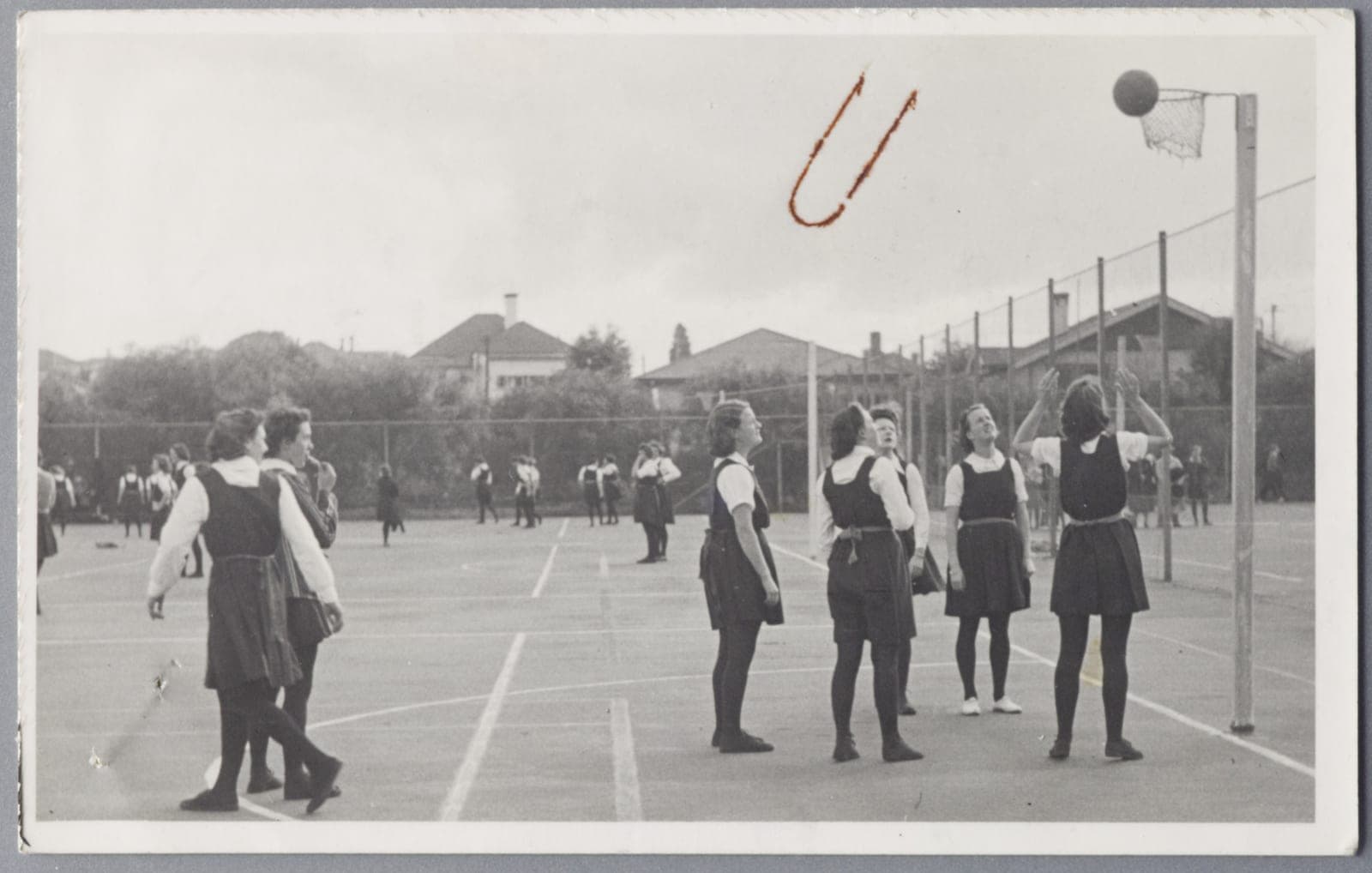
Netball
A non-contact, position-based team sport of quick passing and accurate shooting.

Handball
A fast indoor team sport of passing, jumping and throwing to score with the hands.
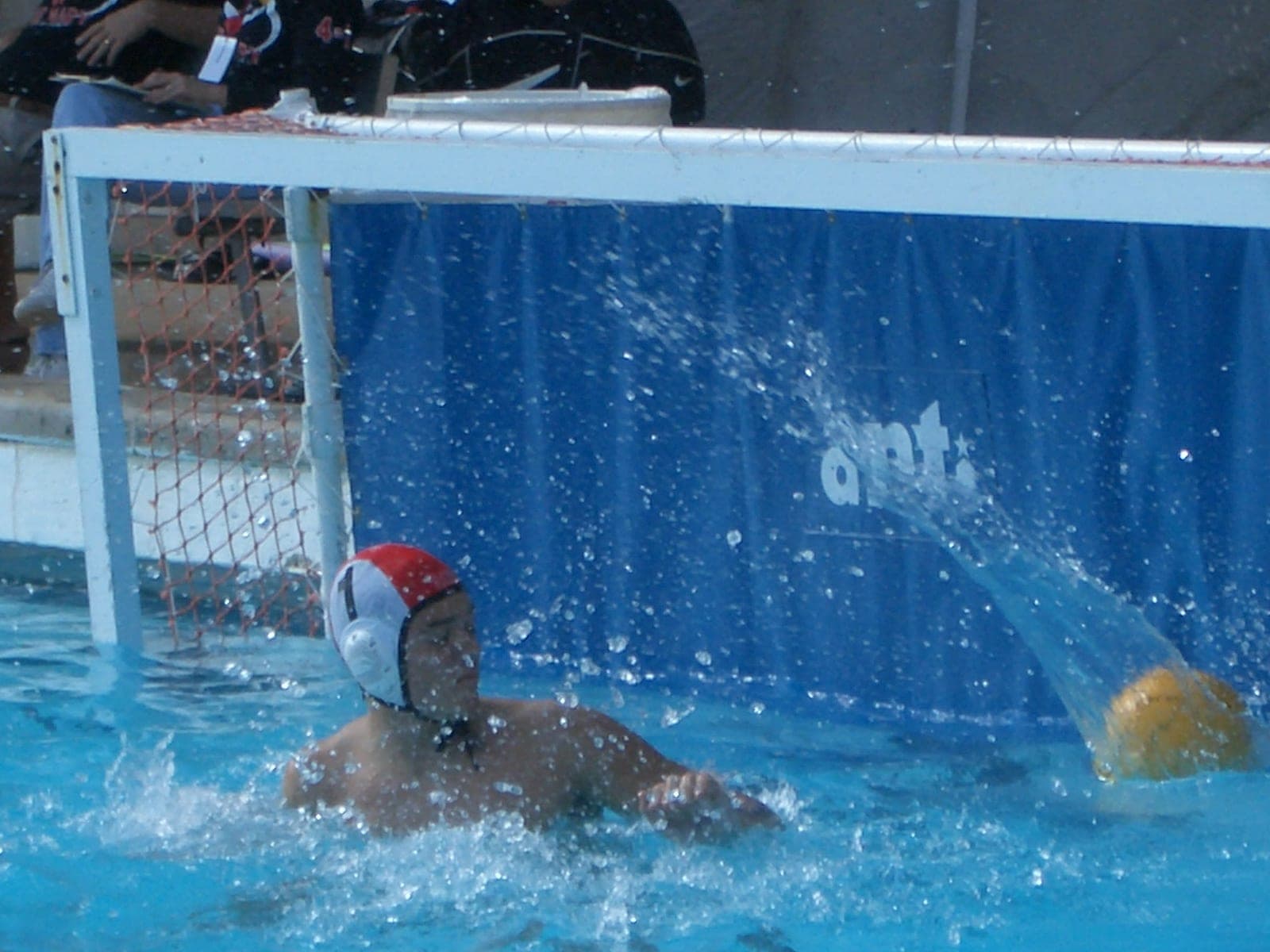
Water Polo
A demanding team sport played in deep water, blending swimming endurance with tactics.

Lacrosse
A fast, stick-and-ball team sport of catching, cradling and shooting a small ball toward a goal.

Ultimate Frisbee
A fast, non-contact team sport played with a flying disc, known for constant running and self-refereeing.
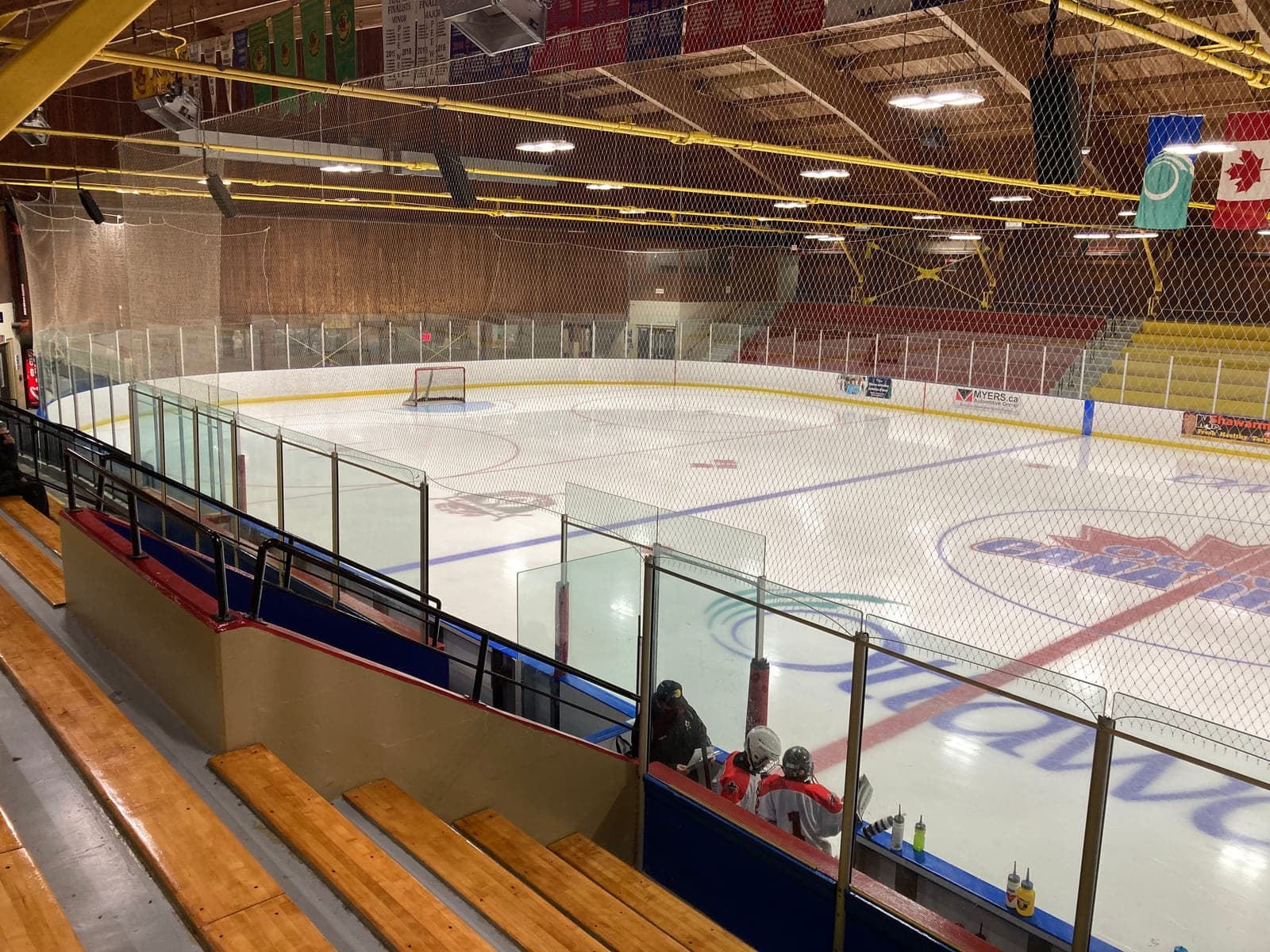
Ice Hockey
A fast team sport on ice that combines skating skill with quick passing and goal-scoring.

Field Hockey
An outdoor team sport that uses curved sticks to move a ball, built on agility and teamwork.
Related strategies
Attacking vs Defensive Balance
The overarching choice a team or athlete makes about how much to commit to creating scoring chances versus avoiding conceding, and when to shift it.
Pacing and Energy Management
Pacing and energy management is the overarching plan for distributing a limited supply of physical effort across an event so you avoid fading early and finish strong.
Controlling Tempo
Controlling tempo is the strategy of dictating the pace and rhythm of play — speeding up or slowing down — to suit your strengths and unsettle opponents.
How it connects
The meaning-bearing relationships that place Zone vs Man Marking in the wider knowledge graph — each one with the reason it exists.
Frequently learned together
Taught side by side in the same stage of a learning path.
- Possession playBoth are taught in the “Understand tactics & strategy” stage of the Water Polo learning path.
- Zone defenceBoth are taught in the “Understand tactics & strategy” stage of the Water Polo learning path.
- Possession vs Direct PlayBoth are taught in the “Understand tactics & strategy” stage of the Water Polo learning path.
- Specialisation vs VersatilityBoth are taught in the “Understand tactics & strategy” stage of the American Football learning path.
- Using Width and SpaceBoth are taught in the “Understand tactics & strategy” stage of the American Football learning path.
Explore across the knowledge base
Follow the threads that connect Zone vs Man Marking to the rest of SocialSportHub.
Tactics
- Possession playA patient football style that keeps the ball through short passing to control the game and tire opponents.
- Zone defenceA defensive system where each player guards an area of the court rather than a specific opponent.
- Man-to-man markingA defensive tactic where each defender is assigned a specific opponent to track and contain.
- Offside trapA defensive football tactic where the back line steps up together to leave an attacker offside.
- High pressA football tactic where a team hunts the ball high up the pitch to win it back close to the opponent’s goal.
Skills
Learning paths
- Learn FootballA structured, educational learning path for football — from the rules to skills, techniques, tactics and training.
- Learn BasketballA structured, educational learning path for basketball — from the rules to skills, techniques, tactics and training.
- Learn HandballA structured, educational learning path for handball — from the rules to skills, techniques, tactics and training.
- Learn NetballA structured, educational learning path for netball — from the rules to skills, techniques, tactics and training.
- Learn Water PoloA structured, educational learning path for water polo — from the rules to skills, techniques, tactics and training.
Go deeper with Zone vs Man Marking
Everywhere else on the platform that covers Zone vs Man Marking — assembled from what actually references it, so nothing here is a dead end.
Learn it
Structured courses and paths on the platform that cover this directly.
How this page is maintained
- Content type
- Strategy
- Provenance
- Tier A — evergreen educational
- Verified external sources
- 0
- Content updated
- 2026-09-12
Evergreen, first-party explanation — it makes no claim that needs an external source. How we handle sources and reviews.