
All-Rounder
An all-rounder is a versatile player who contributes across attack and defence rather than specialising in a single phase, position, or skill.
Overview
An all-rounder is a functional role rather than a fixed position: it describes the job a player does across a match instead of the slot they line up in. The defining feature is breadth of contribution. Where a specialist concentrates on one phase of play or one signature skill, an all-rounder is expected to help in several, typically both when the team has the ball and when it does not. Because it is a role rather than a position, the same archetype turns up under different names from sport to sport, and a single player can be an all-rounder while occupying a position that also has more specialised variants alongside them.
The way an all-rounder shows up depends on how each sport divides its phases. In cricket the term is at its most literal: an all-rounder contributes with both bat and ball, and usually in the field as well, rather than being picked for one discipline alone. In invasion and court sports the emphasis shifts to attack and defence — a two-way contributor who defends, wins the ball back, and then joins the attack. This appears as the box-to-box central midfielder in football, the versatile two-way forward in basketball and ice hockey, the two-way midfielder in lacrosse, the all-court centre in netball, and the utility field player in water polo, handball and field hockey. The common thread is transition: because an all-rounder is already involved at both ends, they are often the player linking a turnover in defence to a chance in attack. The trade-off is that breadth can come at the expense of a specialist's peak in any one area, which is exactly why teams value the balance and flexibility an all-rounder provides.
Responsibilities
- Role, not position: 'all-rounder' names the job (contribute in multiple phases), while positions are the sport-specific slots that job can fill. The same archetype is a central midfielder in football, a versatile forward in basketball, and the centre in netball — which is why it links to positions rather than being one.
- Two-way contribution is the core idea: the player helps when the team is defending and when it is attacking, instead of being assigned to only one end. This makes them especially useful in transition moments, when possession changes and a player who is already engaged at both ends can carry play forward.
- Cricket gives the term its original, most literal meaning: an all-rounder is picked to contribute with both bat and ball, and usually fields well too. Here 'multiple phases' means separate disciplines rather than attack and defence, showing how the same role adapts to a sport's own structure.
- There is a genuine trade-off between breadth and specialisation. An all-rounder may not reach the ceiling of a pure specialist in a single skill, but offers adaptability, balance and cover across roles — letting a team rotate, respond to how a match unfolds, and avoid depending on one narrow strength.
- Developing as an all-rounder emphasises a broad base of fundamentals over a single standout skill: passing to link play, tackling and marking to defend, dribbling, shooting or throwing to attack, and the fitness to cover ground at both ends. The aim is reliable, well-rounded contribution rather than one specialised peak.
Where it’s used
Sports that use all-rounder:
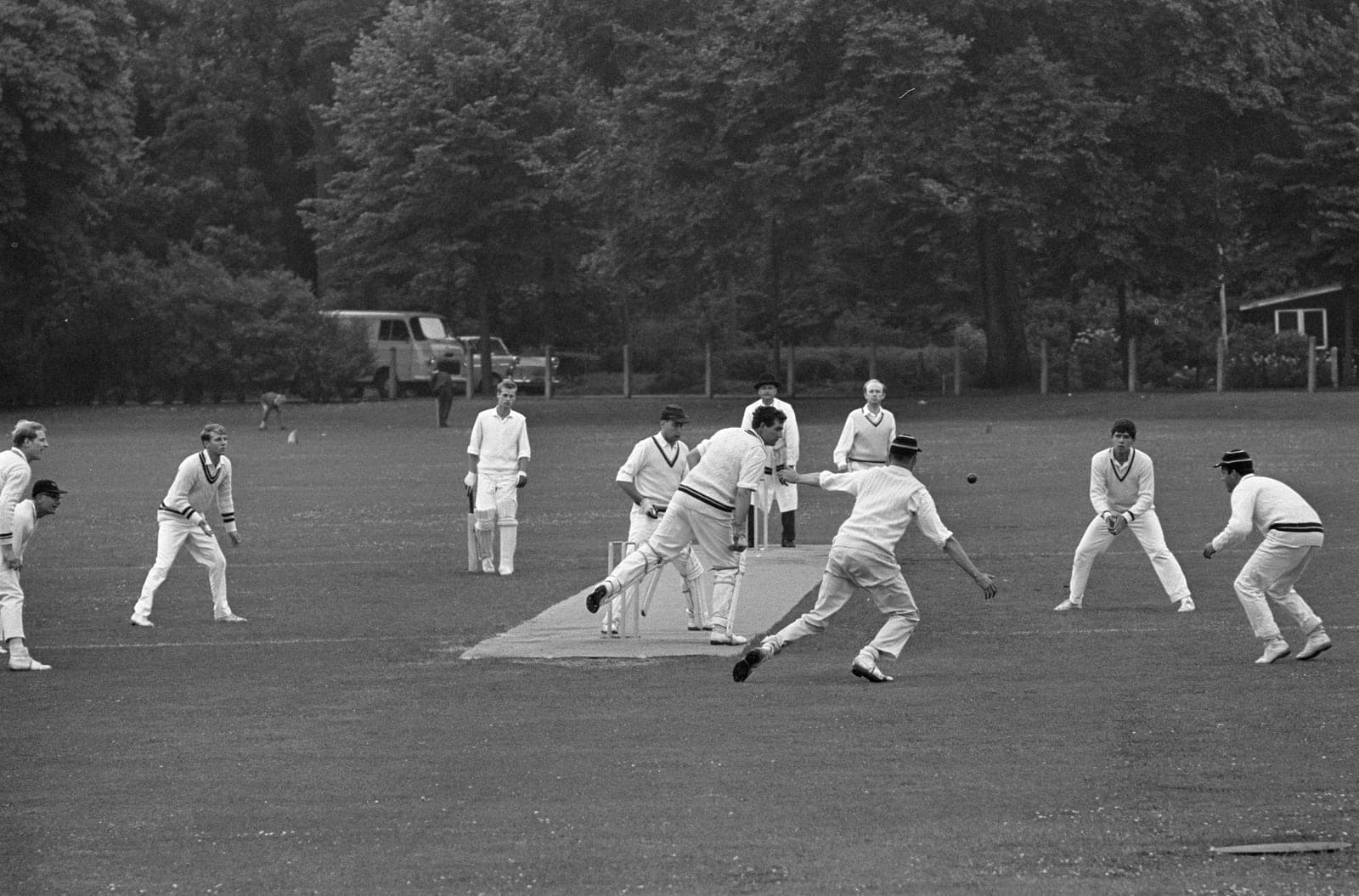
Cricket
A bat-and-ball team sport where sides take turns to bat and to bowl and field, scoring runs.
Football
The world’s most popular team sport — endless running, teamwork and community in one game.
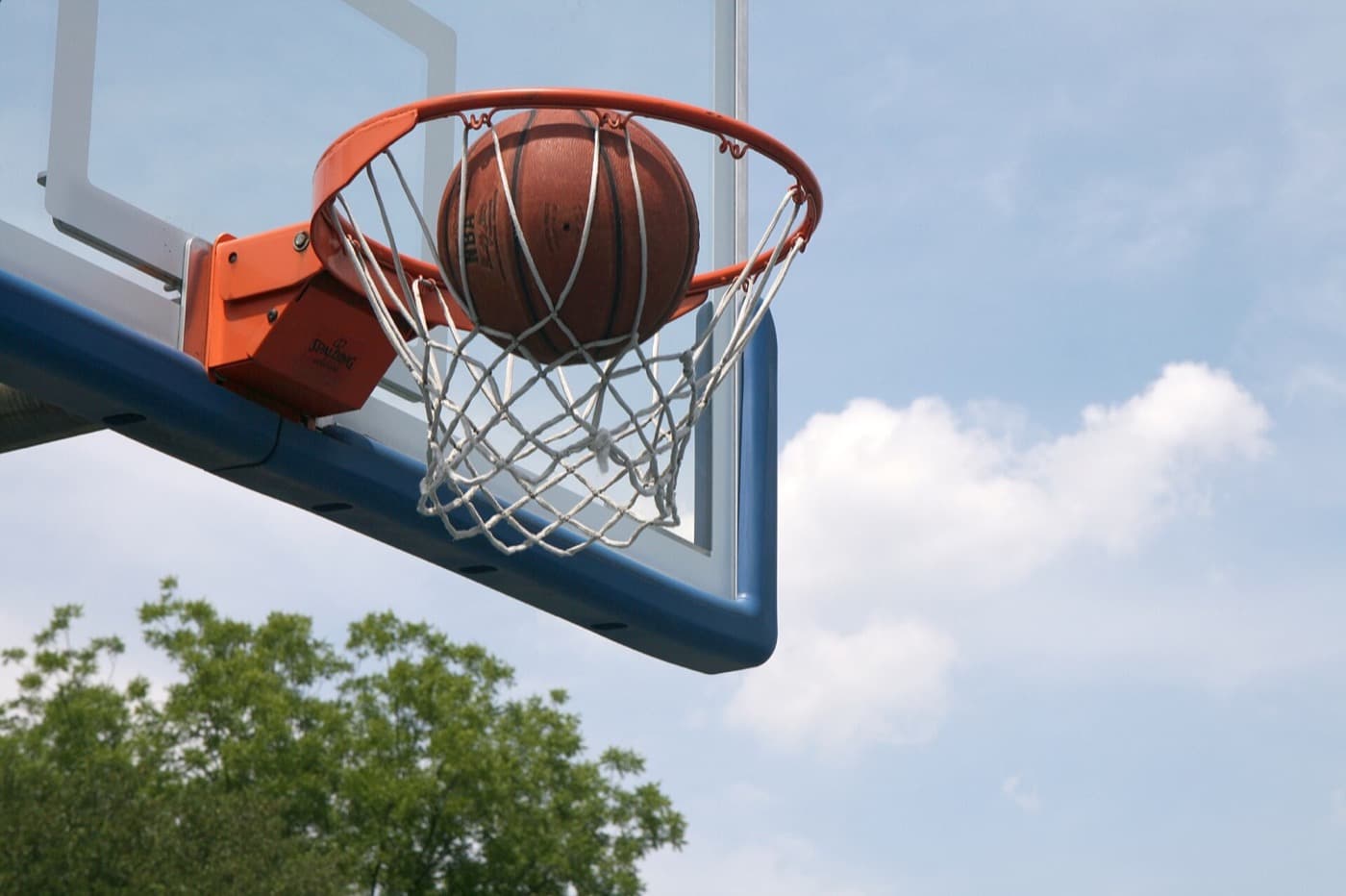
Basketball
A fast, dynamic team sport of running, jumping and quick decisions on court.
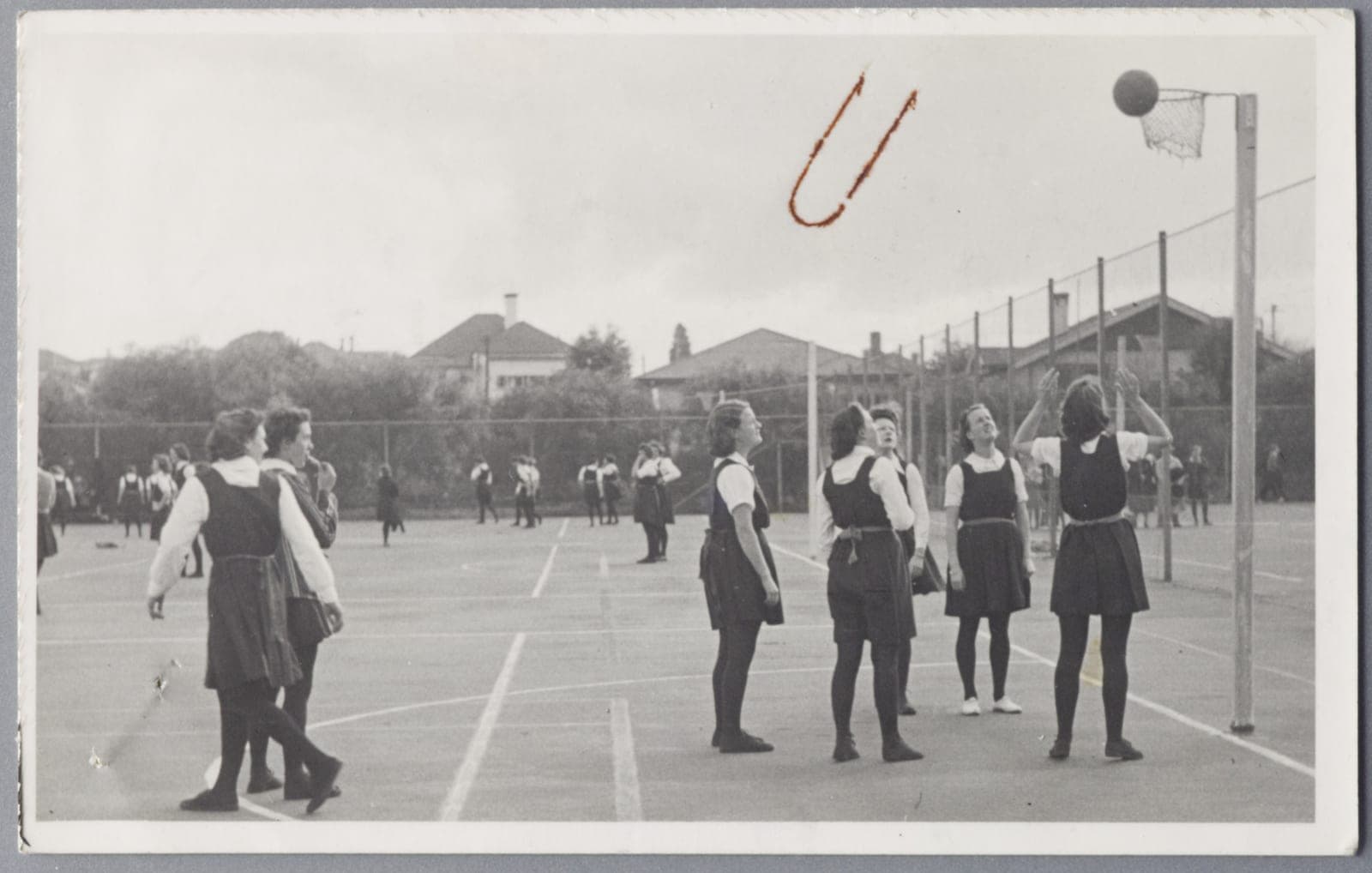
Netball
A non-contact, position-based team sport of quick passing and accurate shooting.
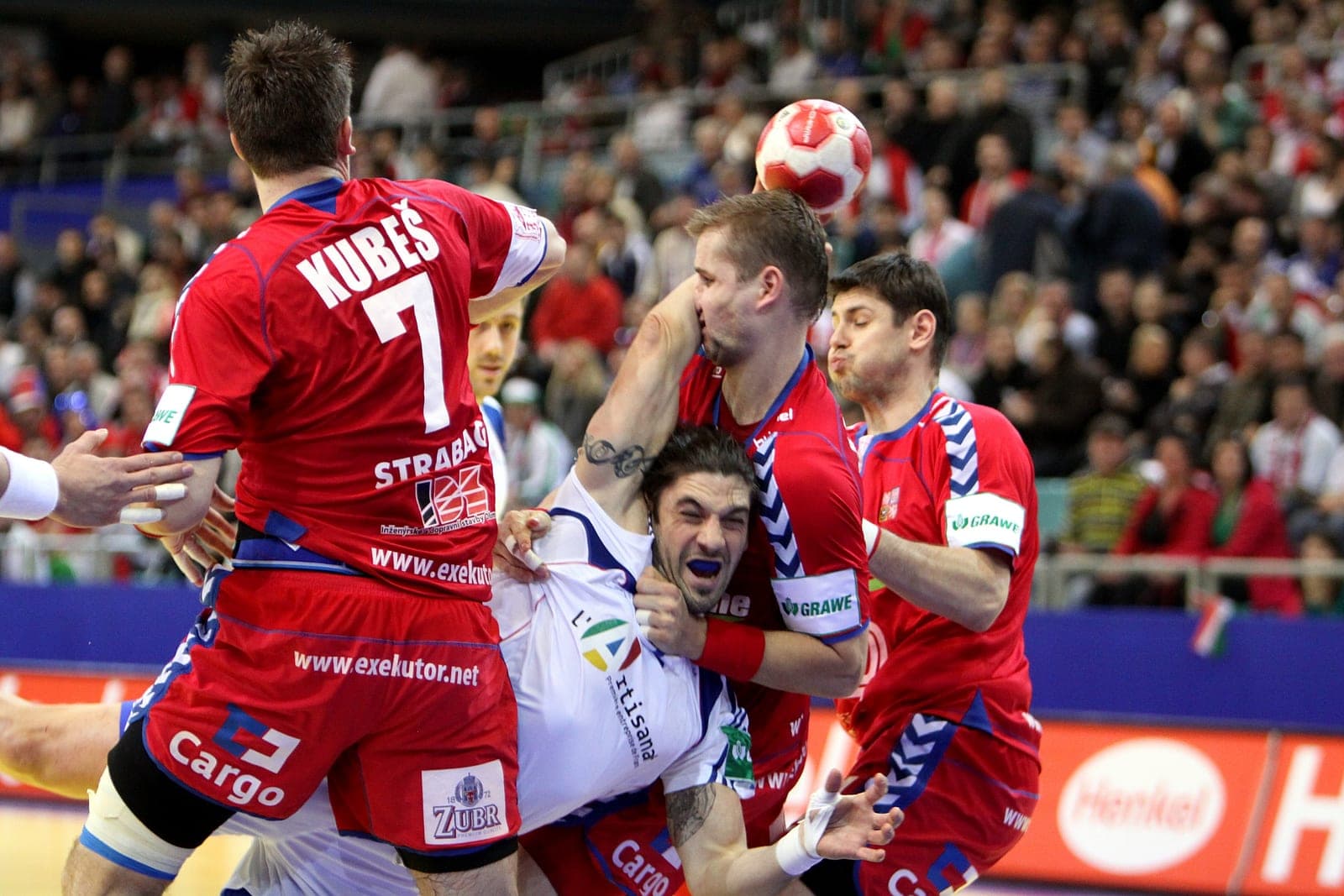
Handball
A fast indoor team sport of passing, jumping and throwing to score with the hands.
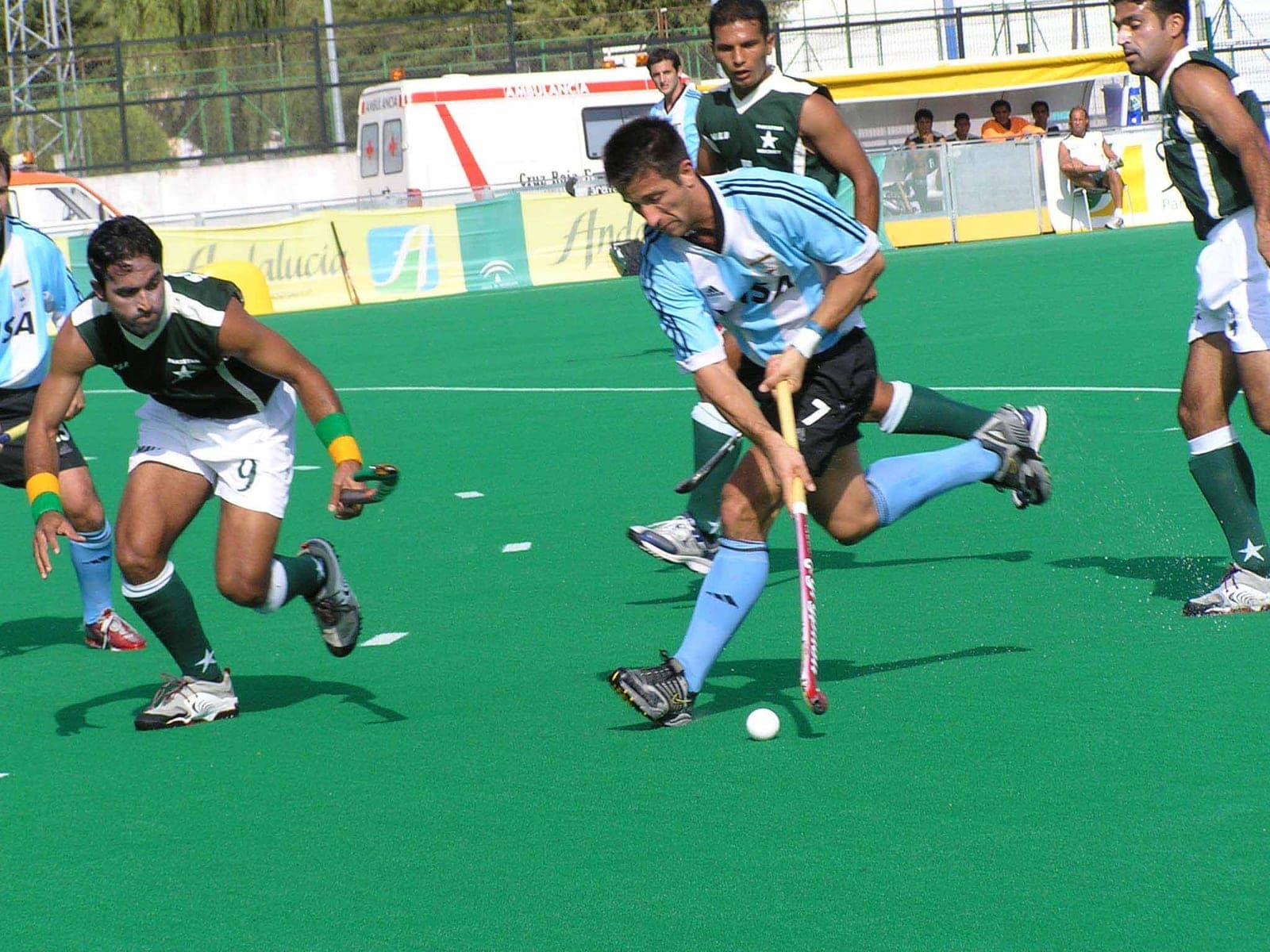
Field Hockey
An outdoor team sport that uses curved sticks to move a ball, built on agility and teamwork.
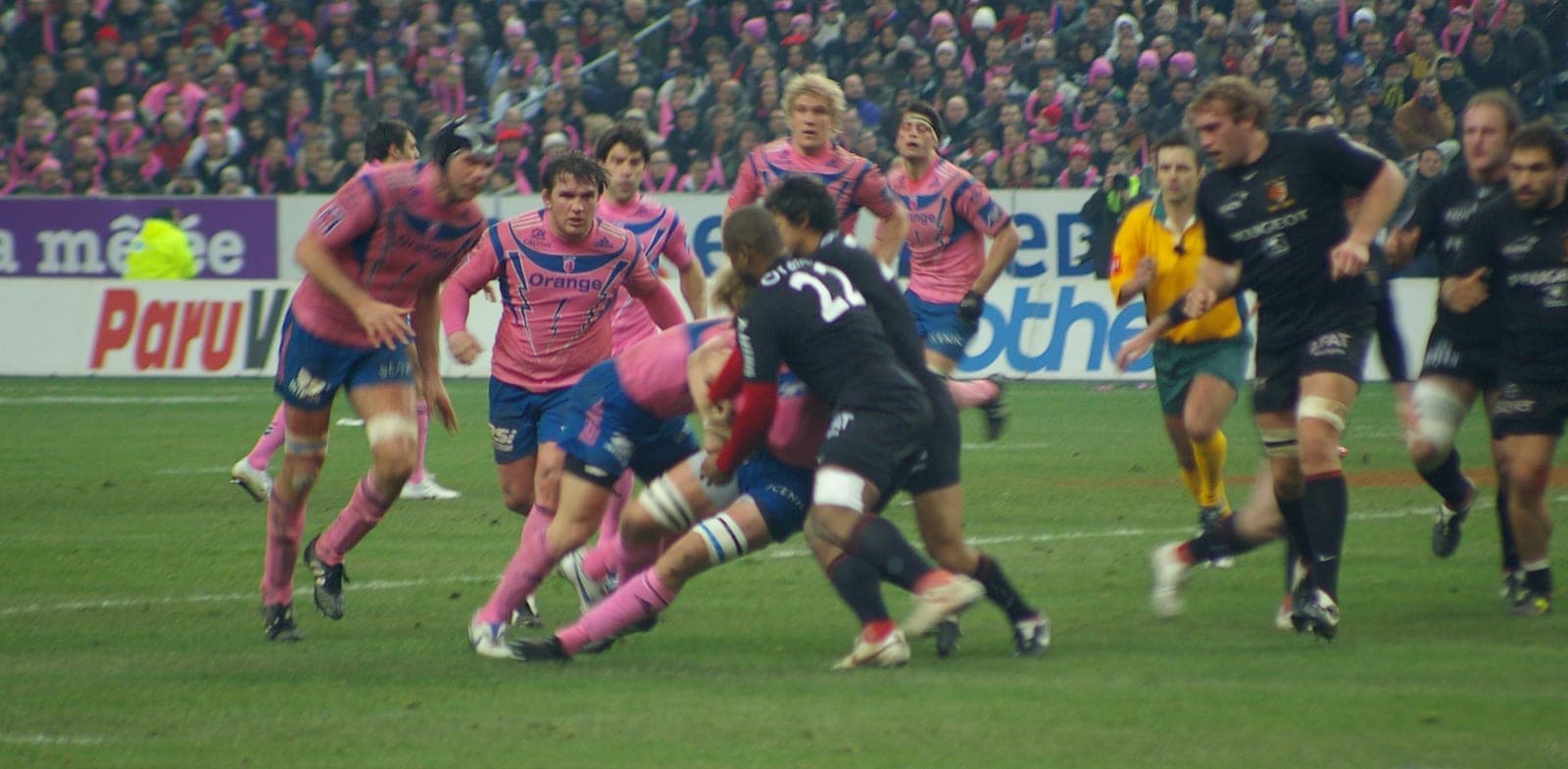
Rugby
A physical team sport of carrying, passing and kicking an oval ball toward the opposing line.
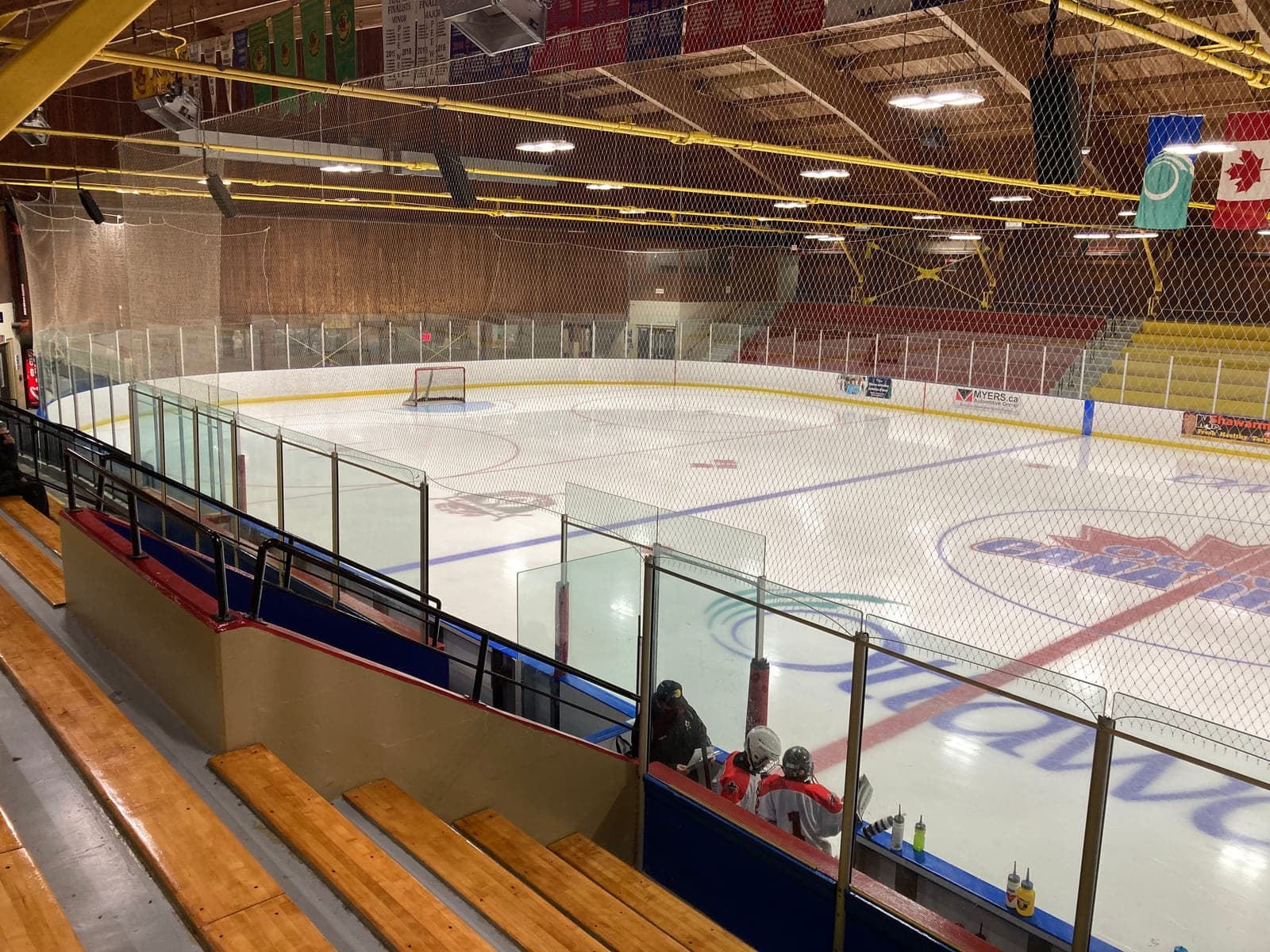
Ice Hockey
A fast team sport on ice that combines skating skill with quick passing and goal-scoring.
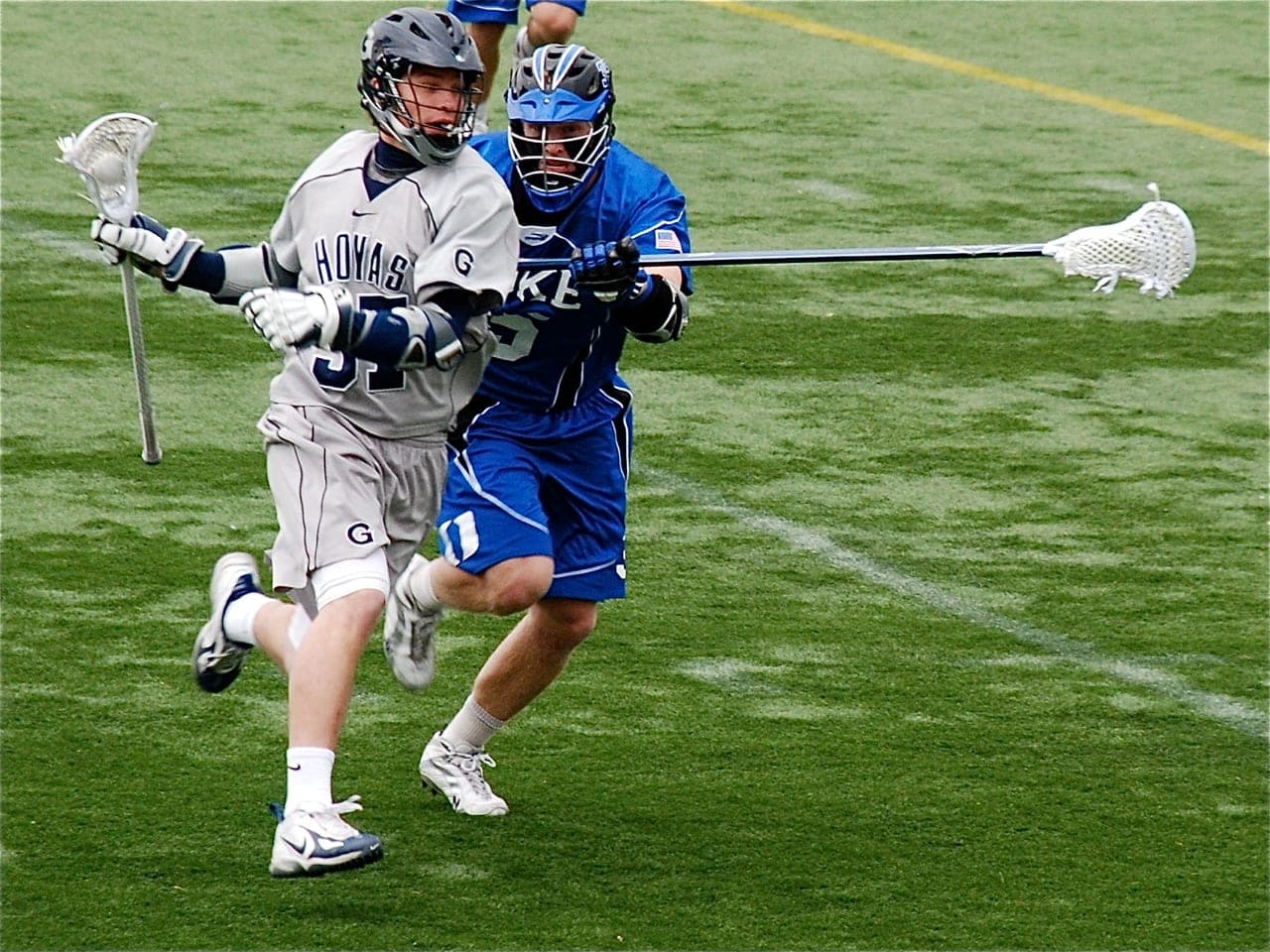
Lacrosse
A fast, stick-and-ball team sport of catching, cradling and shooting a small ball toward a goal.
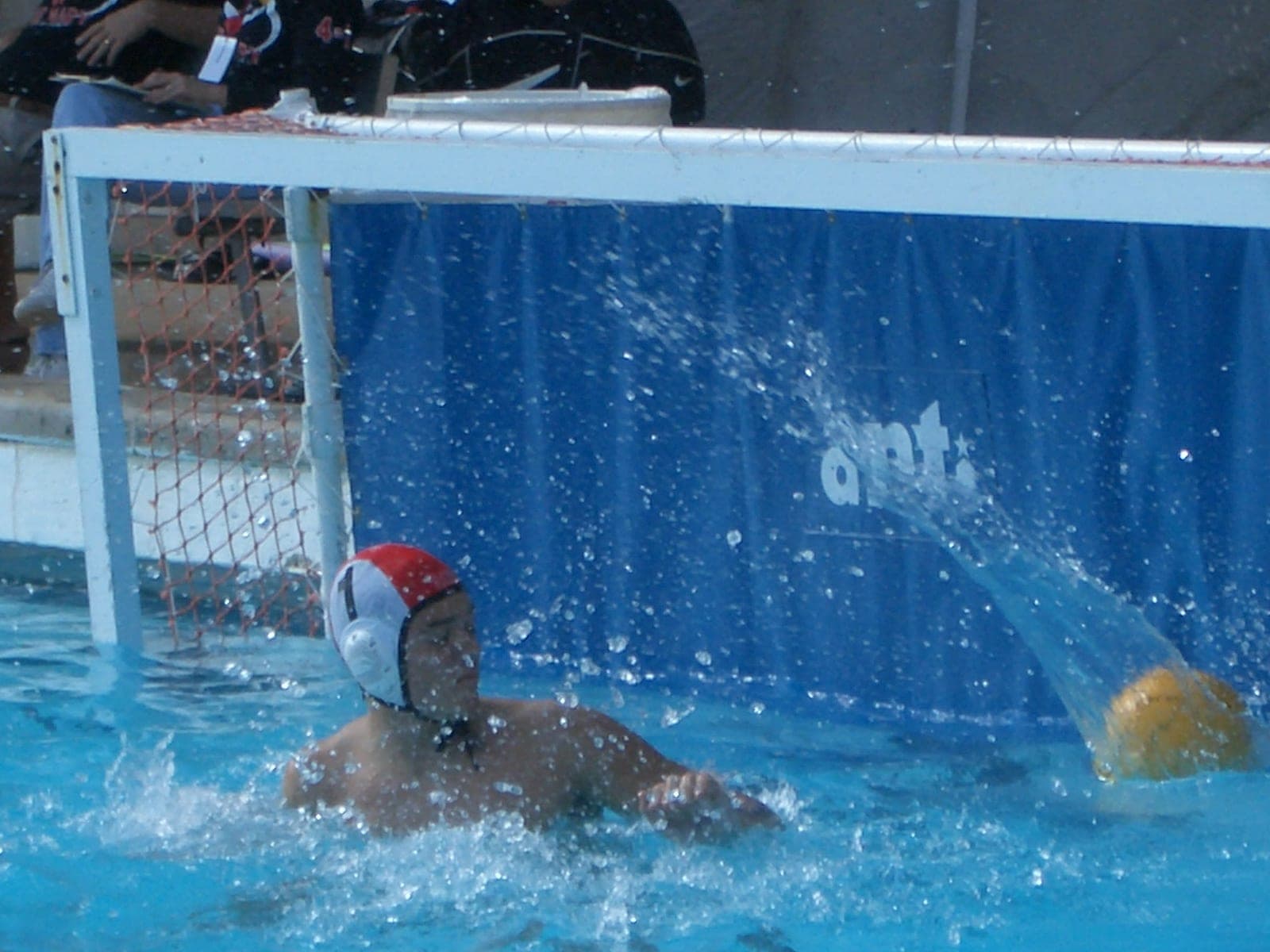
Water Polo
A demanding team sport played in deep water, blending swimming endurance with tactics.
Related player roles
Playmaker
The playmaker is a team's creative hub — the player who orchestrates attacks, controls the tempo and distributes the ball so teammates can score.
Finisher
A finisher is the attacking outlet in a team sport whose main job is converting chances into points — the striker, goal shooter or go-to scorer.
Captain
The captain is a team's on-field leader who communicates, makes in-game decisions and sets standards — a role any player can hold, not a fixed position.
How it connects
The meaning-bearing relationships that place All-Rounder in the wider knowledge graph — each one with the reason it exists.
Frequently learned together
Taught side by side in the same stage of a learning path.
- Cricket fielding positionsBoth are taught in the “Find your position or role” stage of the Cricket learning path.
- CaptainBoth are taught in the “Find your position or role” stage of the Cricket learning path.
- PivotBoth are taught in the “Find your position or role” stage of the Handball learning path.
- Wing (handball)Both are taught in the “Find your position or role” stage of the Handball learning path.
- PlaymakerBoth are taught in the “Find your position or role” stage of the Handball learning path.
Explore across the knowledge base
Follow the threads that connect All-Rounder to the rest of SocialSportHub.
Positions
- Cricket fielding positionsHow cricket names the places a fielder can stand — the off-side and leg-side halves, the forward and behind-square split, and why the same spot has a different name for each batter.
- PivotThe pivot is a handball attacker who plays close to the opposition defence, setting screens and looking for chances near the goal area.
- Wing (handball)The handball wing plays wide on the left or right of the attack, using speed to finish fast breaks and shoot from tight angles near the sideline.
- Central midfielderA central midfielder operates in the middle of the pitch, linking defence and attack while contributing to both.
- Small forwardThe small forward is a versatile wing player in basketball who can score inside and outside while also defending multiple positions.
Skills
- PassingThe skill of moving the ball to a teammate accurately to keep possession and create chances.
- TacklingThe skill of legally challenging an opponent to win the ball or stop their progress.
- MarkingThe defensive skill of staying close to an opponent to limit their space and options.
- TraversingThe skill of moving across a snow slope rather than straight down it, holding speed steady.
- SettingThe volleyball skill of accurately placing the ball for a teammate to attack.
Tactics
- Counter-attackWinning the ball and moving forward at speed to attack before the opponent can reorganise their defence.
- Zone defenceA defensive system where each player guards an area of the court rather than a specific opponent.
- Phase playHow rugby union teams attack by keeping the ball through successive rucks — what a phase is, why phases move a defence, and the cost that eventually makes a team stop.
- Full-court pressAn aggressive basketball defence that pressures the ball across the whole court to force turnovers.
Learning paths
- Learn FootballA structured, educational learning path for football — from the rules to skills, techniques, tactics and training.
- Learn BasketballA structured, educational learning path for basketball — from the rules to skills, techniques, tactics and training.
- Learn RugbyA structured, educational learning path for rugby — from the rules to skills, techniques, tactics and training.
- Learn CricketA structured, educational learning path for cricket — from the rules to skills, techniques, tactics and training.
- Learn HandballA structured, educational learning path for handball — from the rules to skills, techniques, tactics and training.
Disciplines
- Individual medleyThe individual medley (IM) combines all four strokes in a set order — butterfly, backstroke, breaststroke, then freestyle — testing all-round swimming across a single event.
- Giant SlalomGiant slalom pairs technical turning with more speed, using gates set farther apart than slalom so skiers make longer, rounder, carved turns.
Go deeper with All-Rounder
Everywhere else on the platform that covers All-Rounder — assembled from what actually references it, so nothing here is a dead end.
Learn it
Structured courses and paths on the platform that cover this directly.
How this page is maintained
- Content type
- Player role
- Provenance
- Tier A — evergreen educational
- Verified external sources
- 0
- Content updated
- 2026-09-12
Evergreen, first-party explanation — it makes no claim that needs an external source. How we handle sources and reviews.