
Captain
The captain is a team's on-field leader who communicates, makes in-game decisions and sets standards — a role any player can hold, not a fixed position.
Overview
A captain is the player a team designates to lead from within during play. The role is defined by responsibility rather than by a spot on the field: while a position describes where a player operates and what they physically do, captaincy is the job of communicating, making decisions and setting standards for the group. Because it is a role and not a position, almost any player can be chosen to captain — a goalkeeper, a central defender, a midfield organiser, a point guard or a setter — and the same underlying job appears across many team sports even when the title, badge or armband differs from one game to the next.
In practice, the captain acts as the team's on-field reference point. In many sports the captain is the player formally allowed to speak with match officials, so composure and clear communication matter as much as playing skill. Captains often lead the decisions that shape a contest — calling or responding to the coin toss, choosing ends or possession, organising formations and set-pieces, and selecting between options the rules permit. Alongside these calls, the captain sets standards of effort, discipline and conduct, encourages teammates through momentum swings and helps hold the group to a shared approach. The role complements rather than replaces coaching: selection and preparation happen off the field, while the captain carries that plan into live play and adapts it in real time when the coach cannot intervene.
Responsibilities
- Role, not position: captaincy is defined by leadership responsibility, so it can be given to a player in almost any role — from a goalkeeper who organises the defence to a point guard who directs the attack.
- Communication with officials: many sports designate the captain as the player who may raise questions or seek clarification with referees or umpires, which makes calm, clear communication a core part of the job.
- In-game decisions: captains frequently lead choices such as calling the coin toss, picking ends or possession, arranging formations and set-pieces, and choosing between options the rules allow during play.
- Setting standards: the captain models effort, discipline and composure, encourages teammates during difficult passages, and helps keep the group aligned on shared standards of conduct.
- A bridge to the coach: tactics and selection are set off the field, and the captain carries that plan onto it — reading the game and adjusting in the moment when staff cannot step in.
Where it’s used
Sports that use captain:

Football
The world’s most popular team sport — endless running, teamwork and community in one game.
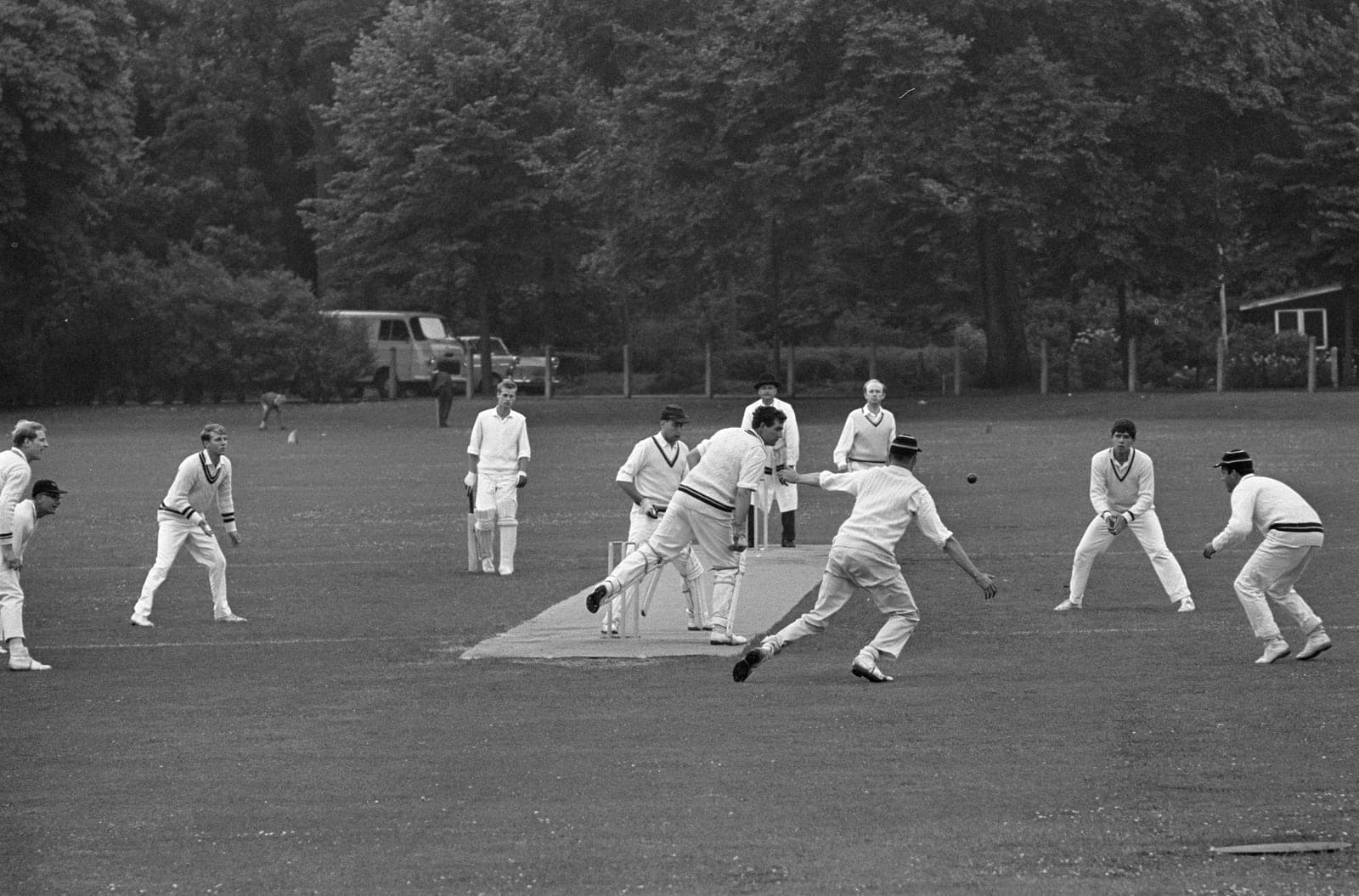
Cricket
A bat-and-ball team sport where sides take turns to bat and to bowl and field, scoring runs.
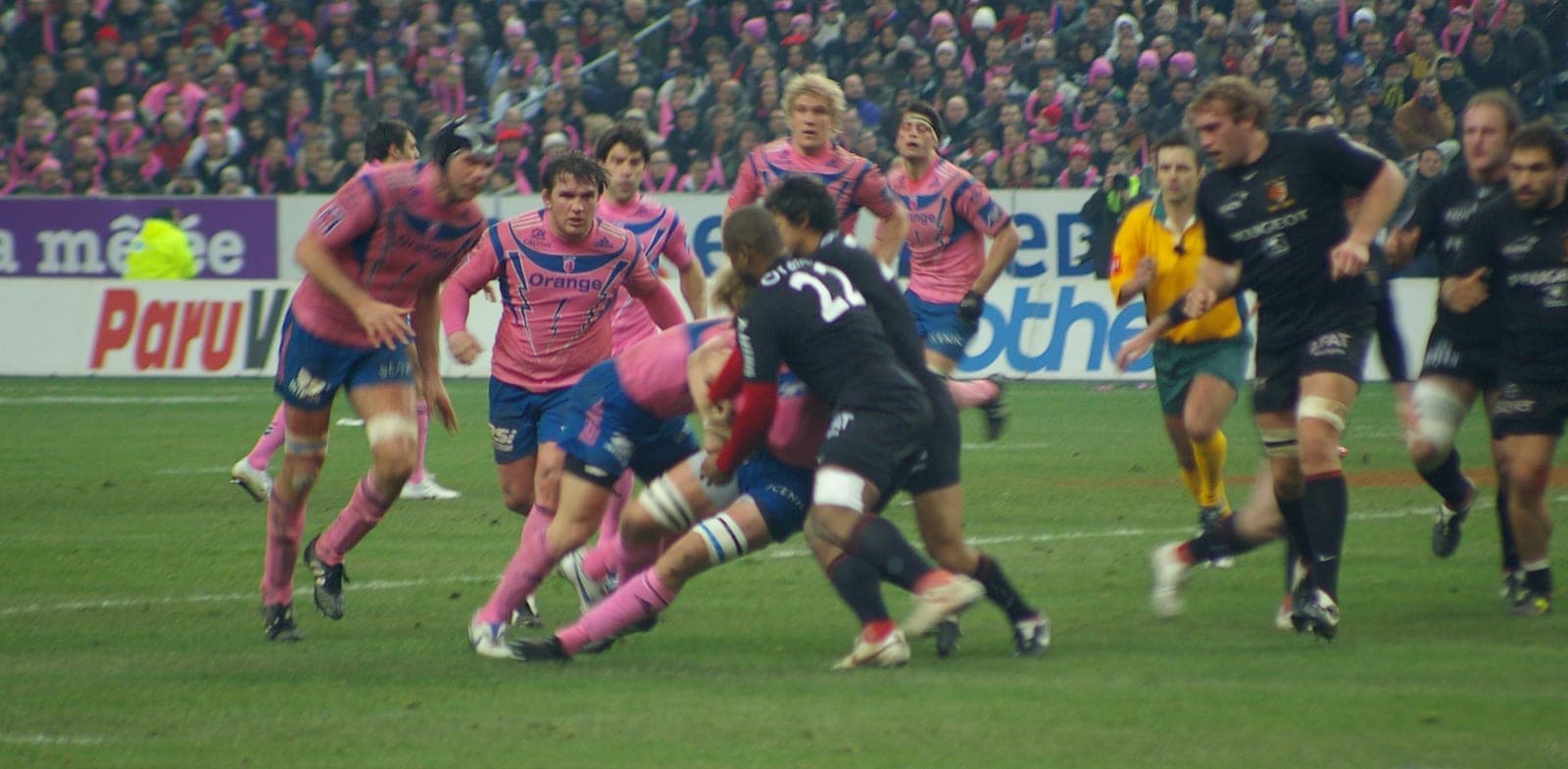
Rugby
A physical team sport of carrying, passing and kicking an oval ball toward the opposing line.
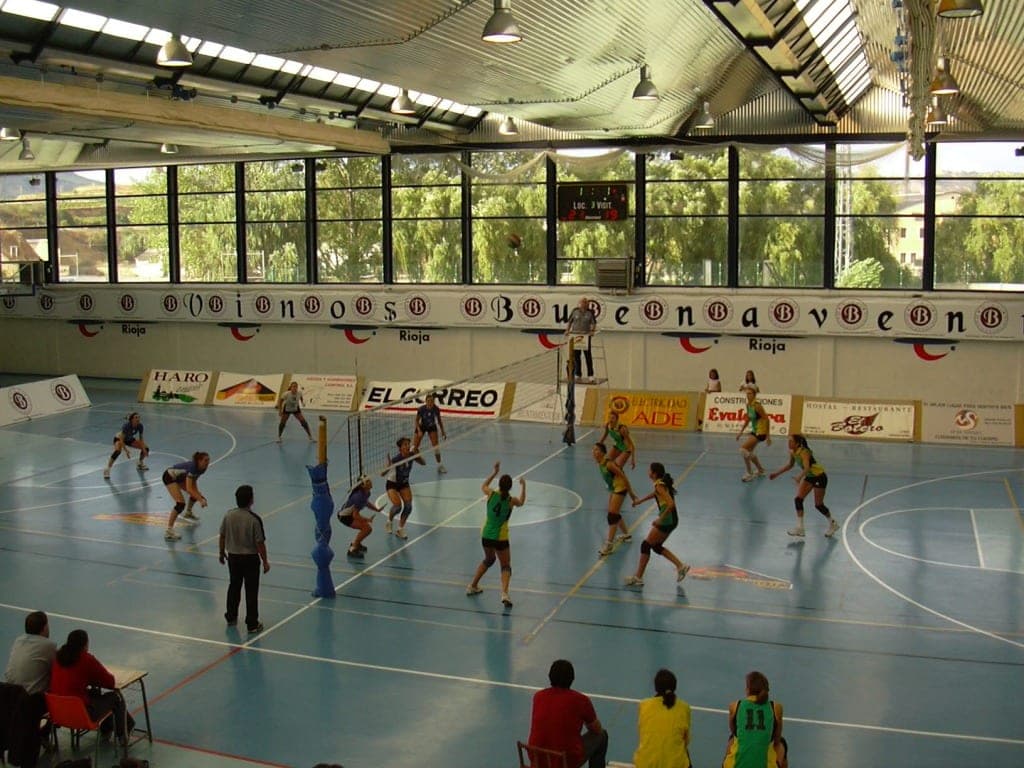
Volleyball
A non-contact team sport of rallies, jumps and teamwork — indoors or on the beach.

Basketball
A fast, dynamic team sport of running, jumping and quick decisions on court.
Ice Hockey
A fast team sport on ice that combines skating skill with quick passing and goal-scoring.
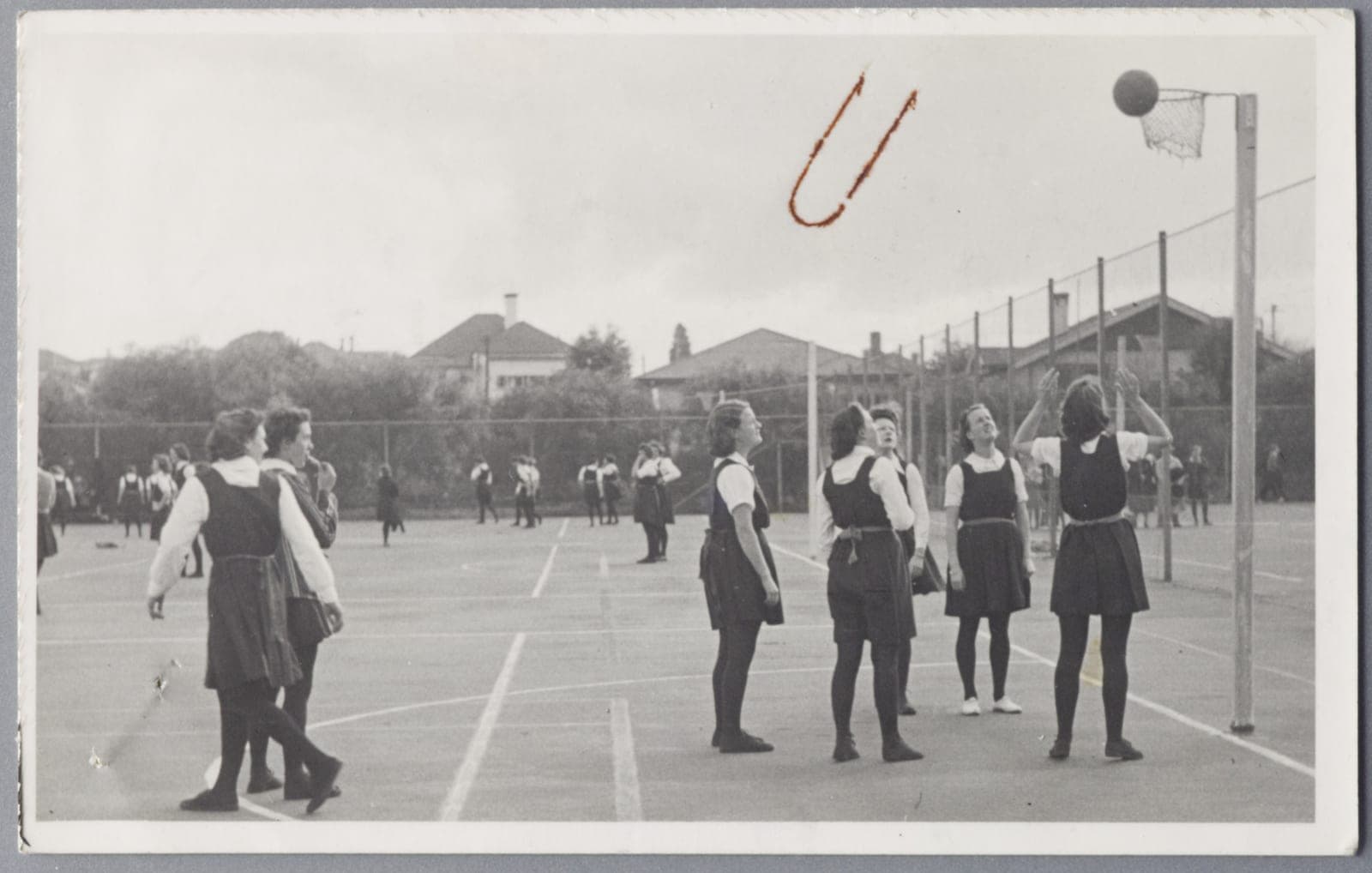
Netball
A non-contact, position-based team sport of quick passing and accurate shooting.
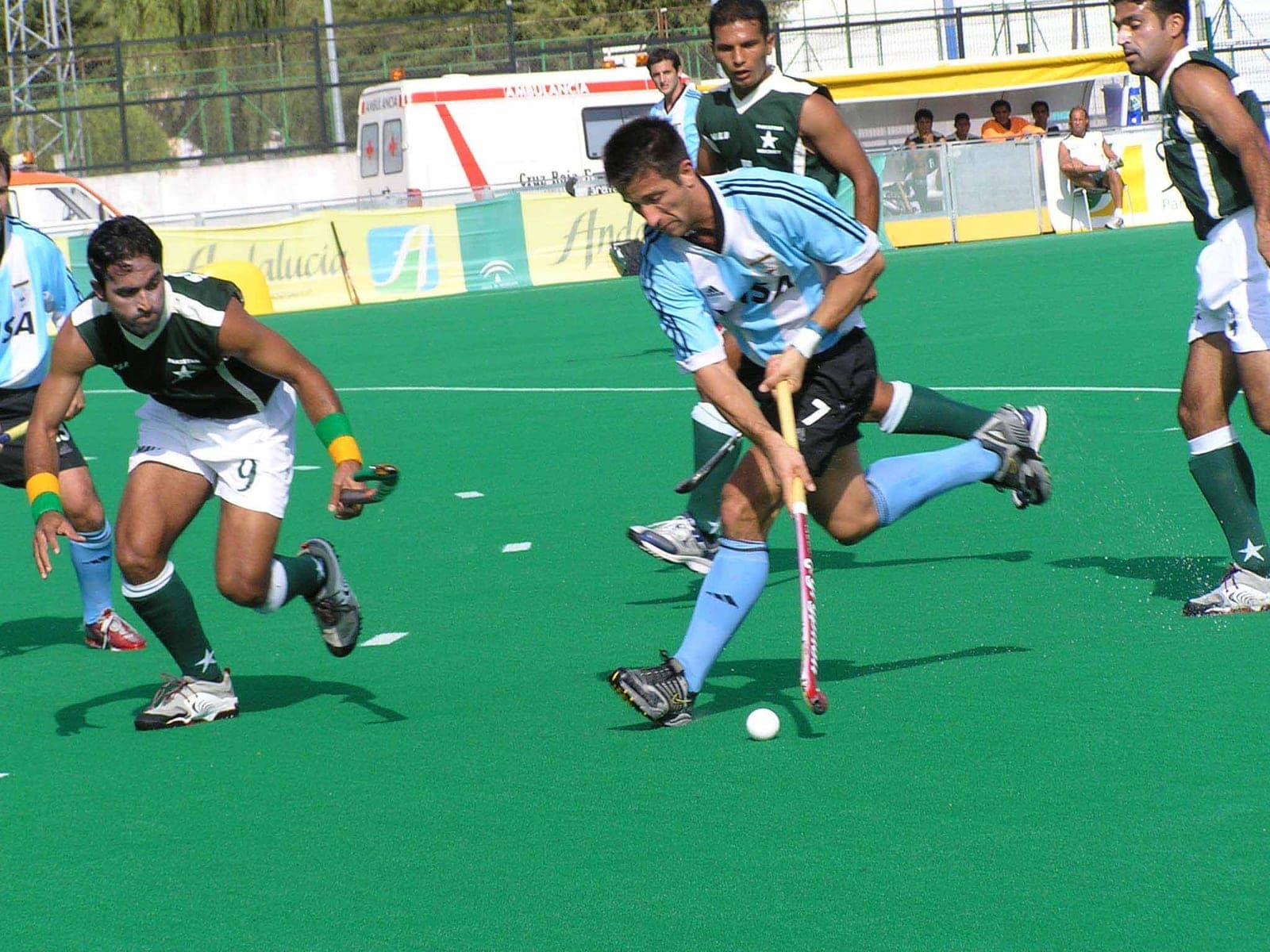
Field Hockey
An outdoor team sport that uses curved sticks to move a ball, built on agility and teamwork.
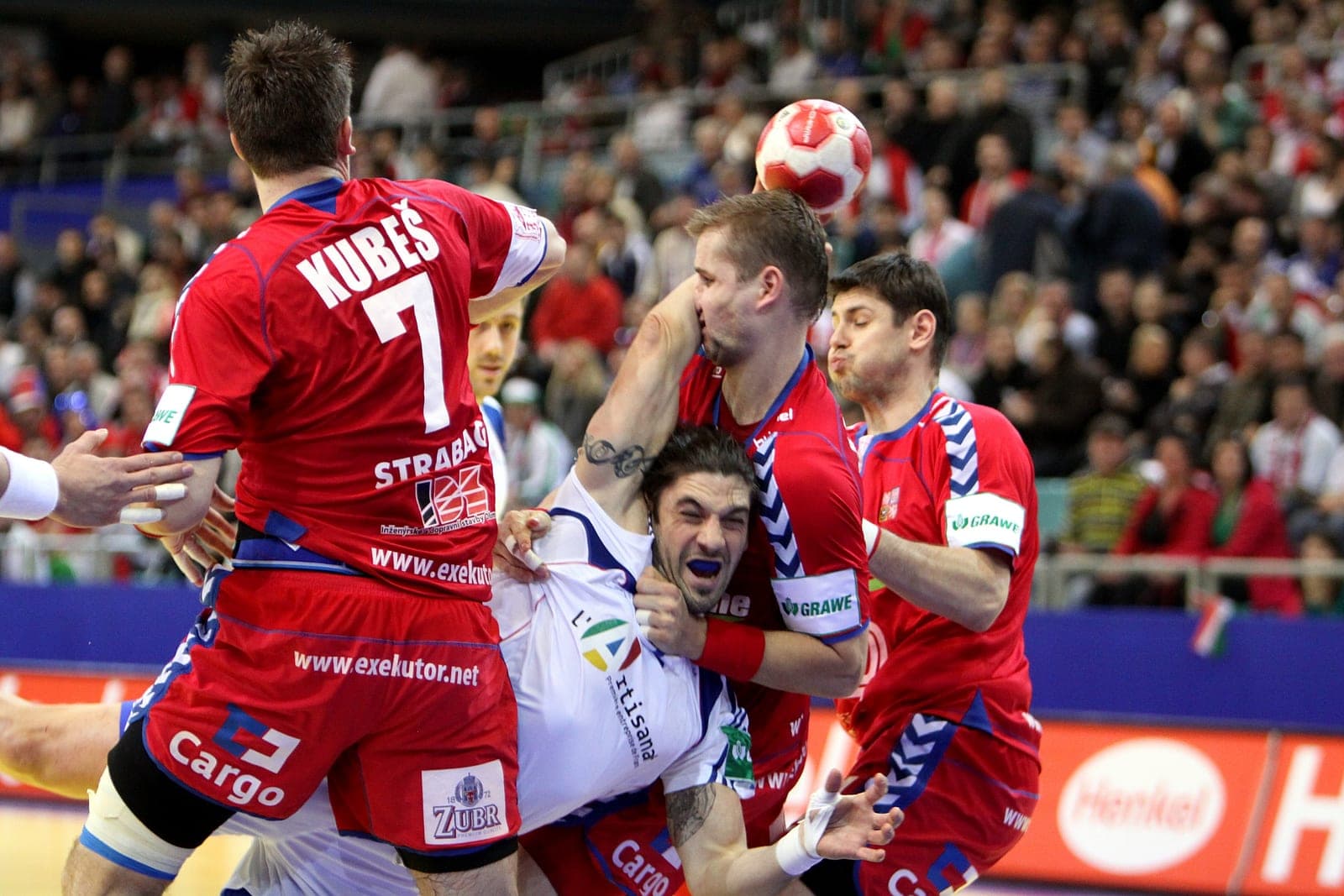
Handball
A fast indoor team sport of passing, jumping and throwing to score with the hands.
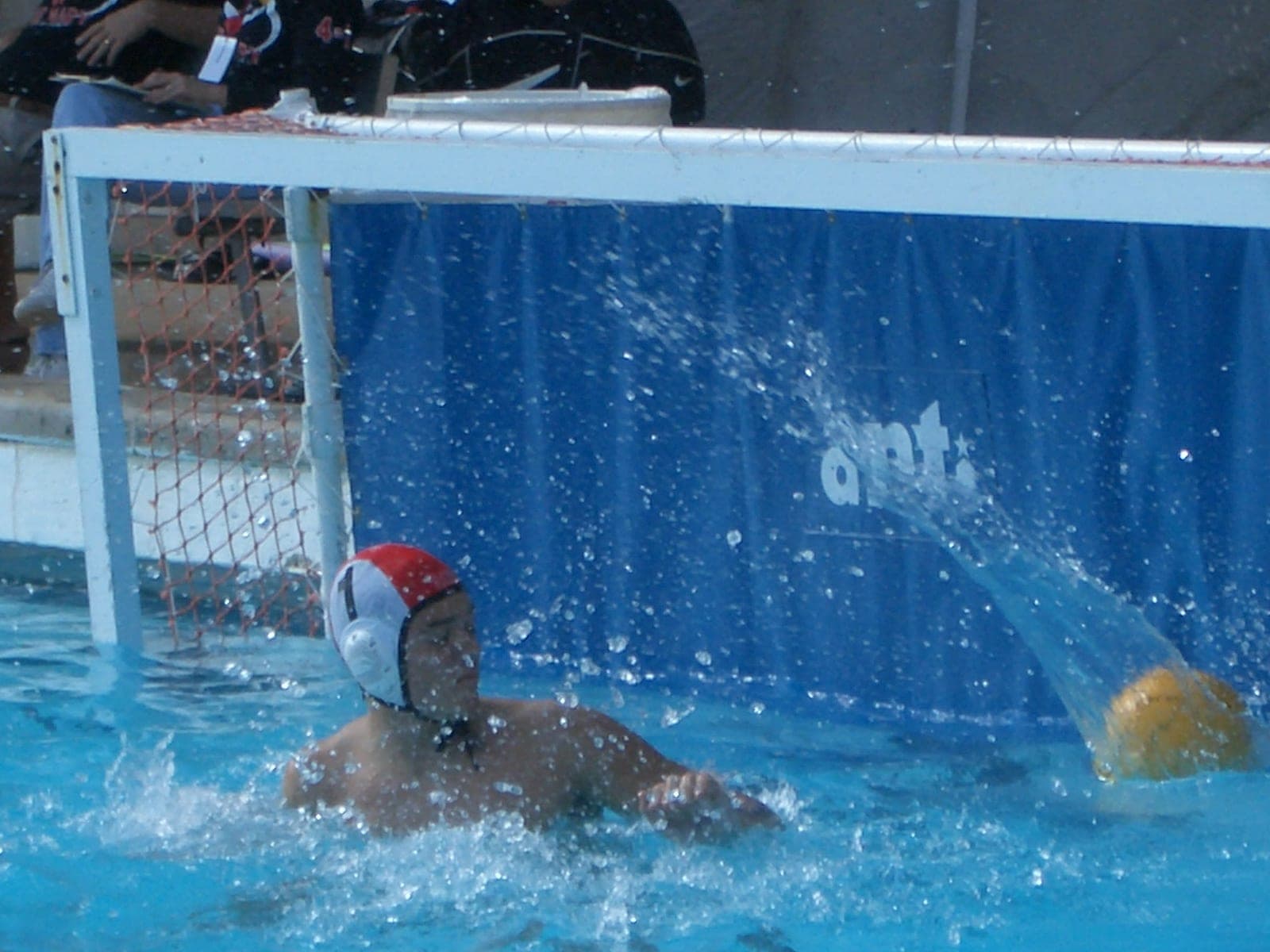
Water Polo
A demanding team sport played in deep water, blending swimming endurance with tactics.
Related player roles
Playmaker
The playmaker is a team's creative hub — the player who orchestrates attacks, controls the tempo and distributes the ball so teammates can score.
Finisher
A finisher is the attacking outlet in a team sport whose main job is converting chances into points — the striker, goal shooter or go-to scorer.
All-Rounder
An all-rounder is a versatile player who contributes across attack and defence rather than specialising in a single phase, position, or skill.
How it connects
The meaning-bearing relationships that place Captain in the wider knowledge graph — each one with the reason it exists.
Frequently learned together
Taught side by side in the same stage of a learning path.
- Cricket fielding positionsBoth are taught in the “Find your position or role” stage of the Cricket learning path.
- All-RounderBoth are taught in the “Find your position or role” stage of the Cricket learning path.
- PivotBoth are taught in the “Find your position or role” stage of the Handball learning path.
- Wing (handball)Both are taught in the “Find your position or role” stage of the Handball learning path.
- PlaymakerBoth are taught in the “Find your position or role” stage of the Handball learning path.
Explore across the knowledge base
Follow the threads that connect Captain to the rest of SocialSportHub.
Positions
- Cricket fielding positionsHow cricket names the places a fielder can stand — the off-side and leg-side halves, the forward and behind-square split, and why the same spot has a different name for each batter.
- PivotThe pivot is a handball attacker who plays close to the opposition defence, setting screens and looking for chances near the goal area.
- Wing (handball)The handball wing plays wide on the left or right of the attack, using speed to finish fast breaks and shoot from tight angles near the sideline.
- Point guardThe point guard is basketball’s primary ball-handler and playmaker, running the offence and setting up teammates to score.
- SetterThe setter is volleyball’s playmaker, taking the team’s second contact and delivering accurate sets for hitters to attack.
Learning paths
- Learn FootballA structured, educational learning path for football — from the rules to skills, techniques, tactics and training.
- Learn BasketballA structured, educational learning path for basketball — from the rules to skills, techniques, tactics and training.
- Learn VolleyballA structured, educational learning path for volleyball — from the rules to skills, techniques, tactics and training.
- Learn RugbyA structured, educational learning path for rugby — from the rules to skills, techniques, tactics and training.
- Learn CricketA structured, educational learning path for cricket — from the rules to skills, techniques, tactics and training.
Sports communication
- Captain communicationHow a team's designated captain relays decisions, sets a tone and — in many sports — acts as the recognised point of contact with officials.
- Leadership communicationHow players who lead — captains or not — communicate to organise, encourage and give direction, drawing teammates into a shared plan.
- Role clarityEveryone on a team understanding what their own job is — and their teammates' — so effort is not wasted on overlap or gaps.
Decision making
- Pacing decisionsIn-the-moment choices about how to spend energy over time — when to push, hold back, conserve or surge.
- When to keep possessionJudging when to hold and recycle the ball rather than force a forward option — choosing patience and control over immediate progress.
- Reading spaceSeeing where space is — and is not — on the field or court, and using it to decide where to move, pass or play.
Tactics
- Territory versus possessionRugby union's central strategic trade — when to keep the ball and when to kick it away — and why the 22-metre line makes field position worth more than possession in some parts of the field.
- Setting a cricket fieldHow a captain turns nine fielders into a plan — attacking and defensive settings, the trade between catchers and boundary riders, and the fielding restrictions competitions add.
Go deeper with Captain
Everywhere else on the platform that covers Captain — assembled from what actually references it, so nothing here is a dead end.
Learn it
Structured courses and paths on the platform that cover this directly.
How this page is maintained
- Content type
- Player role
- Provenance
- Tier A — evergreen educational
- Verified external sources
- 0
- Content updated
- 2026-09-12
Evergreen, first-party explanation — it makes no claim that needs an external source. How we handle sources and reviews.