
Role clarity
Everyone on a team understanding what their own job is — and their teammates' — so effort is not wasted on overlap or gaps.
Overview
Role clarity is the shared understanding of who does what on a team — your responsibilities, and your teammates'. It is a communication outcome as much as a tactical one: roles are established and confirmed through talking, watching and playing together, so that two players are not both chasing the same job while another is left uncovered. Coaches often set roles, but players keep them clear in the moment.
How explicit roles are varies a lot. In some sports they are tightly defined by position; in others they shift constantly and clarity is about reading each other in real time. Role clarity tends to reduce hesitation and collisions, but it is not a promise of success — a clear role still has to suit the player and the situation, and roles are often renegotiated as a game changes.
How it works
- It is a shared understanding of each player's responsibilities — and their teammates' — so effort is not duplicated or dropped.
- Roles are set and kept clear through communication: talking, watching and playing together, not just a team sheet.
- Coaches often define roles, but players confirm and adjust them during play.
- Clear roles tend to reduce hesitation, overlap and gaps, though they still have to suit the player and the moment.
- How fixed or fluid roles are varies strongly by sport and level.
In practice
- In volleyball, role clarity underpins who sets, who covers and who calls the ball, so players do not collide or both leave it.
- In football or basketball, positions give a baseline but roles shift with the play, so clarity is partly moment-to-moment.
- In a relay or doubles pairing, roles are simpler but still need clear agreement on order, hand-offs or court coverage.
Educational — and it varies
Where it shows up
Sports where this communication is especially visible — each with a clear guide.
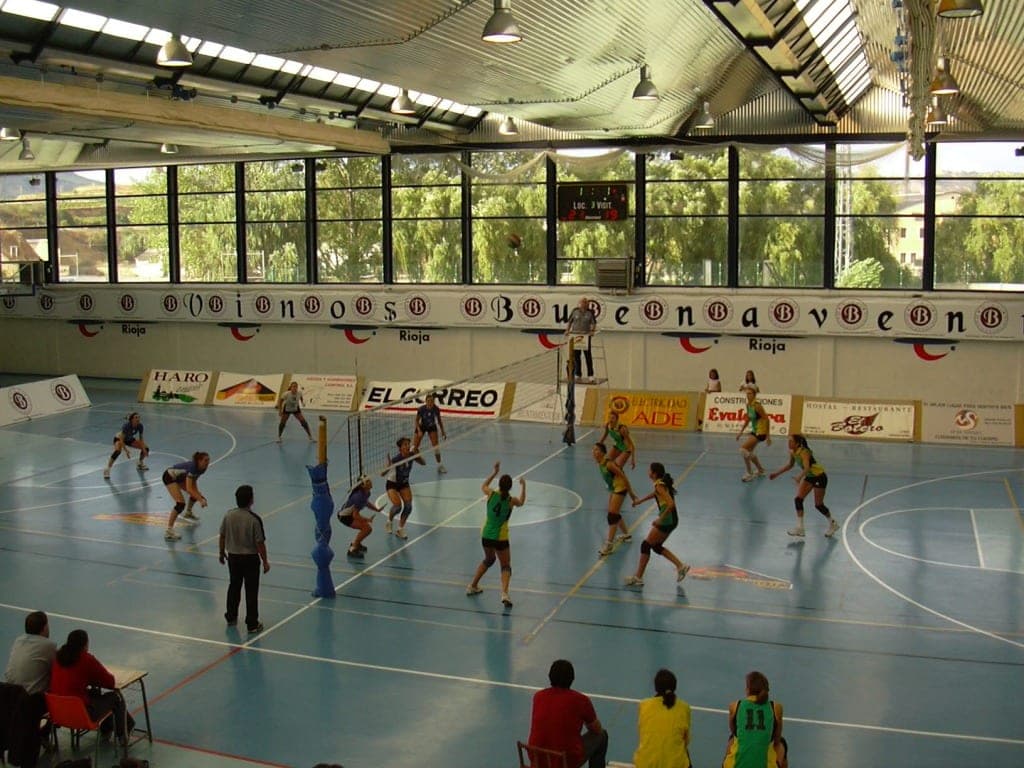
Volleyball
A non-contact team sport of rallies, jumps and teamwork — indoors or on the beach.

Football
The world’s most popular team sport — endless running, teamwork and community in one game.
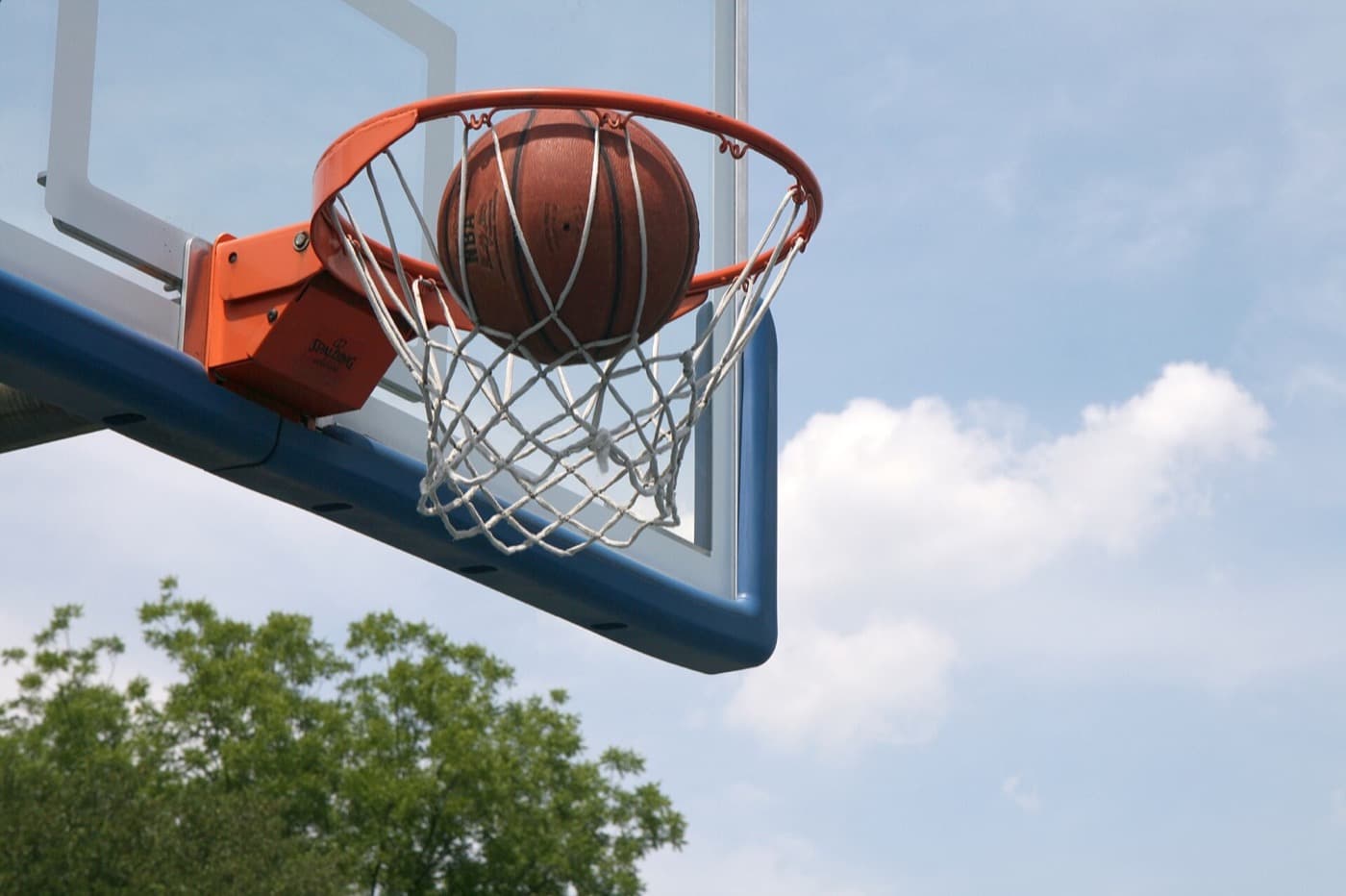
Basketball
A fast, dynamic team sport of running, jumping and quick decisions on court.
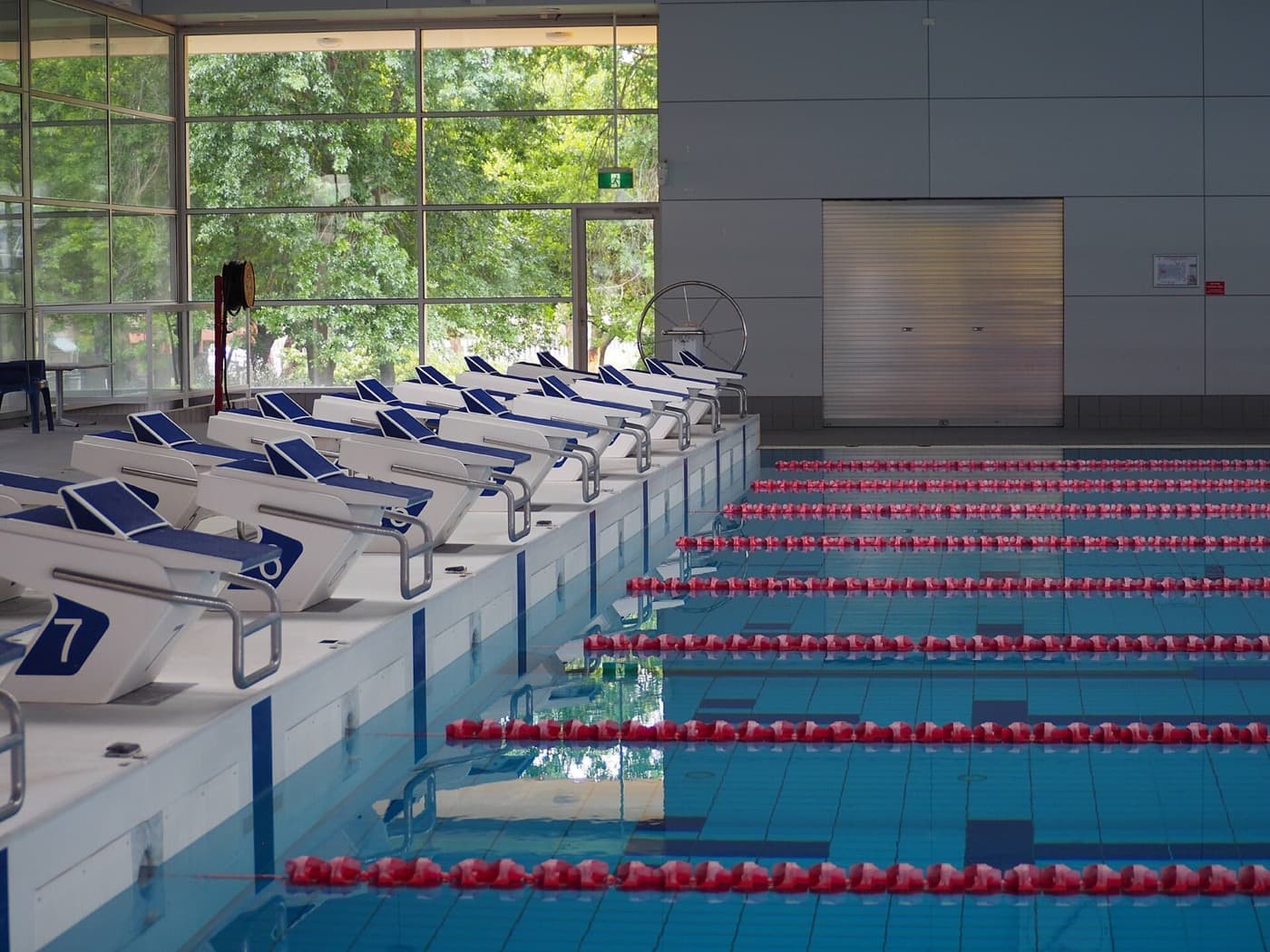
Swimming
A full-body, low-impact endurance sport suitable for almost every age and ability.
Frequently asked questions
What is role clarity in a team?
It is everyone understanding what their own job is and what their teammates' jobs are, so effort is not wasted on overlap or gaps. Roles are usually set by a coach but kept clear through communication during play, and how fixed or fluid they are varies a lot by sport. It tends to reduce hesitation and collisions rather than guarantee results.
Explore across the knowledge base
Follow the threads that connect Role clarity to the rest of SocialSportHub.
Player roles
- AnchorThe anchor is a cross-sport holding role: a steadying, defensive-minded player who shields the back line, screens danger and gives teammates a reliable base.
- FinisherA finisher is the attacking outlet in a team sport whose main job is converting chances into points — the striker, goal shooter or go-to scorer.
- PlaymakerThe playmaker is a team's creative hub — the player who orchestrates attacks, controls the tempo and distributes the ball so teammates can score.
- CaptainThe captain is a team's on-field leader who communicates, makes in-game decisions and sets standards — a role any player can hold, not a fixed position.
- SweeperA covering defender who plays behind the main defensive line, free of a fixed marking job, to read danger and clean up attacks that slip past teammates.
Knowledge Atlas
Positions
- GoalkeeperThe goalkeeper is the last line of defence in football and the only player allowed to handle the ball inside their own penalty area.
- Centre-backA centre-back is a central defender in football whose main job is to stop opposing attackers and clear the ball from dangerous areas.
- StrikerA striker is the main attacking player in football, positioned furthest forward with the primary job of scoring goals.
- Point guardThe point guard is basketball’s primary ball-handler and playmaker, running the offence and setting up teammates to score.
- Rugby union forwardsThe eight players who contest the set piece — front row, locks and back row — what each unit does at scrum, lineout and breakdown, and why the roles are so specialised.
Practice & sessions
- Small-group practicePractising in a small group of a few players — sharing drills, rotating roles and using small-sided games so everyone stays involved.
- Team practicePractising with a full team — working on roles, patterns of play and communication so the group performs together, usually under a coach.
How this page is maintained
- Content type
- Communication concept
- Provenance
- Tier A — evergreen educational
- Verified external sources
- 0
- Content updated
- 2026-07-12
Evergreen, first-party explanation — it makes no claim that needs an external source. How we handle sources and reviews.