
Anticipation
Forming an expectation of what is likely to happen next, and starting to prepare for it before it does.
Overview
Anticipation is looking a moment ahead — using cues and familiar patterns to form an expectation of what is likely to come next, and beginning to prepare for it. It is not the same as simply reacting: reacting responds to something that has already happened, while anticipating readies you for something that might.
Because it is a prediction, it is never certain, and skilled opponents exploit it with feints and disguise. How far ahead it is useful to read, and which cues are worth trusting, varies by sport and situation — reading too early can be as costly as too late — so anticipation is developed through experience rather than any fixed formula, and it carries no promise of a faster or better decision.
How it works
- It is forming an expectation of what is likely next and beginning to prepare before it happens.
- It draws on reading cues and recognising patterns, so it is closely tied to those other readings.
- It differs from reaction: reaction answers what has happened, anticipation readies for what might.
- Being a prediction, it can be wrong — feints and disguise work precisely by exploiting it.
- How far ahead and which cues are useful varies by sport, so it is learned through play, not a set rule.
In play
- A goalkeeper or a service returner may commit early on cues, gaining time but risking being wrong-footed by disguise.
- In volleyball, a blocker often anticipates the likely attack from the set and approach rather than waiting for the hit.
- Reading too early can be as costly as too late, and the right moment tends to differ by sport and situation.
Educational — and it varies
Where it shows up
Sports where this decision is especially visible — each with a clear guide.
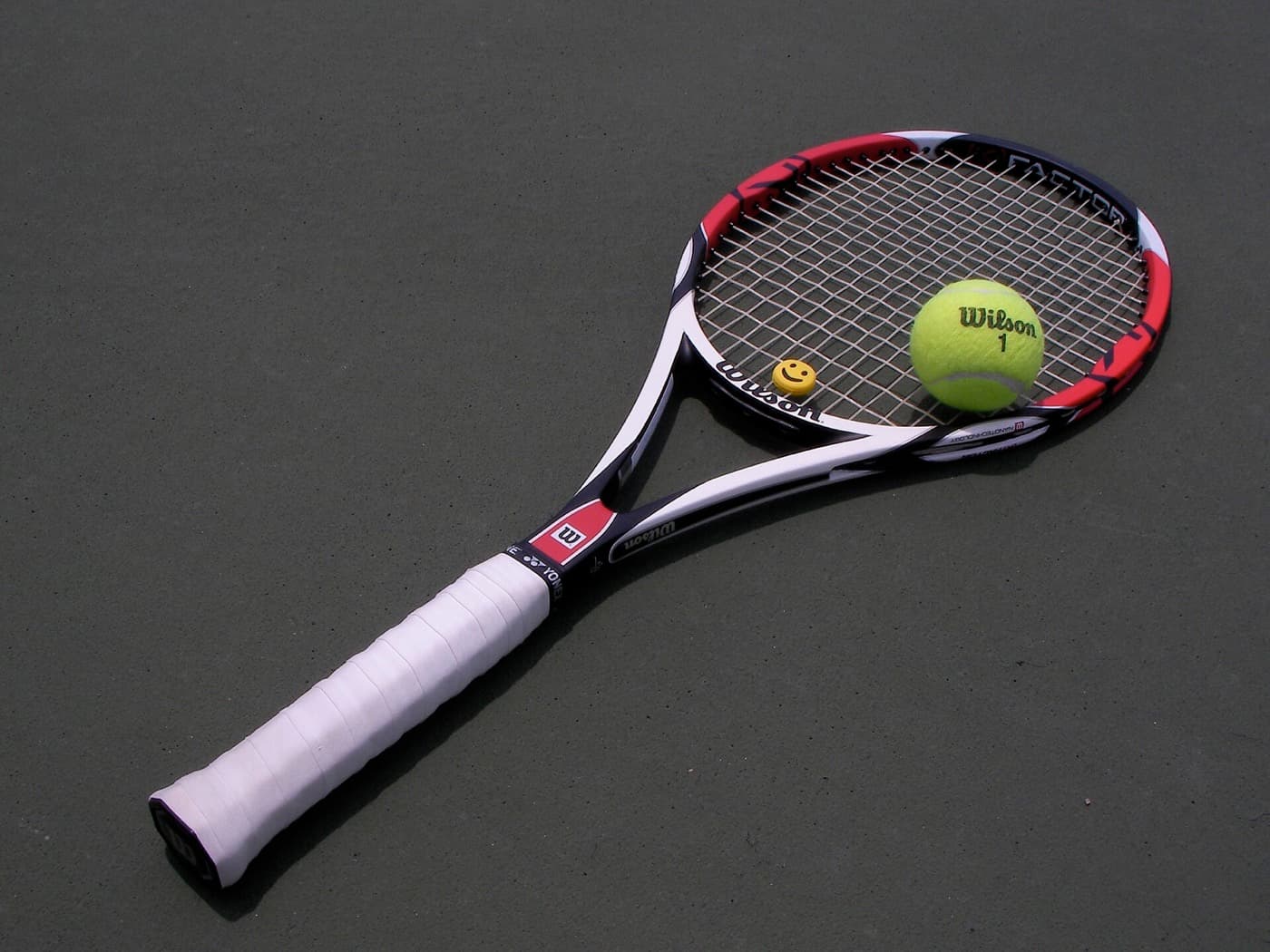
Tennis
A singles or doubles racquet sport that blends agility, strategy and stamina on court.
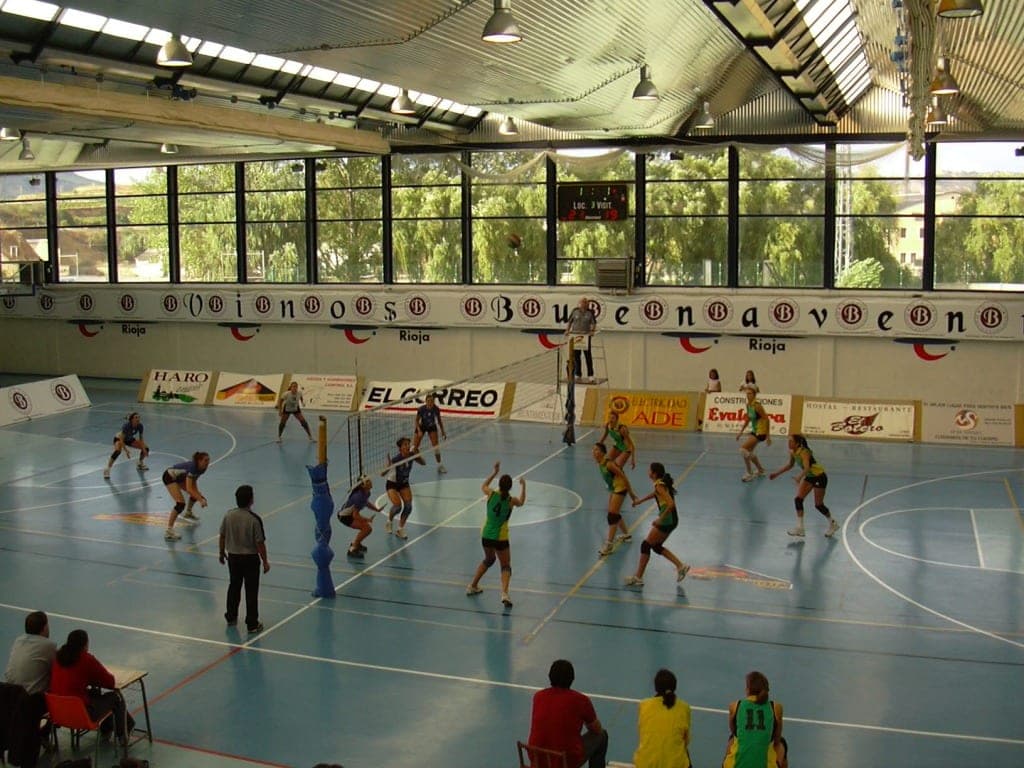
Volleyball
A non-contact team sport of rallies, jumps and teamwork — indoors or on the beach.
Football
The world’s most popular team sport — endless running, teamwork and community in one game.
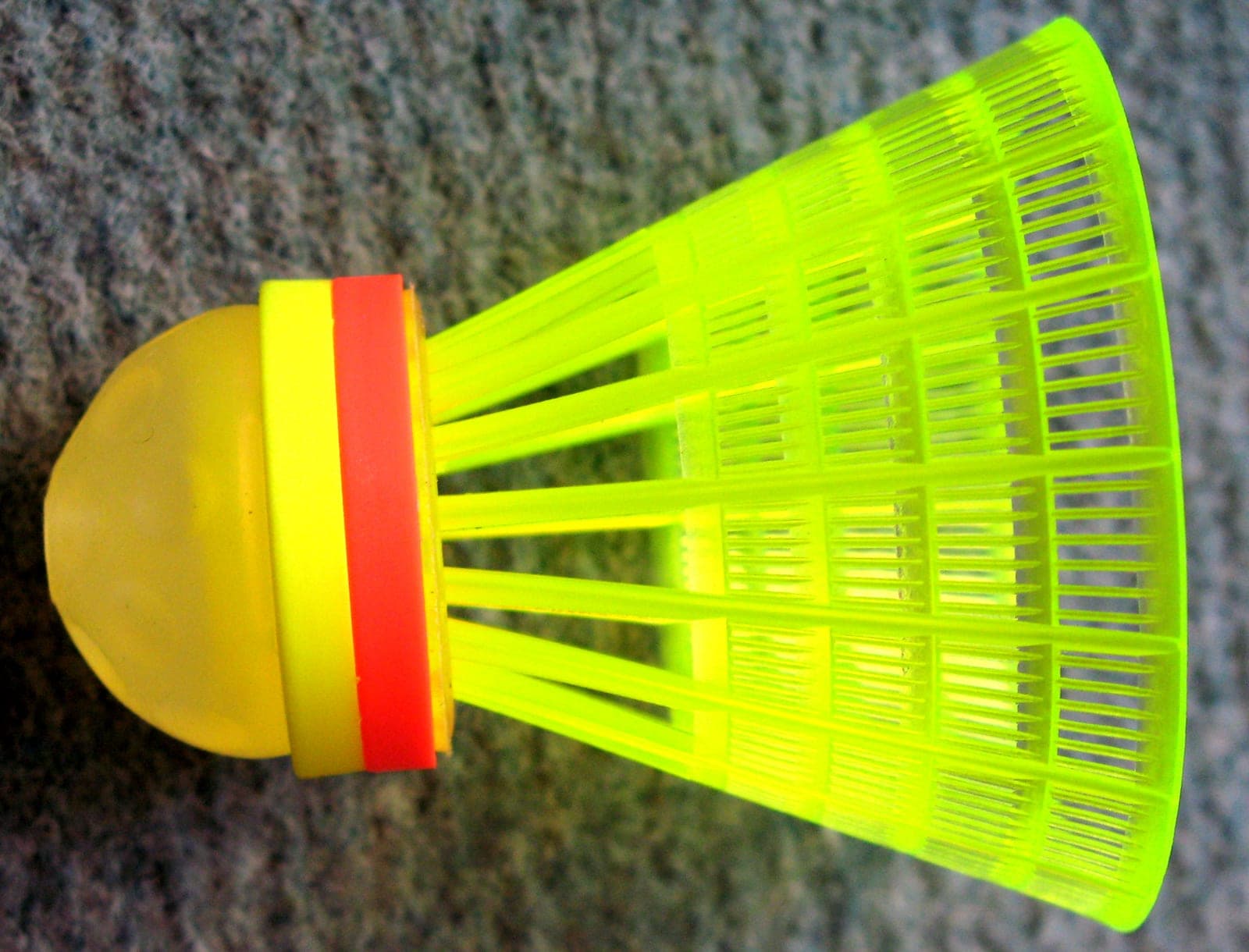
Badminton
A fast indoor racquet sport played with a shuttlecock that rewards agility and touch.
Frequently asked questions
What is the difference between anticipation and reaction?
Reaction responds to something after it has happened, whereas anticipation forms an expectation of what is likely and starts to prepare before it happens. Anticipation can buy time, but because it is a prediction it can also be wrong, which is exactly why feints and disguise exist — and how useful it is varies by sport and moment.
Explore across the knowledge base
Follow the threads that connect Anticipation to the rest of SocialSportHub.
Sports science
Skills
Coaching concepts
- Decision-Making PracticeTraining athletes to read cues and choose the right action under pressure — coupling perception to action, not just rehearsing physical technique in isolation.
- Small-Sided GamesPractising in scaled-down versions of a sport — fewer players, smaller area — so skills and decisions happen more often in a game-like setting.
Knowledge Atlas
How this page is maintained
- Content type
- Decision-making concept
- Provenance
- Tier A — evergreen educational
- Verified external sources
- 0
- Content updated
- 2026-07-12
Evergreen, first-party explanation — it makes no claim that needs an external source. How we handle sources and reviews.