
Let
A call that stops a point and has it replayed without penalty, used across several racket sports.
Overview
A let means the point does not count and is played again. The most common case is the service let in tennis, table tennis and badminton, where the ball or shuttle clips the net but still lands in the correct area.
Lets are also called for outside interference, such as a ball rolling onto the court or a distraction during play. The point simply restarts, with the server keeping the same number of attempts.
Key points
- A let point is replayed rather than awarded to either player.
- A serve that touches the net and still lands correctly is a service let.
- Interference during a rally can also cause a let.
- The server keeps the same serve count when a let is called.
Where it’s used
Sports that use let:
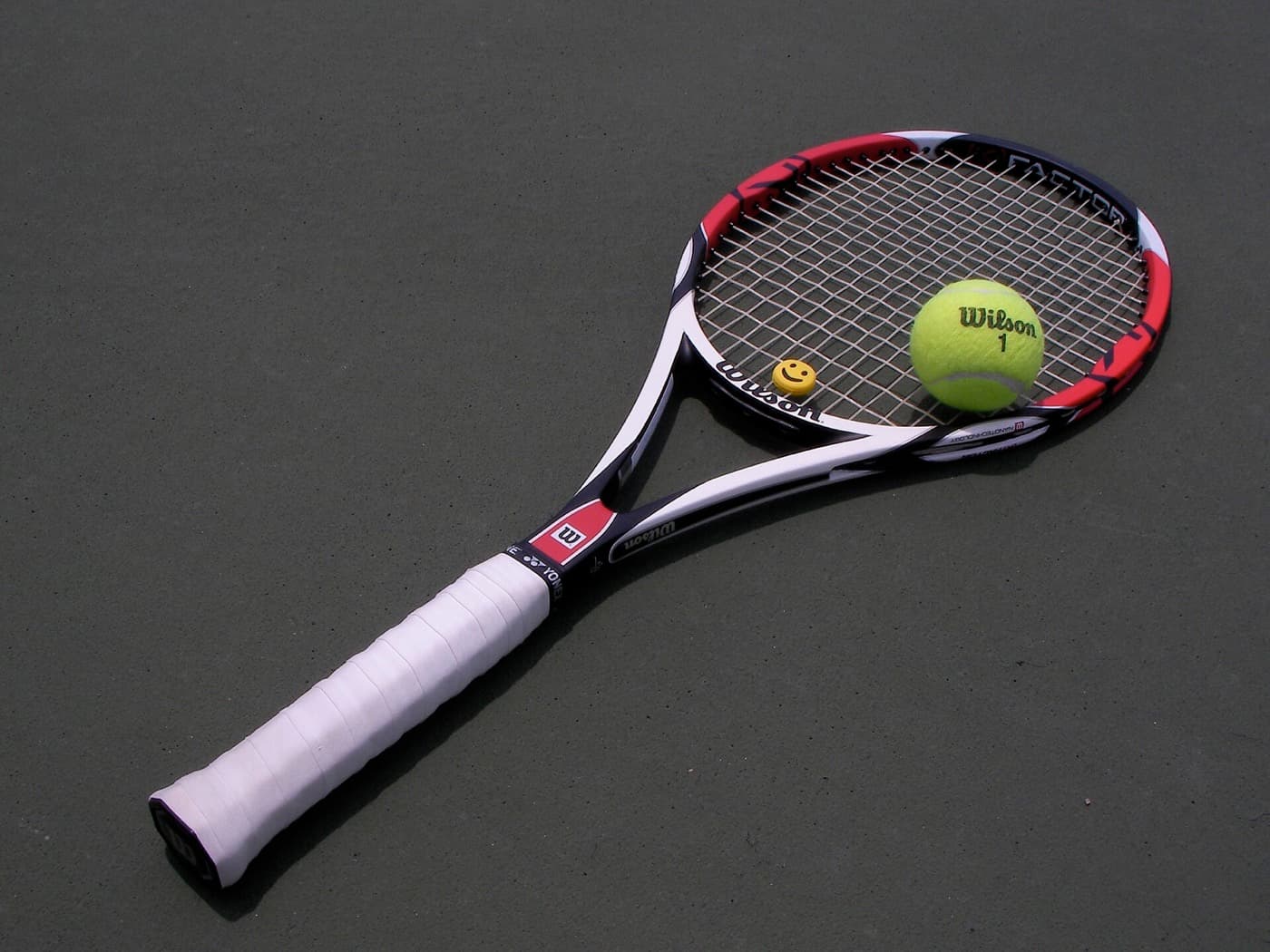
Tennis
A singles or doubles racquet sport that blends agility, strategy and stamina on court.
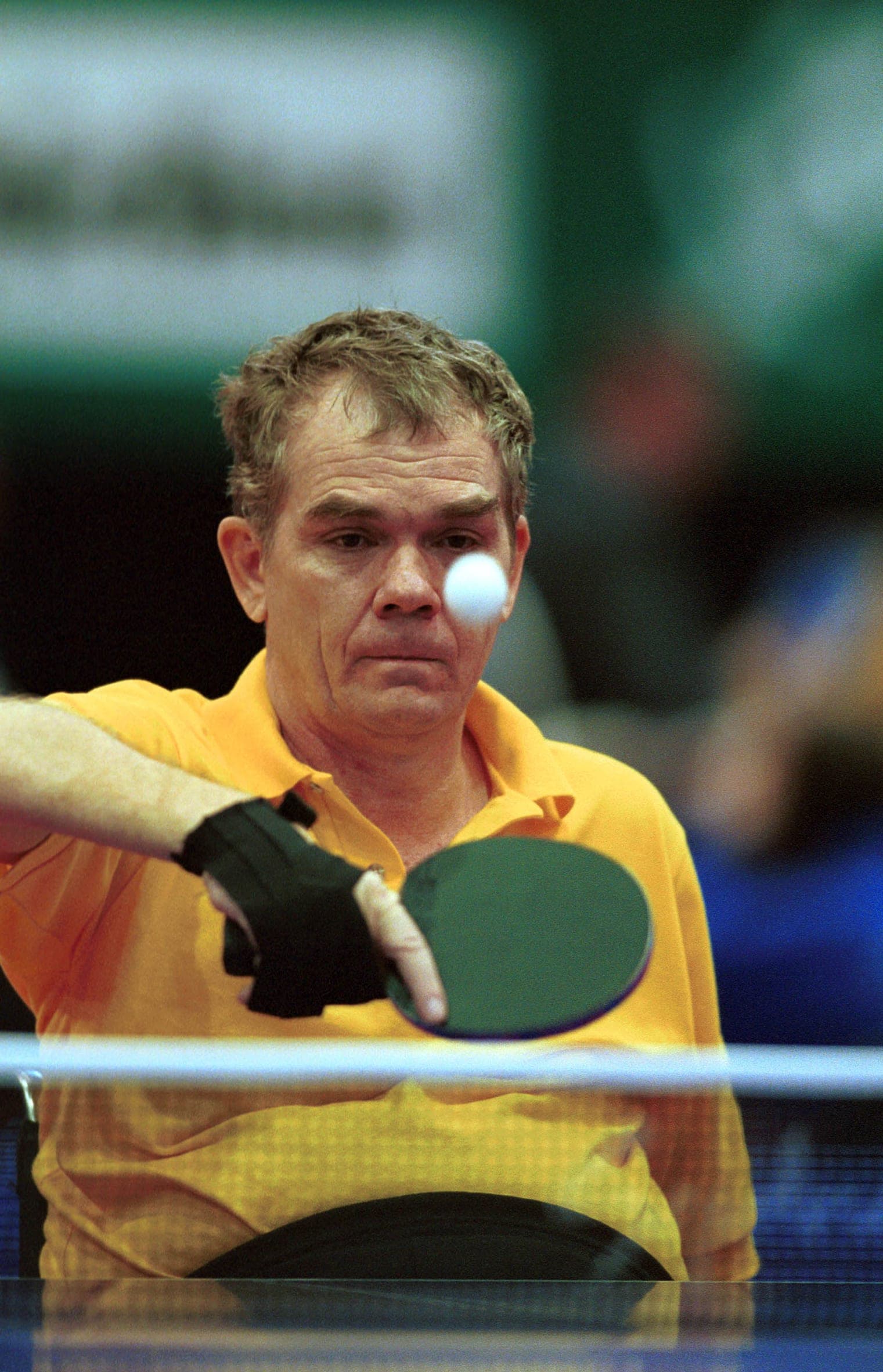
Table Tennis
A fast, low-impact indoor racquet sport that sharpens reflexes and is easy to start.
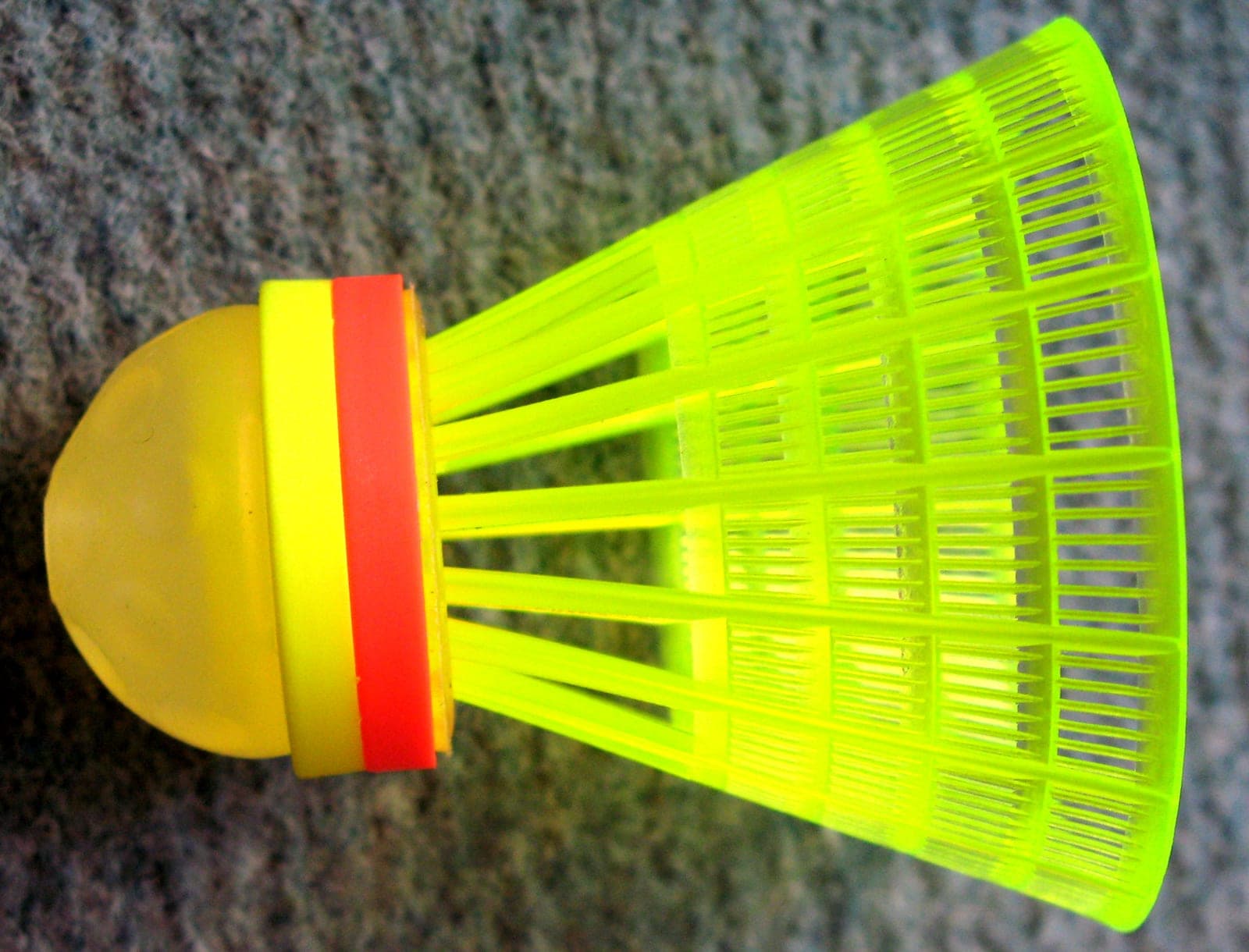
Badminton
A fast indoor racquet sport played with a shuttlecock that rewards agility and touch.
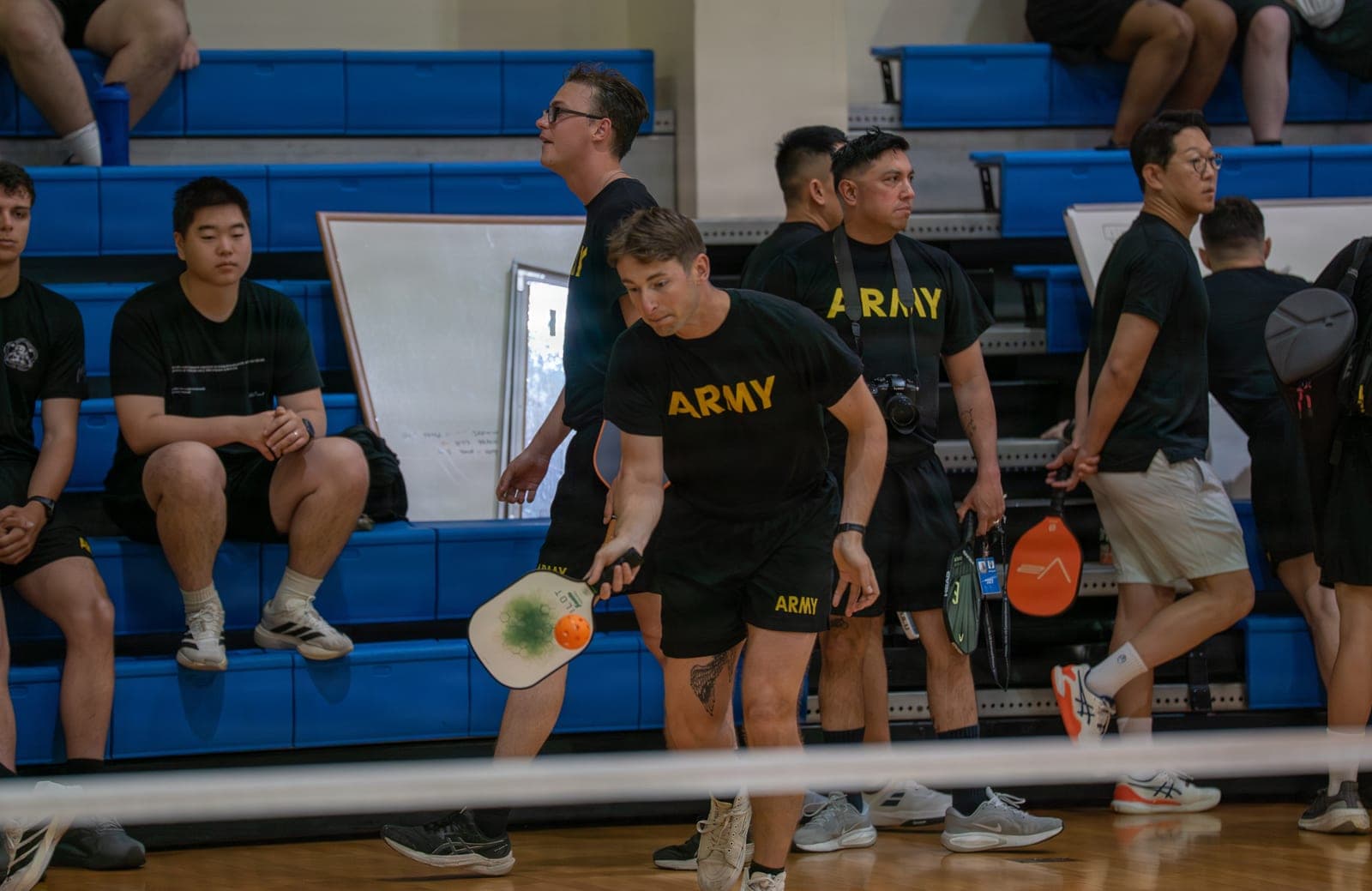
Pickleball
A friendly, easy-to-learn paddle sport played on a small court with a solid paddle and a light, perforated ball.
Related rules
Tennis serving rules
The rules governing how a tennis point begins, including where the server stands and where the serve must land.
Foot fault
A serving fault called when the server's foot touches the baseline or court before striking the ball.
Two-bounce rule
A pickleball rule requiring both the serve and the return to bounce once before players may hit the ball out of the air.
How it connects
The meaning-bearing relationships that place Let in the wider knowledge graph — each one with the reason it exists.
Commonly confused with
Close enough to be mixed up — the distinction is worth knowing.
Frequently learned together
Taught side by side in the same stage of a learning path.
- Tennis serving rulesBoth are taught in the “Get to know the game” stage of the Tennis learning path.
- Foot faultBoth are taught in the “Get to know the game” stage of the Tennis learning path.
- Touching the netBoth are taught in the “Get to know the game” stage of the Tennis learning path.
- Hindrance, lets and permanent fixturesBoth are taught in the “Get to know the game” stage of the Tennis learning path.
- Continuous play and the time between pointsBoth are taught in the “Get to know the game” stage of the Tennis learning path.
Explore across the knowledge base
Follow the threads that connect Let to the rest of SocialSportHub.
Scoring systems
- Table tennis scoringTable tennis is scored on every rally to 11 points per game, won by two clear points, over a best-of odd number of games.
- Table tennis scoring and service orderHow games and matches are won — 11 points with a two-point margin, service changing every two points, and the expedite system that stops a game lasting forever.
- Tennis scoringTennis is scored in points, games and sets, using the distinctive 15–30–40 point sequence and a win-by-two margin at every level.
- Badminton scoringBadminton uses rally scoring to 21 points per game, with matches decided over the best of three games.
- Tiebreak scoringA tiebreak is a short deciding game used in racket sports to settle a set that has reached an even number of games, scored in simple numbers to a fixed target.
Equipment
- The table tennis net assemblyThe net, its posts and its suspension — the one height that governs both the net and the posts, and why that number appears twice in the Laws.
- Pickleball paddleA solid, flat paddle used to hit the perforated plastic ball in pickleball.
- Squash racquetA slim strung racquet used to hit the ball against the walls in squash.
- Table tennis batA small wooden blade covered with rubber used to hit the ball in table tennis.
- Tennis racquetA strung frame with a handle, used to hit the ball in tennis. Head size, weight and balance vary to suit different playing styles.
Officiating
- UmpireA match official who rules on lines, serves and dismissals in racket, bat-and-ball and net sports such as tennis, cricket and baseball — and, in racket sports, also keeps the running score.
- Line JudgeA boundary-line official who calls whether the ball or player is in or out and flags foot faults, working under the head referee across many sports.
- Foul callA foul call is an official's ruling that a player broke a rule of contact or conduct, triggering a penalty such as a free kick, free throw or penalty.
- Out-of-Bounds CallAn official's ruling that the ball or a player in possession has left the legal playing area, stopping play and handing a restart or possession to the opponent.
- Penalty SignalA standardized hand or flag signal an official uses to announce a foul, penalty, or restart so players, teammates, and spectators can read the call.
Learning paths
- Learn TennisA structured, educational learning path for tennis — from the rules to skills, techniques, tactics and training.
- Learn Table TennisA structured, educational learning path for table tennis — from the rules to skills, techniques, tactics and training.
- Learn BadmintonA structured, educational learning path for badminton — from the rules to skills, techniques, tactics and training.
- Learn PickleballA structured, educational learning path for pickleball — from the rules to skills, techniques, tactics and training.
Beginner guides
- Your First Tennis Session: What to ExpectA friendly, honest look at what actually happens at your first tennis session — how it is usually run, what tends to surprise beginners, and how to turn up relaxed and ready to enjoy it.
- Your First Badminton SessionA warm, honest look at what your first time on a badminton court actually feels like — how a beginner session runs, what surprises newcomers about the shuttlecock, and how to enjoy it without worrying about keeping score.
Facilities
- Tennis courtA rectangular marked court, divided across the middle by a net, where tennis is played as singles or doubles.
- Tennis court geometryEvery measurement on a tennis court and the rule that governs them all — court and service-box dimensions, line widths, the centre mark, and why measurements are taken to the outside of the lines.
- Driving rangeA practice facility with hitting bays and an open landing area, used to repeat shots without playing a hole.
Go deeper with Let
Everywhere else on the platform that covers Let — assembled from what actually references it, so nothing here is a dead end.
Learn it
Structured courses and paths on the platform that cover this directly.
Take it away
Open data and the whole-platform view of this subject.
How this page is maintained
- Content type
- Rule
- Provenance
- Tier A — evergreen educational
- Verified external sources
- 0
- Content updated
- 2026-09-12
Evergreen, first-party explanation — it makes no claim that needs an external source. How we handle sources and reviews.