
Foul call
A foul call is an official's ruling that a player broke a rule of contact or conduct, triggering a penalty such as a free kick, free throw or penalty.
Overview
A foul call is the decision by a referee, umpire or other official that a player has broken a rule governing contact with an opponent or on-field conduct. It is distinct from a purely technical violation of how the ball or body may be played: a foul is an offence committed against another competitor or against the spirit of fair play, such as illegal contact, holding, obstruction, dangerous play or dissent. The official communicates the call in real time, typically with a whistle and a hand signal, a raised arm, a thrown flag or a coloured card, and then either stops play or lets it continue if stopping would punish the team that was fouled.
The result of a foul call is a penalty awarded to the non-offending side, and the exact form of that penalty depends on the sport. In many team sports it is a set restart taken from where the offence happened, while a foul in a defined scoring zone can produce a direct shot at goal or the basket. Repeated or serious fouls, and misconduct such as arguing with officials or violent play, escalate the response from a simple restart to formal cautions, temporary suspension or removal from the game. Because a foul call rests on the official's real-time judgement of contact, intent and effect, it is one of the most closely watched and frequently debated decisions in sport.
What it involves
- A foul is an act against an opponent — illegal contact, holding, obstruction or misconduct — rather than a technical fault of play, and the official decides which has occurred.
- The call is shown with a recognised signal (a whistle and gesture, a raised arm, a flag or a card) so players, teammates and spectators know a rule has been broken.
- The penalty fits the sport: a free kick or penalty kick, a free throw, a penalty corner or stroke, a numerical advantage such as a player being sent off, or lost ground.
- Officials may apply advantage, letting play run on when stopping for the foul would benefit the offending side, and only return to the offence if the advantage does not come.
- Persistent or serious fouls and off-the-ball misconduct are escalated with cautions, temporary suspensions or dismissal, and some codes allow video review of key foul decisions.
Where it’s used
Sports that use foul call:
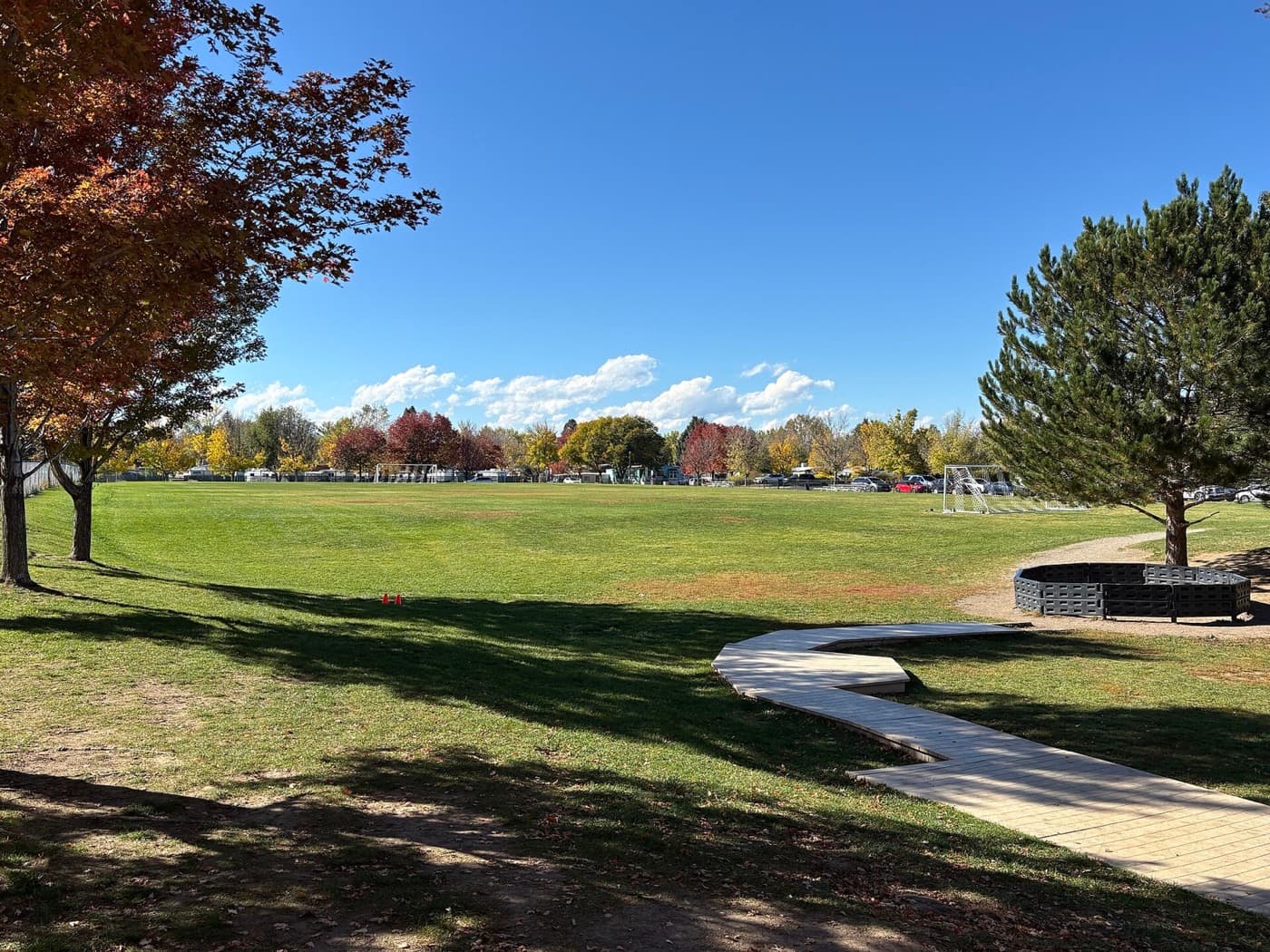
Football
The world’s most popular team sport — endless running, teamwork and community in one game.
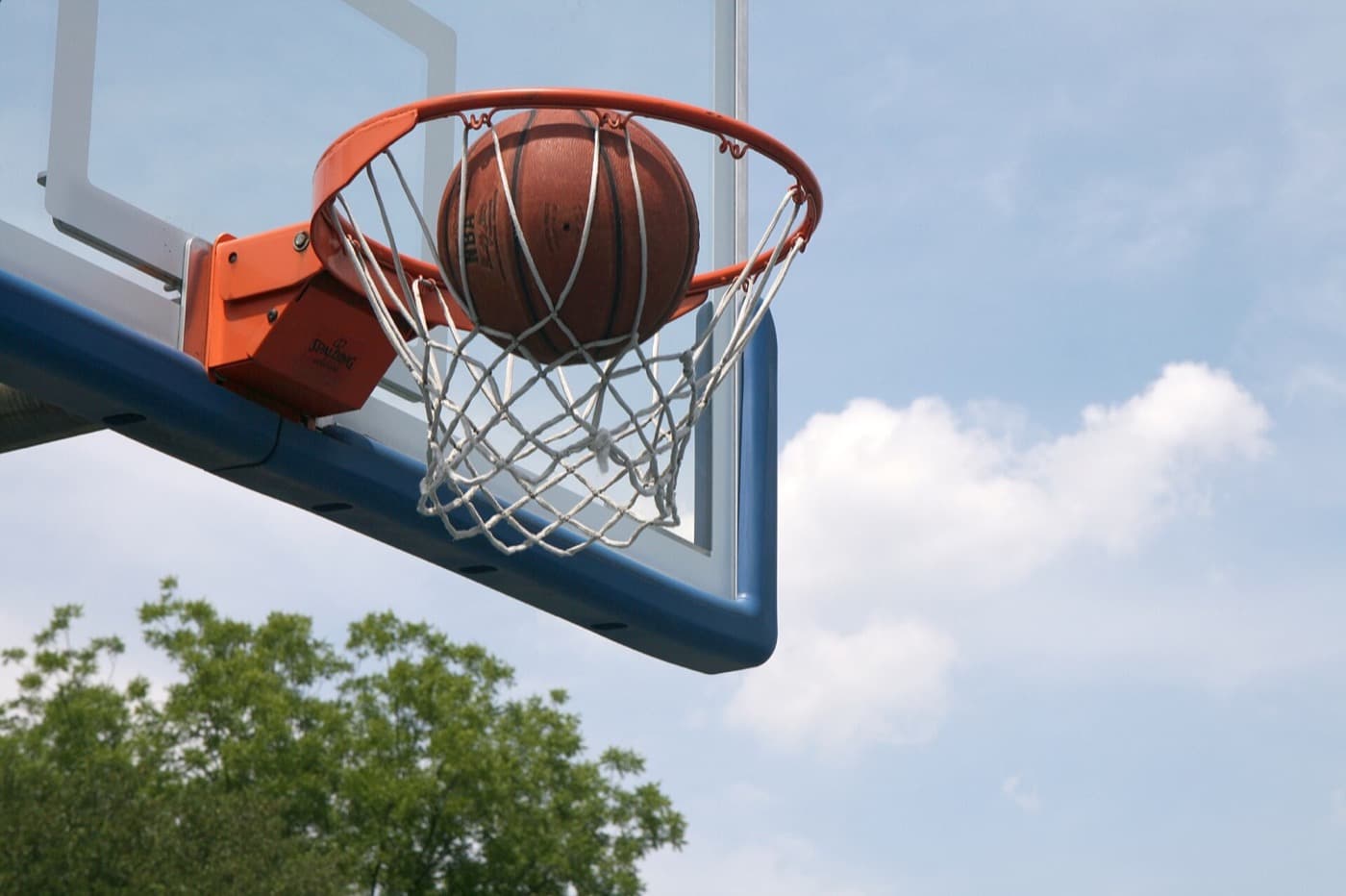
Basketball
A fast, dynamic team sport of running, jumping and quick decisions on court.
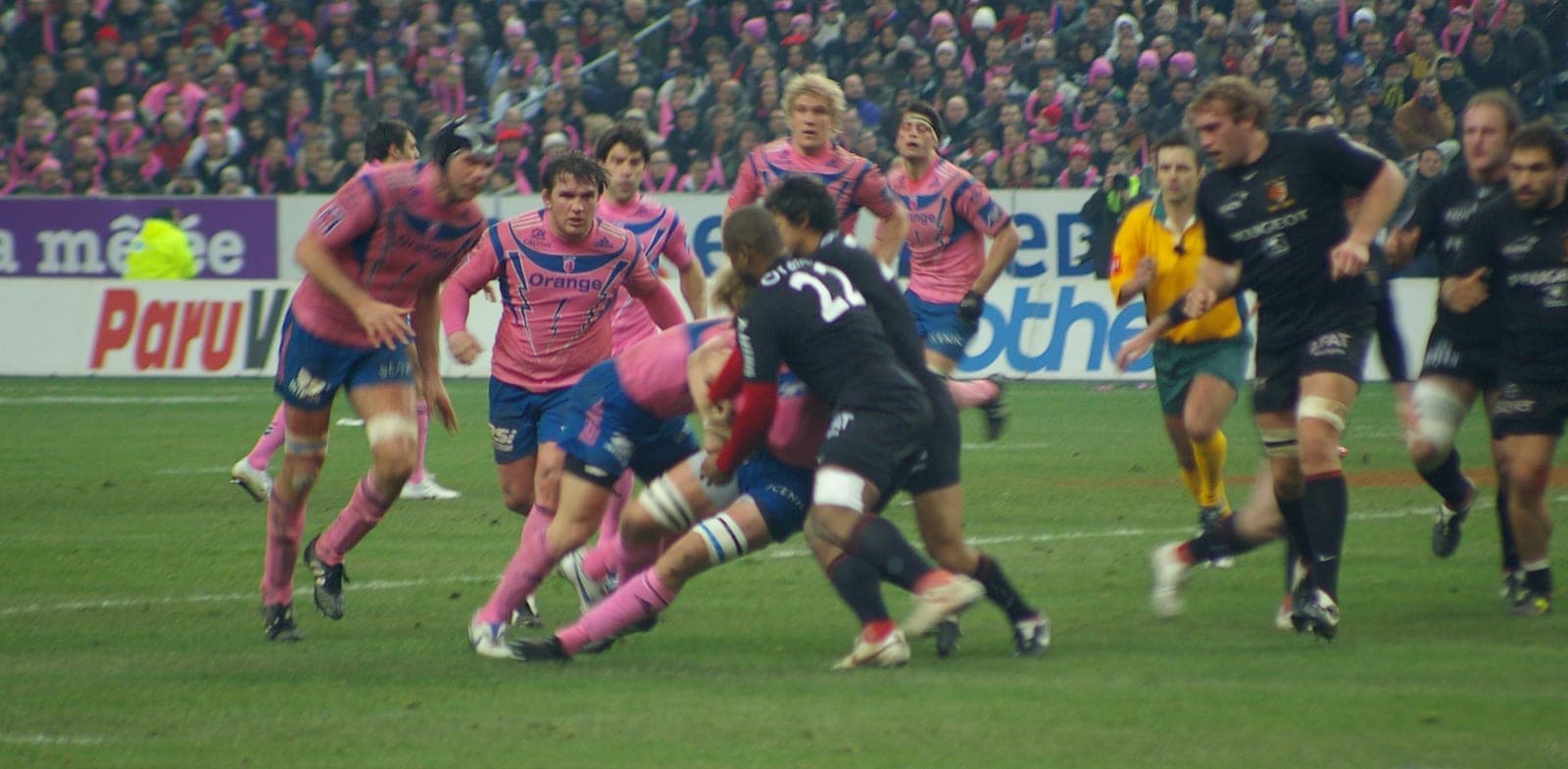
Rugby
A physical team sport of carrying, passing and kicking an oval ball toward the opposing line.
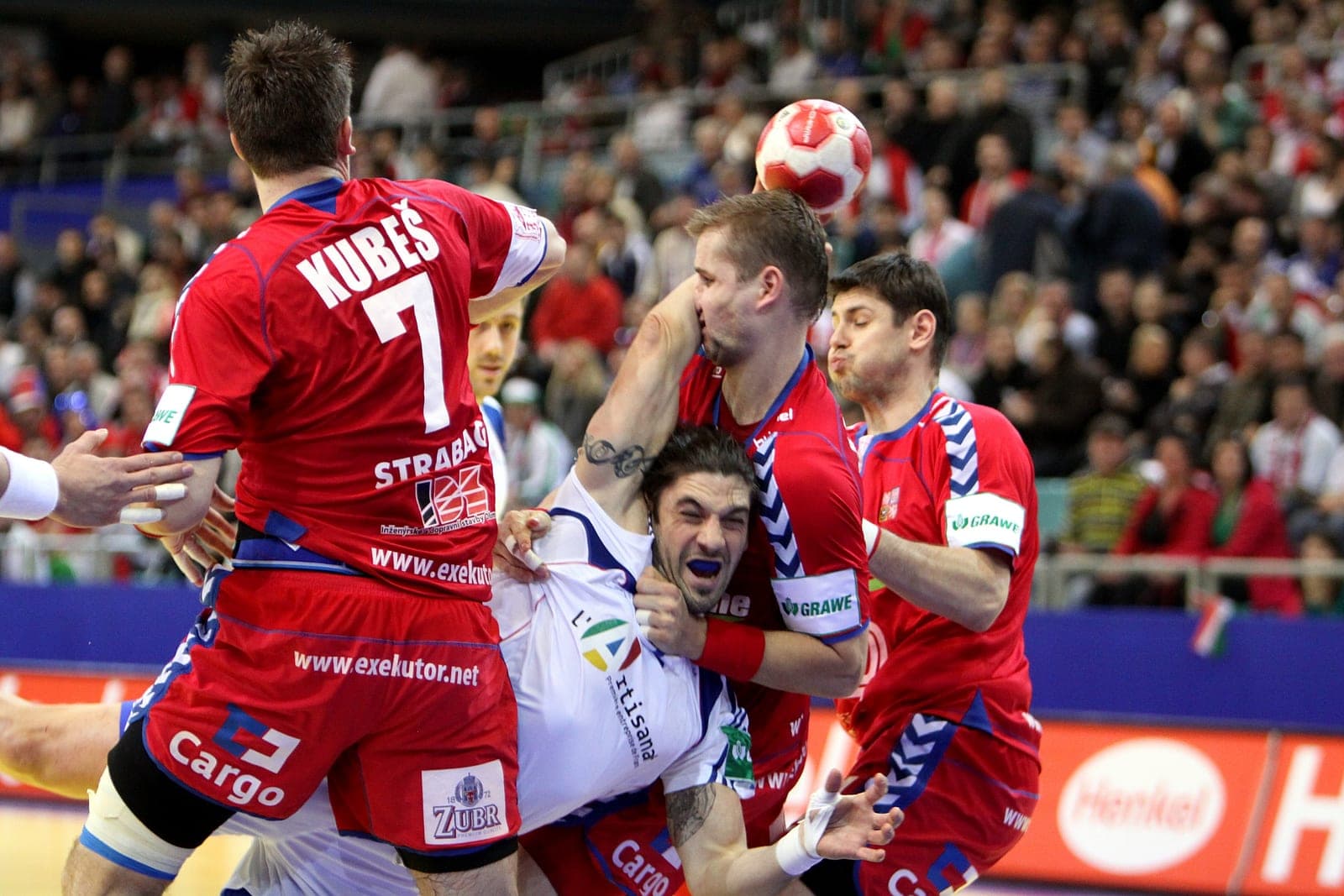
Handball
A fast indoor team sport of passing, jumping and throwing to score with the hands.
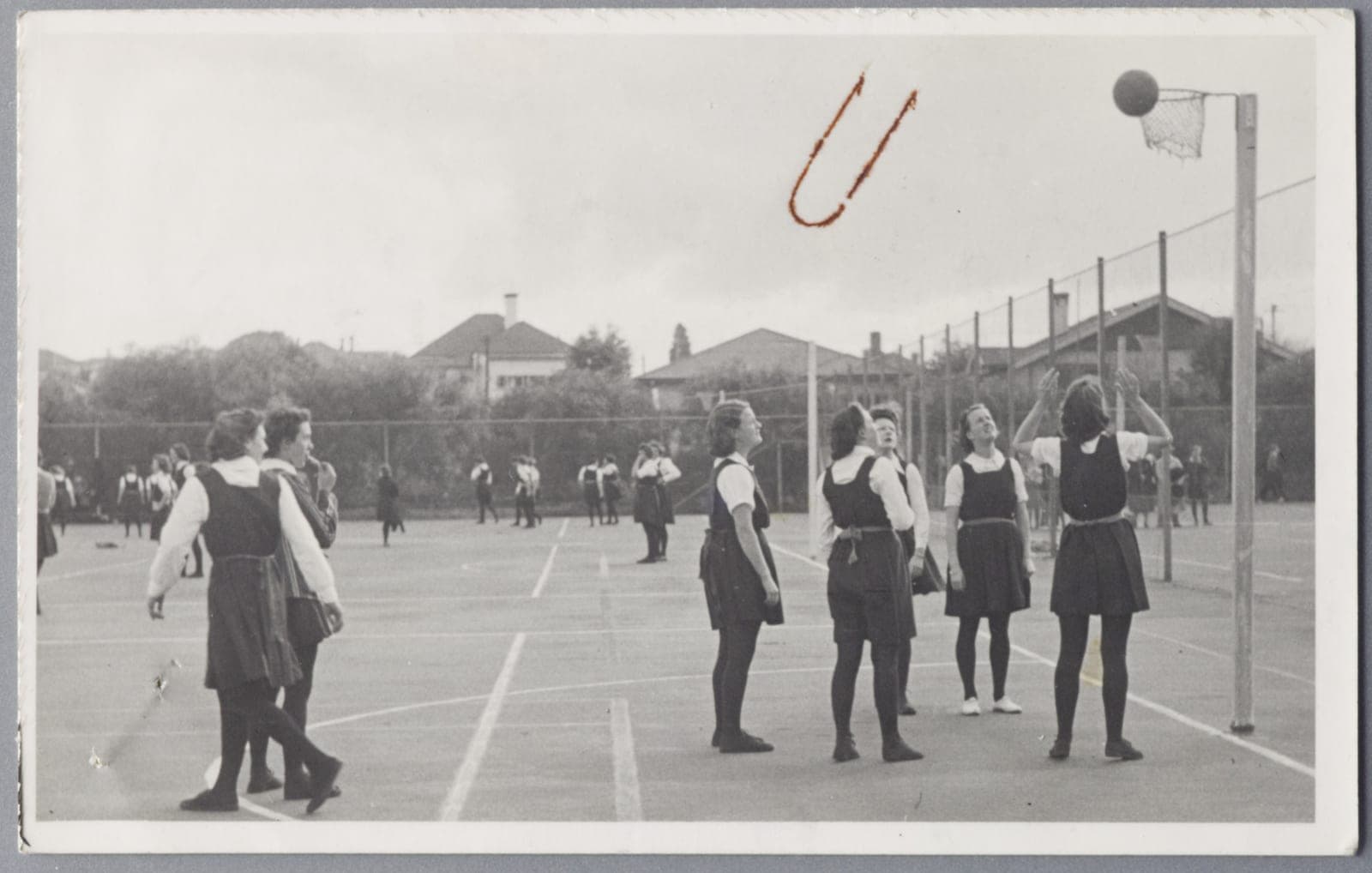
Netball
A non-contact, position-based team sport of quick passing and accurate shooting.
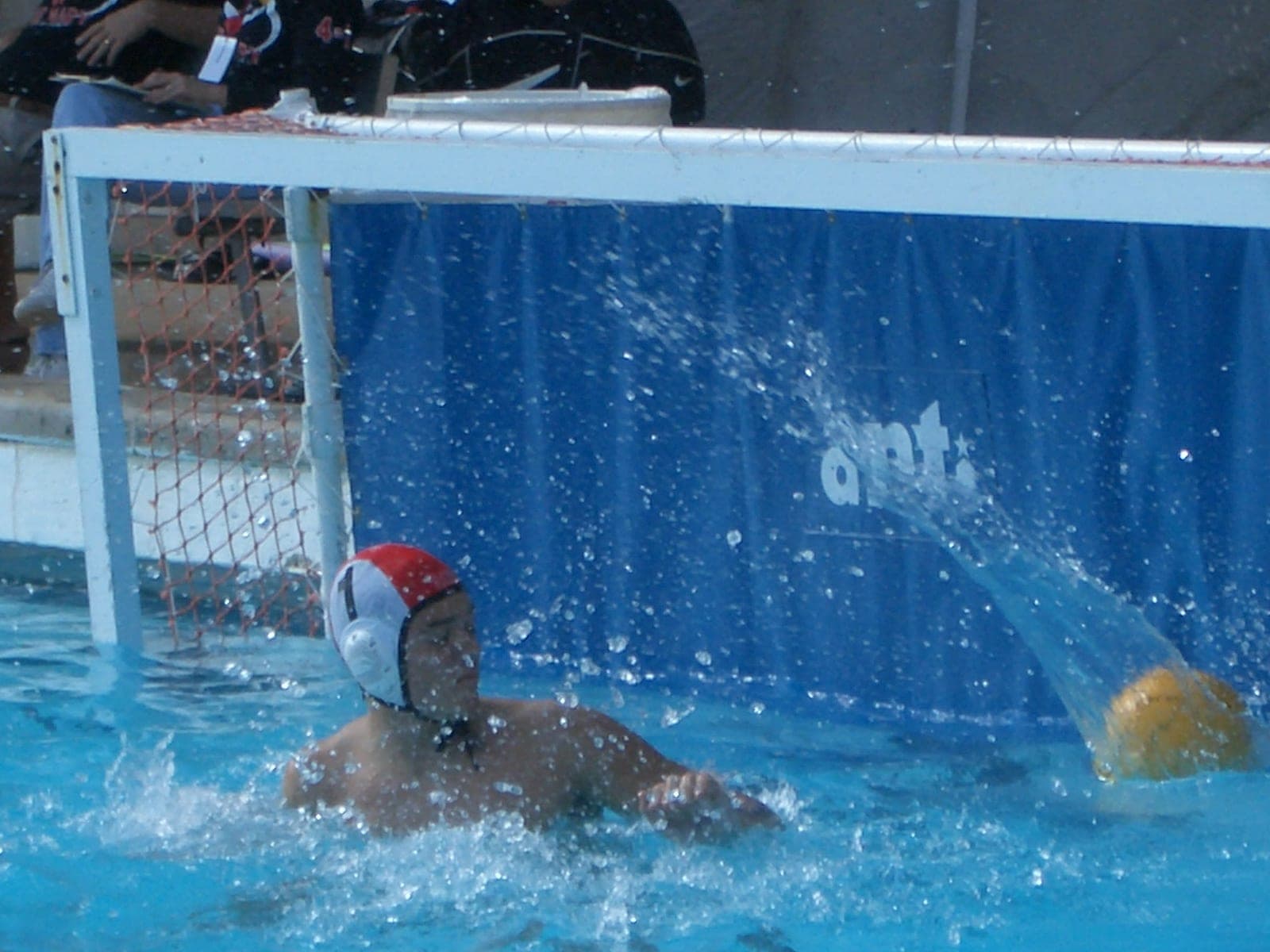
Water Polo
A demanding team sport played in deep water, blending swimming endurance with tactics.
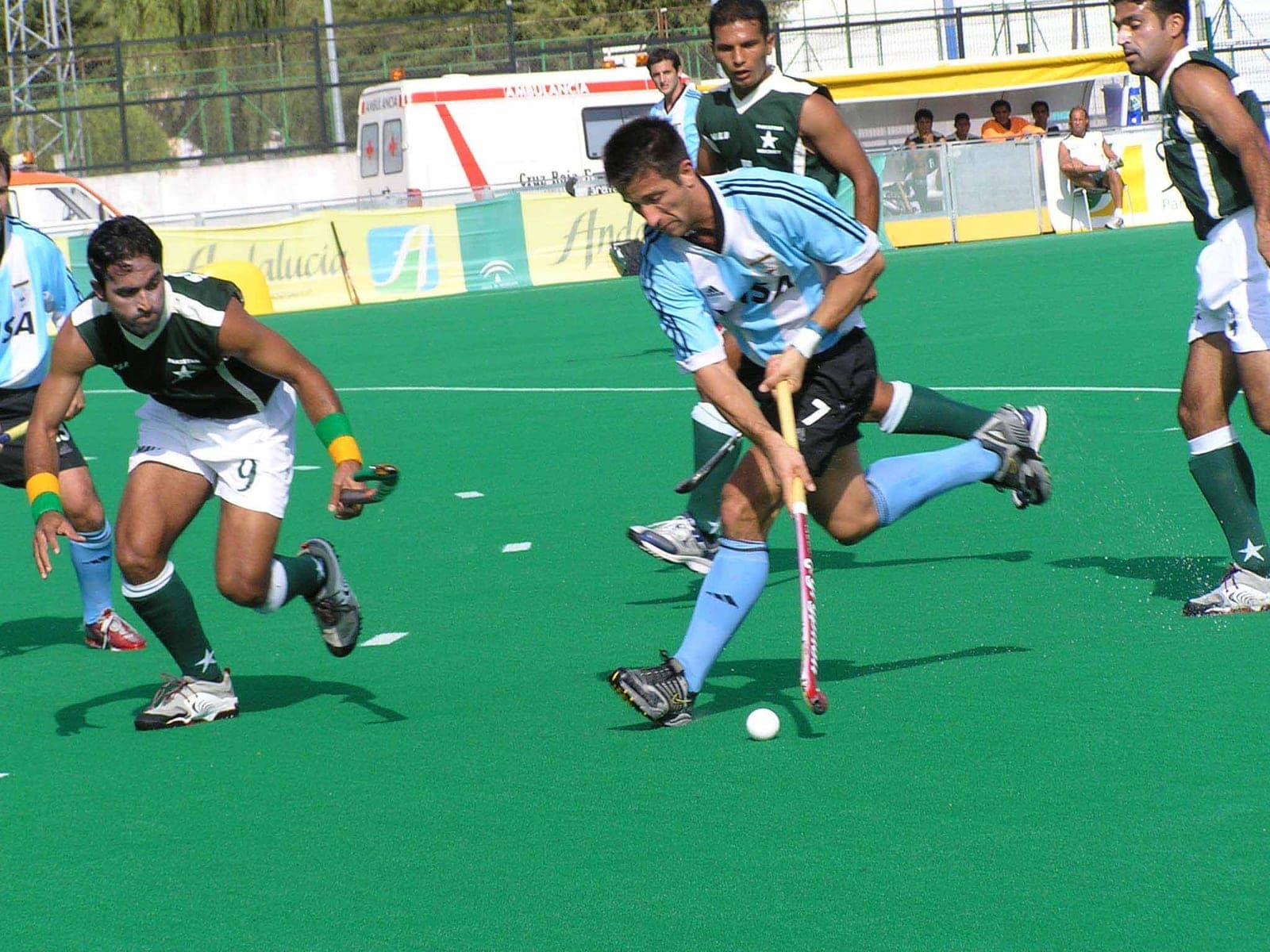
Field Hockey
An outdoor team sport that uses curved sticks to move a ball, built on agility and teamwork.
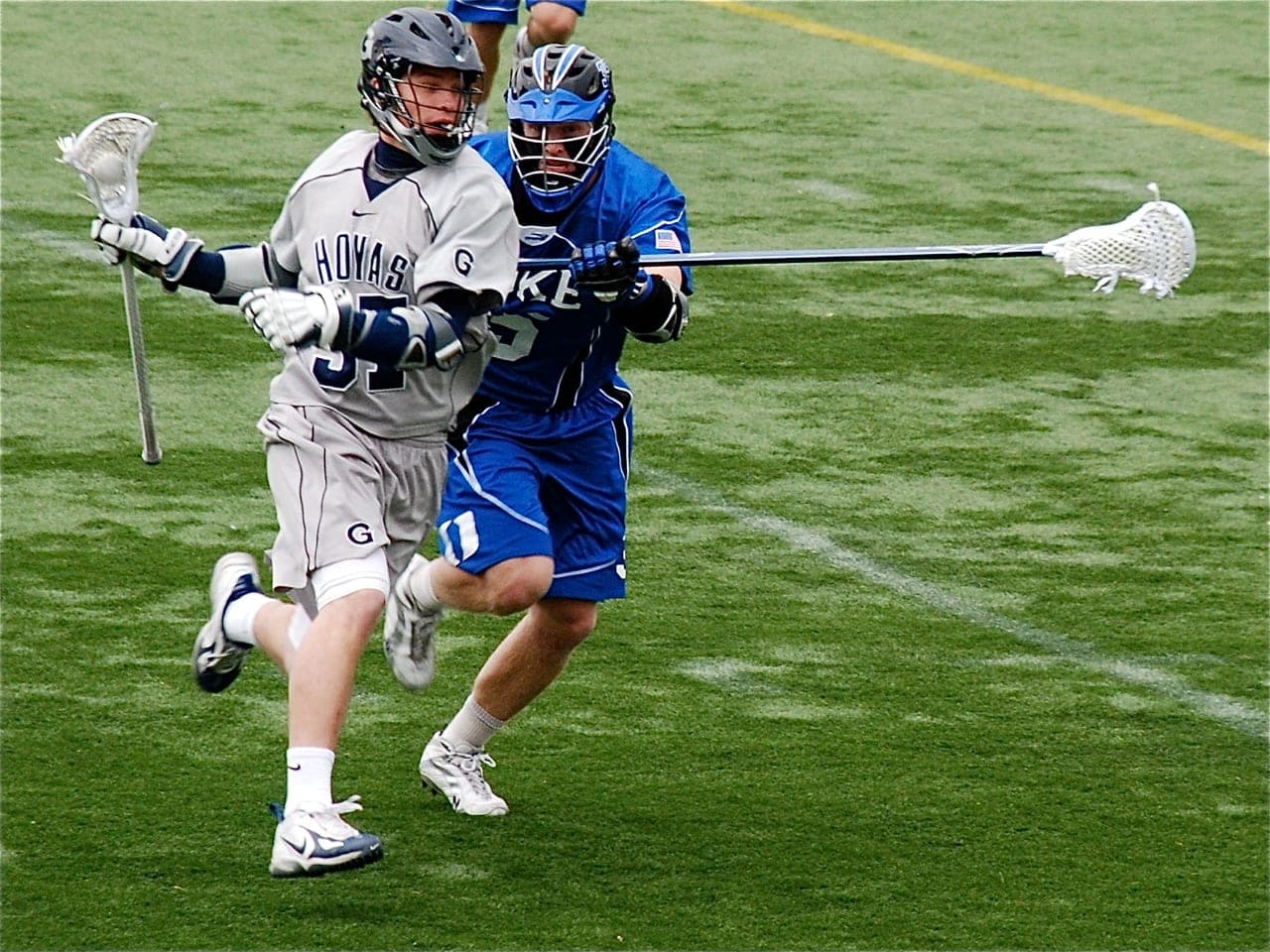
Lacrosse
A fast, stick-and-ball team sport of catching, cradling and shooting a small ball toward a goal.
American Football
A strategic, position-based team sport of set plays, sprinting and coordinated teamwork on a marked field.
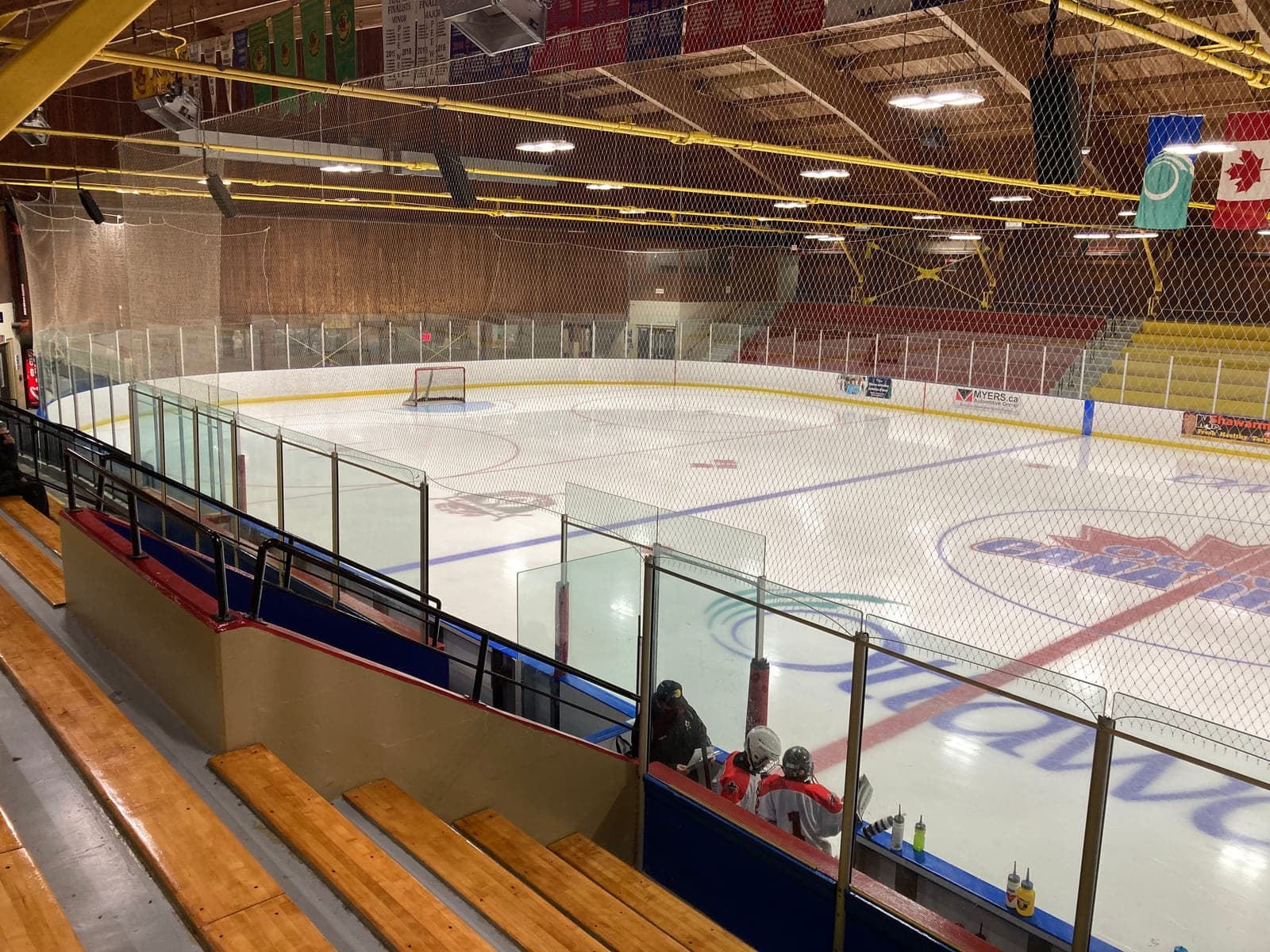
Ice Hockey
A fast team sport on ice that combines skating skill with quick passing and goal-scoring.
Related officiating
Referee
The primary on-field official who enforces the rules, controls play, penalises fouls, awards restarts, and blows the whistle to start and stop a match.
Umpire
A match official who rules on lines, serves and dismissals in racket, bat-and-ball and net sports such as tennis, cricket and baseball — and, in racket sports, also keeps the running score.
Line Judge
A boundary-line official who calls whether the ball or player is in or out and flags foot faults, working under the head referee across many sports.
Explore across the knowledge base
Follow the threads that connect Foul call to the rest of SocialSportHub.
Rules
- Personal fouls and free throwsThe basketball rules covering illegal contact and the uncontested shots awarded when a player is fouled.
- Yellow and red cardsThe disciplinary cards a football referee shows to caution or send off a player for misconduct.
- Penalty kick awardA one-on-one kick against the goalkeeper awarded when a defending player commits a direct-free-kick foul inside their own penalty area.
- Direct and indirect free kicksThe two types of free kick awarded in football to restart play after a foul or other stoppage.
- LetA call that stops a point and has it replayed without penalty, used across several racket sports.
Scoring systems
How this page is maintained
- Content type
- Officiating concept
- Provenance
- Tier A — evergreen educational
- Verified external sources
- 0
- Content updated
- 2026-09-12
Evergreen, first-party explanation — it makes no claim that needs an external source. How we handle sources and reviews.