
Line Judge
A boundary-line official who calls whether the ball or player is in or out and flags foot faults, working under the head referee across many sports.
Overview
A line judge is an official assigned to a specific boundary line whose job is to rule on whether the ball, or a player, is inside or outside that line, and in serving sports whether a foot crossed the line before it was allowed. The same role appears under many names: a line umpire in tennis, a line judge in volleyball and badminton, an assistant referee or linesman who runs the touchline in football, a touch judge in rugby, and a position literally called the line judge in gridiron football. Baseball and softball apply the idea to a fair-or-foul line, while track and field extends it to lane lines and the foul line of a jump or throw.
What unites these variants is a narrow, fixed spatial focus rather than overall control of the contest. A line judge concentrates on one reference line, makes an immediate in-or-out or fault decision, and communicates it with a standardized signal — a raised hand or flag, a point toward the court, or a spoken call — so the head referee or chair umpire and the competitors can react without delay. The line judge works beneath that head official, who coordinates several such judges and can overrule a call; many sports now reinforce human line judges with instant replay or automated line-calling technology. Wherever a boundary or a foot-placement line must be judged in real time, this officiating role recurs.
What it involves
- Narrow, fixed responsibility: each line judge watches an assigned line — a sideline, baseline, service line, touchline, foul line, or take-off board — rather than the whole field of play.
- Two core calls: whether the ball or player is in or out of bounds, and foot faults, where a player's foot crosses a line at the wrong moment, such as during a serve.
- Standardized signals: a raised hand or flag, a point toward the surface, or a spoken 'out' or 'fault' communicates the decision instantly to the head official and the competitors.
- Subordinate to a head official: the chair umpire or referee coordinates the line judges and can overrule them, and many sports now back the human calls with instant replay or automated line-calling.
- Cross-sport variants share one idea: the tennis line umpire, the volleyball and badminton line judge, the football assistant referee, the rugby touch judge, the gridiron line judge, and the baseball foul-line ruling are all the same boundary role.
Where it’s used
Sports that use line judge:
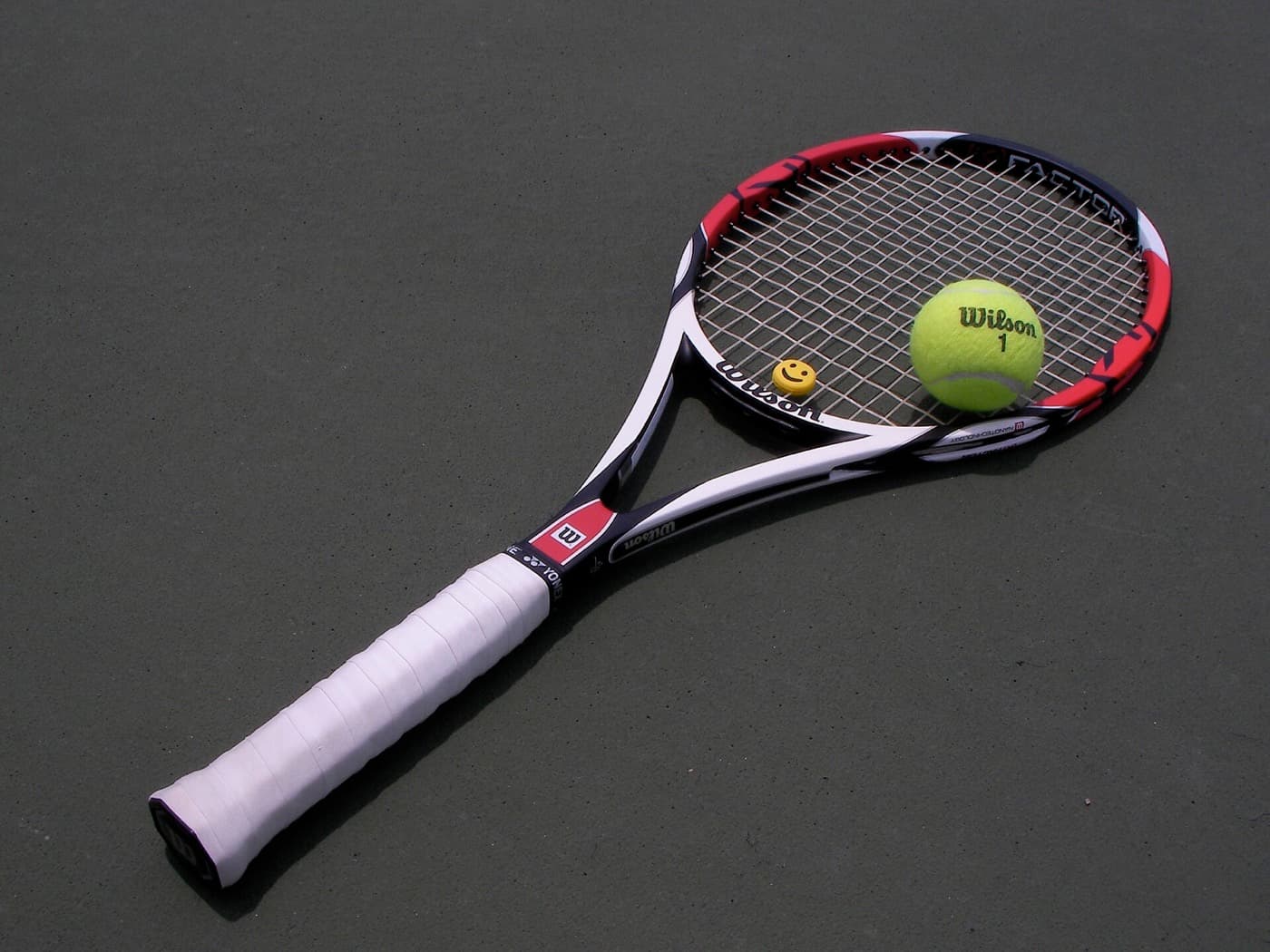
Tennis
A singles or doubles racquet sport that blends agility, strategy and stamina on court.
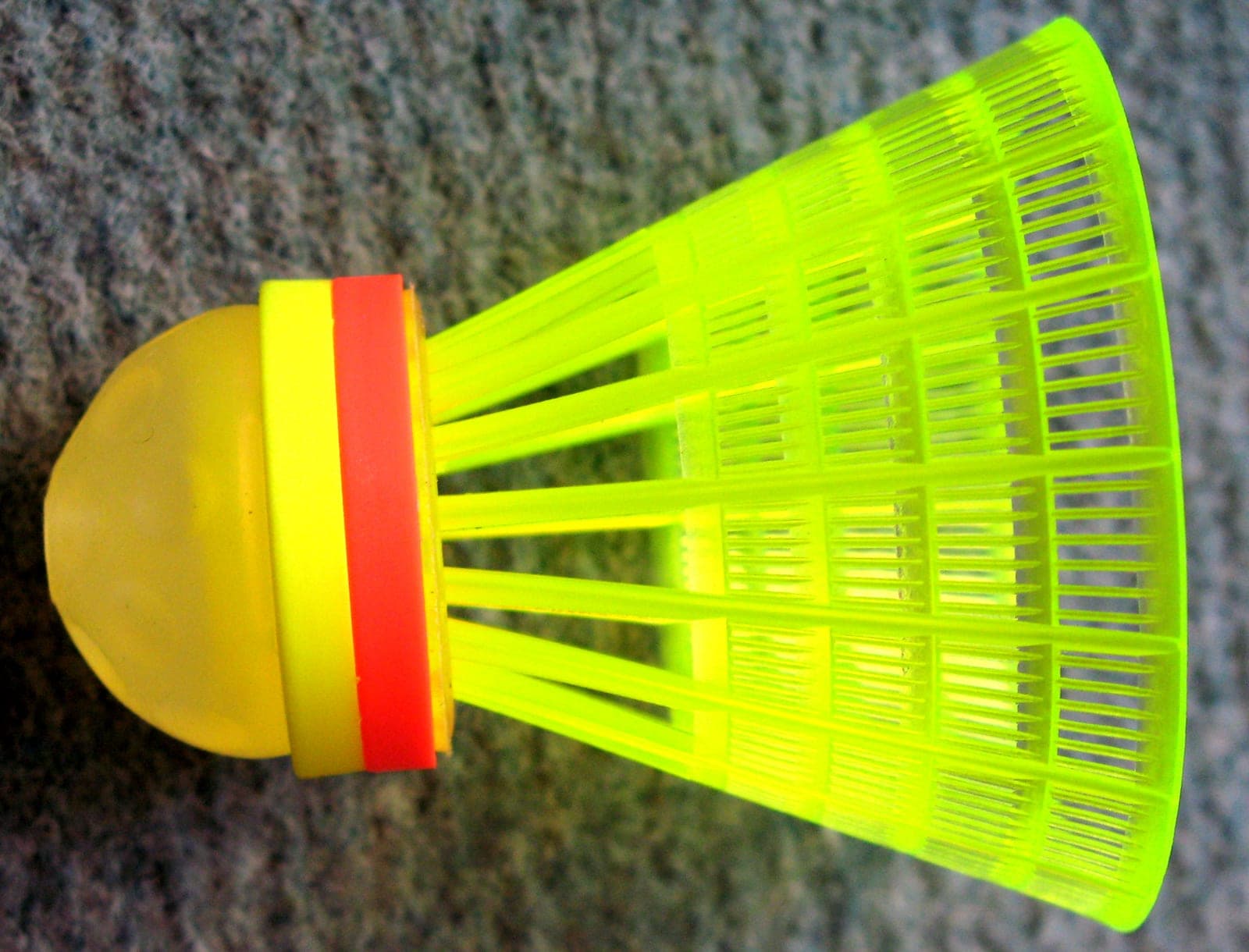
Badminton
A fast indoor racquet sport played with a shuttlecock that rewards agility and touch.
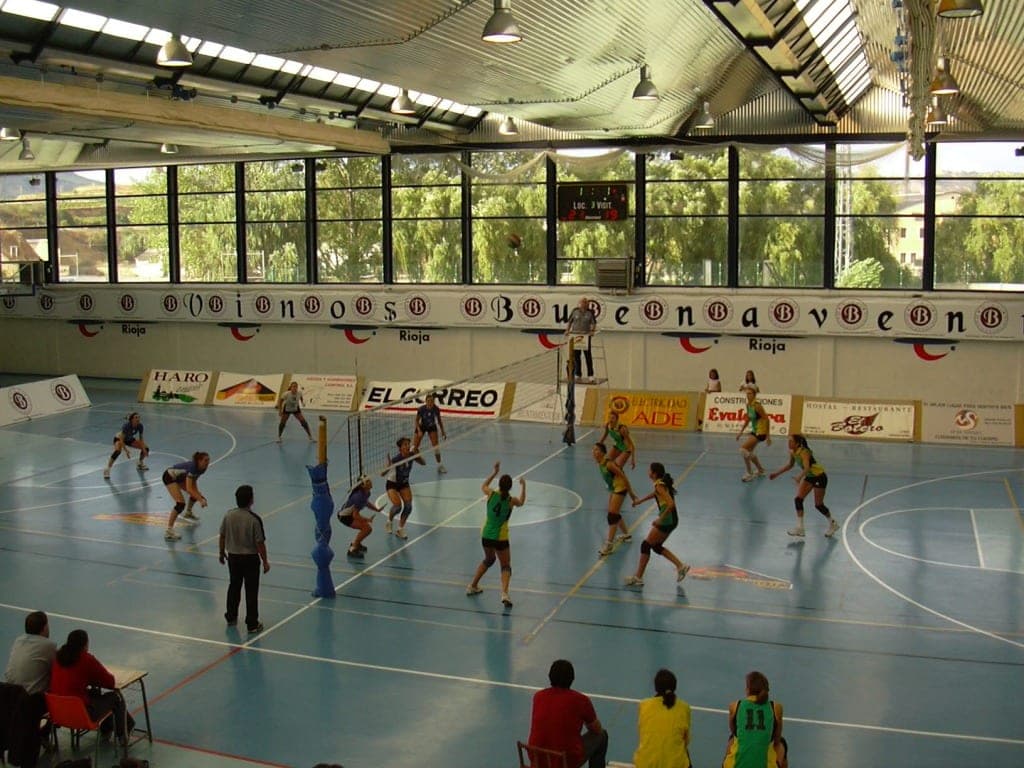
Volleyball
A non-contact team sport of rallies, jumps and teamwork — indoors or on the beach.
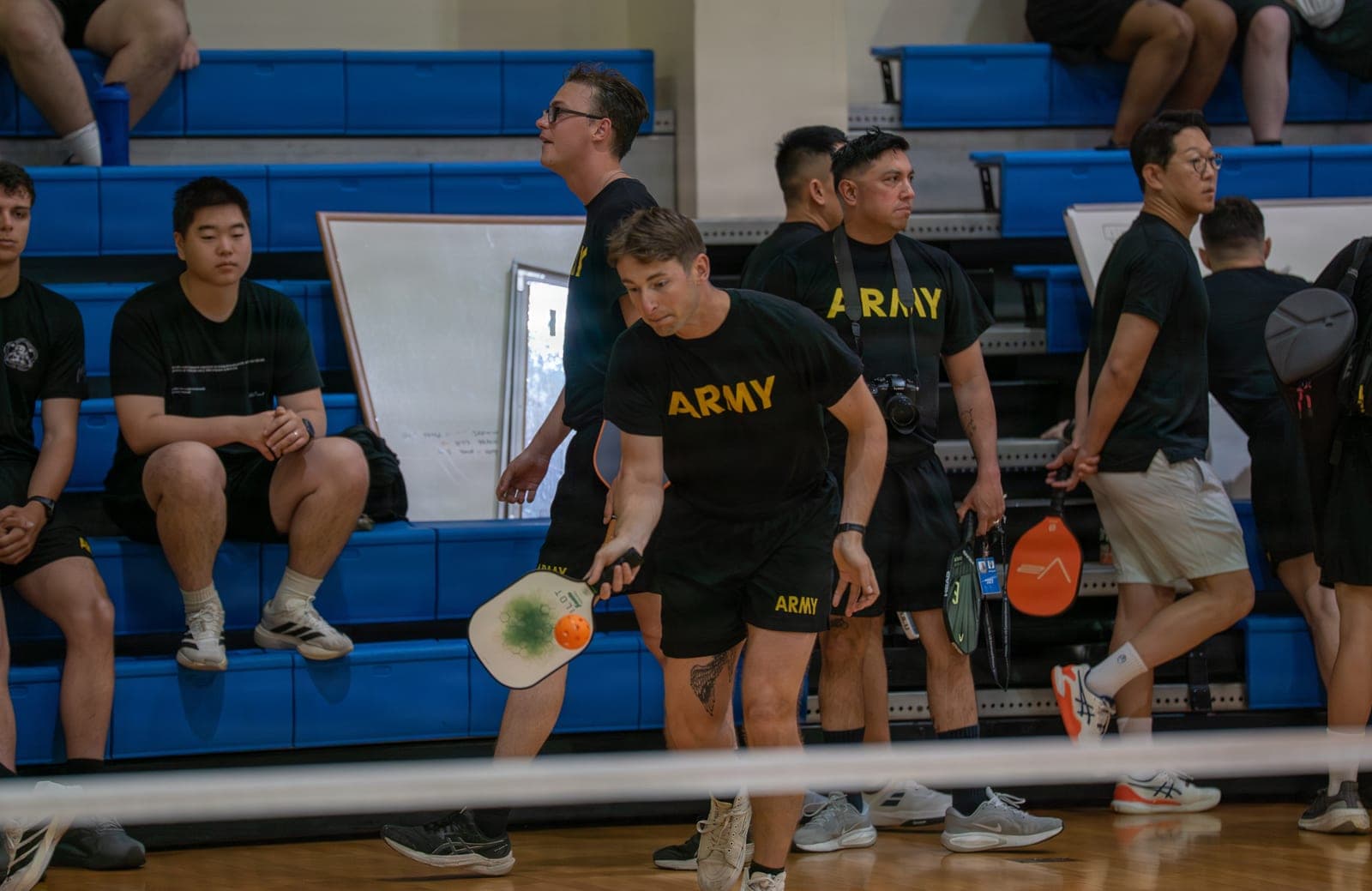
Pickleball
A friendly, easy-to-learn paddle sport played on a small court with a solid paddle and a light, perforated ball.
American Football
A strategic, position-based team sport of set plays, sprinting and coordinated teamwork on a marked field.
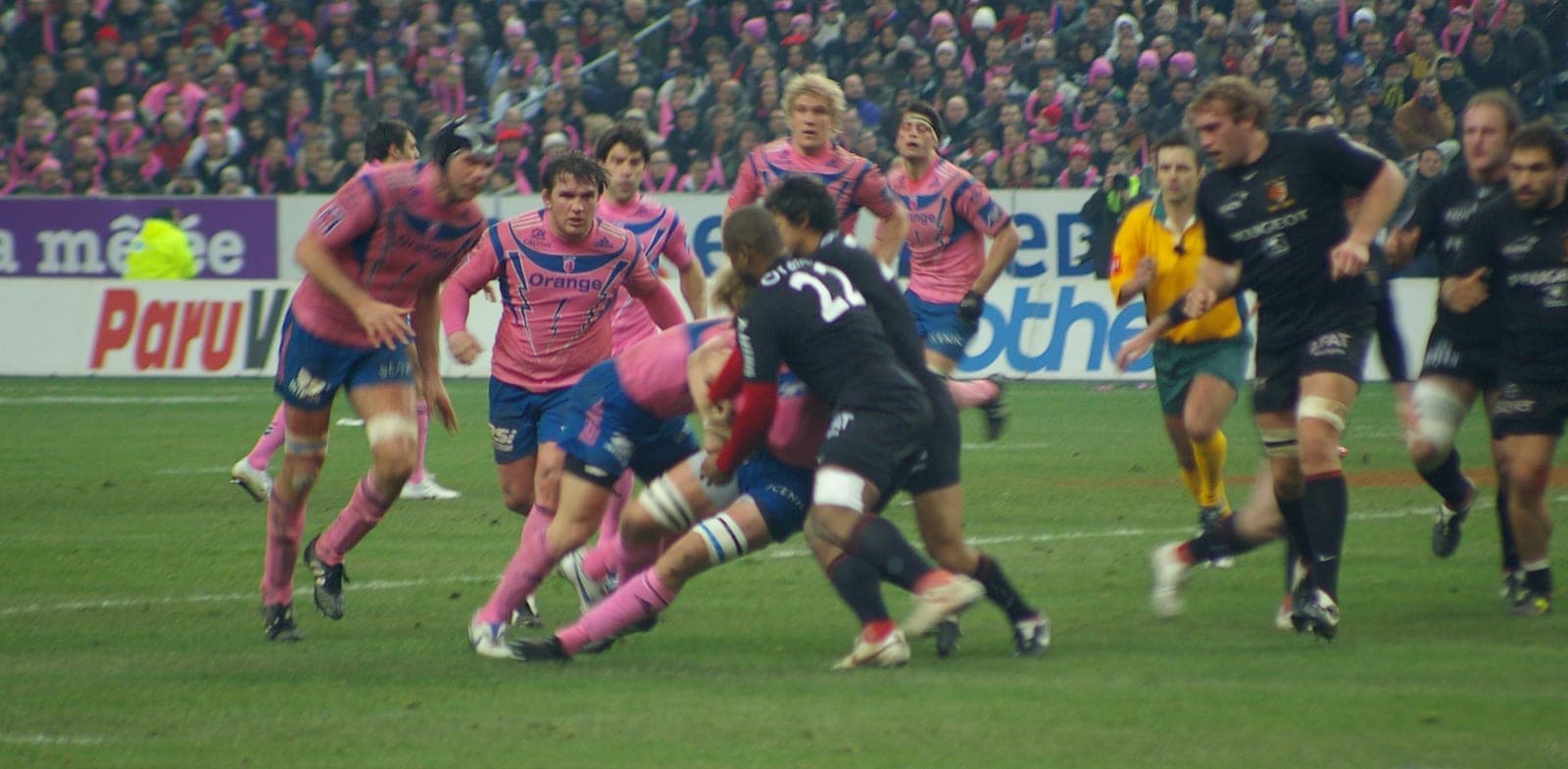
Rugby
A physical team sport of carrying, passing and kicking an oval ball toward the opposing line.

Football
The world’s most popular team sport — endless running, teamwork and community in one game.
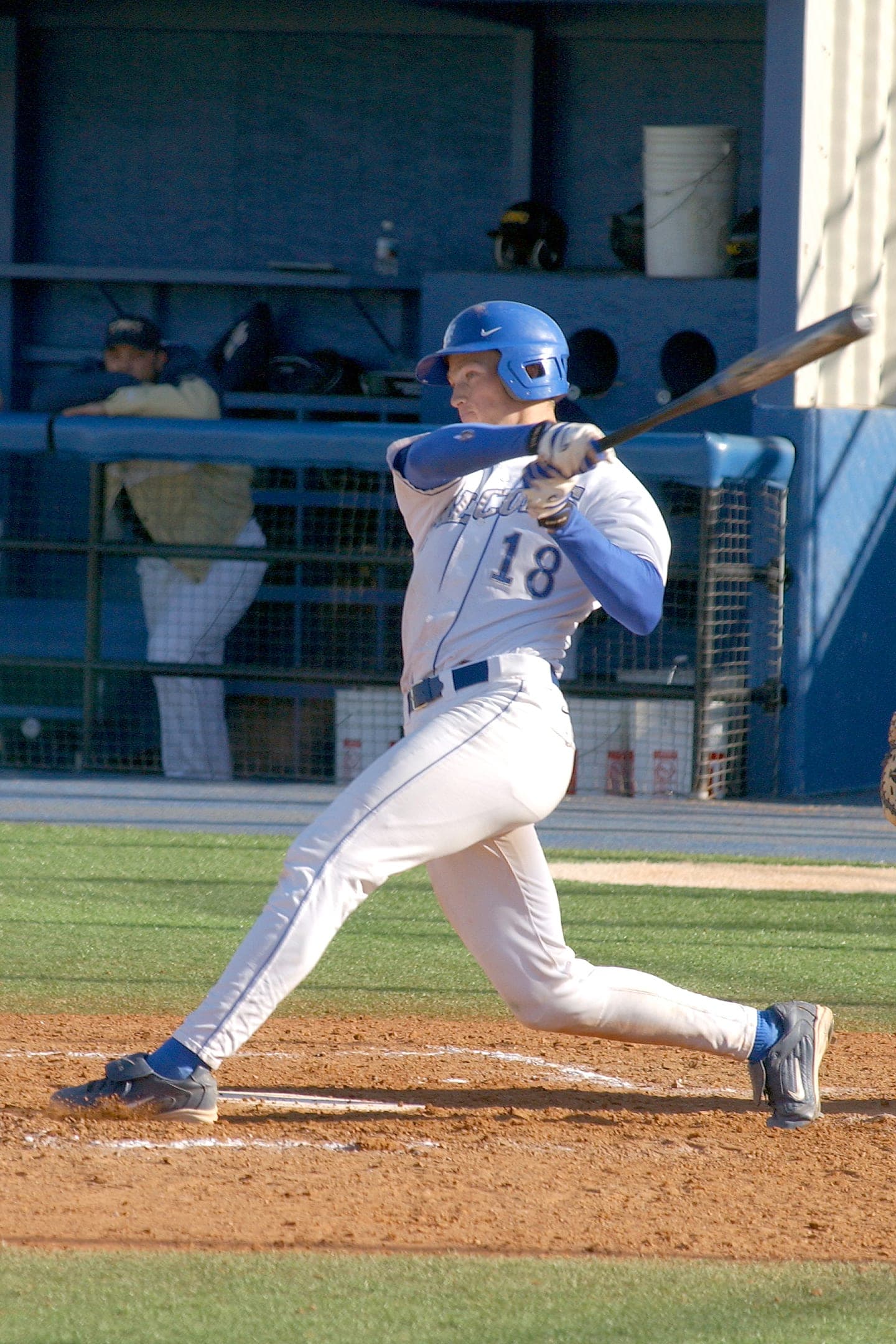
Baseball
A bat-and-ball team sport where two sides alternate between batting and fielding to score runs.
Related officiating
Referee
The primary on-field official who enforces the rules, controls play, penalises fouls, awards restarts, and blows the whistle to start and stop a match.
Umpire
A match official who rules on lines, serves and dismissals in racket, bat-and-ball and net sports such as tennis, cricket and baseball — and, in racket sports, also keeps the running score.
Scorekeeper
The official who keeps the authoritative record of a contest — score, fouls, and statistics — usually seated at a scorer's table beside the timekeeper.
Explore across the knowledge base
Follow the threads that connect Line Judge to the rest of SocialSportHub.
Rules
- Out of boundsThe rule that a ball or player leaving the marked playing area is out of play and possession is decided at the boundary.
- Foot faultA serving fault called when the server's foot touches the baseline or court before striking the ball.
- Tennis serving rulesThe rules governing how a tennis point begins, including where the server stands and where the serve must land.
- LetA call that stops a point and has it replayed without penalty, used across several racket sports.
- OffsideA rule that prevents an attacker from gaining an advantage by being positioned too close to the opponents' goal ahead of the ball and the last defenders.
Healthy living
Positions
Physical qualities
Practice & sessions
Sports communication
- Defensive communicationTalking and signalling on defence — organising who marks whom, calling switches and warning teammates — to stay coordinated without the ball.
- Captain communicationHow a team's designated captain relays decisions, sets a tone and — in many sports — acts as the recognised point of contact with officials.
- Communication under pressureKeeping communication clear, calm and brief when a game is loud, tiring or high-stakes — so the message still lands.
How this page is maintained
- Content type
- Officiating concept
- Provenance
- Tier A — evergreen educational
- Verified external sources
- 0
- Content updated
- 2026-09-12
Evergreen, first-party explanation — it makes no claim that needs an external source. How we handle sources and reviews.