
Umpire
A match official who rules on lines, serves and dismissals in racket, bat-and-ball and net sports such as tennis, cricket and baseball — and, in racket sports, also keeps the running score.
Overview
An umpire is a match official who watches play at close range, applies the sport's rules, and announces or signals the resulting decision. The role is most closely associated with racket, bat-and-ball, and net sports, where an umpire judges whether a ball lands in or out, whether a serve is legal, whether a batter is out or a delivery is fair, and whether a player has touched the net or otherwise broken a rule. Depending on the sport, an umpire may be the sole authority over a match or one member of a larger officiating crew, and the same word is used for very different jobs, from the official who runs an entire contest to a specialist who watches only the lines or the serve.
Across sports the umpire's decisions are communicated through a standardized vocabulary of hand signals and spoken calls, so that players, teammates, and spectators all read the same outcome. In racket sports the umpire usually also keeps and announces the running score, calling points, deuce, tiebreaks, and changes of game or set. Umpires are expected to stay neutral and consistent, and many sports now allow a close call to be checked against a video or electronic review before it becomes final. Where several officials share a match, they follow defined areas of responsibility and agreed ways to consult one another so that only one clear decision stands.
What it involves
- Core duties: an umpire watches play, applies the rules, makes binary calls such as in or out and legal or illegal, and then announces or signals the decision clearly.
- Positioning: umpires are stationed where the key judgment happens, whether a raised chair for an overview, on or beside the lines, behind the plate, or at the net, so the relevant line, serve, or contact is clearly visible.
- Signals and scorekeeping: umpires use a standard set of hand signals and calls, and in racket sports the umpire also keeps and announces the running score, including points, deuce, tiebreaks, and game or set changes.
- Crew and hierarchy: one umpire may hold sole authority, or several may share a match, such as a chair with line umpires or a pair of on-field umpires, each with defined roles and a way to defer or consult.
- Neutrality and review: umpires are expected to be impartial and consistent, and many sports let a marginal call be checked against a video or electronic review before the final decision stands.
Where it’s used
Sports that use umpire:
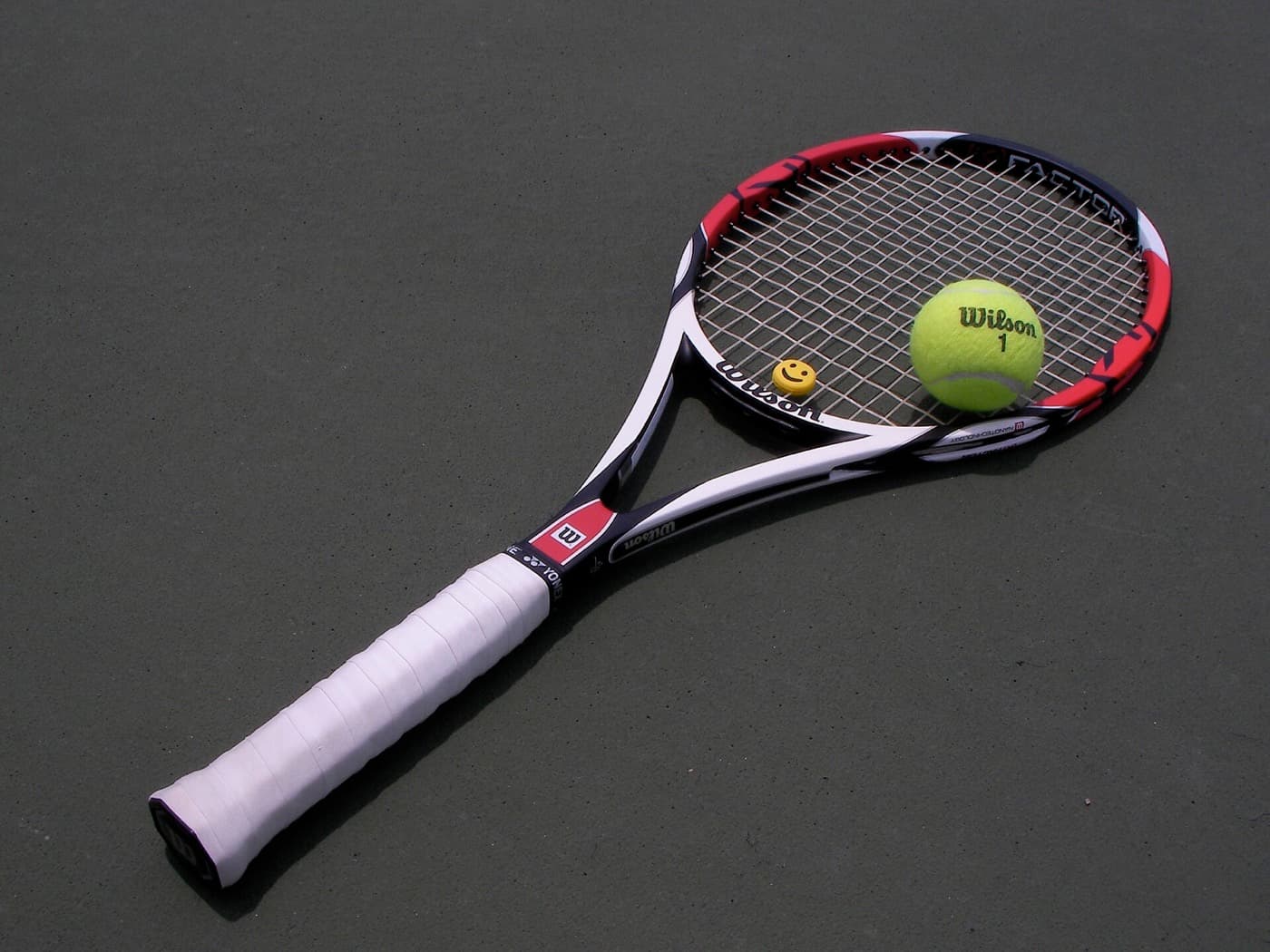
Tennis
A singles or doubles racquet sport that blends agility, strategy and stamina on court.
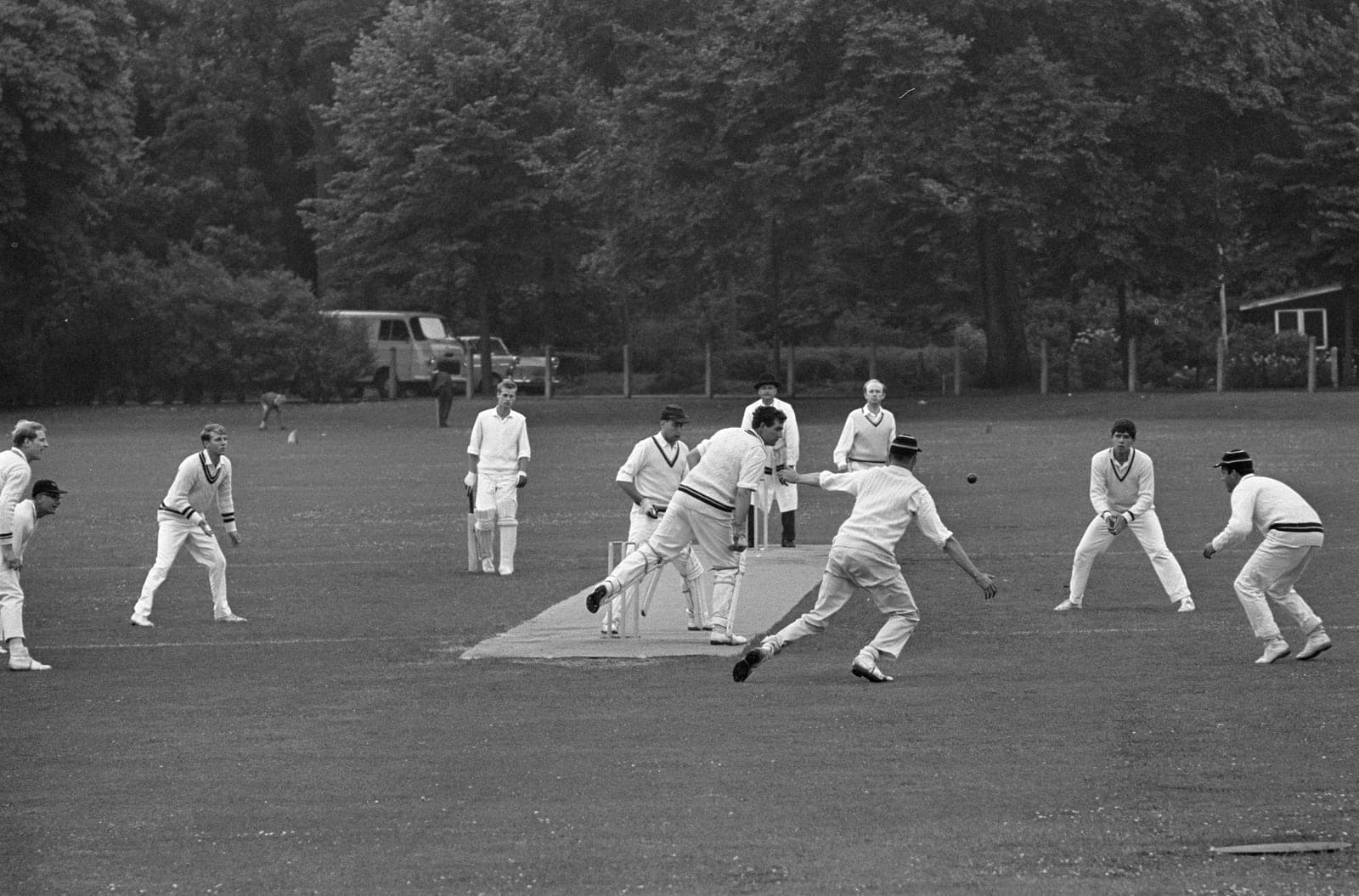
Cricket
A bat-and-ball team sport where sides take turns to bat and to bowl and field, scoring runs.
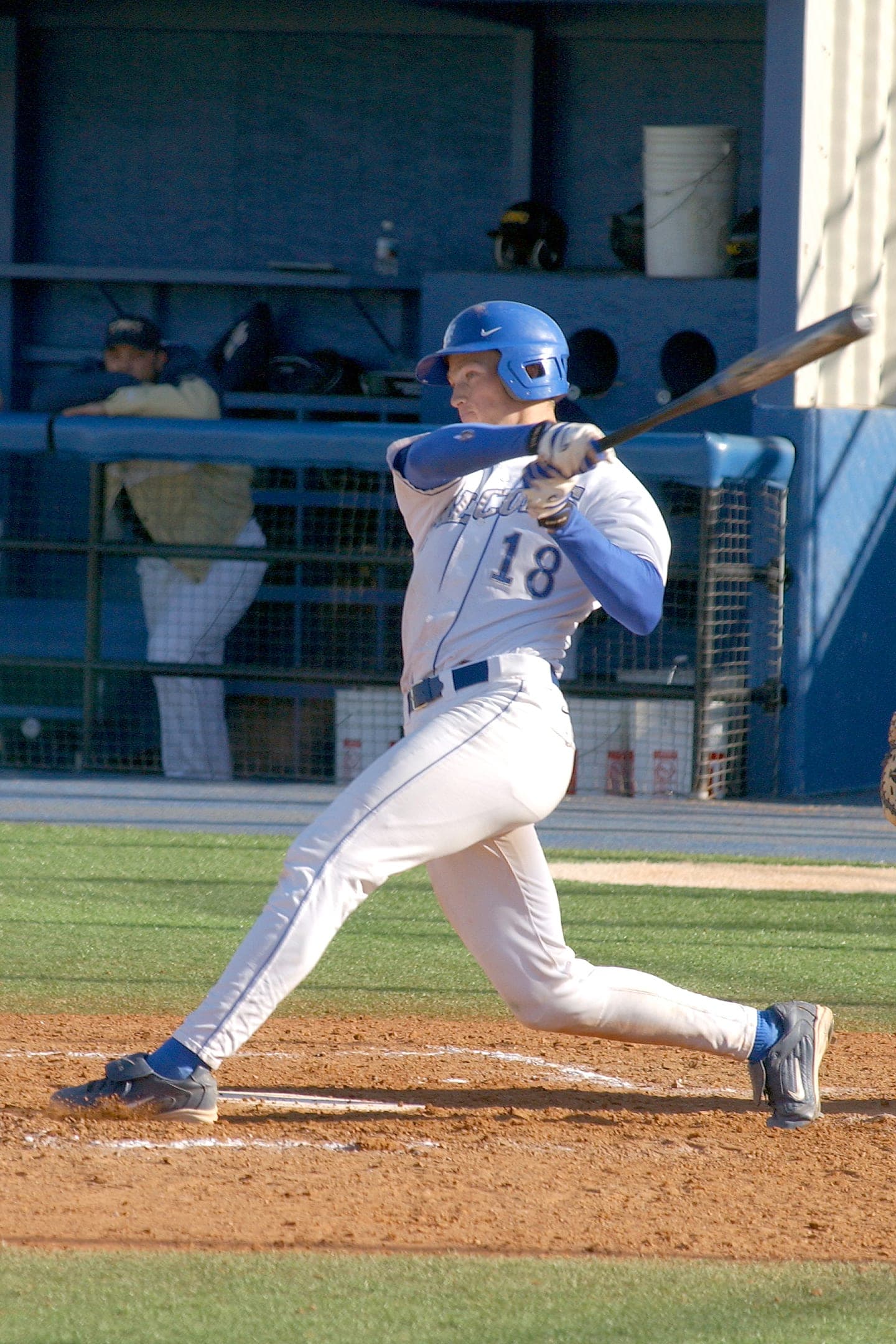
Baseball
A bat-and-ball team sport where two sides alternate between batting and fielding to score runs.
Softball
A friendly bat-and-ball team sport, closely related to baseball, played with a larger, softer ball.
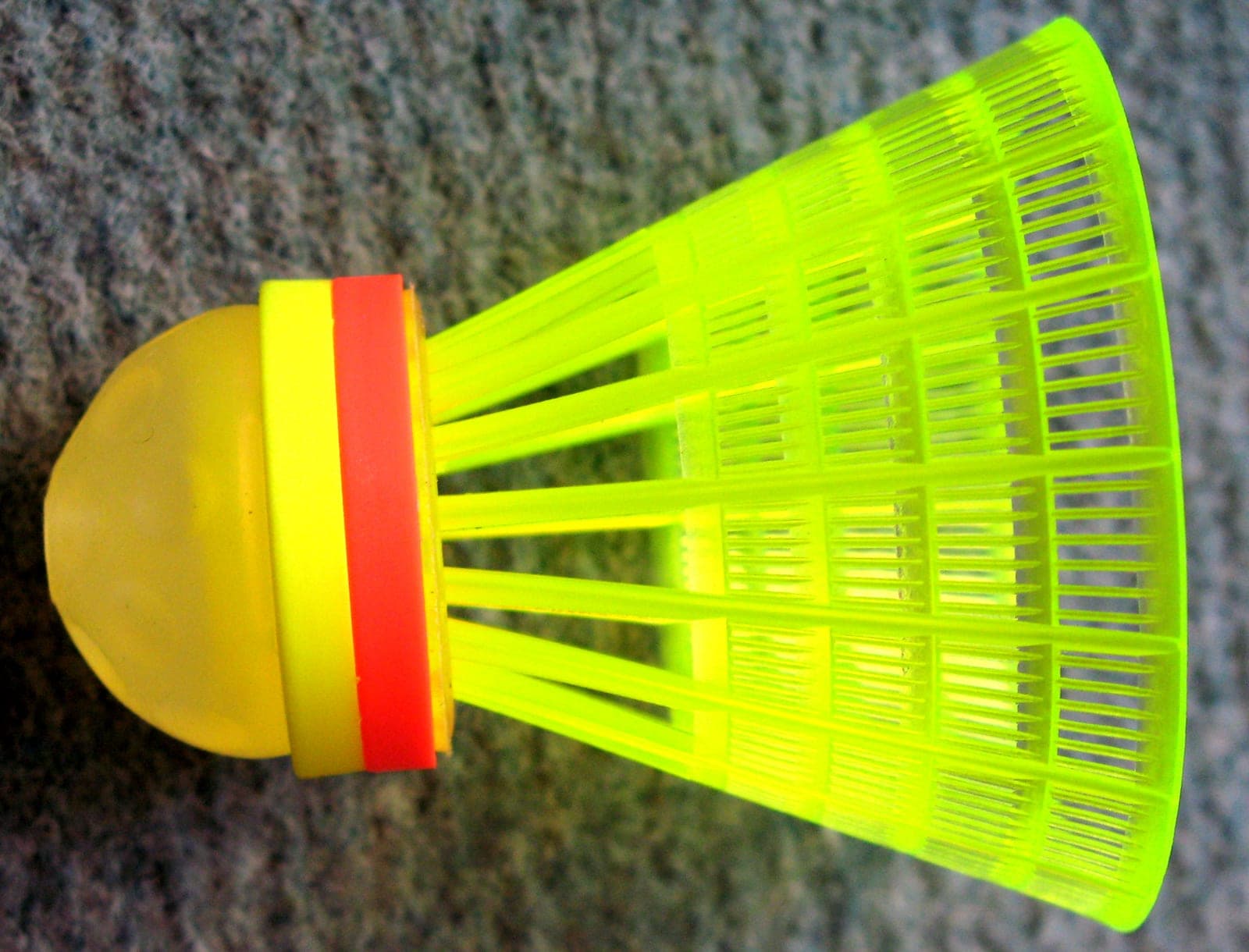
Badminton
A fast indoor racquet sport played with a shuttlecock that rewards agility and touch.
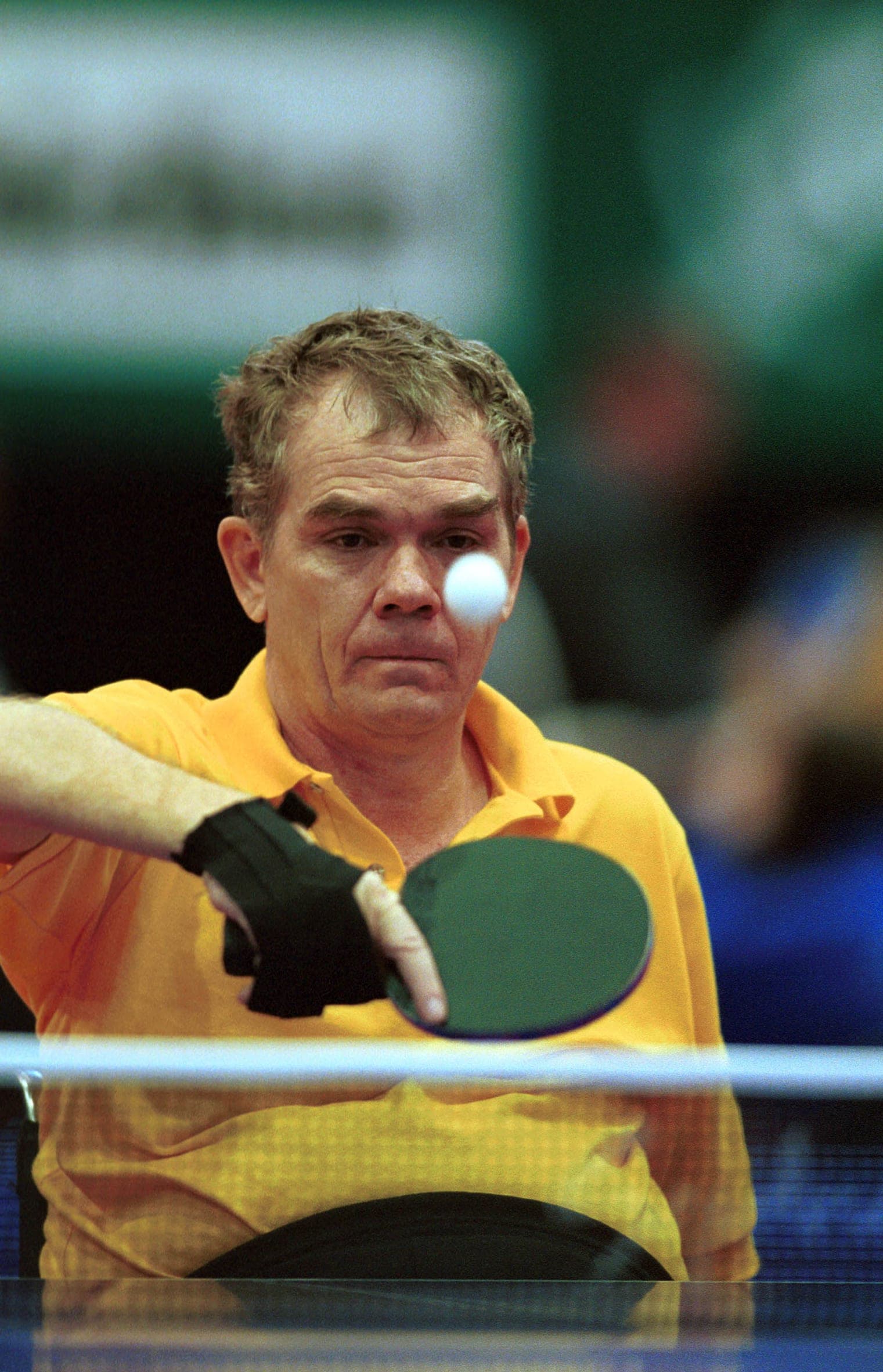
Table Tennis
A fast, low-impact indoor racquet sport that sharpens reflexes and is easy to start.
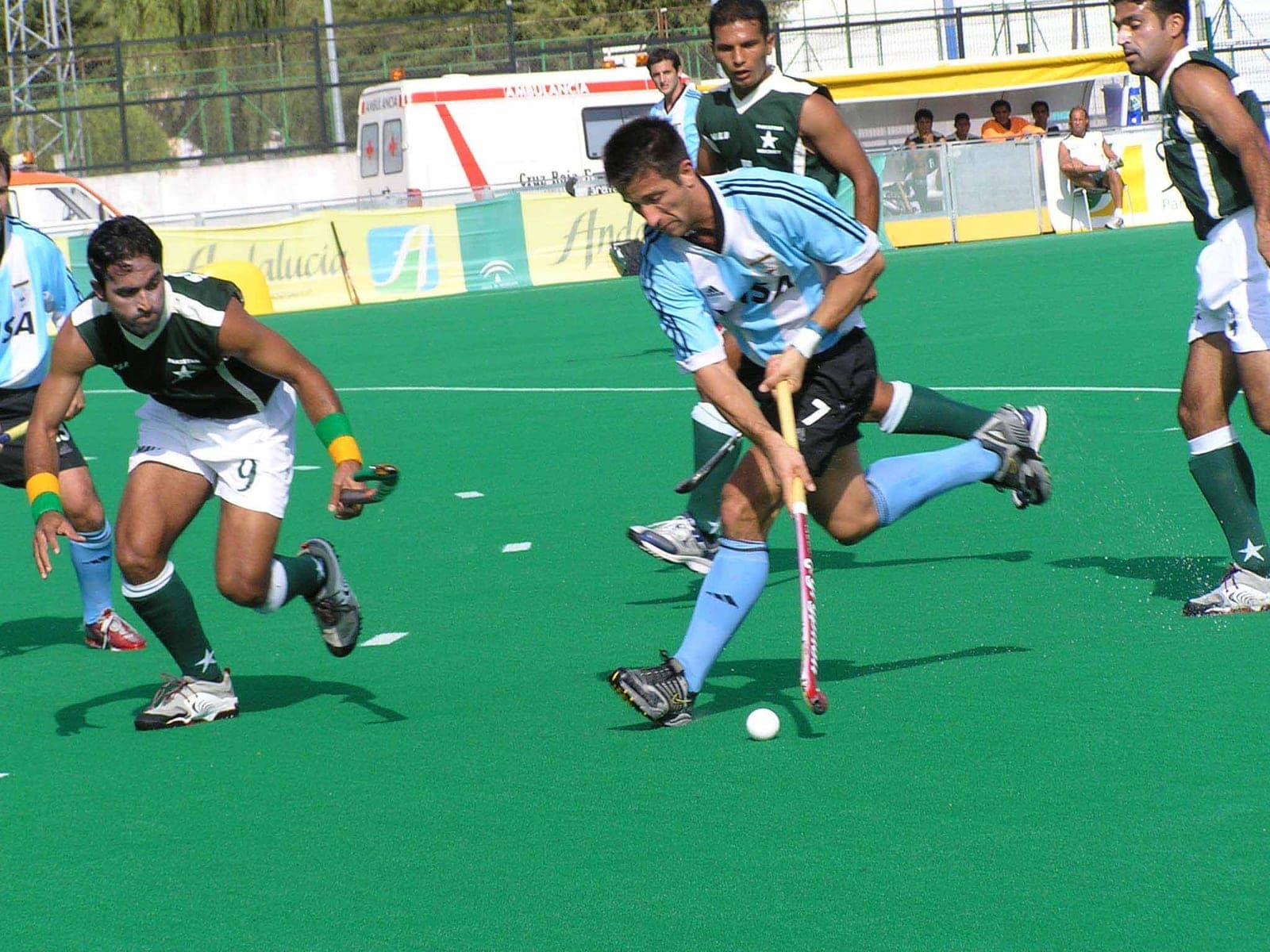
Field Hockey
An outdoor team sport that uses curved sticks to move a ball, built on agility and teamwork.
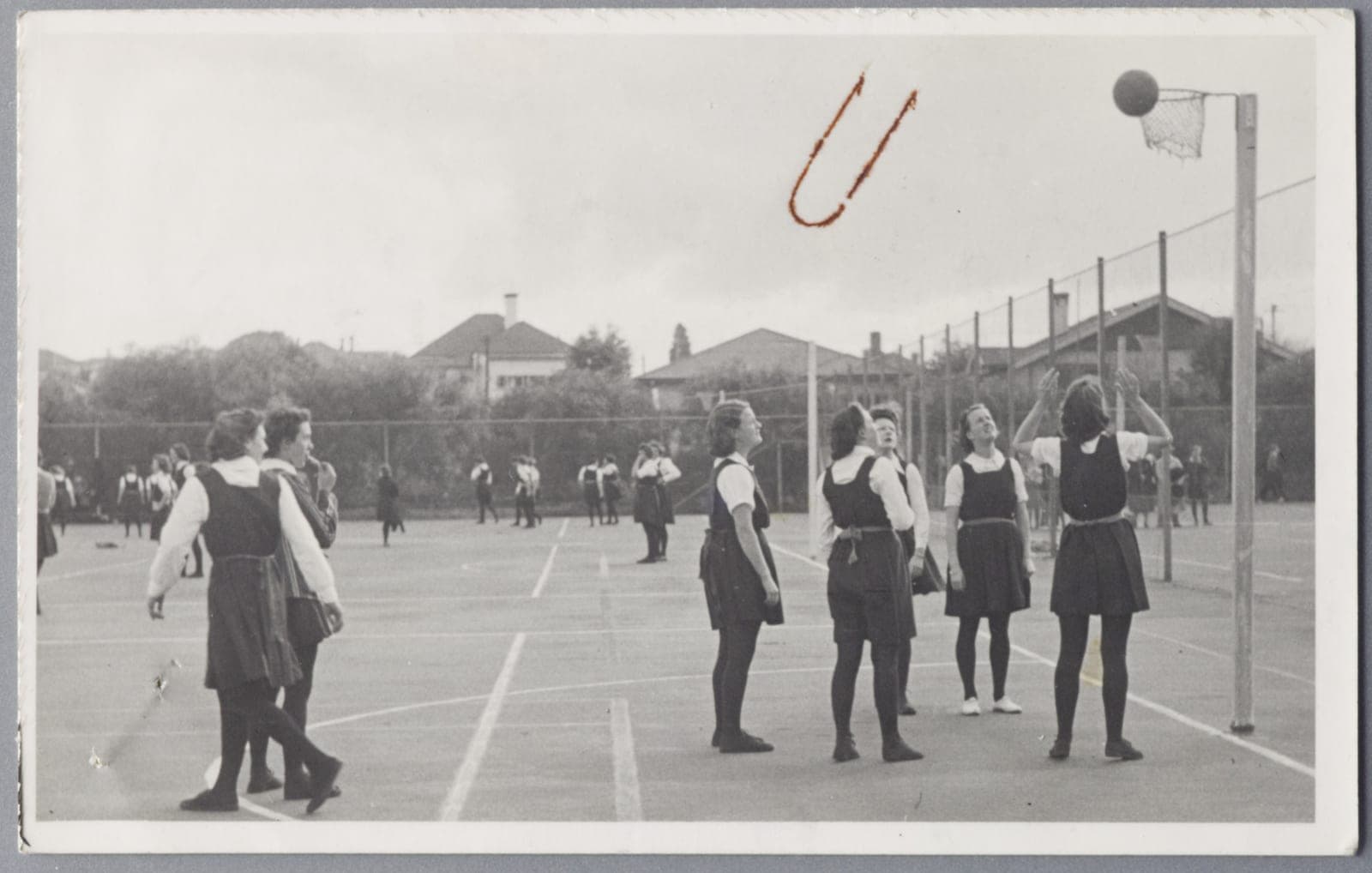
Netball
A non-contact, position-based team sport of quick passing and accurate shooting.
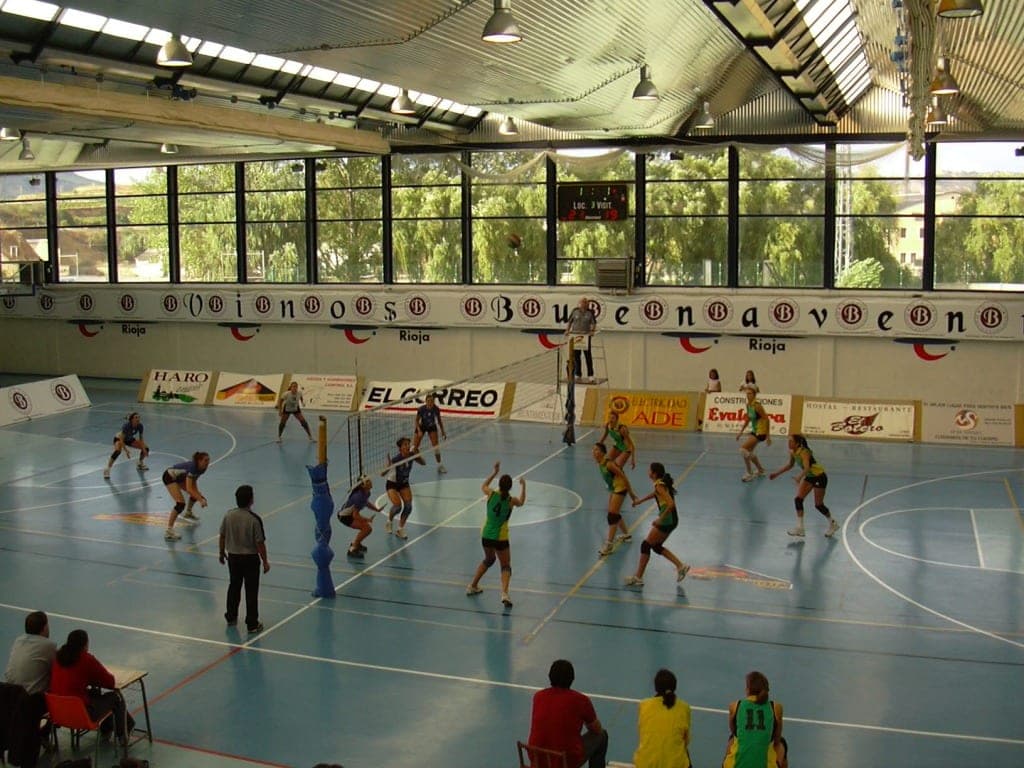
Volleyball
A non-contact team sport of rallies, jumps and teamwork — indoors or on the beach.
American Football
A strategic, position-based team sport of set plays, sprinting and coordinated teamwork on a marked field.
Related officiating
Referee
The primary on-field official who enforces the rules, controls play, penalises fouls, awards restarts, and blows the whistle to start and stop a match.
Line Judge
A boundary-line official who calls whether the ball or player is in or out and flags foot faults, working under the head referee across many sports.
Scorekeeper
The official who keeps the authoritative record of a contest — score, fouls, and statistics — usually seated at a scorer's table beside the timekeeper.
Explore across the knowledge base
Follow the threads that connect Umpire to the rest of SocialSportHub.
Rules
- Tennis serving rulesThe rules governing how a tennis point begins, including where the server stands and where the serve must land.
- Foot faultA serving fault called when the server's foot touches the baseline or court before striking the ball.
- LetA call that stops a point and has it replayed without penalty, used across several racket sports.
- Out of boundsThe rule that a ball or player leaving the marked playing area is out of play and possession is decided at the boundary.
- Touching the netA net-play rule that penalises a player for contacting the net during a rally in net-divided sports.
Scoring systems
- Tennis scoringTennis is scored in points, games and sets, using the distinctive 15–30–40 point sequence and a win-by-two margin at every level.
- Badminton scoringBadminton uses rally scoring to 21 points per game, with matches decided over the best of three games.
- Table tennis scoringTable tennis is scored on every rally to 11 points per game, won by two clear points, over a best-of odd number of games.
- Tiebreak scoringA tiebreak is a short deciding game used in racket sports to settle a set that has reached an even number of games, scored in simple numbers to a fixed target.
Knowledge Atlas
Sport categories
Equipment
- Table tennis batA small wooden blade covered with rubber used to hit the ball in table tennis.
- Baseball batA smooth, rounded club used by batters to hit the pitched ball in baseball and softball.
- The cricket ballWhat a cricket ball weighs and measures in men's, women's and junior cricket, who controls the ball during a match, and the rules on taking a new ball after 80 overs.
- The racket, blade and rubberWhat the Laws actually regulate about a table tennis bat — the 85% wood rule, the exact thickness limits for pimpled and sandwich rubber, and the pimple density range.
- Cricket batA flat-fronted wooden bat used by batters to hit the ball in cricket, with a curved back that concentrates weight behind the hitting area.
Positions
- Small forwardThe small forward is a versatile wing player in basketball who can score inside and outside while also defending multiple positions.
- LiberoThe libero is a defensive volleyball specialist who wears a contrasting shirt, plays only in the back row, and cannot attack the ball above the height of the net.
- Full-backA full-back is a defender who plays on the left or right side of the defence, defending the flank while also supporting attacks down the wing.
- Point guardThe point guard is basketball’s primary ball-handler and playmaker, running the offence and setting up teammates to score.
How this page is maintained
- Content type
- Officiating concept
- Provenance
- Tier A — evergreen educational
- Verified external sources
- 0
- Content updated
- 2026-09-12
Evergreen, first-party explanation — it makes no claim that needs an external source. How we handle sources and reviews.