
Tiebreak scoring
A tiebreak is a short deciding game used in racket sports to settle a set that has reached an even number of games, scored in simple numbers to a fixed target.
Overview
A tiebreak resolves a set that would otherwise have no end, most commonly when the games reach six all in tennis and padel. Instead of the usual 15–30–40 sequence, points are counted plainly as 1, 2, 3 and so on, and the first side to reach the target with a two-point lead wins the set.
Serving and ends of court rotate at set intervals during the tiebreak so neither side gains an advantage from conditions. Some formats also use a longer "match" tiebreak in place of a full final set, played to a higher target but on the same principles.
How it works
- A standard tiebreak is triggered when a set reaches six games all.
- Points are counted simply as 1, 2, 3 rather than the usual 15, 30, 40.
- The first side to seven points, leading by at least two, wins the tiebreak and the set.
- Service and ends change at set intervals so conditions are shared evenly.
- A longer match tiebreak, often played to ten, sometimes replaces a deciding final set.
Where it’s used
Sports that use tiebreak scoring:
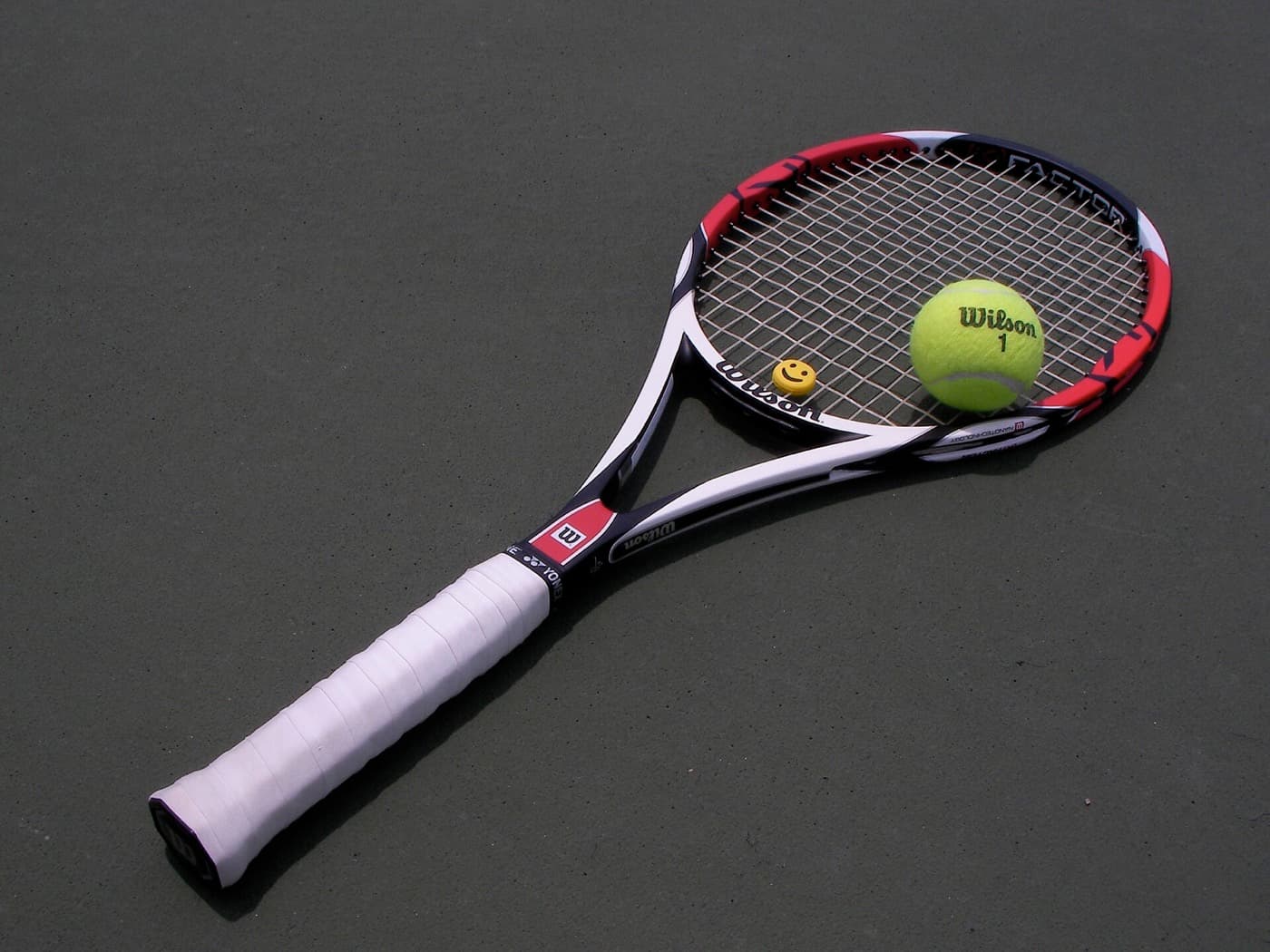
Tennis
A singles or doubles racquet sport that blends agility, strategy and stamina on court.
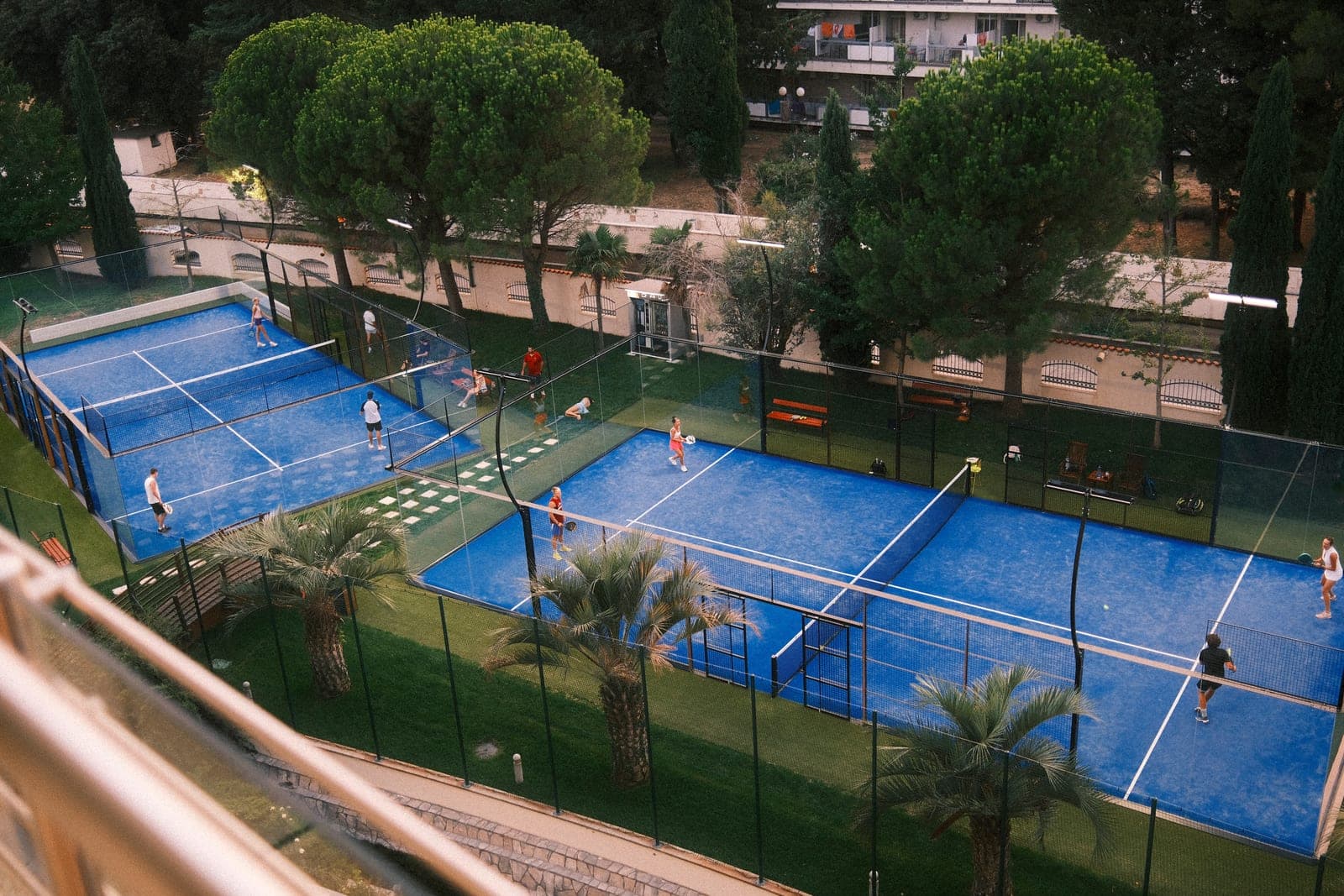
Padel
A sociable, doubles-first racquet sport played in an enclosed court where the walls stay in play.
POP Tennis
A friendly, easy-to-learn racquet sport on a smaller court with solid paddles and a lower net.
Beach Tennis
A sociable sand-court paddle sport played with solid paddles and a soft ball that is volleyed without a bounce.
Related scoring systems
Tennis scoring
Tennis is scored in points, games and sets, using the distinctive 15–30–40 point sequence and a win-by-two margin at every level.
Padel scoring
Padel borrows tennis scoring, counting points as 15–30–40 within games and playing sets to six games decided by a tiebreak.
Padel scoring and the tie-break
How padel matches are counted — the game and set structure, the tie-break serving order, and the alternative scoring methods the FIP rules explicitly authorise.
How it connects
The meaning-bearing relationships that place Tiebreak scoring in the wider knowledge graph — each one with the reason it exists.
Part of
The wider grouping this belongs to.
Explore across the knowledge base
Follow the threads that connect Tiebreak scoring to the rest of SocialSportHub.
Officiating
- UmpireA match official who rules on lines, serves and dismissals in racket, bat-and-ball and net sports such as tennis, cricket and baseball — and, in racket sports, also keeps the running score.
- JudgeA judge is an official who scores performance in judged sports, awarding marks for execution and difficulty rather than counting goals or timing a race.
Learning paths
Rules
- LetA call that stops a point and has it replayed without penalty, used across several racket sports.
- Shot clockA timing rule that requires the attacking basketball team to attempt a shot within a set number of seconds.
- The padel servePadel's underarm serve, set out exactly — the bounce before the strike, the waist-height limit, where the server's feet must be, and the wire-mesh fault that has no tennis equivalent.
Equipment
- What the Rules regulate about a tennis racketThe surprisingly short list of things the ITF fixes about a racket — a flat, uniform stringing pattern and no energy sources — and the two decided cases that settle what players may use.
- DumbbellA short handheld weight used for strength and fitness training, worked one in each hand so each side has to hold its own load.
- Pickleball paddleA solid, flat paddle used to hit the perforated plastic ball in pickleball.
- Squash racquetA slim strung racquet used to hit the ball against the walls in squash.
- Table tennis batA small wooden blade covered with rubber used to hit the ball in table tennis.
Disciplines
- FoilFoil is a fencing weapon in which touches are scored only with the point on the opponent's torso, governed by right-of-way rules.
- SabreSabre is a fencing weapon scored with the edge and the point on targets above the waist, governed by right-of-way and known for its speed.
- RecurveRecurve archery uses a bow whose limb tips curve away from the archer, shot with a sight and finger release; it is the discipline contested at the Olympic Games.
How this page is maintained
- Content type
- Scoring system
- Provenance
- Tier A — evergreen educational
- Verified external sources
- 0
- Content updated
- 2026-09-12
Evergreen, first-party explanation — it makes no claim that needs an external source. How we handle sources and reviews.