
Tiebreak
A special game used to decide a set in tennis when the score reaches a tie, usually at six games all.
Definition
A tiebreak (also written tie-break) is a shortened game played to settle a set when both players have won an equal number of games, most commonly at 6-6. Instead of the usual game scoring, players count points as 1, 2, 3, and so on, and the first to reach the target number of points while leading by at least two wins the set.
Serving alternates during a tiebreak according to a set pattern, and players change ends at regular intervals. The format gives a clear, quick way to break a deadlock, and similar tiebreak systems are used in other racquet sports.
Where you’ll hear “tiebreak”
Sports that use this term:
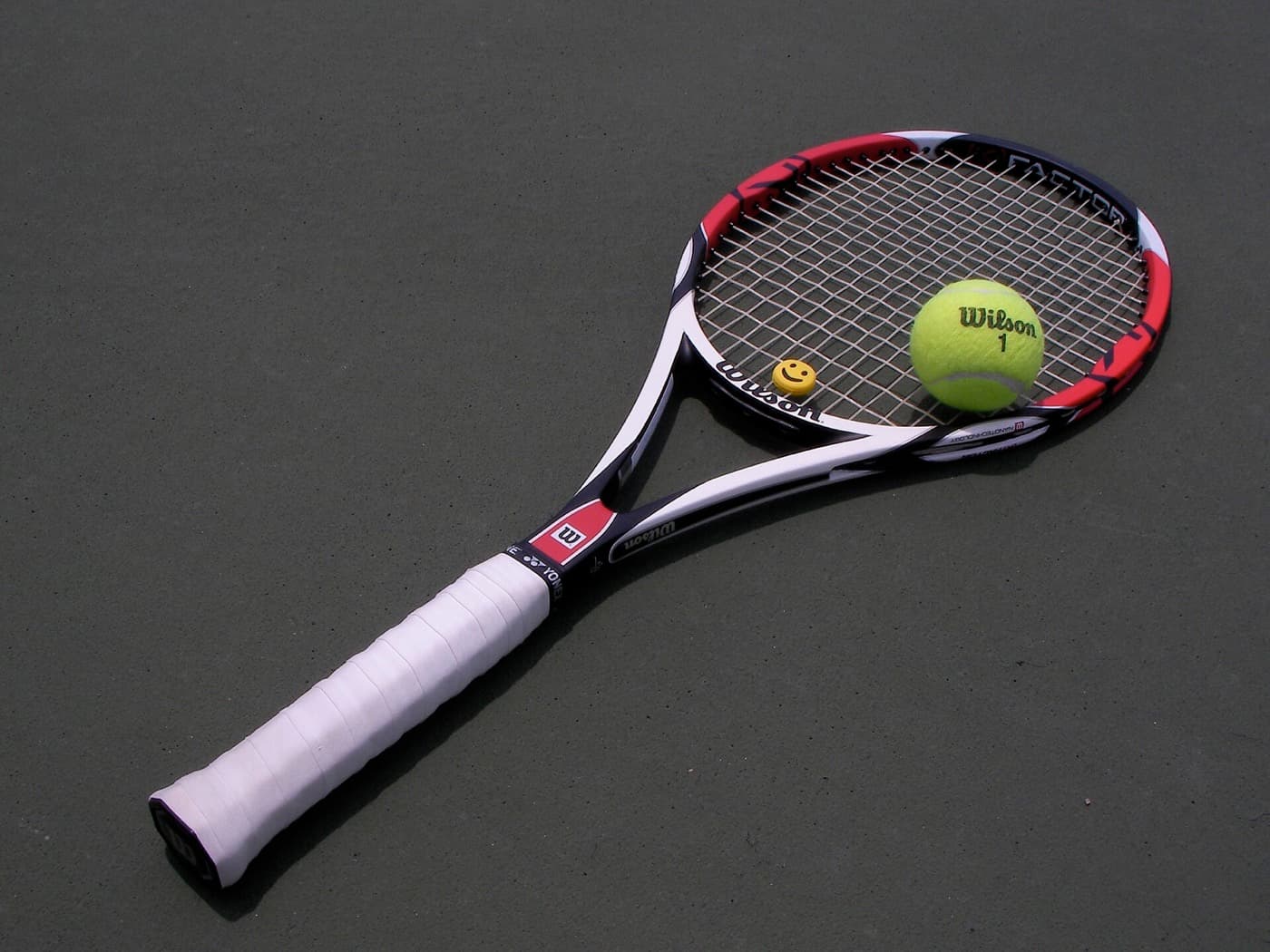
Tennis
A singles or doubles racquet sport that blends agility, strategy and stamina on court.
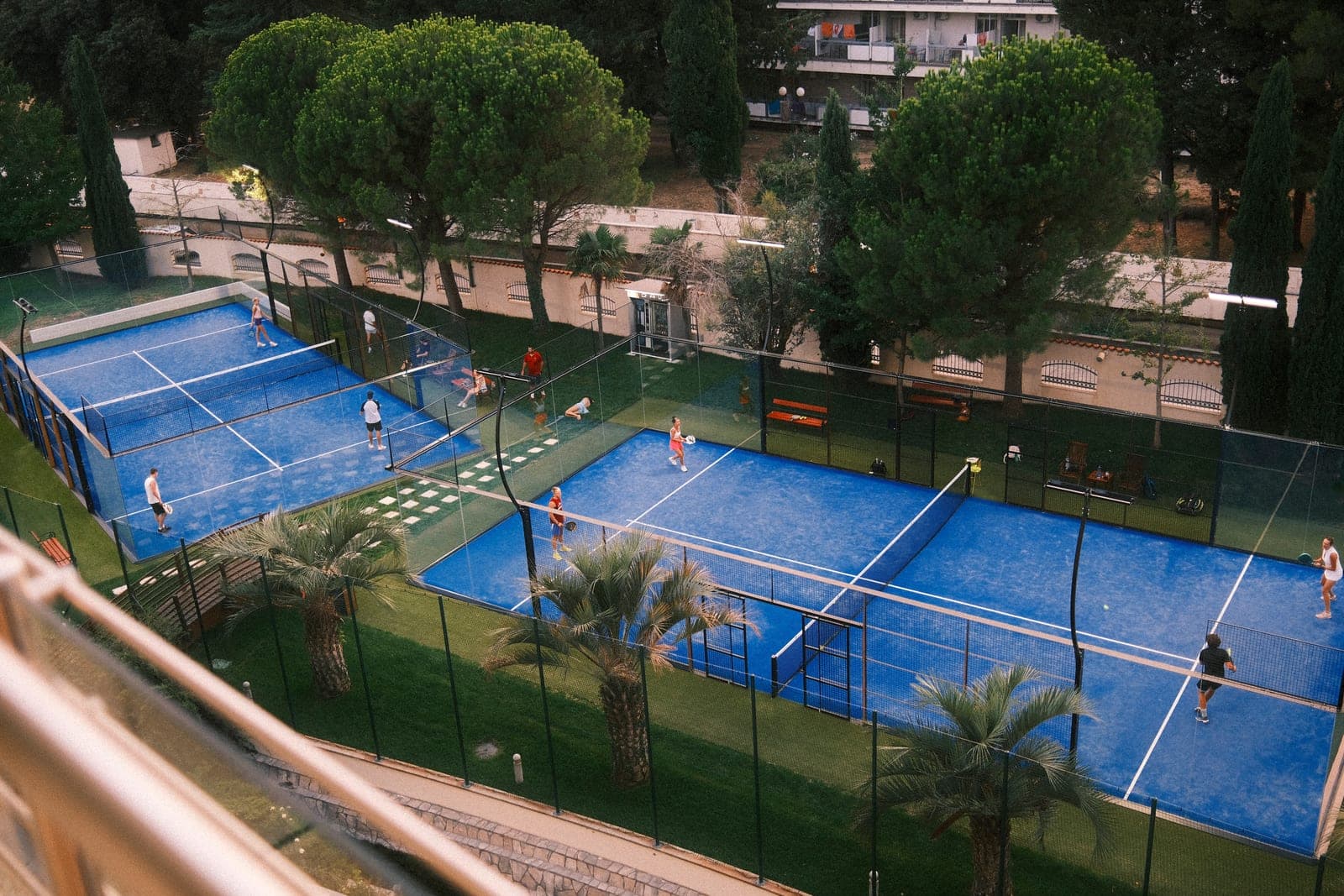
Padel
A sociable, doubles-first racquet sport played in an enclosed court where the walls stay in play.
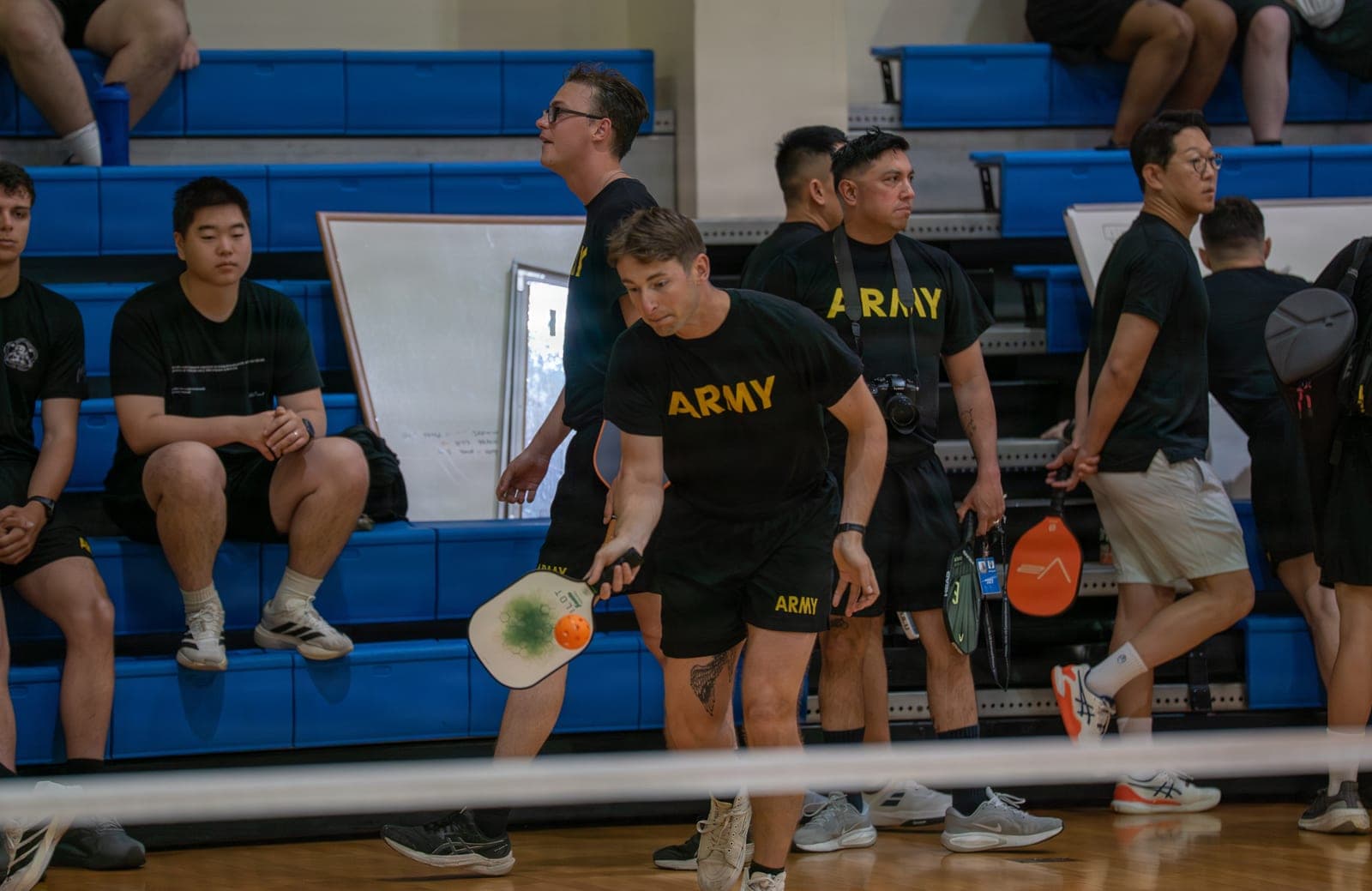
Pickleball
A friendly, easy-to-learn paddle sport played on a small court with a solid paddle and a light, perforated ball.
Beach Tennis
A sociable sand-court paddle sport played with solid paddles and a soft ball that is volleyed without a bounce.
Explore across the knowledge base
Follow the threads that connect Tiebreak to the rest of SocialSportHub.
Scoring systems
- Tennis scoringTennis is scored in points, games and sets, using the distinctive 15–30–40 point sequence and a win-by-two margin at every level.
- Padel scoringPadel borrows tennis scoring, counting points as 15–30–40 within games and playing sets to six games decided by a tiebreak.
- Tiebreak scoringA tiebreak is a short deciding game used in racket sports to settle a set that has reached an even number of games, scored in simple numbers to a fixed target.
- Tennis scoring systemsThe scoring methods the ITF Rules actually authorise — the advantage set, the tie-break set, the standard tie-break game, and the short sets and match tie-breaks in Appendix VI.
- Padel scoring and the tie-breakHow padel matches are counted — the game and set structure, the tie-break serving order, and the alternative scoring methods the FIP rules explicitly authorise.
Positions
- CenterThe center is usually the tallest player on a basketball team, playing near the basket to score inside, rebound, and protect the rim.
- Ice hockey positionsThe six players on the ice and what each does — centre, two wings, two defence and the goaltender — plus why hockey substitutes in lines rather than individually.
- Point guardThe point guard is basketball’s primary ball-handler and playmaker, running the offence and setting up teammates to score.
Facilities
- The cricket field and boundaryHow the edge of a cricket field is defined and marked, what scores four and what scores six, and why the Laws set no boundary distance while international playing conditions do.
- Multi-use games area (MUGA)A fenced outdoor hard-surface area marked for several sports, common in schools, parks and community facilities.
- Ice rinkA sheet of prepared ice, usually rink-boarded with rounded corners, used for skating and ice sports.
Go deeper with Tiebreak
Everywhere else on the platform that covers Tiebreak — assembled from what actually references it, so nothing here is a dead end.
Take it away
Open data and the whole-platform view of this subject.
How this page is maintained
- Content type
- Term
- Provenance
- Tier A — evergreen educational
- Verified external sources
- 0
- Content updated
- 2026-09-01
Evergreen, first-party explanation — it makes no claim that needs an external source. How we handle sources and reviews.