
Tie-breaker (Standings)
A rule used to separate competitors who finish level, deciding order without an extra match.
Definition
A tie-breaker is any agreed rule that ranks competitors who end up on the same points or score, so that qualification, seeding, or final placings can be settled fairly. Common league tie-breakers include goal or points difference, points scored, and the head-to-head record between the tied teams, applied in a set order until the deadlock is broken.
Tie-breakers can be sporting, such as who scored more, or procedural, such as fair-play records or, as a last resort, a drawing of lots. They are published in advance so every competitor knows how a level finish will be resolved, which matters most on the final day of a group or league when several teams can be tied.
Where you’ll hear “tie-breaker (standings)”
Sports that use this term:

Football
The world’s most popular team sport — endless running, teamwork and community in one game.
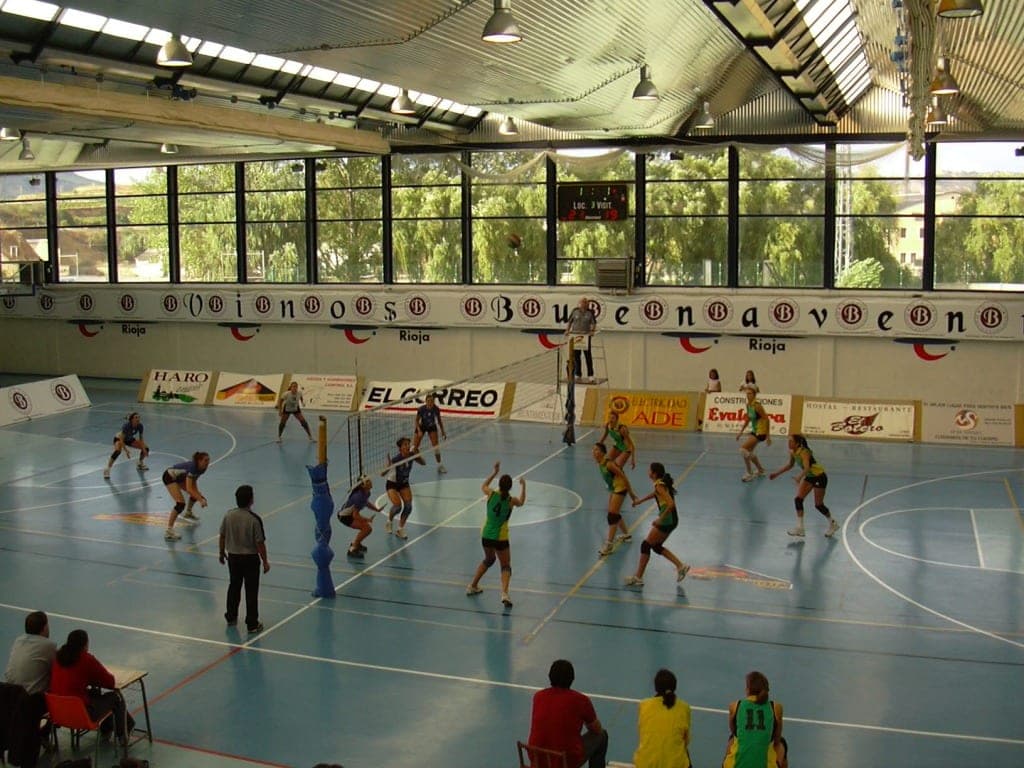
Volleyball
A non-contact team sport of rallies, jumps and teamwork — indoors or on the beach.

Cycling
A low-impact endurance sport that doubles as transport, exercise and adventure.

Basketball
A fast, dynamic team sport of running, jumping and quick decisions on court.
Explore across the knowledge base
Follow the threads that connect Tie-breaker (Standings) to the rest of SocialSportHub.
Rules
- Lane disciplineThe rule that competitors must stay within their assigned lane in lane-based races.
- LetA call that stops a point and has it replayed without penalty, used across several racket sports.
- Continuous play and the time between pointsWhat the ITF Rules say about pace of play — 25 seconds between points, 90 seconds at a changeover, 120 at a set break — and why tour rulebooks are a separate document.
- Order of playThe convention that decides who plays next in a golf group — normally the player whose ball is furthest from the hole.
Scoring systems
- Tiebreak scoringA tiebreak is a short deciding game used in racket sports to settle a set that has reached an even number of games, scored in simple numbers to a fixed target.
- Padel scoring and the tie-breakHow padel matches are counted — the game and set structure, the tie-break serving order, and the alternative scoring methods the FIP rules explicitly authorise.
- Tennis scoring systemsThe scoring methods the ITF Rules actually authorise — the advantage set, the tie-break set, the standard tie-break game, and the short sets and match tie-breaks in Appendix VI.
- Football (soccer) scoringFootball is scored by goals, with each goal worth one point and the team scoring the most goals winning the match.
- Tennis scoringTennis is scored in points, games and sets, using the distinctive 15–30–40 point sequence and a win-by-two margin at every level.
Equipment
- Golf clubA shafted club with a specialised head used to strike the ball around a golf course.
- The padel ballThe padel ball's own specification — diameter, weight, bounce and internal pressure — and the separate altitude ball the rules provide for above 1,000 metres.
- The table tennis ballThe 40 mm plastic ball the modern game is played with — its exact diameter, weight and colour, and the two separate rule changes that people routinely merge into one.
Techniques
Officiating
- UmpireA match official who rules on lines, serves and dismissals in racket, bat-and-ball and net sports such as tennis, cricket and baseball — and, in racket sports, also keeps the running score.
- RefereeThe primary on-field official who enforces the rules, controls play, penalises fouls, awards restarts, and blows the whistle to start and stop a match.
Go deeper with Tie-breaker (Standings)
Everywhere else on the platform that covers Tie-breaker (Standings) — assembled from what actually references it, so nothing here is a dead end.
Take it away
Open data and the whole-platform view of this subject.
How this page is maintained
- Content type
- Term
- Provenance
- Tier A — evergreen educational
- Verified external sources
- 0
- Content updated
- 2026-09-01
Evergreen, first-party explanation — it makes no claim that needs an external source. How we handle sources and reviews.