
Group Stage
An opening tournament phase in which entrants are split into groups that play a mini round-robin to decide who advances.
Definition
A group stage divides the field into several groups, or pools, whose members play each other, most often in a round-robin, so that a large entry can be reduced to a manageable set of qualifiers. Teams earn points from their group games, and the top finishers in each group progress, typically into a knockout phase.
Group stages balance fairness and scheduling: every team is guaranteed several matches rather than risking elimination on day one, while organisers keep the overall event to a workable length. Seeding is used when drawing the groups so that the strongest entrants are spread out rather than meeting too early.
Where you’ll hear “group stage”
Sports that use this term:
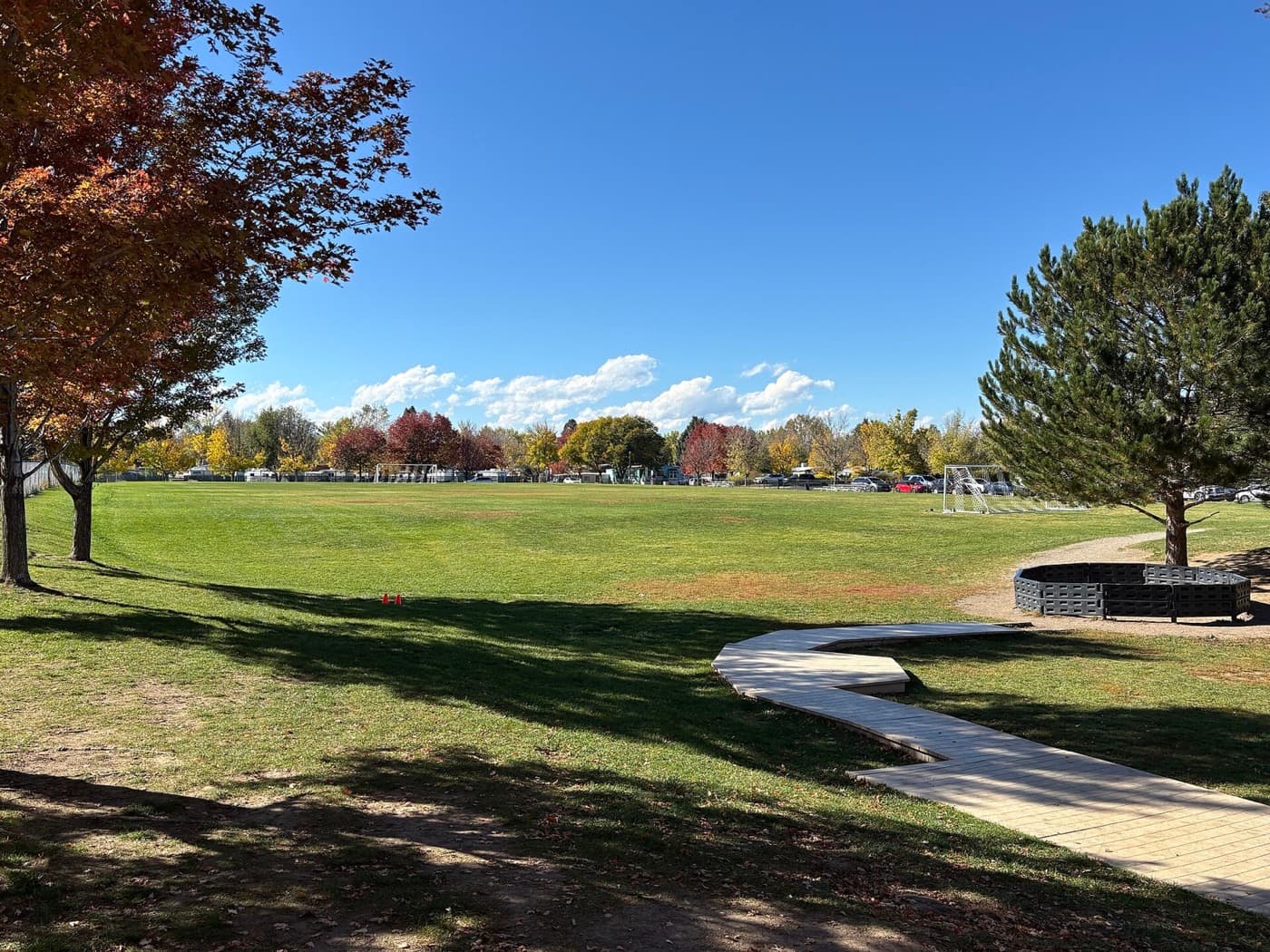
Football
The world’s most popular team sport — endless running, teamwork and community in one game.
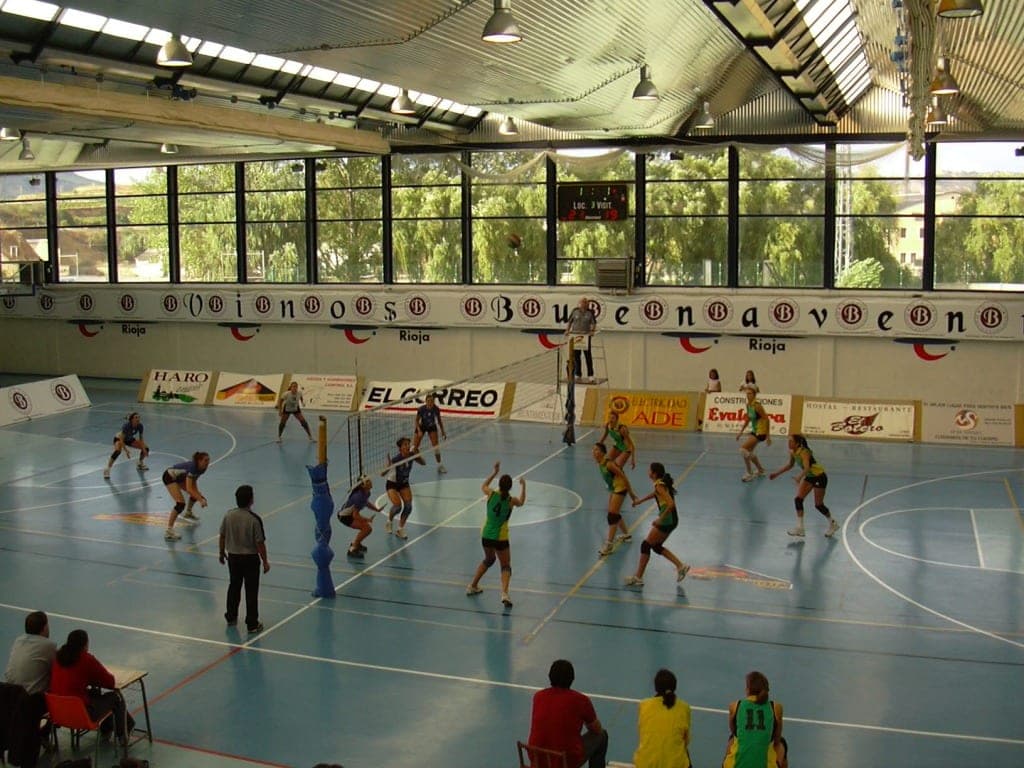
Volleyball
A non-contact team sport of rallies, jumps and teamwork — indoors or on the beach.
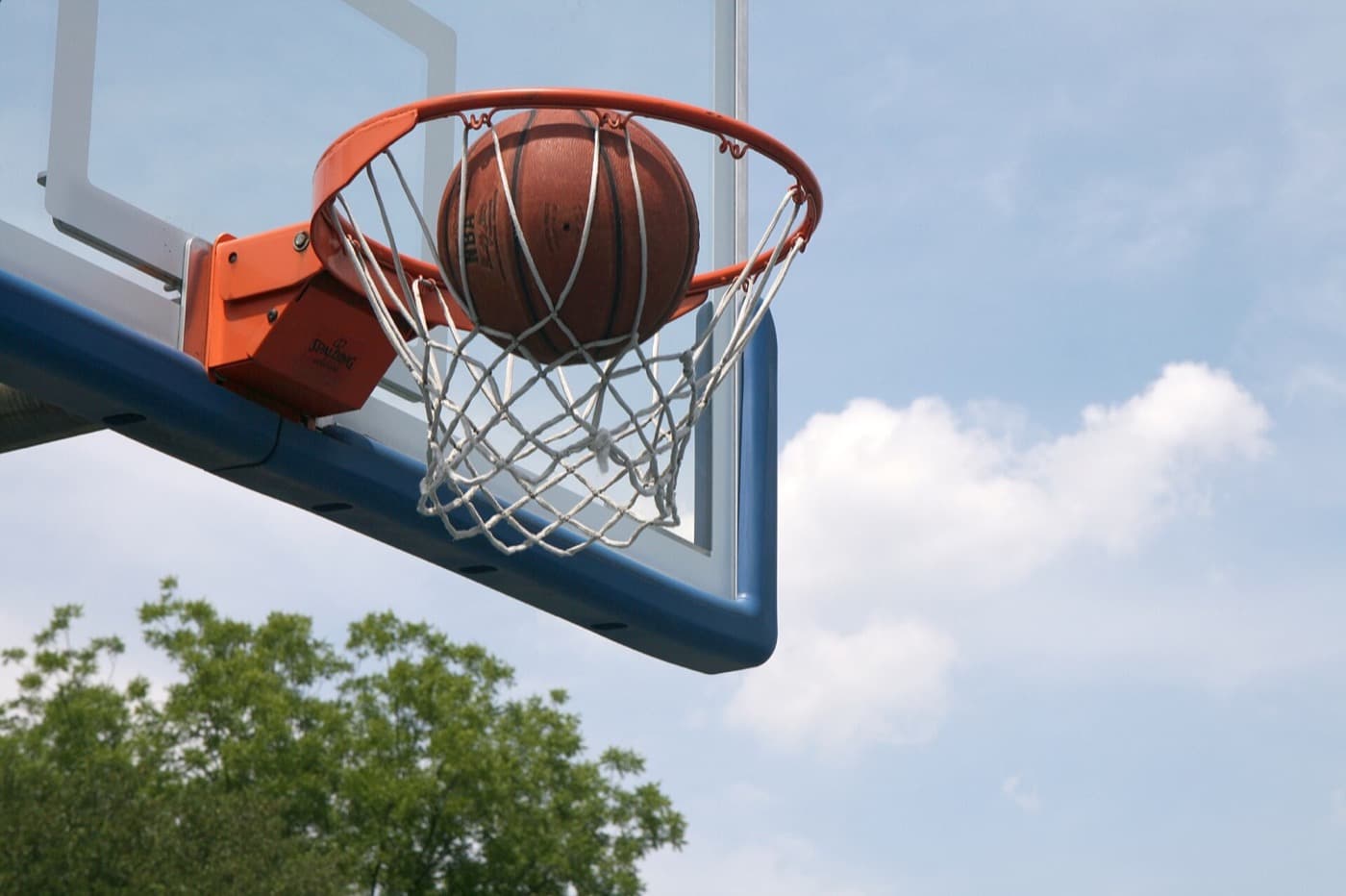
Basketball
A fast, dynamic team sport of running, jumping and quick decisions on court.
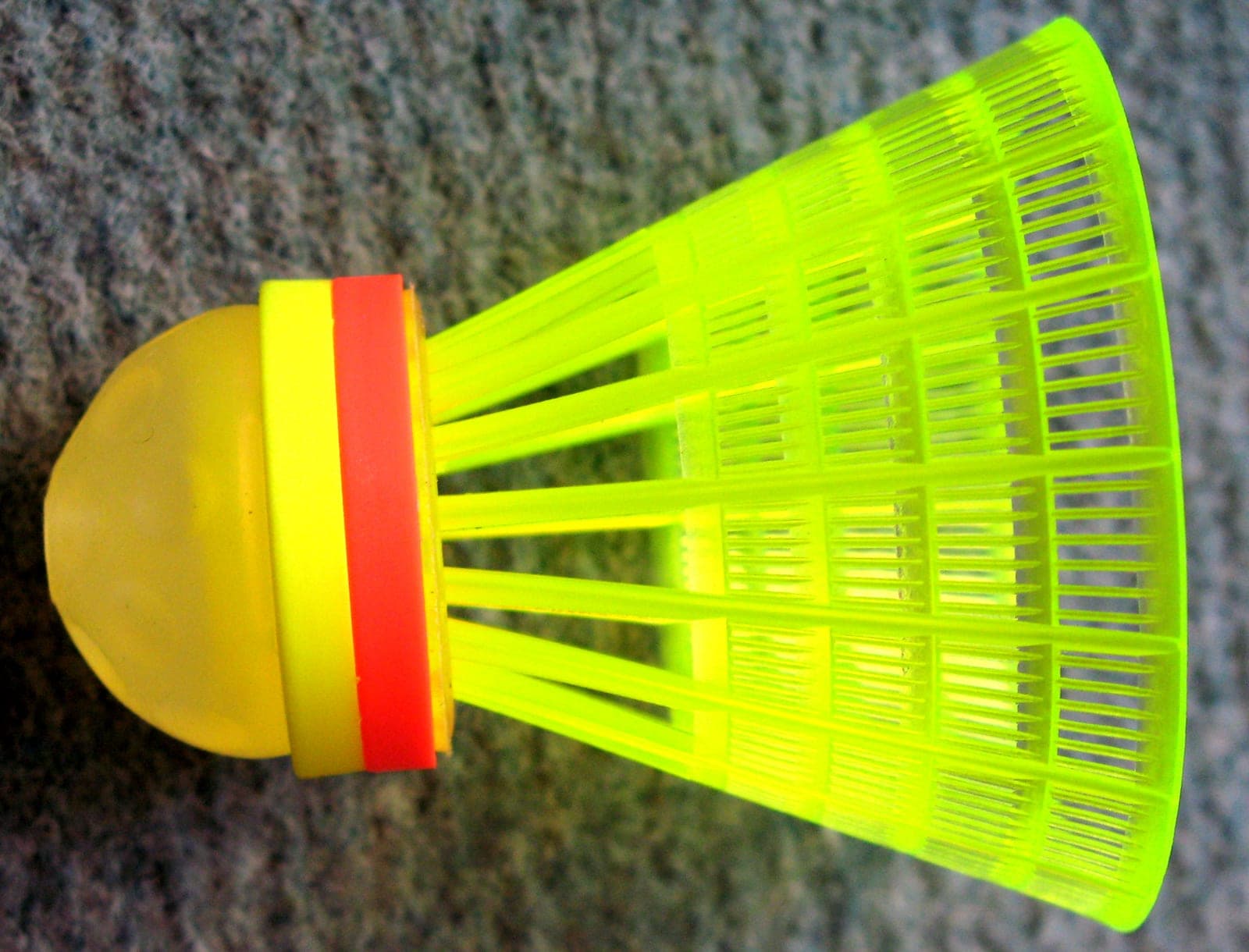
Badminton
A fast indoor racquet sport played with a shuttlecock that rewards agility and touch.
Explore across the knowledge base
Follow the threads that connect Group Stage to the rest of SocialSportHub.
Player roles
- All-RounderAn all-rounder is a versatile player who contributes across attack and defence rather than specialising in a single phase, position, or skill.
- CaptainThe captain is a team's on-field leader who communicates, makes in-game decisions and sets standards — a role any player can hold, not a fixed position.
- Pace-SetterThe player who sets and controls the tempo of play or the rhythm of an endurance effort, dictating how fast the game or race unfolds.
- FinisherA finisher is the attacking outlet in a team sport whose main job is converting chances into points — the striker, goal shooter or go-to scorer.
Disciplines
- Traditional (Trad) ClimbingA lead format in which the climber places removable protection into the rock while ascending, and a partner removes it afterward, leaving no fixed gear behind.
- Synchronized skatingSynchronized skating is a team discipline in which a group of skaters moves as one unit through formations, emphasizing precision, timing, and unison.
- Lead & Sport ClimbingA roped format where the climber ascends from the ground, clipping the rope into protection along the way while a belayer manages it below.
- Standard (Olympic) DistanceStandard, or Olympic, distance triathlon pairs a 1.5 km swim, 40 km bike, and 10 km run, and is the format contested at the Olympic Games.
- KumiteKumite is the sparring discipline of karate, in which two athletes exchange controlled strikes and kicks under judged rules.
Adaptive sports
- Adaptive sport organisationsThe bodies and groups — international, national and local — that organise, govern and support adaptive and para sport.
- Wheelchair SportsSports played from a wheelchair — often a specialised sports chair — so that wheelchair users can take part, train and compete.
- Adaptive sportsSport adjusted in its equipment, rules or format so that people with disabilities can take part, compete and enjoy it.
- Seated SportsSports played from a seated position — on the floor, on a bench or in a chair — so that people who benefit from a stable seated base can take part.
- Ambulant Para SportsPara sports for athletes who compete standing or on foot — walking or running — rather than from a wheelchair or seated position.
Facilities
- Swimming poolA water-filled basin, divided into lanes for competition, used for swimming and other aquatic sports.
- Volleyball courtA rectangular court split by a high net over which two teams rally the ball, played indoors or on sand.
- Badminton courtA rectangular indoor court, divided by a high net, on which badminton is played as singles or doubles.
- Fitness studioAn open indoor room used for instructor-led group fitness classes such as yoga, aerobics and indoor cycling.
- Football pitchThe large rectangular grass or artificial-turf field on which football (soccer) is played, with a goal at each end.
Positions
- HookerThe hooker is a front-row forward in rugby who wins the ball in the scrum and typically throws the ball into the line-out.
- Wing attackThe wing attack is a netball playmaker who feeds the ball into the shooting circle, moving through the centre and attacking thirds but not entering the goal circle.
- OppositeThe opposite is a volleyball attacker who plays on the right side of the net, opposite the setter in the rotation, and is often a key scorer.
Training methods
- Cross-TrainingCross-training mixes different activities into your routine so you build all-round fitness and give repeatedly-used muscles a change of stimulus.
- Endurance Base TrainingEndurance base training is an extended phase of mostly easy, steady aerobic work that lays the aerobic foundation the rest of a training plan builds on.