
Cross-Training
Cross-training mixes different activities into your routine so you build all-round fitness and give repeatedly-used muscles a change of stimulus.
Overview
Cross-training means deliberately mixing different types of activity rather than doing the same one all the time. A runner might add cycling or swimming; a cyclist might add strength work. The variety spreads the demand around the body and rounds out fitness that a single sport can leave one-sided.
One appeal is that it lets you keep training while giving the movements and muscles of your main sport a break from constant repetition. A swim or a bike ride can maintain aerobic fitness on a day you would rather not run, for example.
It also keeps a routine interesting, which helps consistency, and it can smooth the transition into a new activity. Beginners often find that a varied week feels more sustainable and less monotonous than repeating one thing.
Key points
- Cross-training mixes different activities instead of repeating one.
- It spreads demand around the body and builds all-round fitness.
- It lets you keep training while varying the stimulus on your main sport.
- Variety keeps a routine engaging, which supports consistency.
- It can ease the transition into trying a new activity.
A note on training information
Where it’s used
Sports this relates to:
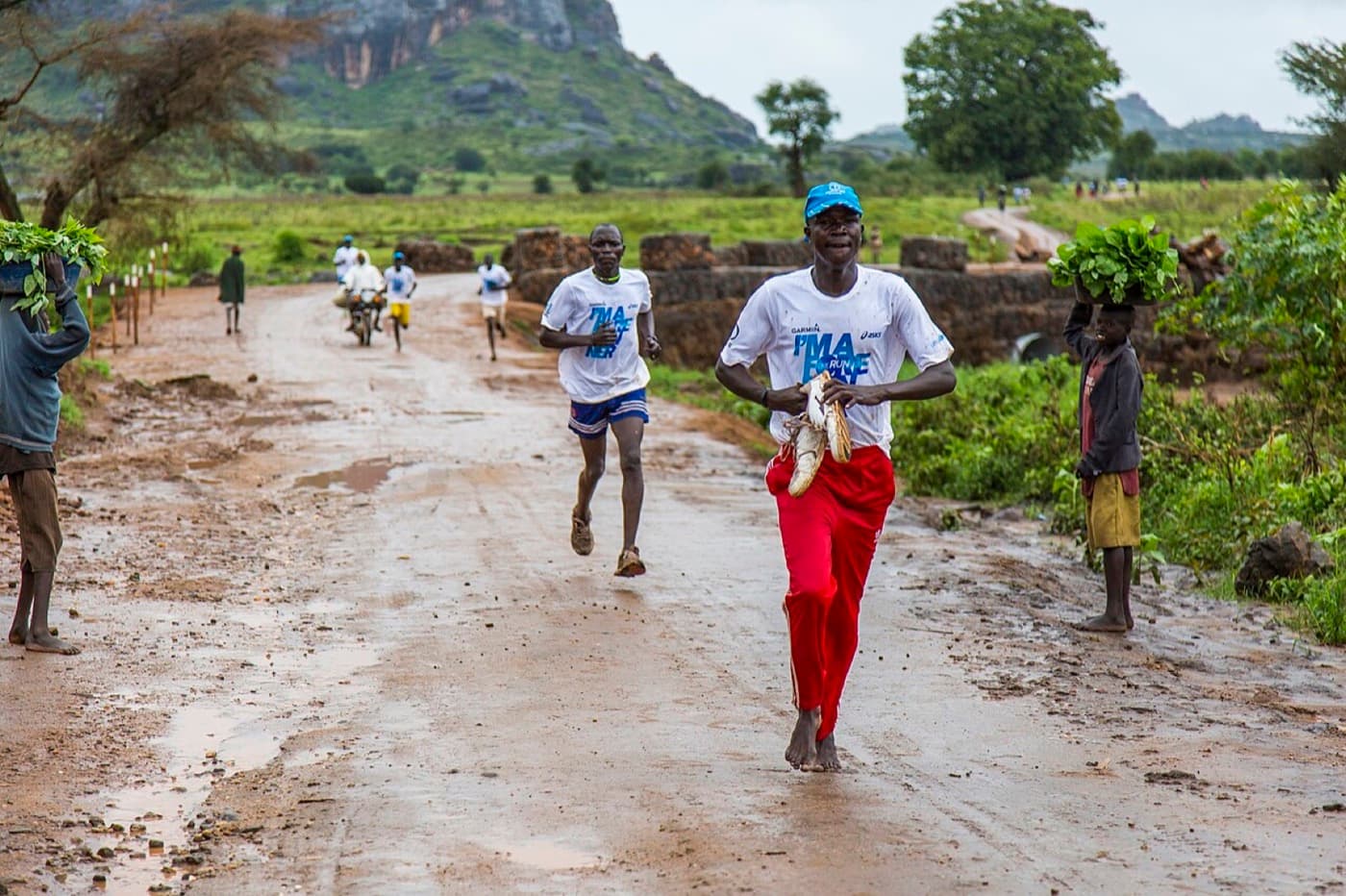
Running
The most accessible endurance sport — no venue, just shoes and the open road or trail.
Cycling
A low-impact endurance sport that doubles as transport, exercise and adventure.

Swimming
A full-body, low-impact endurance sport suitable for almost every age and ability.
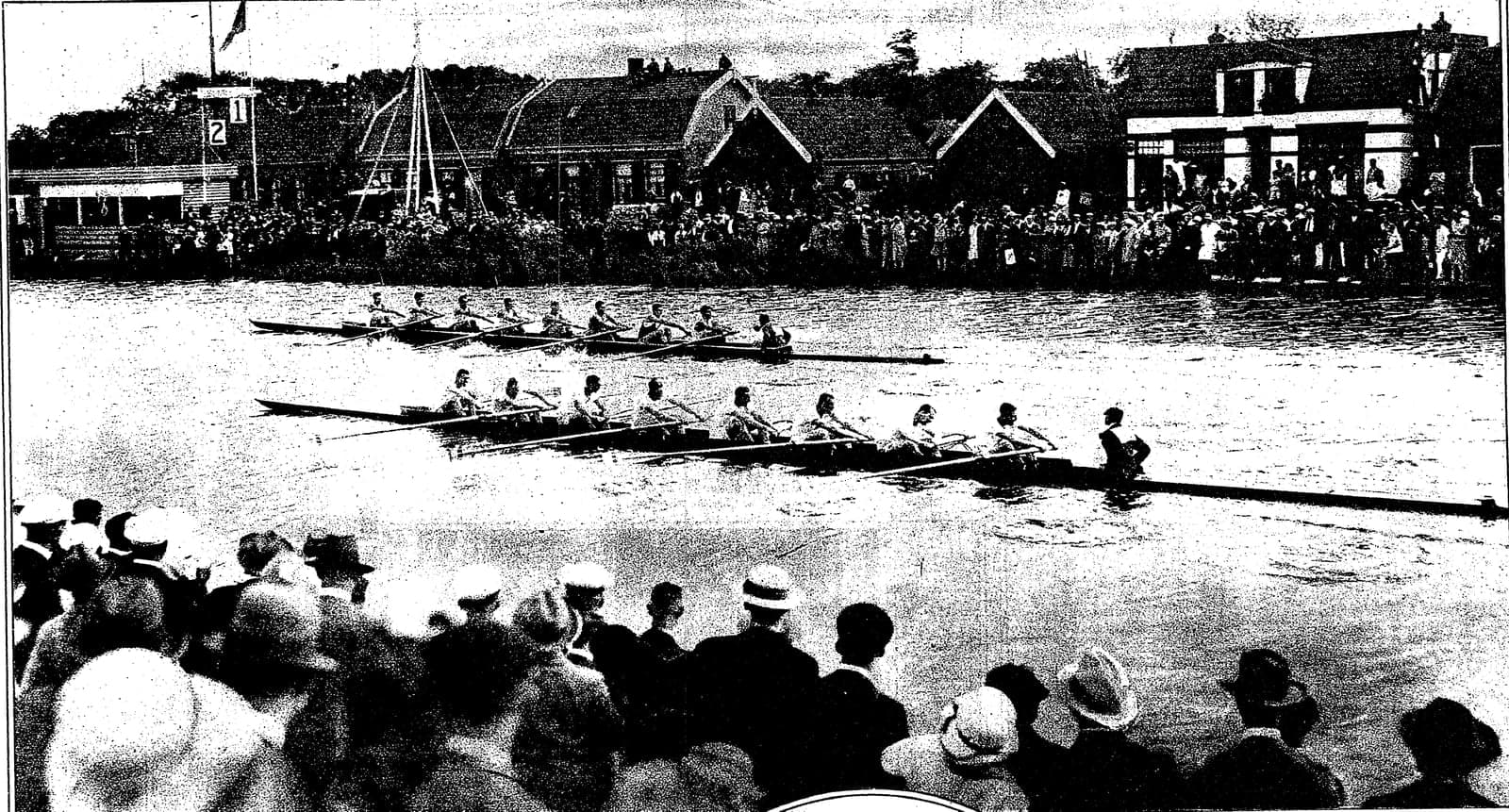
Rowing
A rhythmic, full-body endurance sport on the water or on an indoor machine.

Fitness
Strength and general fitness training — the foundation that supports every other sport.
Functional Fitness
Varied, whole-body training built around everyday movement patterns like squatting, lifting and carrying.
Related training methods
Interval Training
Interval training alternates short bursts of harder effort with easier recovery periods, letting you accumulate more quality work than a single continuous push.
Steady-State Cardio
Steady-state cardio means holding one comfortable, continuous pace for the whole session, building an aerobic base without the peaks of interval work.
Circuit Training
Circuit training moves you through a series of stations back to back with little rest, blending strength and cardio into one time-efficient session.
How it connects
The meaning-bearing relationships that place Cross-Training in the wider knowledge graph — each one with the reason it exists.
Frequently learned together
Taught side by side in the same stage of a learning path.
- Interval TrainingBoth are taught in the “Train your body for it” stage of the Cycling learning path.
- Steady-State CardioBoth are taught in the “Train your body for it” stage of the Cycling learning path.
- High-Intensity Interval Training (HIIT)Both are taught in the “Train your body for it” stage of the Cycling learning path.
- Tempo TrainingBoth are taught in the “Train your body for it” stage of the Cycling learning path.
- FartlekBoth are taught in the “Train your body for it” stage of the Cycling learning path.
Explore across the knowledge base
Follow the threads that connect Cross-Training to the rest of SocialSportHub.
Motivations
- To stay healthyWhen health is the driver, regular, sustainable activity across fitness, strength and mobility supports an active life for the long term.
- To spend time as a familyWhen the aim is shared time, activities the whole family can do together turn being active into a way to connect across ages.
- To meet peopleWhen connection is the draw, team sports, clubs and group activities turn getting fit into a way to build a social circle.
- For a personal challengeWhen you play to set and reach goals, sports with visible progress and clear milestones give you something concrete to work towards.
Sports science
Learning paths
Practice & sessions
Movement patterns
- CarryHolding and transporting a load while keeping the trunk braced and stable — an anti-movement pattern that builds grip, core stability and full-body strength.
- GlideGlide is continuous, low-resistance locomotion in which the body holds a streamlined shape so that momentum generated by a preceding propulsive action carries it smoothly across a surface or through a medium.
- SlideA slide is a controlled, low-friction skid of the body or foot along a surface, used to brake, extend reach, or hold a line, where managed friction and a lowered centre of gravity govern the movement.
- LungeA split-stance, single-leg-emphasis pattern: stepping or dropping into a staggered stance and pushing back up to build single-leg strength, balance and stability.
Go deeper with Cross-Training
Everywhere else on the platform that covers Cross-Training — assembled from what actually references it, so nothing here is a dead end.
Learn it
Structured courses and paths on the platform that cover this directly.
How this page is maintained
- Content type
- Training method
- Provenance
- Tier A — evergreen educational
- Verified external sources
- 0
- Content updated
- 2026-07-06
Evergreen, first-party explanation — it makes no claim that needs an external source. How we handle sources and reviews.