
Balance
Keeping your body stable and controlled, whether still or moving. Vision, the inner ear and your own body sense feed it continuously.
Overview
Balance is your ability to control your body’s position — staying steady on one foot, on a board, or through a fast change of direction. It relies on your muscles, inner ear and vision working together.
It is highly trainable and tends to improve quickly with regular practice.
Why it matters
- Underpins surfing, skating, gymnastics and mind–body practices
- Helps prevent slips and supports steady movement
- Works hand in hand with core stability and agility
How to train it
- Practise standing and moving on a stable, then less stable, base
- Single-leg movements are a simple way to challenge it
- Mind–body practices like tai chi and yoga build it gently
The three inputs to balance
Why balance is a sense, not a muscle
- 1
Vision
The eyes report where you are relative to the world around you.
- 2
Vestibular
The inner ear reports head position and acceleration.
- 3
Proprioception
Joints, muscles and skin report where your body parts are without looking.
- 4
Integrate
The three streams are combined, and the least reliable one at that moment counts for less.
- 5
Adjust
Small, continuous postural corrections keep you over your base of support.
Changing direction
The phases behind agility
- 1
Read
Pick up the cue that a change is needed — in a game, this is the part that is genuinely hard.
- 2
Decelerate
Absorb and control existing speed. You can only redirect momentum you have taken charge of.
- 3
Plant
Place a foot outside the line of travel and lower the centre of mass to push against.
- 4
Reorient
Turn the hips, trunk and eyes toward the new direction.
- 5
Re-accelerate
Drive out along the new line. Exit speed is what the whole sequence was for.
Sports that build balance
These sports are especially good for developing this quality.
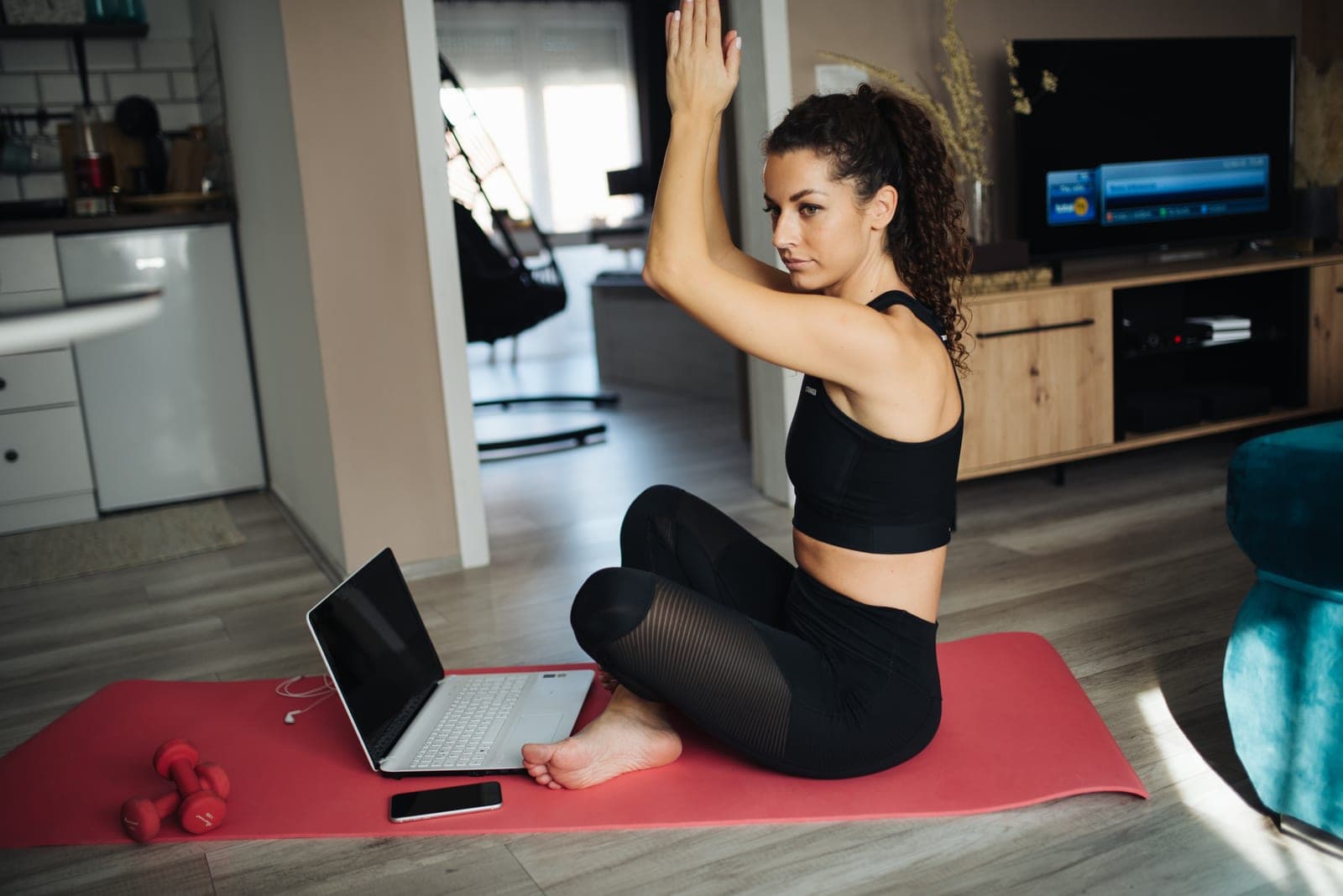
Yoga
A mind-body practice that links postures, breathing and focus to build flexibility, strength and calm.
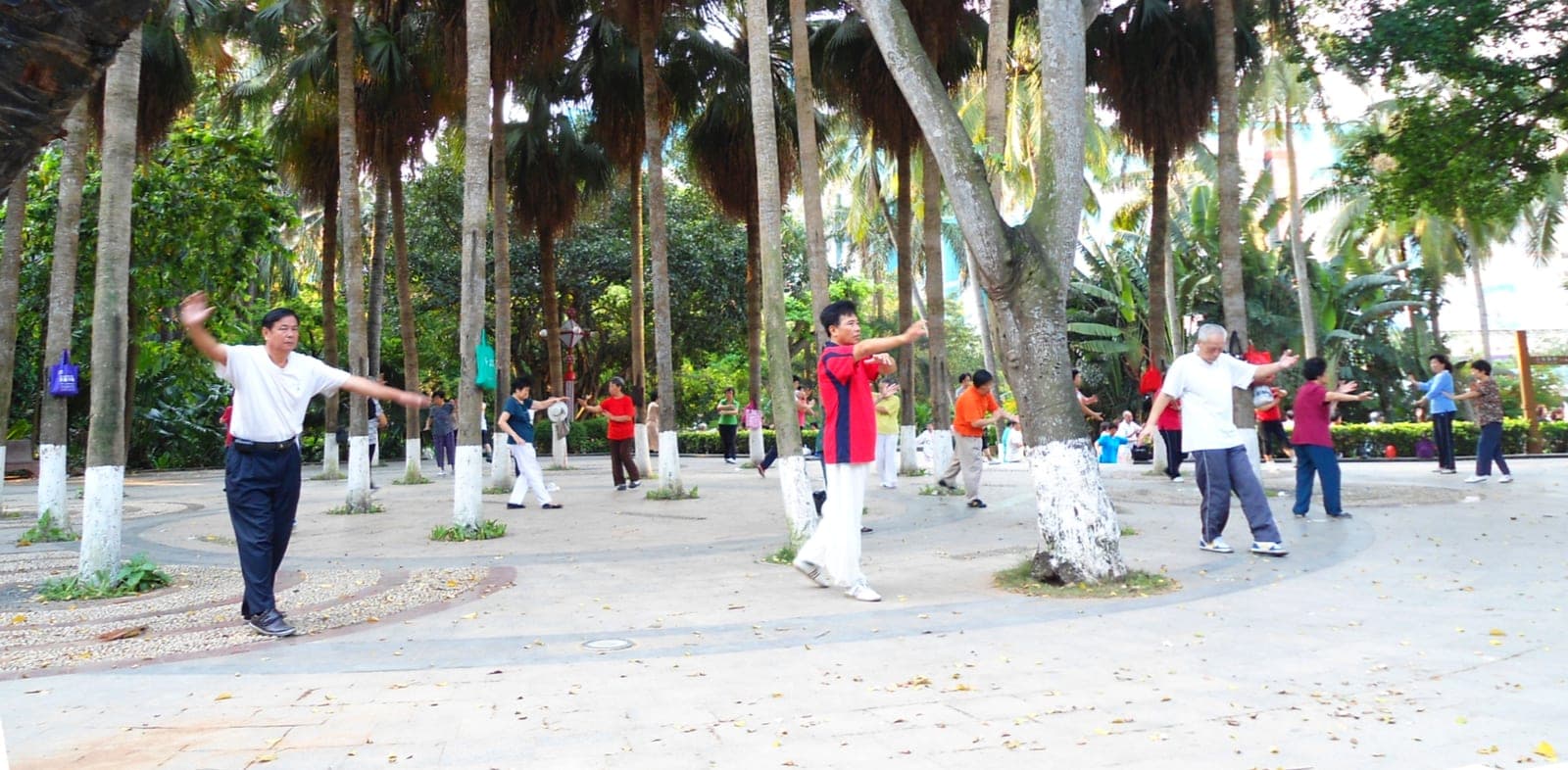
Tai Chi
A gentle mind-body practice of slow, flowing movements that builds balance, mobility and calm.
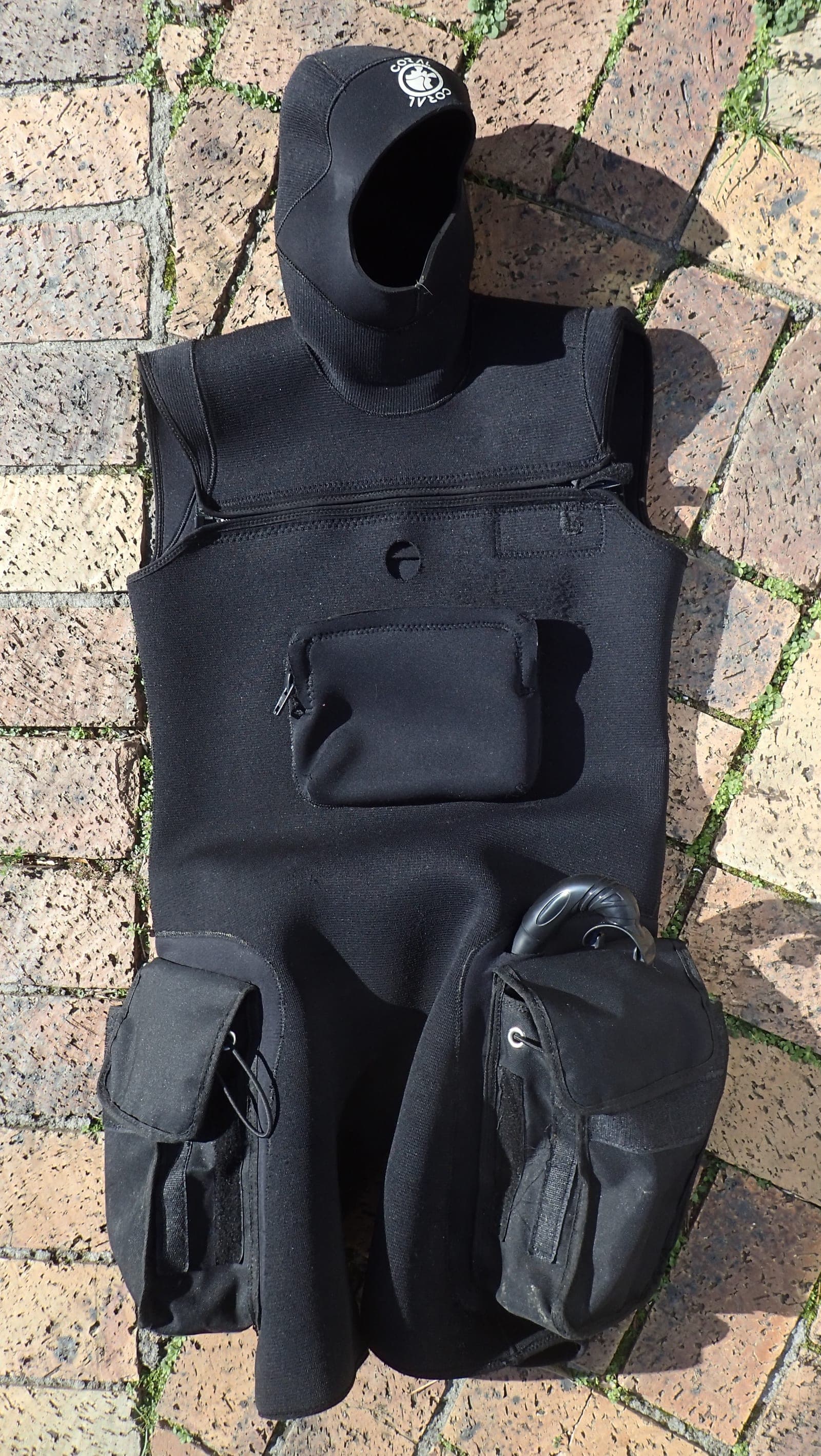
Surfing
An ocean board sport of paddling into waves and riding them toward shore, balancing skill and reading the sea.
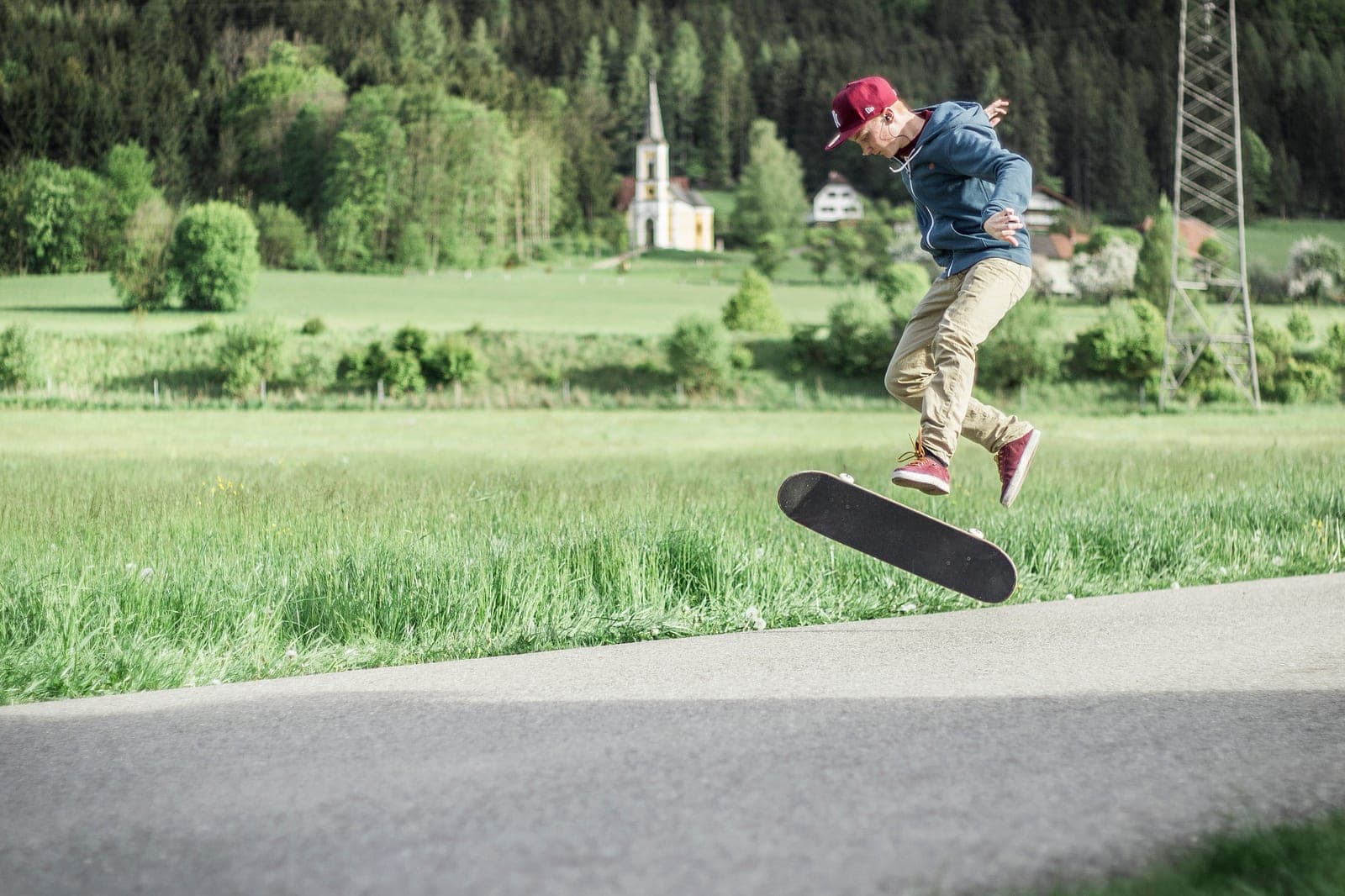
Skateboarding
A creative board sport of rolling, balancing and learning tricks on streets, paths and skateparks.
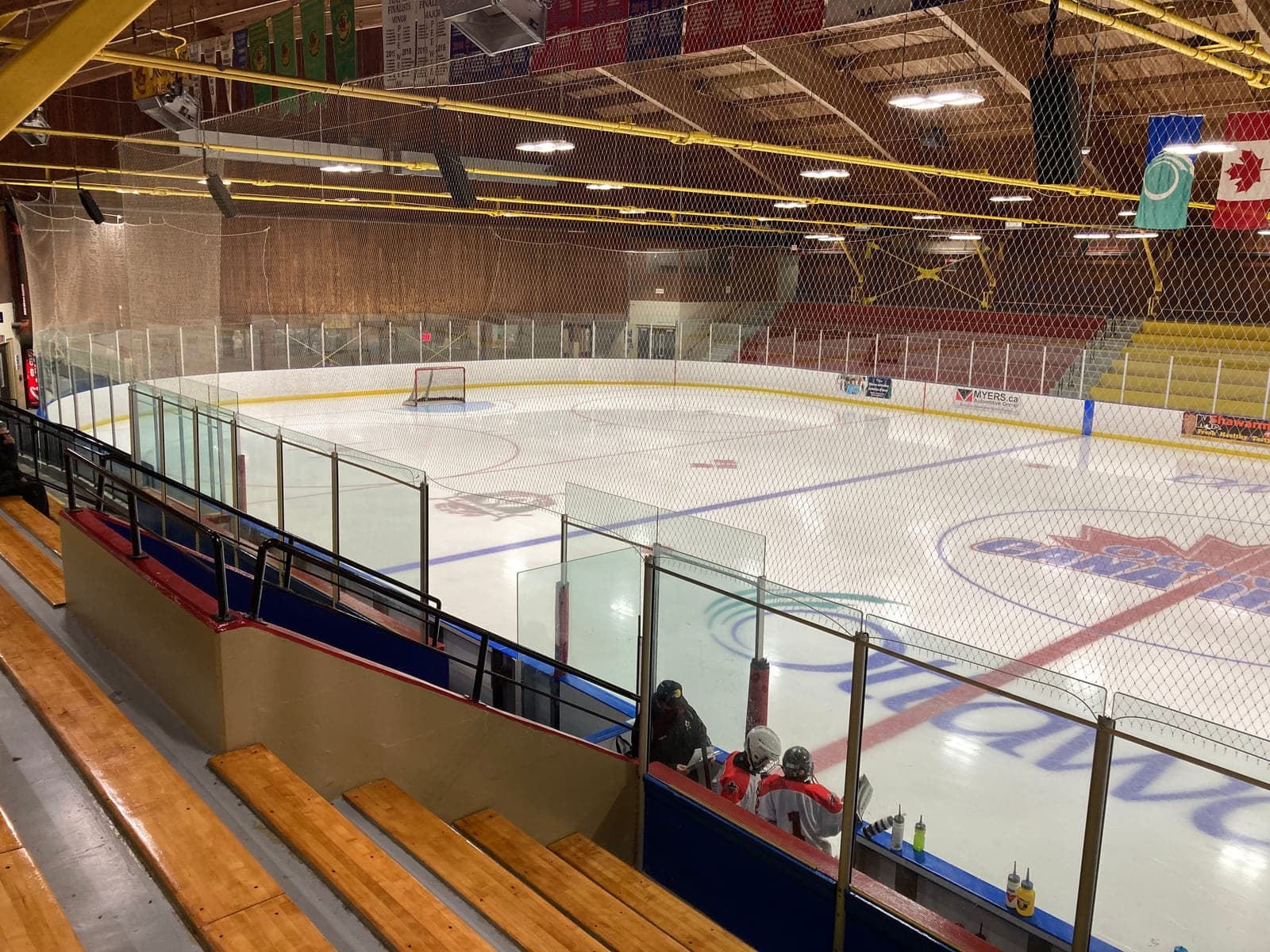
Figure Skating
An artistic ice sport combining glides, spins, jumps and footwork into flowing routines.
Train it: exercises & methods
Ways to develop balance — educational, not a prescription.
Squat
A foundational lower-body movement where you bend at the hips and knees to lower down and stand back up.
Goblet squat
A squat variation where you hold a single weight close to your chest for balance and control.
Lunge
A single-leg movement where you step forward and bend both knees to lower your body.
Bulgarian split squat
A single-leg squat where the back foot is raised on a bench behind you.
Step-up
A movement where you step up onto a raised platform one leg at a time and step back down.
Hip hinge
The foundational bending-at-the-hips pattern that underpins deadlifts, swings and picking things up.
How it connects
The meaning-bearing relationships that place Balance in the wider knowledge graph — each one with the reason it exists.
Frequently learned together
Taught side by side in the same stage of a learning path.
- Mobility TrainingBoth are taught in the “Train your body for it” stage of the Yoga learning path.
- Flexibility TrainingBoth are taught in the “Train your body for it” stage of the Yoga learning path.
- Active Recovery SessionsBoth are taught in the “Train your body for it” stage of the Yoga learning path.
- Understanding rest and recoveryBoth are taught in the “Train your body for it” stage of the Yoga learning path.
- FlexibilityBoth are taught in the “Train your body for it” stage of the Yoga learning path.
Explore across the knowledge base
Follow the threads that connect Balance to the rest of SocialSportHub.
Goals
- Improve balanceTrain steadiness and control at any age with simple, progressive balance practice done safely.
- Improve agilityChange direction quickly and under control — the quality behind stopping, turning and accelerating again without losing balance.
- Improve mental wellbeingUse regular, enjoyable activity to support your mood, connection and sense of wellbeing as one healthy habit among many.
- Reduce stressFind calmer, healthier ways to unwind through regular movement, gentle mind-body activity and time outdoors.
- Healthy agingStay active, steady and independent as you get older with a sustainable mix of gentle cardio, strength and balance work.
Disciplines
- KataKata is the solo karate discipline of performing set sequences of blocks, strikes, kicks, and stances against imagined opponents.
- Freestyle WrestlingAn Olympic wrestling style where wrestlers may attack the legs and use holds below the waist to take down and pin their opponent.
- Greco-Roman WrestlingAn Olympic wrestling style that forbids holds below the waist, so wrestlers rely on upper-body throws, clinches, and lifts to score and pin.
- FoilFoil is a fencing weapon in which touches are scored only with the point on the opponent's torso, governed by right-of-way rules.
- ÉpéeÉpée is a fencing weapon with point-only touches valid anywhere on the body and no right-of-way, so both fencers can score at once.
Movement patterns
- GaitThe cyclic, alternating single-leg pattern of walking and running that carries the body across the ground — the base of most field and endurance sport.
- SquatA knee-dominant pattern: bending the hips, knees and ankles to lower and rise while keeping the torso upright — the foundation of lower-body strength.
- LungeA split-stance, single-leg-emphasis pattern: stepping or dropping into a staggered stance and pushing back up to build single-leg strength, balance and stability.
- CarryHolding and transporting a load while keeping the trunk braced and stable — an anti-movement pattern that builds grip, core stability and full-body strength.
- BackpedalControlled backward locomotion performed while facing forward, staying low and pushing off the balls of the feet in short strides to stay reactive and keep play in view.
Go deeper with Balance
Everywhere else on the platform that covers Balance — assembled from what actually references it, so nothing here is a dead end.
Learn it
Structured courses and paths on the platform that cover this directly.
Compare it
Head-to-head studies against the entities people actually weigh it against.
Question it
Research topics that name this entity among their connections.
Take it away
Open data and the whole-platform view of this subject.
How this page is maintained
- Content type
- Physical quality
- Provenance
- Tier A — evergreen educational
- Verified external sources
- 0
- Content updated
- 2026-09-01
Evergreen, first-party explanation — it makes no claim that needs an external source. How we handle sources and reviews.