
Coordination
Getting your body parts to work together smoothly and accurately, often with what you see.
Overview
Coordination is the smooth, accurate teamwork between your senses and muscles — timing a racquet swing, catching a ball, or moving your hands and feet together. Hand–eye coordination is one familiar example.
It improves with repeated, focused practice of the specific movement.
Why it matters
- Central to racquet, bat-and-ball and combat sports
- Improves timing, accuracy and control
- Supports agility and everyday dexterity
How to train it
- Practise the specific skill often — coordination is quite task-specific
- Start slow and controlled, then add speed
- Games and drills that involve reacting to a ball build it naturally
The three inputs to balance
Why balance is a sense, not a muscle
- 1
Vision
The eyes report where you are relative to the world around you.
- 2
Vestibular
The inner ear reports head position and acceleration.
- 3
Proprioception
Joints, muscles and skin report where your body parts are without looking.
- 4
Integrate
The three streams are combined, and the least reliable one at that moment counts for less.
- 5
Adjust
Small, continuous postural corrections keep you over your base of support.
Sports that build coordination
These sports are especially good for developing this quality.
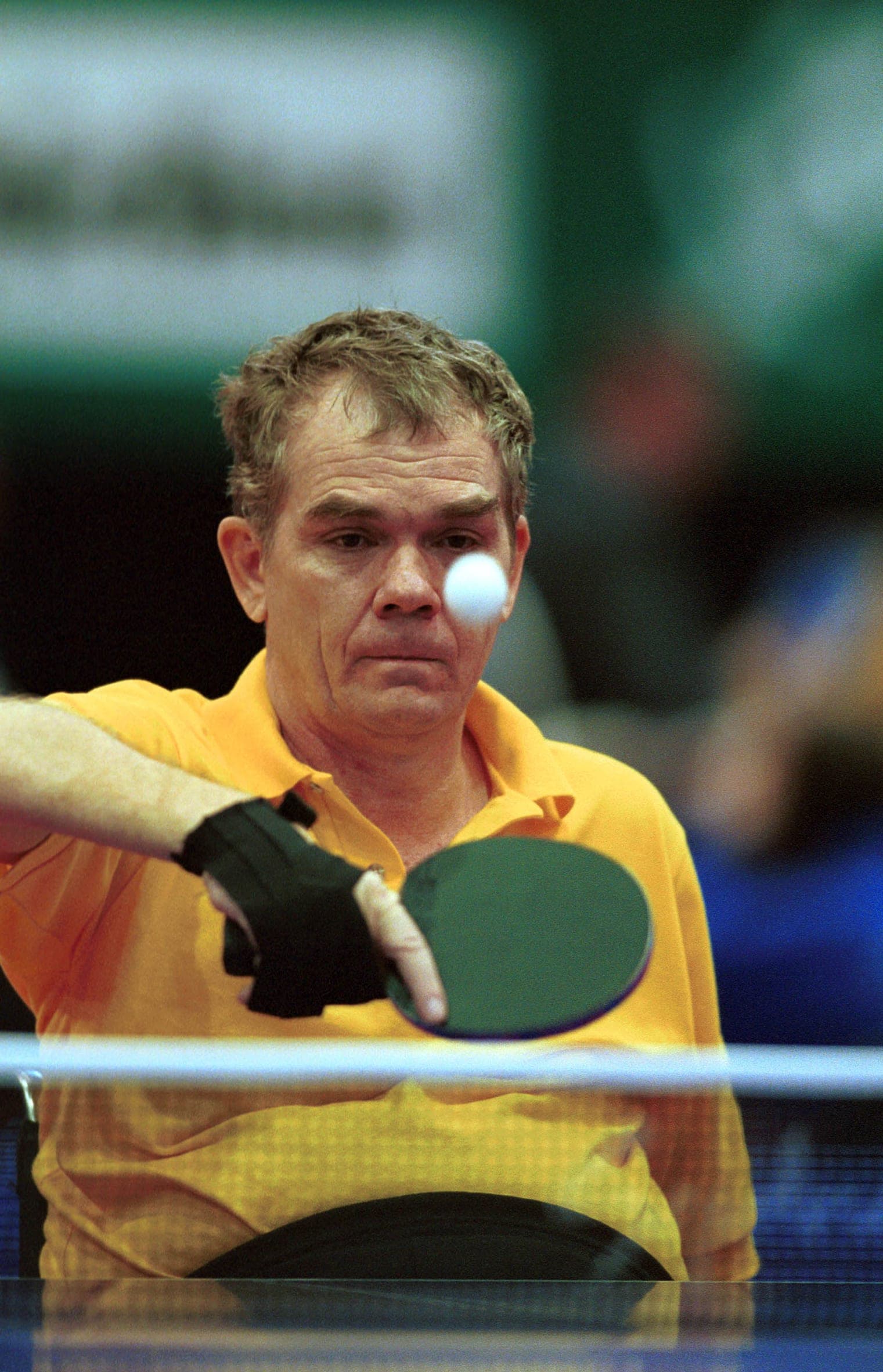
Table Tennis
A fast, low-impact indoor racquet sport that sharpens reflexes and is easy to start.
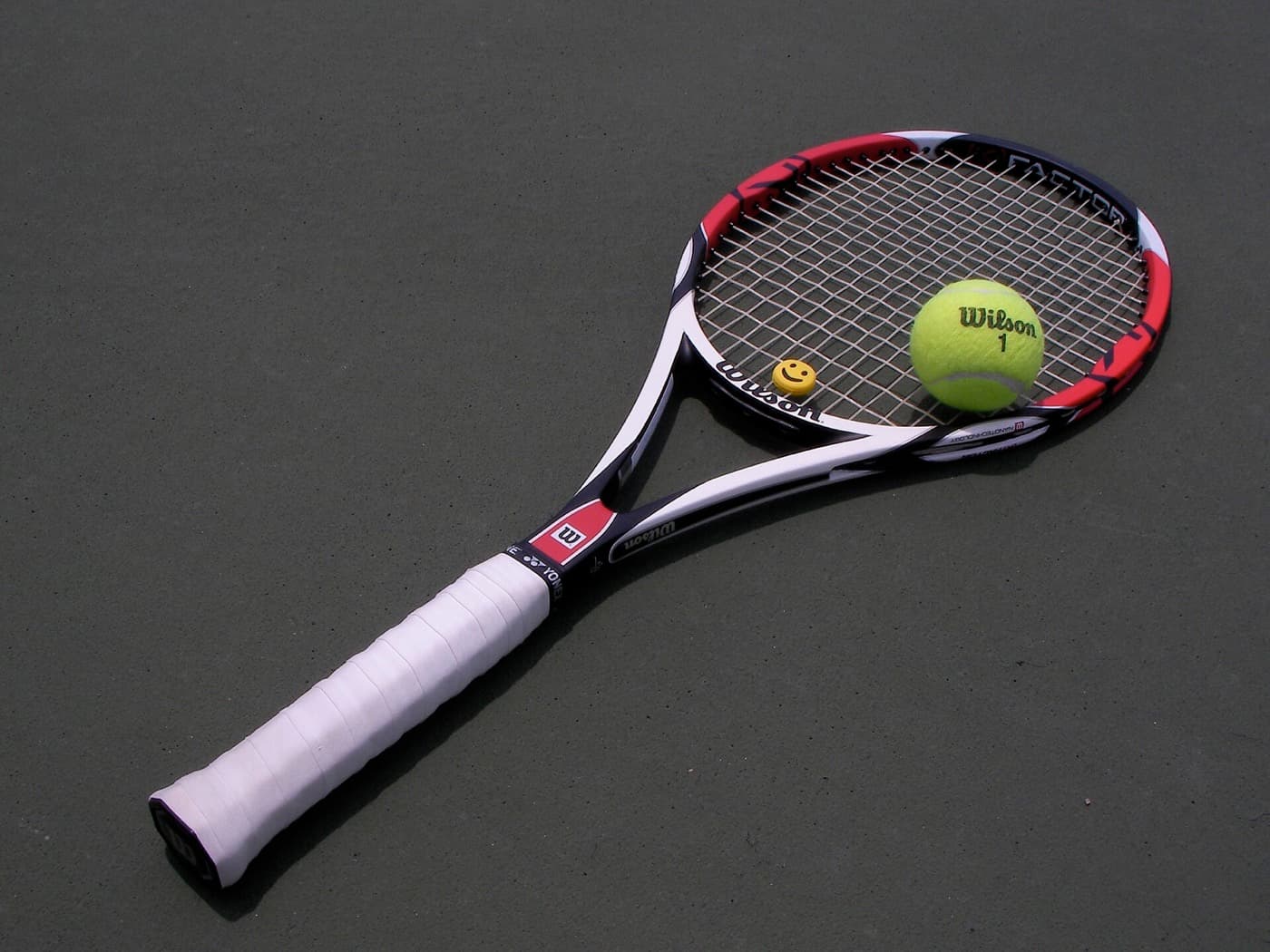
Tennis
A singles or doubles racquet sport that blends agility, strategy and stamina on court.
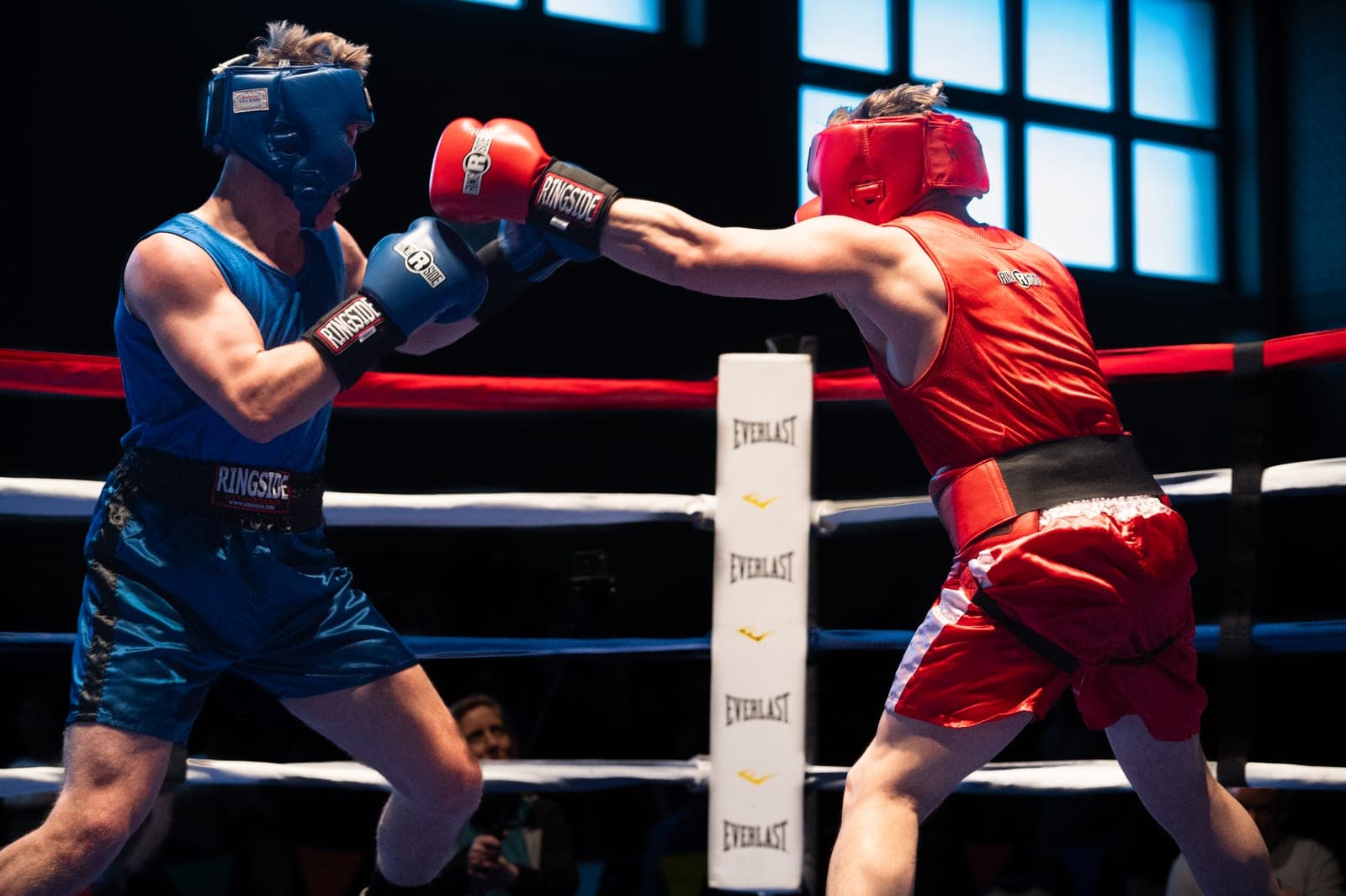
Boxing
A striking combat sport built on footwork, timing and conditioning, practised from fitness drills to controlled sparring.

Football
The world’s most popular team sport — endless running, teamwork and community in one game.
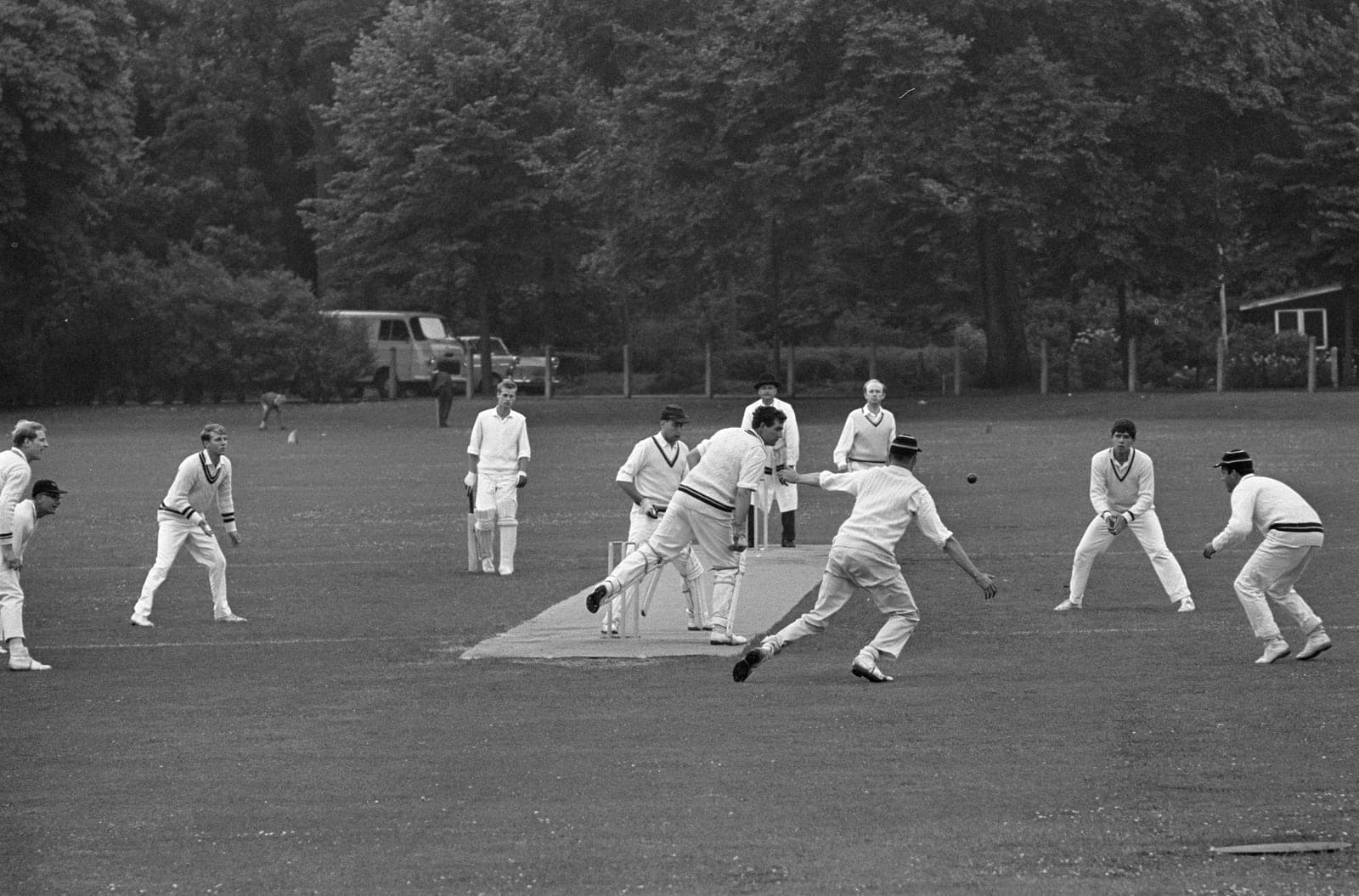
Cricket
A bat-and-ball team sport where sides take turns to bat and to bowl and field, scoring runs.
Train it: exercises & methods
Ways to develop coordination — educational, not a prescription.
Jump squat
An explosive squat variation where you spring off the floor at the top of the movement.
Lunge
A single-leg movement where you step forward and bend both knees to lower your body.
Bulgarian split squat
A single-leg squat where the back foot is raised on a bench behind you.
Hip hinge
The foundational bending-at-the-hips pattern that underpins deadlifts, swings and picking things up.
Kettlebell swing
A dynamic hinge where you swing a kettlebell to shoulder height using a snap of the hips.
Band pull-apart
A simple pulling exercise where you stretch a resistance band across your chest to work the upper back.
How it connects
The meaning-bearing relationships that place Coordination in the wider knowledge graph — each one with the reason it exists.
Frequently learned together
Taught side by side in the same stage of a learning path.
- AgilityBoth are taught in the “Train your body for it” stage of the Tennis learning path.
- SpeedBoth are taught in the “Train your body for it” stage of the Table Tennis learning path.
- Reaction timeBoth are taught in the “Train your body for it” stage of the Table Tennis learning path.
- PlyometricsBoth are taught in the “Train your body for it” stage of the Football learning path.
- How to warm upBoth are taught in the “Train your body for it” stage of the Football learning path.
Explore across the knowledge base
Follow the threads that connect Coordination to the rest of SocialSportHub.
Goals
- Improve balanceTrain steadiness and control at any age with simple, progressive balance practice done safely.
- Improve coordinationSharpen how smoothly your body works together — like tracking and hitting a ball — through skill practice.
- Improve agilityChange direction quickly and under control — the quality behind stopping, turning and accelerating again without losing balance.
- Improve reaction speedRespond faster to what you see, hear and feel by training with fast, unpredictable activities and drills.
- Sports for beginnersHow to start playing sport from scratch — choosing a first activity and building up gently.
Disciplines
- FreestyleFreestyle is the fastest swimming stroke, swum face-down with an alternating arm pull and flutter kick — the stroke most people picture when they think of swimming.
- BackstrokeBackstroke is swum face-up with an alternating arm pull and flutter kick — the one competitive stroke where you breathe freely because your face stays out of the water.
- BreaststrokeBreaststroke uses a simultaneous, symmetric arm sweep and a whip-like frog kick, with a distinct glide between strokes — technical, rhythmic and the slowest of the four strokes.
- ButterflyButterfly is swum with a simultaneous over-water arm recovery and an undulating dolphin kick — the most physically demanding stroke, built on rhythm and core-driven body movement.
- Individual medleyThe individual medley (IM) combines all four strokes in a set order — butterfly, backstroke, breaststroke, then freestyle — testing all-round swimming across a single event.
Movement patterns
- GaitThe cyclic, alternating single-leg pattern of walking and running that carries the body across the ground — the base of most field and endurance sport.
- PullDrawing a load or your own body toward the torso — horizontal rows and vertical pull-ups — building the lats, mid-back and biceps and balancing the push.
- JumpThe plyometric pattern of projecting the body off the ground through explosive triple extension and controlling the landing — the core expression of lower-body power.
- LungeA split-stance, single-leg-emphasis pattern: stepping or dropping into a staggered stance and pushing back up to build single-leg strength, balance and stability.
- RotationRotating the trunk to generate and transfer power through the body's kinetic chain, plus anti-rotation — resisting unwanted twist to keep the trunk stable.
Sports science
Glossary
Go deeper with Coordination
Everywhere else on the platform that covers Coordination — assembled from what actually references it, so nothing here is a dead end.
Learn it
Structured courses and paths on the platform that cover this directly.
Compare it
Head-to-head studies against the entities people actually weigh it against.
Question it
Research topics that name this entity among their connections.
Take it away
Open data and the whole-platform view of this subject.
How this page is maintained
- Content type
- Physical quality
- Provenance
- Tier A — evergreen educational
- Verified external sources
- 0
- Content updated
- 2026-09-01
Evergreen, first-party explanation — it makes no claim that needs an external source. How we handle sources and reviews.