
Hand-Eye Coordination
The coordinated control of hand movement guided by visual information, used to track and act on a moving object.
Definition
Hand-eye coordination is the ability of the visual system and the hands to work together so that what the eyes see guides what the hands do. It lets a player track a ball's flight and time the hands, or an implement such as a racket or bat, to meet it at the right place and moment.
It is fundamental to racket and bat-and-ball sports such as tennis, table tennis, badminton, cricket and baseball, where success depends on precise contact with a fast-moving object. Like other coordination skills, it is refined through repeated, varied practice that links perception to action.
Where you’ll hear “hand-eye coordination”
Sports that use this term:
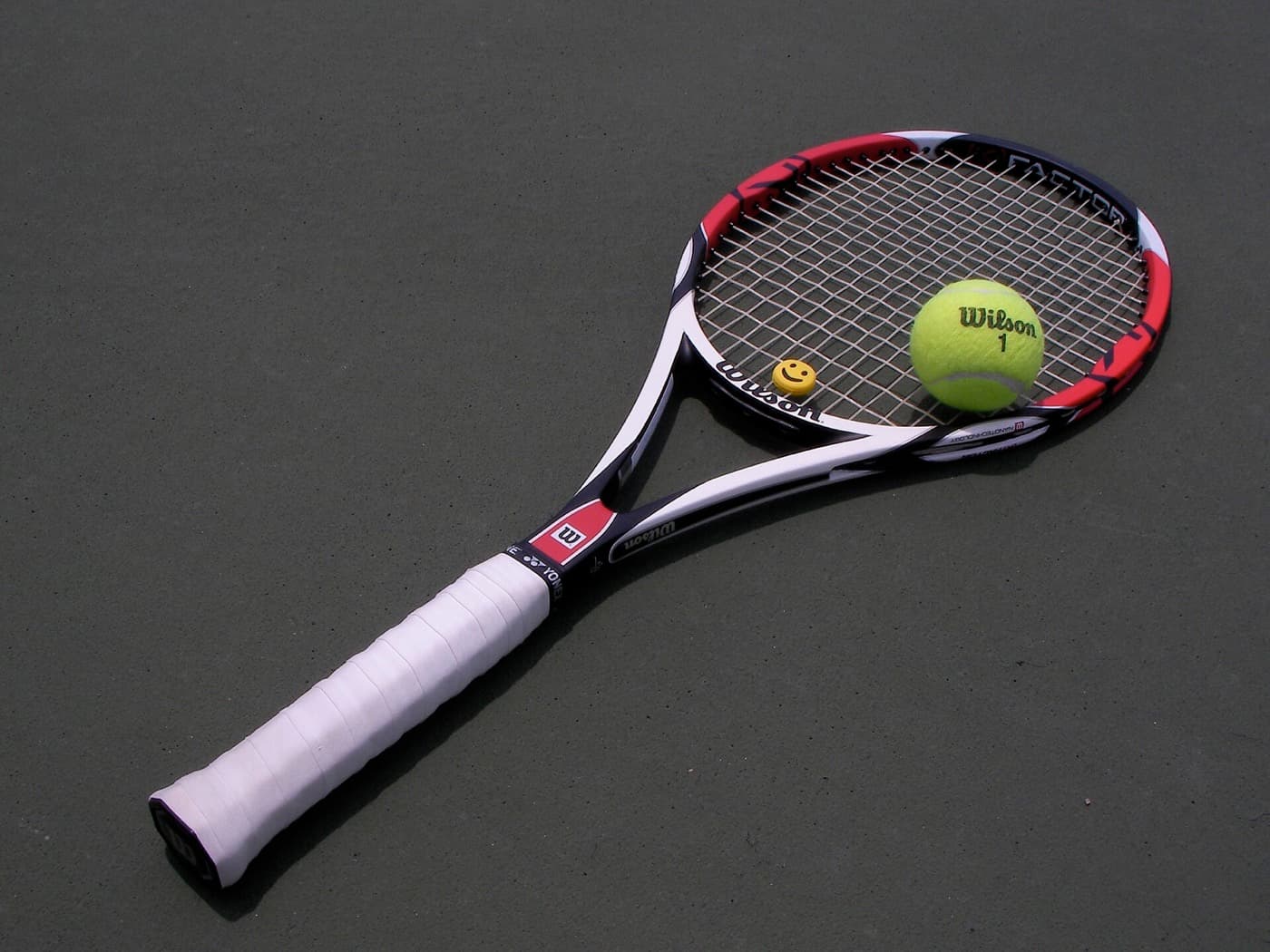
Tennis
A singles or doubles racquet sport that blends agility, strategy and stamina on court.
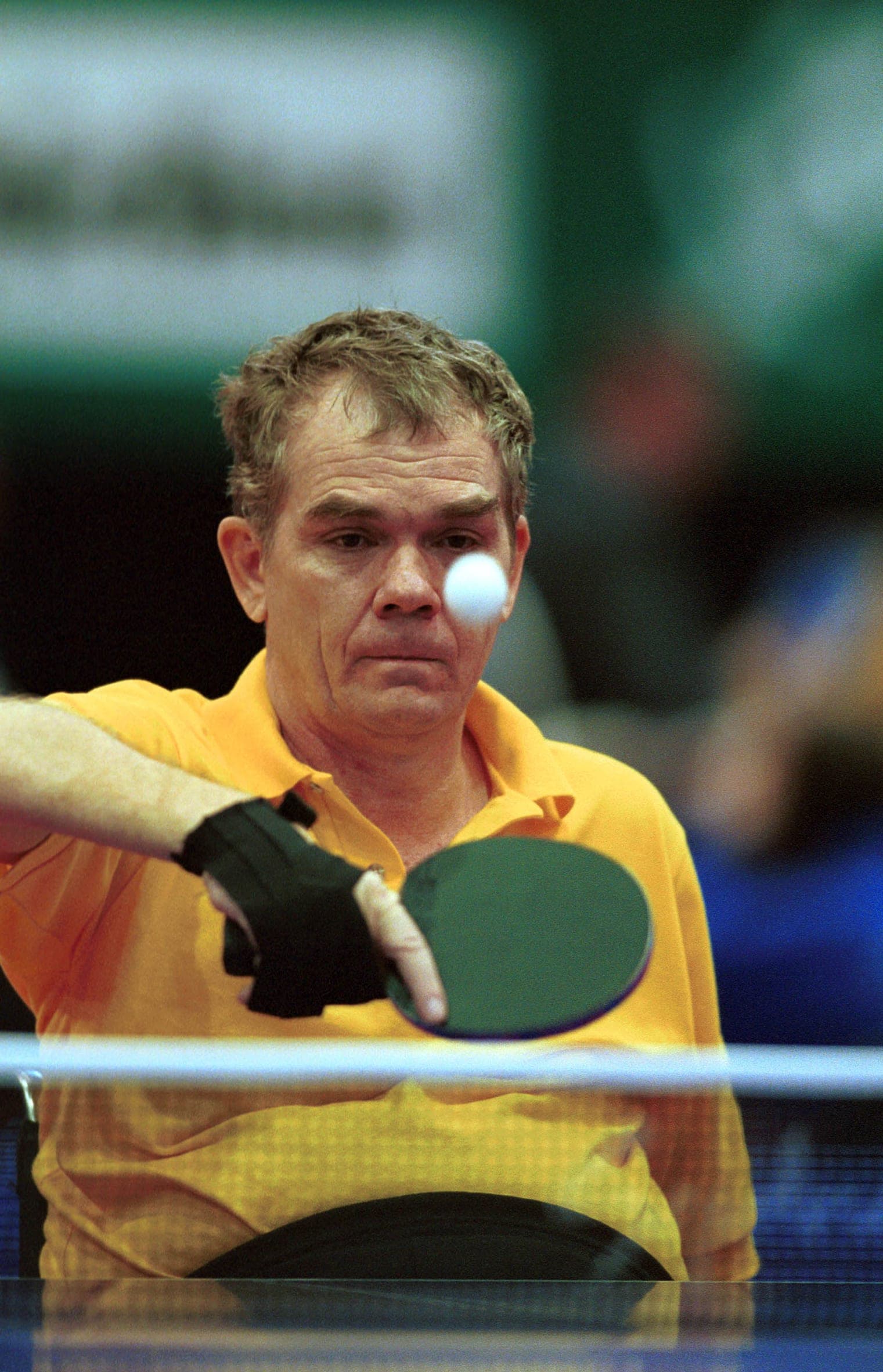
Table Tennis
A fast, low-impact indoor racquet sport that sharpens reflexes and is easy to start.
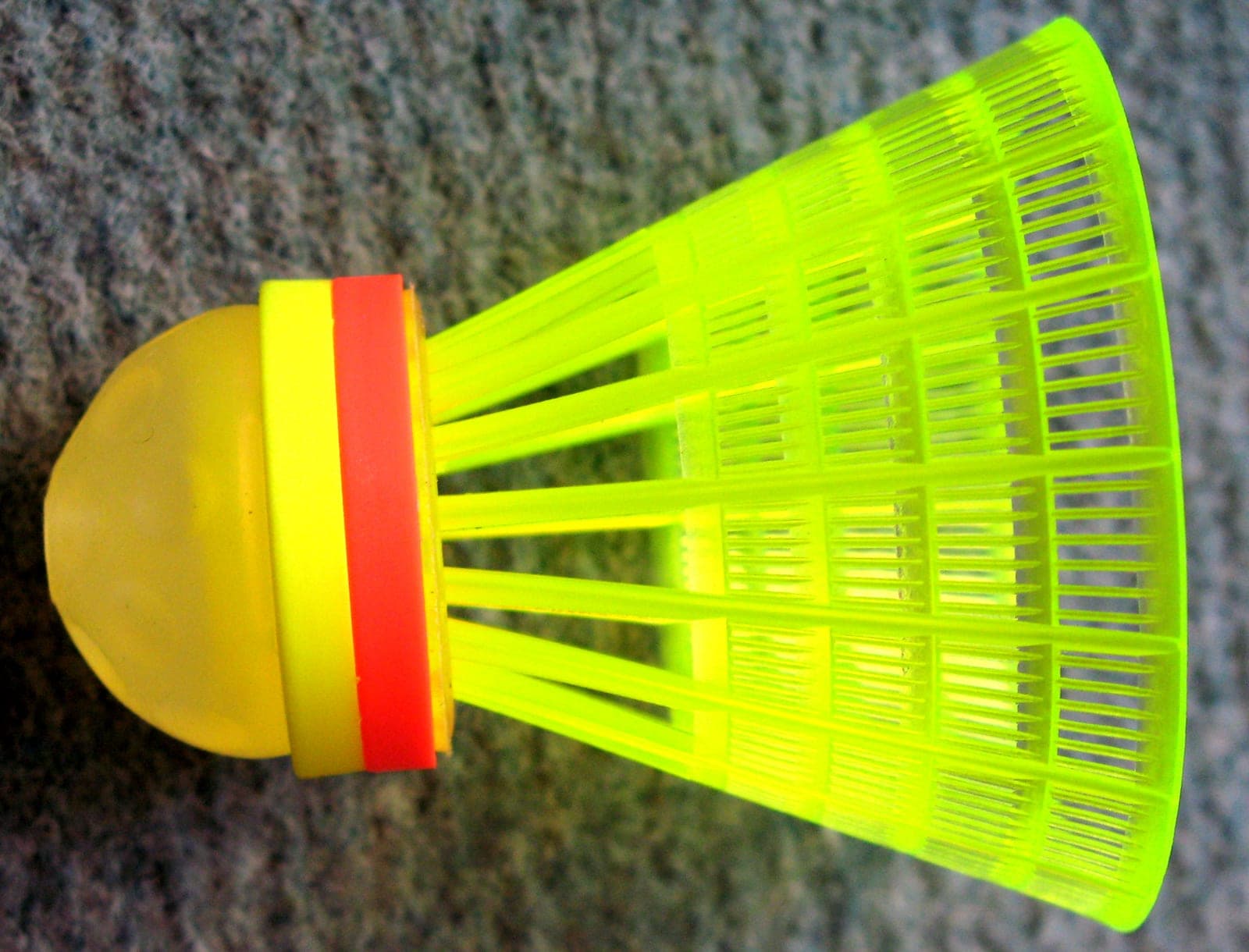
Badminton
A fast indoor racquet sport played with a shuttlecock that rewards agility and touch.
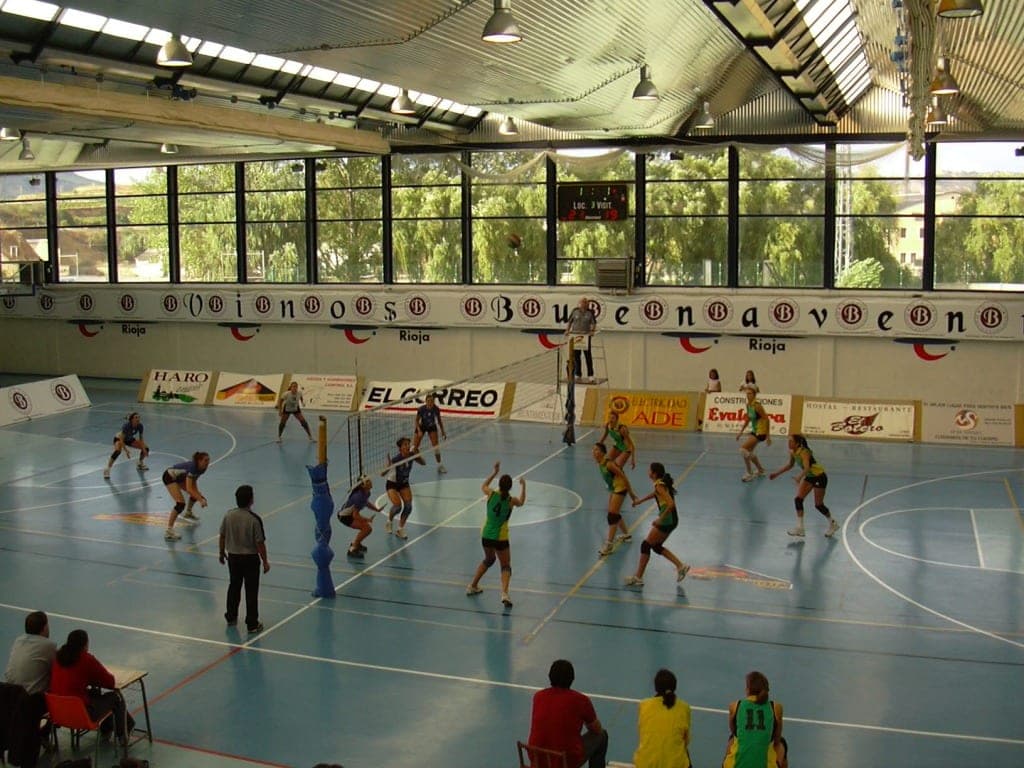
Volleyball
A non-contact team sport of rallies, jumps and teamwork — indoors or on the beach.
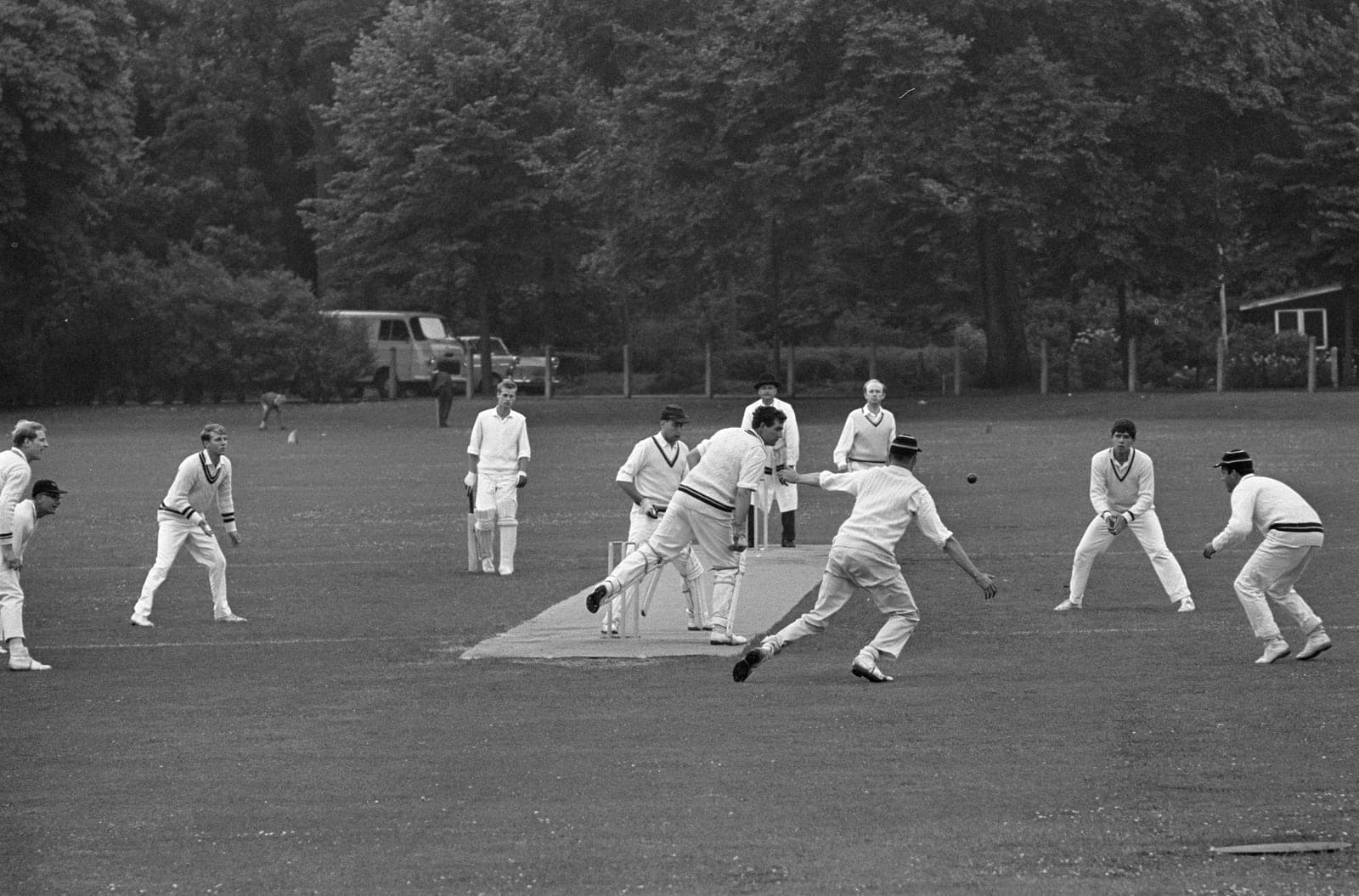
Cricket
A bat-and-ball team sport where sides take turns to bat and to bowl and field, scoring runs.
Explore across the knowledge base
Follow the threads that connect Hand-Eye Coordination to the rest of SocialSportHub.
Physical qualities
Sports science
- Motor controlHow the brain and nervous system organise the muscles to produce coordinated, controlled movement.
- ProprioceptionThe body’s internal sense of where its parts are and how they are moving — the awareness behind balance and coordinated movement.
- Motor learningThe process by which practice and experience produce lasting improvements in how well a movement skill can be performed.
Skills Academy
Sports communication
- Non-verbal communicationSharing information without words — through body language, eye contact, gestures and agreed hand signals — often faster or quieter than a call.
- Communication in inclusive sportAdapting how information is shared so everyone can take part — for example using visual signals, clear sightlines or agreed cues alongside or instead of sound.
Go deeper with Hand-Eye Coordination
Everywhere else on the platform that covers Hand-Eye Coordination — assembled from what actually references it, so nothing here is a dead end.
Take it away
Open data and the whole-platform view of this subject.
How this page is maintained
- Content type
- Term
- Provenance
- Tier A — evergreen educational
- Verified external sources
- 0
- Content updated
- 2026-09-01
Evergreen, first-party explanation — it makes no claim that needs an external source. How we handle sources and reviews.