
Cricket
Bat, bowl and field in the great team game of patience
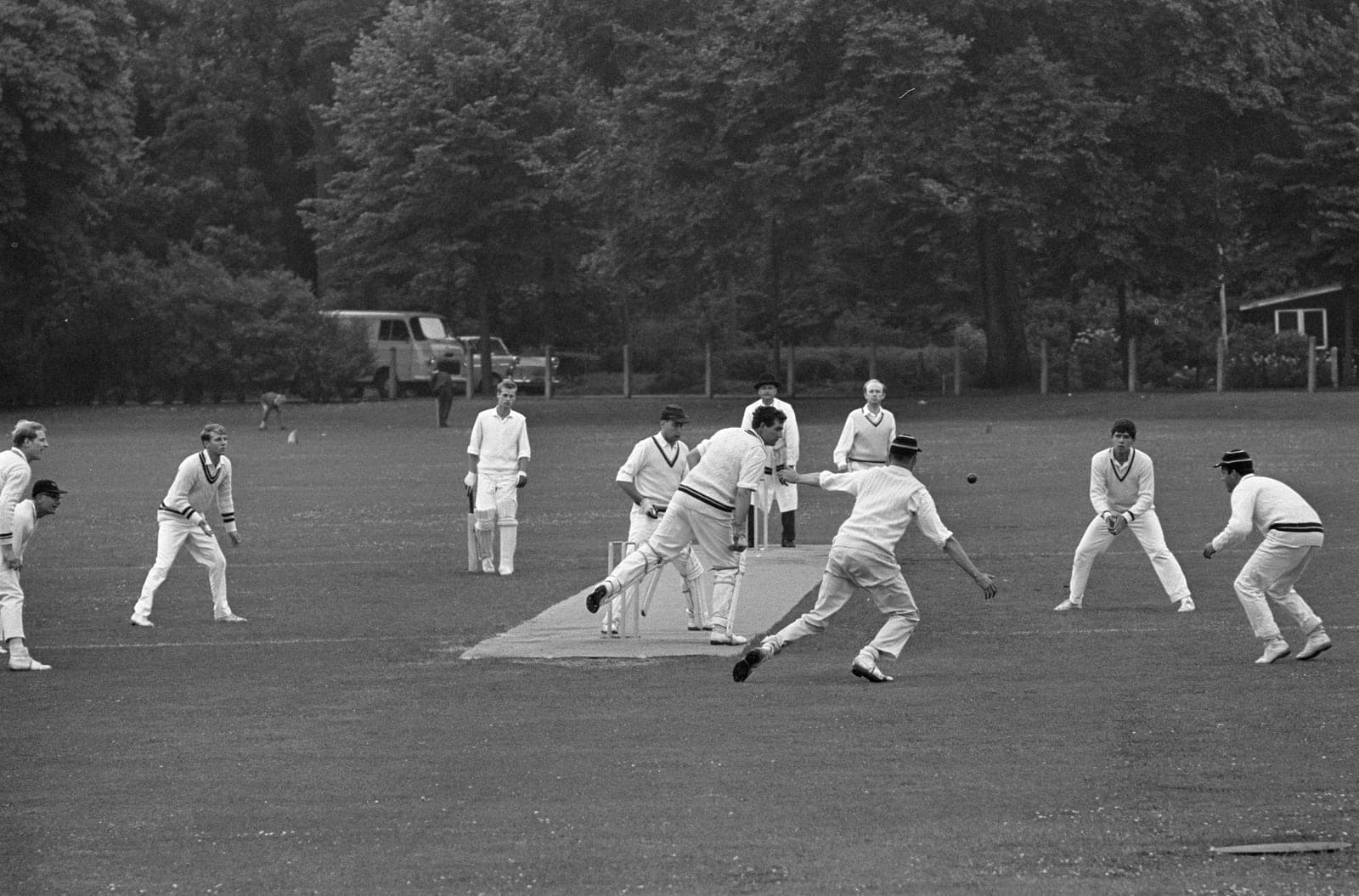
,_bowler_Vri,_Bestanddeelnr_916-6339.jpg)
Overview
Cricket is a bat-and-ball team sport in which two sides take turns to bat and to bowl and field. The batting side scores runs by hitting a bowled ball and running between markers, while the fielding side tries to limit runs and get batters out.
It is played in many formats, from short, fast games to longer matches that unfold over hours, and in outdoor and indoor settings alike. The mix of batting, bowling and fielding means there is a role to suit different strengths, and softer balls make beginner and youth versions very approachable.
Why cricket is good for your health
- Sprinting between markers and in the field raises the heart rate in bursts
- Develops hand–eye coordination and timing through batting and bowling
- Builds agility, throwing power and rotational strength
- Improves focus and concentration over the course of a game
Physical qualities you’ll build
Cricket is especially good for developing these qualities:
The social side
- A team game with a strong, sociable club tradition
- Different roles mean players of varied strengths all contribute
- Indoor and short-format games make casual, social play easy to arrange
How to start as a beginner
- 1Learn a comfortable batting grip and stance, and practise a straight defensive shot
- 2Try bowling with a smooth, repeatable action rather than pace at first
- 3Start with a softer ball and shorter format to build confidence
- 4Join a club’s beginner or indoor session to learn the flow of the game
Equipment you’ll need
- Cricket batEssentialClubs often lend bats to newcomers
- A cricket ballEssentialSofter balls are ideal for beginners
- Protective pads and glovesEssentialImportant when batting against a hard ball
- Comfortable sportswear and flat-soled footwearEssential
- HelmetOptionalAdvised when facing faster bowling
Where to play
Cricket is typically played at:
Explore clubs and venues to understand the different places you can play, or see how to find people to play with.
Playing Cricket
The equipment, rules, skills and more that make up the game — each cross-linked into the encyclopedia.
Related sports to explore
If you enjoy Cricket, you might also like these.
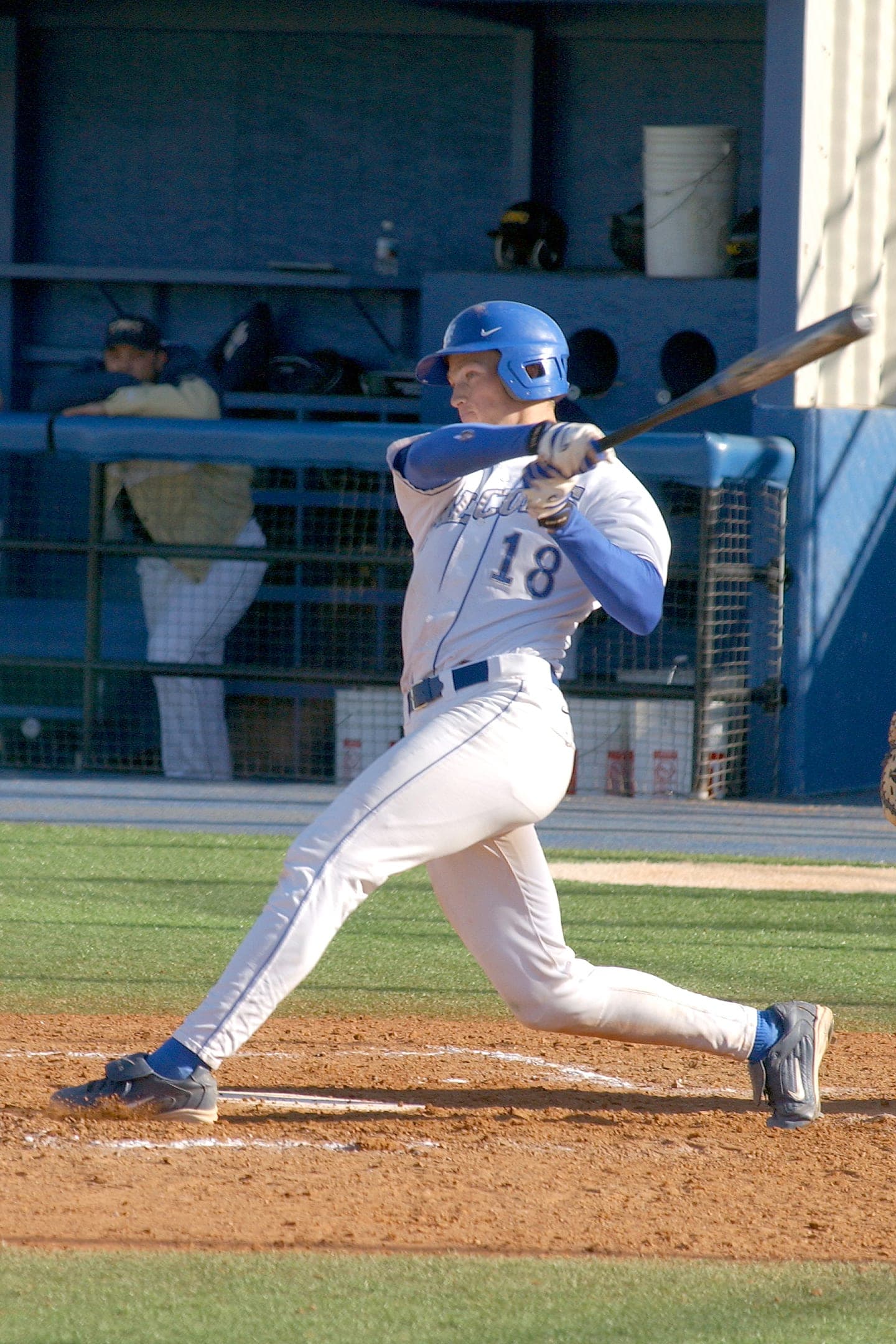
Baseball
A bat-and-ball team sport where two sides alternate between batting and fielding to score runs.
Softball
A friendly bat-and-ball team sport, closely related to baseball, played with a larger, softer ball.
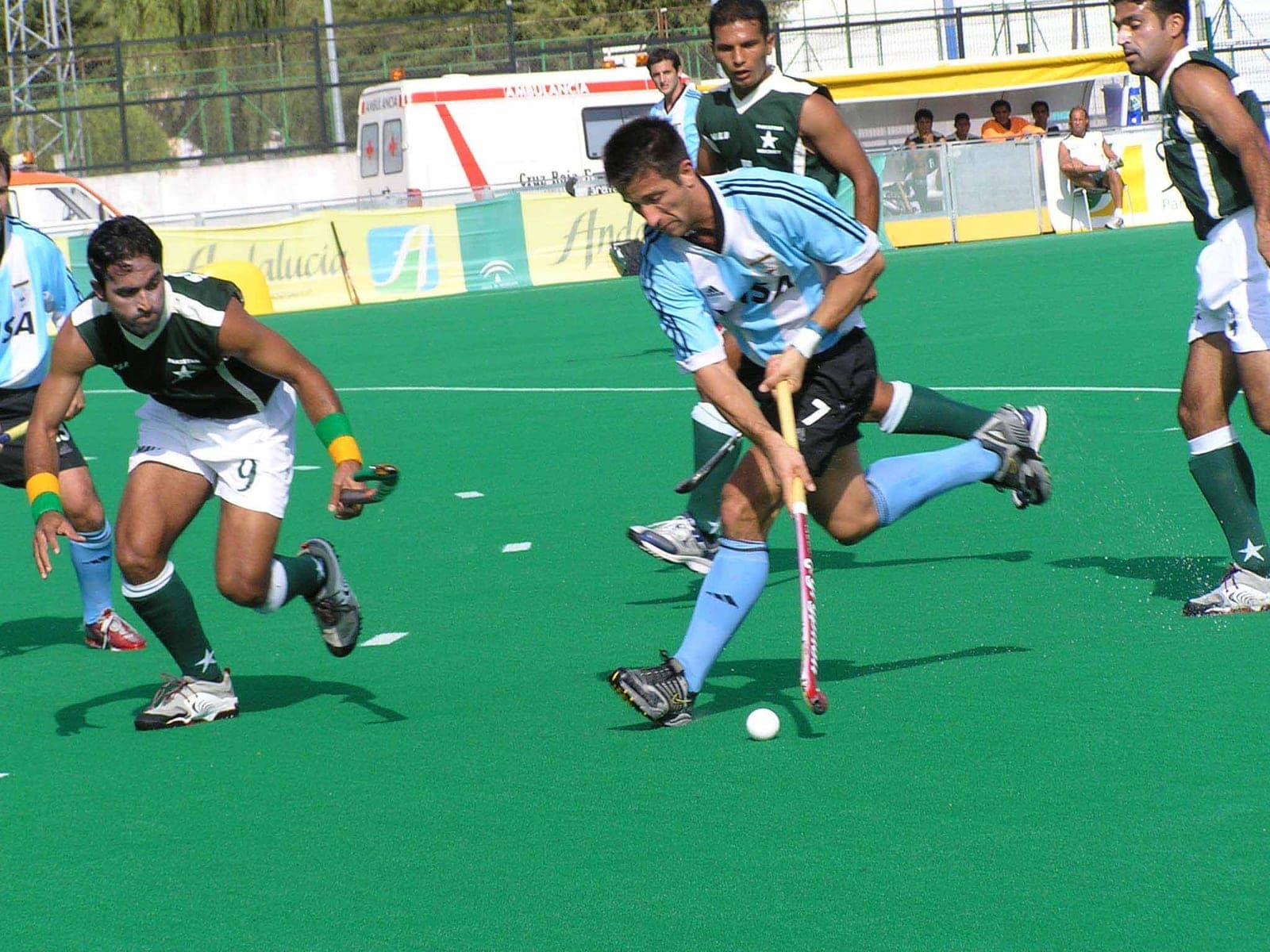
Field Hockey
An outdoor team sport that uses curved sticks to move a ball, built on agility and teamwork.
Compare Cricket with…
Deciding between Cricket and something similar? See how they line up side by side.
How it connects
The meaning-bearing relationships that place Cricket in the wider knowledge graph — each one with the reason it exists.
Alternative to
Comparable enough that people choose between them.
- BaseballCricket and Baseball are close enough that the platform maintains a side-by-side comparison of them.
- Field HockeyCricket and Field Hockey are close enough that the platform maintains a side-by-side comparison of them.
- SoftballCricket and Softball are close enough that the platform maintains a side-by-side comparison of them.
Explore across the knowledge base
Follow the threads that connect Cricket to the rest of SocialSportHub.
Learning paths
Glossary
- AppealA request to a match official to make or reconsider a ruling, most formally in cricket where fielders must appeal before a batter can be given out.
- BatAn implement used to strike the ball, from the willow blade of cricket to the rounded baseball bat and, in British usage, the table-tennis paddle.
- ByeA free pass to the next round when a competitor has no opponent, or in cricket a run scored without the bat touching the ball.
- CallA short verbal message between players during play, such as calling for the ball or warning a teammate.
- CaptainThe player appointed to lead a team during play, representing it to officials and often shaping tactics and morale.
Movement patterns
- RotationRotating the trunk to generate and transfer power through the body's kinetic chain, plus anti-rotation — resisting unwanted twist to keep the trunk stable.
- CatchReceiving a moving object and securing it under control, absorbing its momentum by yielding along its path so kinetic energy is dissipated rather than rebounded away.
- StrikeA ballistic, whole-body hitting action that channels ground-generated force through a proximal-to-distal kinetic chain to deliver momentum to a target via the hand, an implement or a body part at the moment of contact.
- ThrowPropelling an object by releasing it from the hand, driven by a proximal-to-distal kinetic-chain sequence that summates speed from the legs through the trunk and arm to the release point.
Coaching concepts
- Decision-Making PracticeTraining athletes to read cues and choose the right action under pressure — coupling perception to action, not just rehearsing physical technique in isolation.
- Constraints-Led PracticeA coaching approach that adjusts the task, environment or rules so a desired movement or decision emerges in practice, rather than being explicitly instructed.
- Transfer of TrainingWhether practice carries over to real performance — and why game-like, varied practice tends to transfer better than isolated, repetitive drills.
- Practice VariabilityVarying practice conditions — spacing, interleaving skills and changing situations — to build adaptable, durable skill, even when it feels harder day to day.
Knowledge Atlas
Go deeper with Cricket
Everywhere else on the platform that covers Cricket — assembled from what actually references it, so nothing here is a dead end.
Learn it
Structured courses and paths on the platform that cover this directly.
See it
Diagrams and step-through visualisations drawn for this subject.
Compare it
Head-to-head studies against the entities people actually weigh it against.
Kit it out
Equipment guidance drawn from the graph, with no brands and no affiliate links.
Take it away
Open data and the whole-platform view of this subject.
How this page is maintained
- Content type
- Sport
- Provenance
- Tier A — evergreen educational
- Verified external sources
- 0
- Content updated
- 2026-07-06
Evergreen, first-party explanation — it makes no claim that needs an external source. How we handle sources and reviews.
Keep going
A sport is most rewarding alongside good habits, sensible nutrition and people to share it with. Here is where to go next.
How movement supports body and mind.
Eat well to feel and perform better.
Build routines that stick.
Ways to meet others and play together.
Where to play and what to expect.
Browse the full list by category.