
Call
A short verbal message between players during play, such as calling for the ball or warning a teammate.
Definition
A call is a brief spoken message players use to coordinate during a game — asking for a pass, warning of pressure, organising a defence or naming a set play. Good calling lets teammates share information instantly about things they cannot all see, and clear, early, loud calls are a hallmark of well-drilled teams. A louder or more urgent call is often described as a shout.
Calling is a coached skill: teams agree on standard words and on who has priority to call in shared situations, such as which player claims a high ball. It should not be confused with an official's call — the referee's or umpire's ruling on a point of play, such as a line call in racket and net sports deciding whether the ball landed in or out.
Where you’ll hear “call”
Sports that use this term:

Football
The world’s most popular team sport — endless running, teamwork and community in one game.
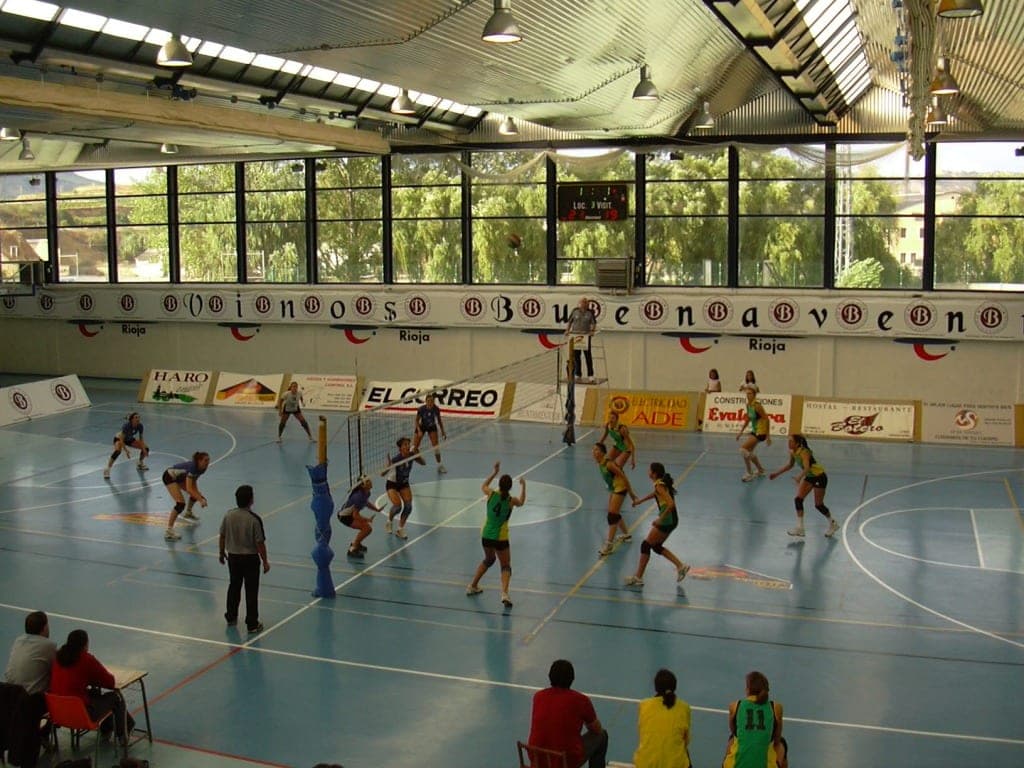
Volleyball
A non-contact team sport of rallies, jumps and teamwork — indoors or on the beach.
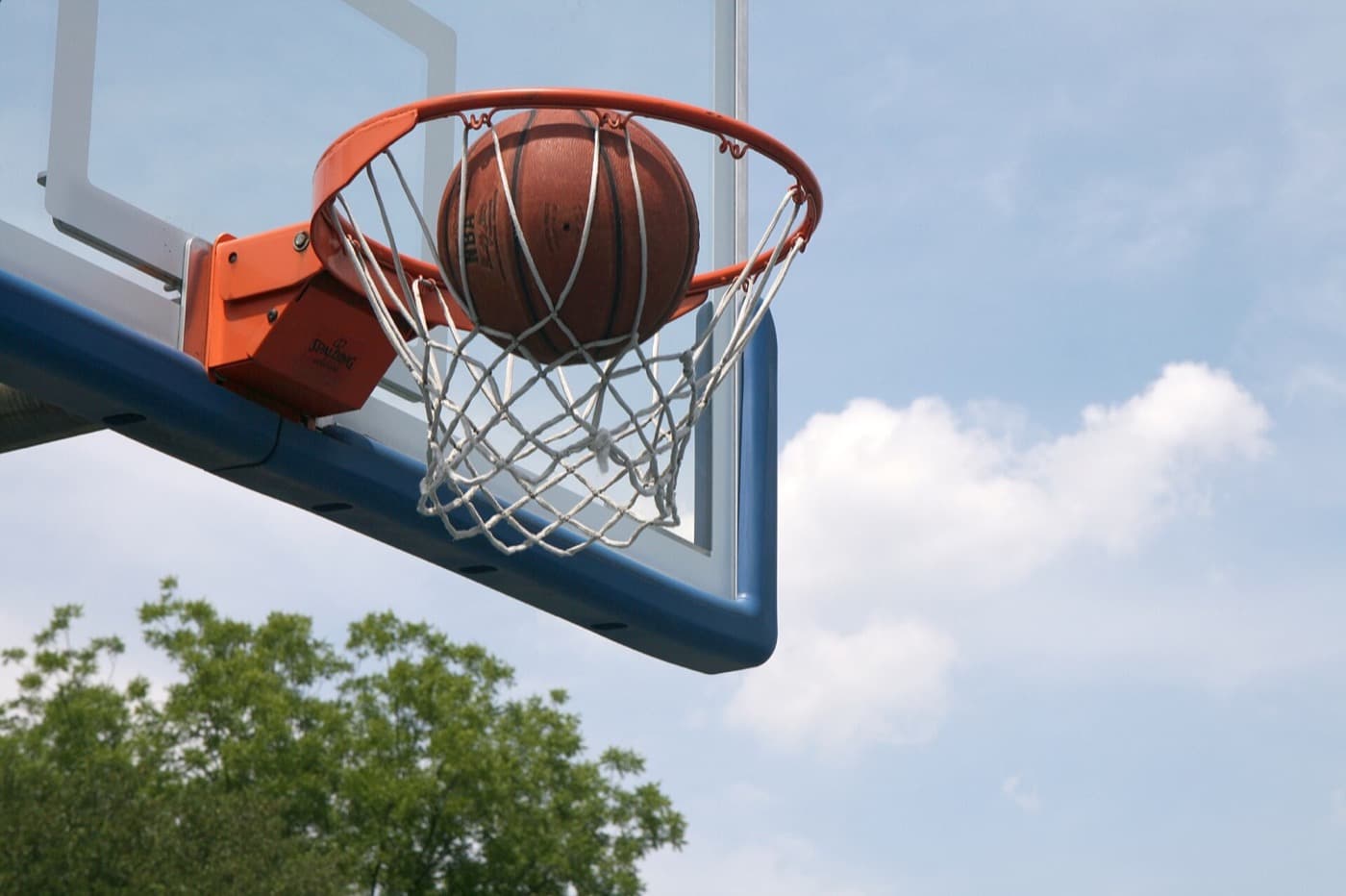
Basketball
A fast, dynamic team sport of running, jumping and quick decisions on court.
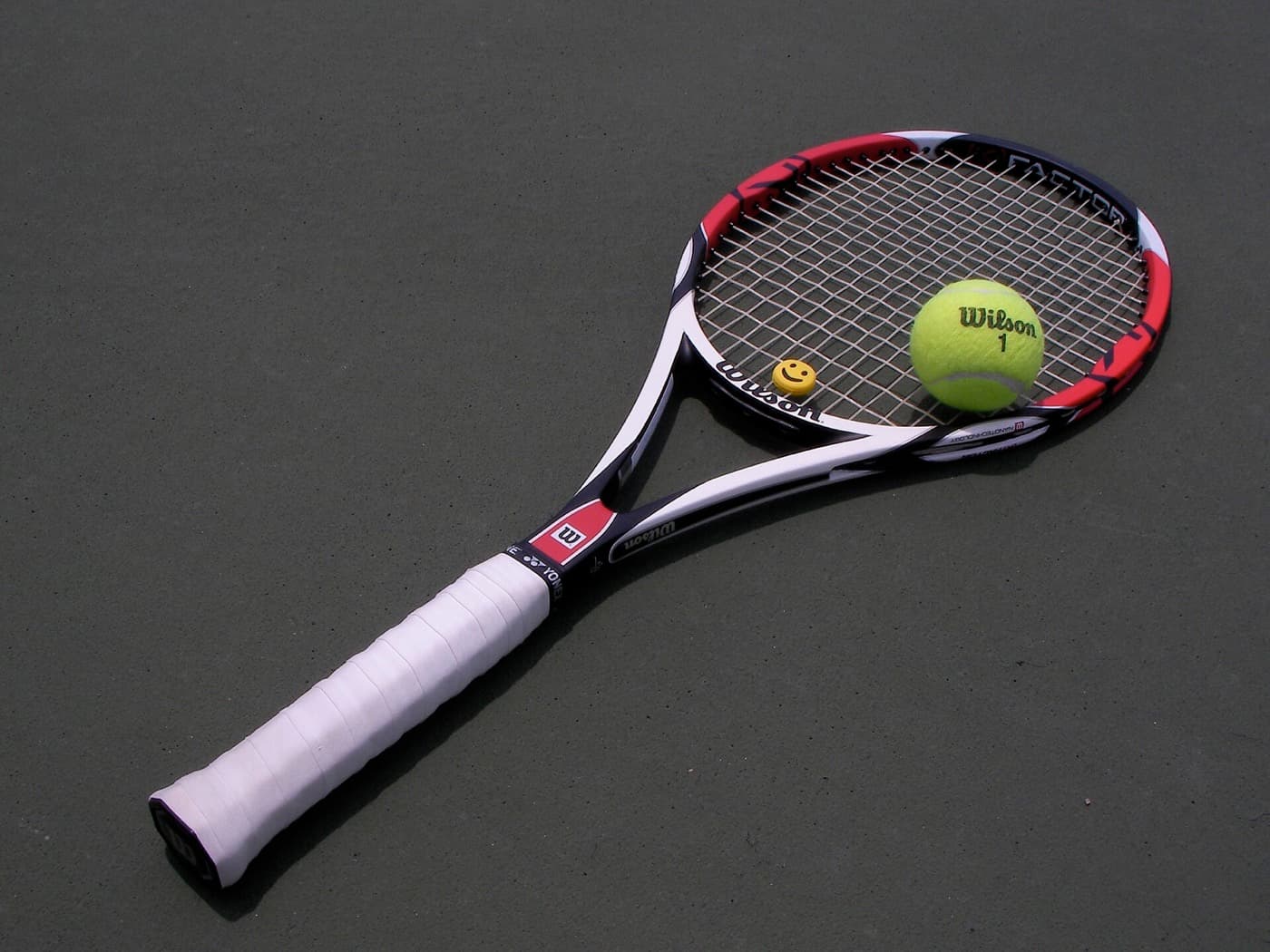
Tennis
A singles or doubles racquet sport that blends agility, strategy and stamina on court.
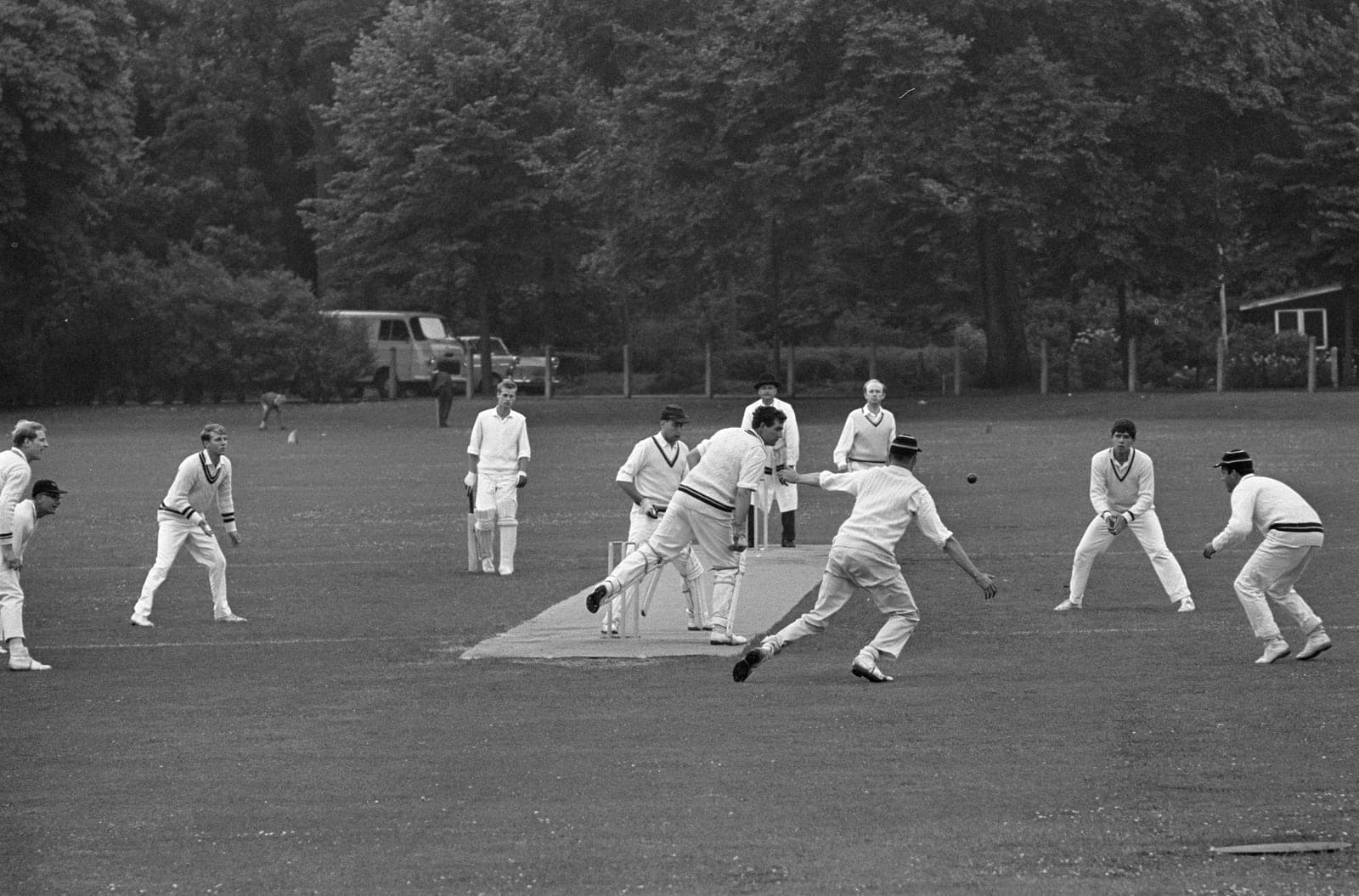
Cricket
A bat-and-ball team sport where sides take turns to bat and to bowl and field, scoring runs.
Explore across the knowledge base
Follow the threads that connect Call to the rest of SocialSportHub.
Sports communication
- Calling for the ballLetting a teammate know you are open and want the pass — usually a short, clear call made at the right moment.
- Defensive communicationTalking and signalling on defence — organising who marks whom, calling switches and warning teammates — to stay coordinated without the ball.
- Active listeningGenuinely taking in what a teammate or coach is communicating — not just hearing it — so the message actually lands.
- Signalling availabilityShowing a teammate you are open and ready to receive — often through movement, body position or a gesture rather than a shout.
- Non-verbal communicationSharing information without words — through body language, eye contact, gestures and agreed hand signals — often faster or quieter than a call.
Officiating
- Self-OfficiatingThe convention, central to golf and common in other sports, that players apply the rules to themselves and call their own penalties.
- Foul callA foul call is an official's ruling that a player broke a rule of contact or conduct, triggering a penalty such as a free kick, free throw or penalty.
- Out-of-Bounds CallAn official's ruling that the ball or a player in possession has left the legal playing area, stopping play and handing a restart or possession to the opponent.
Go deeper with Call
Everywhere else on the platform that covers Call — assembled from what actually references it, so nothing here is a dead end.
Take it away
Open data and the whole-platform view of this subject.
How this page is maintained
- Content type
- Term
- Provenance
- Tier A — evergreen educational
- Verified external sources
- 0
- Content updated
- 2026-09-01
Evergreen, first-party explanation — it makes no claim that needs an external source. How we handle sources and reviews.