
Calling for the ball
Letting a teammate know you are open and want the pass — usually a short, clear call made at the right moment.
Overview
Calling for the ball is one of the simplest and most useful pieces of communication in team sport: telling a teammate, usually out loud, that you are open and ready to receive. A clear, well-timed call offers the player on the ball an option they may not have spotted, and takes some of the guesswork out of a fast-moving moment.
What makes a call effective tends to be timing and clarity rather than sheer volume — early enough to be useful, specific enough to be understood, and honest about whether you are actually in a good position. Exactly how a team calls varies by sport and even from one team to the next, so it is usually learned by playing together rather than from a fixed script. It supports good decisions but never guarantees them.
How it works
- It is telling a teammate, usually out loud, that you are open and want the pass.
- Timing and clarity tend to matter more than volume — an early, specific call is often the most useful.
- A good call gives the player on the ball an option and reduces guesswork.
- Effective calls are honest about your position, not just loud for the sake of it.
- Conventions vary by sport and team, so they are usually learned by playing together.
In practice
- In football or basketball a call is often a name plus a direction, so the passer knows who is asking and where to put it.
- In volleyball, calling “mine” can be as much about avoiding a collision as requesting the ball.
- What counts as a good call differs by sport — some games reward near-constant talk, others a few sparing, specific words.
Educational — and it varies
Where it shows up
Sports where this communication is especially visible — each with a clear guide.

Football
The world’s most popular team sport — endless running, teamwork and community in one game.
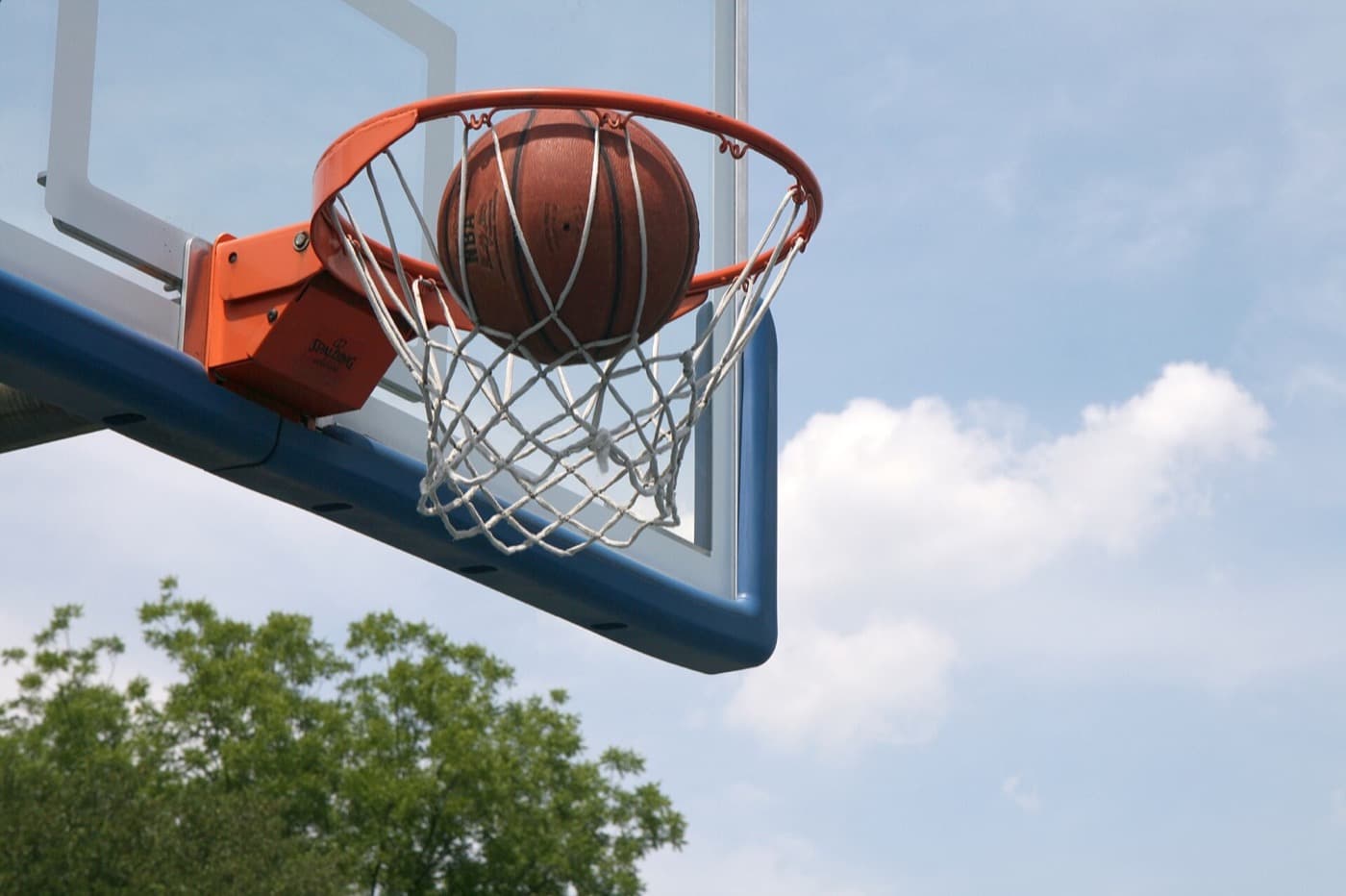
Basketball
A fast, dynamic team sport of running, jumping and quick decisions on court.
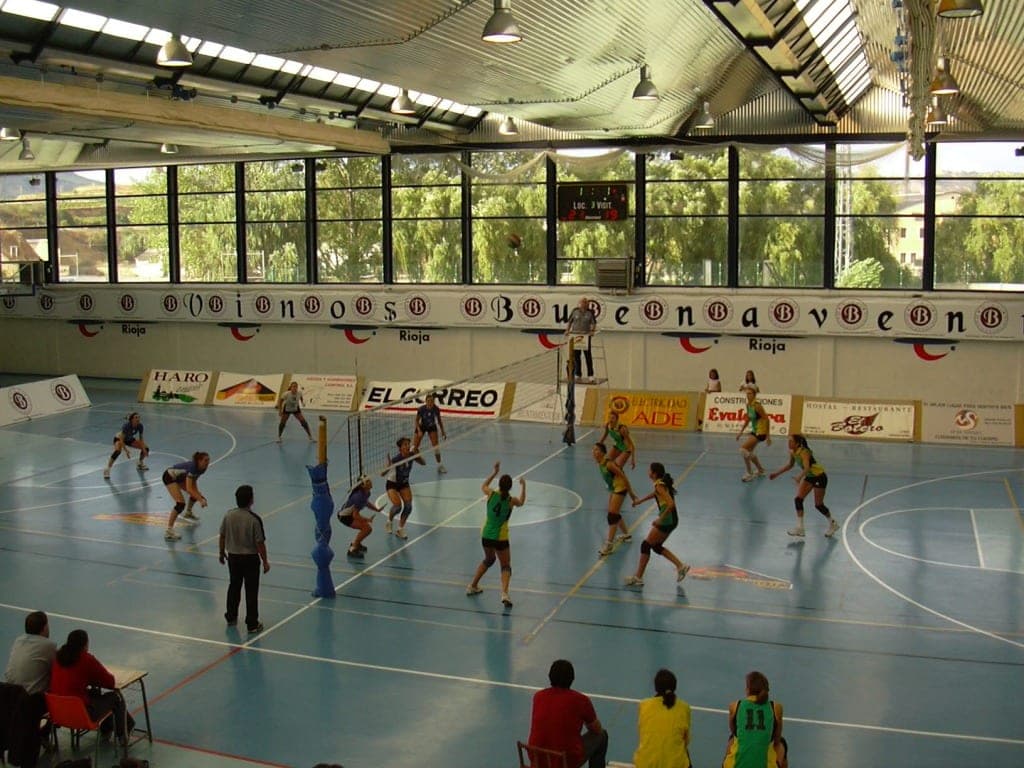
Volleyball
A non-contact team sport of rallies, jumps and teamwork — indoors or on the beach.
Frequently asked questions
Why do players call for the ball?
A clear, well-timed call tells a teammate you are open and want the pass, offering an option they might not have seen and reducing guesswork in a fast moment. What matters tends to be timing and clarity rather than volume, and the exact conventions vary from sport to sport and team to team.
Is calling for the ball just about being loud?
Not usually — volume can help in a noisy game, but an early, specific and honest call tends to be far more useful than a loud one. A call that names who is asking and points where, made before the moment closes, gives the passer something they can actually act on.
Explore across the knowledge base
Follow the threads that connect Calling for the ball to the rest of SocialSportHub.
Skills
Decision making
- Positioning choicesDeciding where to place yourself — often before the ball arrives — to cover space, stay ready to act and shape what an opponent can do.
- Situational awarenessHolding an overall picture of what is happening around you — teammates, opponents, ball, space and the state of the game — and keeping it updated as play unfolds.
- Pass selectionChoosing which pass to play, and to whom, from the options a moment offers — weighing space, risk and what the team is trying to do.
- Transition decisionsThe choices made at the moment a situation flips — winning or losing the ball, and switching between attack and defence.
- When to attackRecognising the moment to commit to an attacking action — spotting an opening and judging whether it is the right time to take it.
Knowledge Atlas
Techniques
- HeaderA technique for controlling or striking the ball with the forehead in football, used to pass, shoot or clear the ball in the air.
- Volleyball SetAn overhead pass using the fingertips of both hands to place the ball accurately for a teammate to attack.
- Inside-of-the-Foot PassThe most reliable short pass in football, played with the inside surface of the foot for accuracy over a short to medium distance.
- Rugby union passingHow a rugby pass is actually made — the sideways swing that replaces a throw, why every pass must travel backwards, and what separates a spiral pass from a pop.
- Chest PassA two-handed pass thrown directly from chest height in a straight line to a teammate, the most basic pass in basketball and netball.
How this page is maintained
- Content type
- Communication concept
- Provenance
- Tier A — evergreen educational
- Verified external sources
- 0
- Content updated
- 2026-07-12
Evergreen, first-party explanation — it makes no claim that needs an external source. How we handle sources and reviews.