
Transition decisions
The choices made at the moment a situation flips — winning or losing the ball, and switching between attack and defence.
Overview
Transition decisions are the choices players face at the instant a situation changes — the ball is won or lost, defence turns into attack, or attack collapses back into defence. These moments are distinctive because the picture is briefly unsettled and often momentarily open, and the choice made in the first split second can shape everything that follows.
Reading a transition early — sensing the turnover before it fully happens — tends to matter as much as reacting once it has. What to do at the switch, whether to push forward, slow things down or reset into shape, is contextual and varies with the sport, the score and where players are on the field or court, so it is not reducible to one rule.
How it works
- Transition decisions are the choices made the moment a situation flips — possession won or lost, defence to attack or back.
- They often happen in the first split second of the change, while the picture is unsettled and briefly open.
- Reading the transition early — seeing the turnover coming — tends to matter as much as reacting to it.
- Whether to push, slow the play down or reset is contextual, varying by sport, score and field position.
In play
- In basketball, a rebound or steal opens a fast-break decision — push the tempo immediately or set up a more controlled attack.
- In football, losing possession triggers rapid choices about counter-pressing to win the ball back or dropping into defensive shape.
- In volleyball, the switch from digging a spike to organising your own attack is a fast transition read within a single rally.
Educational — and it varies
Where it shows up
Sports where this decision is especially visible — each with a clear guide.

Basketball
A fast, dynamic team sport of running, jumping and quick decisions on court.

Football
The world’s most popular team sport — endless running, teamwork and community in one game.
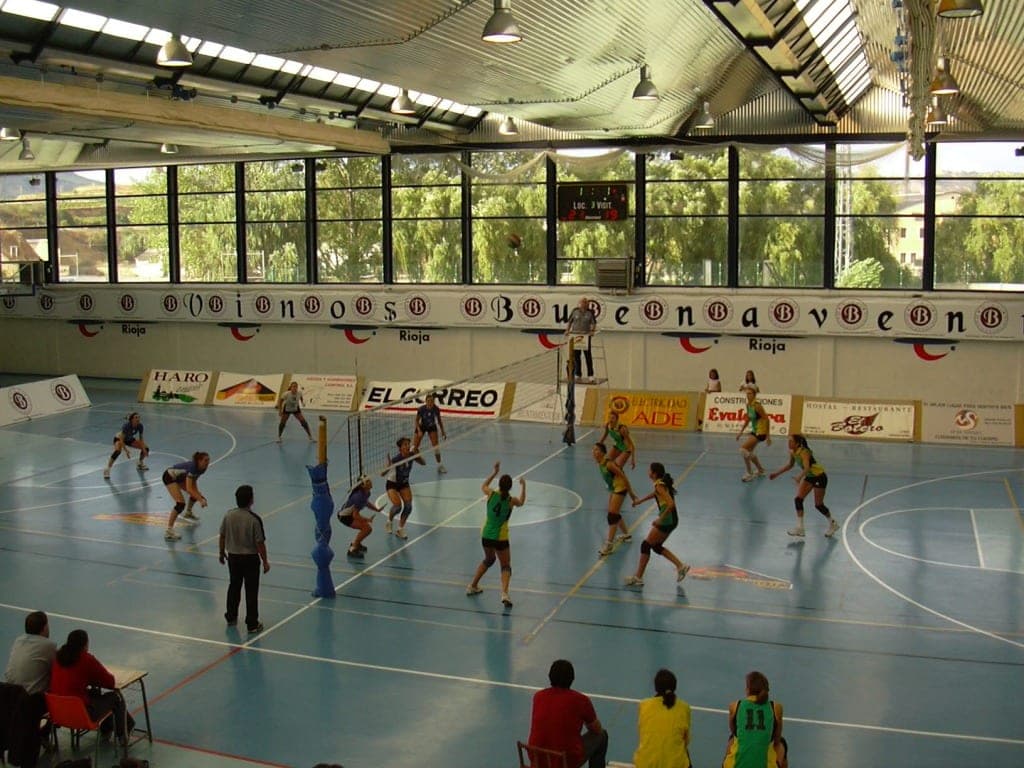
Volleyball
A non-contact team sport of rallies, jumps and teamwork — indoors or on the beach.
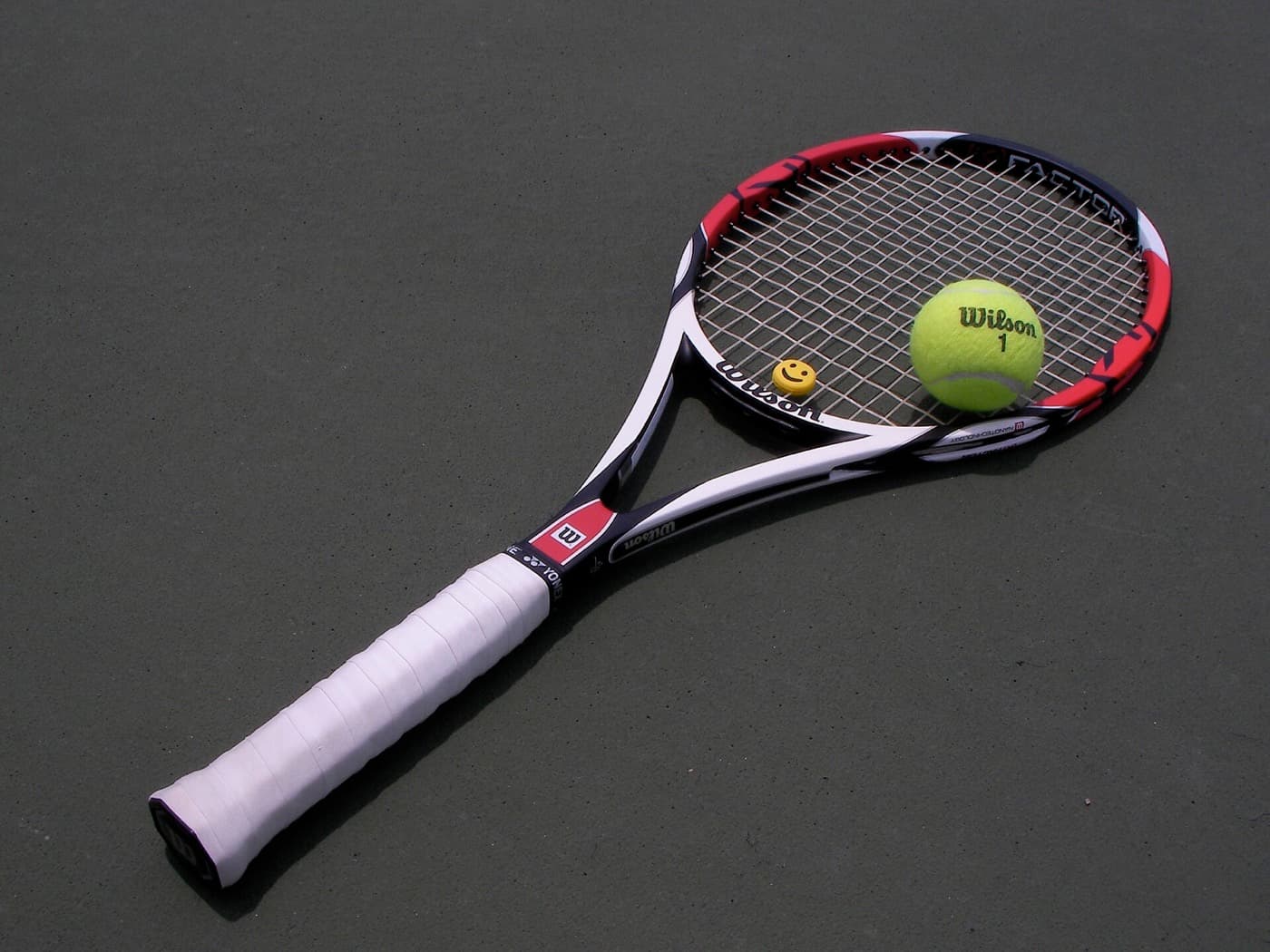
Tennis
A singles or doubles racquet sport that blends agility, strategy and stamina on court.
Frequently asked questions
What are transition decisions in sport?
They are the choices players make the moment a situation flips — when the ball is won or lost, or play switches between attack and defence. These moments are brief and often open, so reading the change early tends to matter as much as reacting to it. Whether to push forward, slow down or reset varies by sport, score and position, so there is no single right answer.
Explore across the knowledge base
Follow the threads that connect Transition decisions to the rest of SocialSportHub.
Tactics
Sports communication
How this page is maintained
- Content type
- Decision-making concept
- Provenance
- Tier A — evergreen educational
- Verified external sources
- 0
- Content updated
- 2026-07-12
Evergreen, first-party explanation — it makes no claim that needs an external source. How we handle sources and reviews.