
When to attack
Recognising the moment to commit to an attacking action — spotting an opening and judging whether it is the right time to take it.
Overview
When to attack is the timing decision of when to press an advantage or commit to a decisive action, as opposed to how the attack is actually carried out. It usually rests on reading a cue — an opponent off balance, a gap opening, a loose ball — and judging whether the opening is worth committing to right now. Attacking too early or too late can both waste a chance, so the moment matters as much as the intent.
Committing to attack often means accepting more risk, so this decision is closely tied to how a player weighs risk in the moment. There is no universal signal that says 'go now' — the right moment is contextual and varies by sport, score, level and how the game is flowing, which is why it tends to be learned through playing rather than from a rule.
How it works
- It is the timing decision of when to commit to an attacking action, not how the attack is carried out.
- It usually rests on reading a cue — an opponent off balance, a gap opening, a loose ball — and judging it worth taking.
- Attacking too early or too late can both waste an opening, so timing is as important as intent.
- Committing to attack often means accepting more risk, so it links closely to how you weigh risk in the moment.
- The right moment is contextual — it varies by sport, score, level and how the game is flowing.
In play
- In football or basketball, a turnover can create a brief window to counter before the opponent recovers shape.
- In racket sports, a short or weak return is often the cue to step in and attack rather than keep rallying.
- Late in a close contest, players may go for openings they would let pass earlier, because the situation has changed.
Educational — and it varies
Where it shows up
Sports where this decision is especially visible — each with a clear guide.

Football
The world’s most popular team sport — endless running, teamwork and community in one game.

Basketball
A fast, dynamic team sport of running, jumping and quick decisions on court.
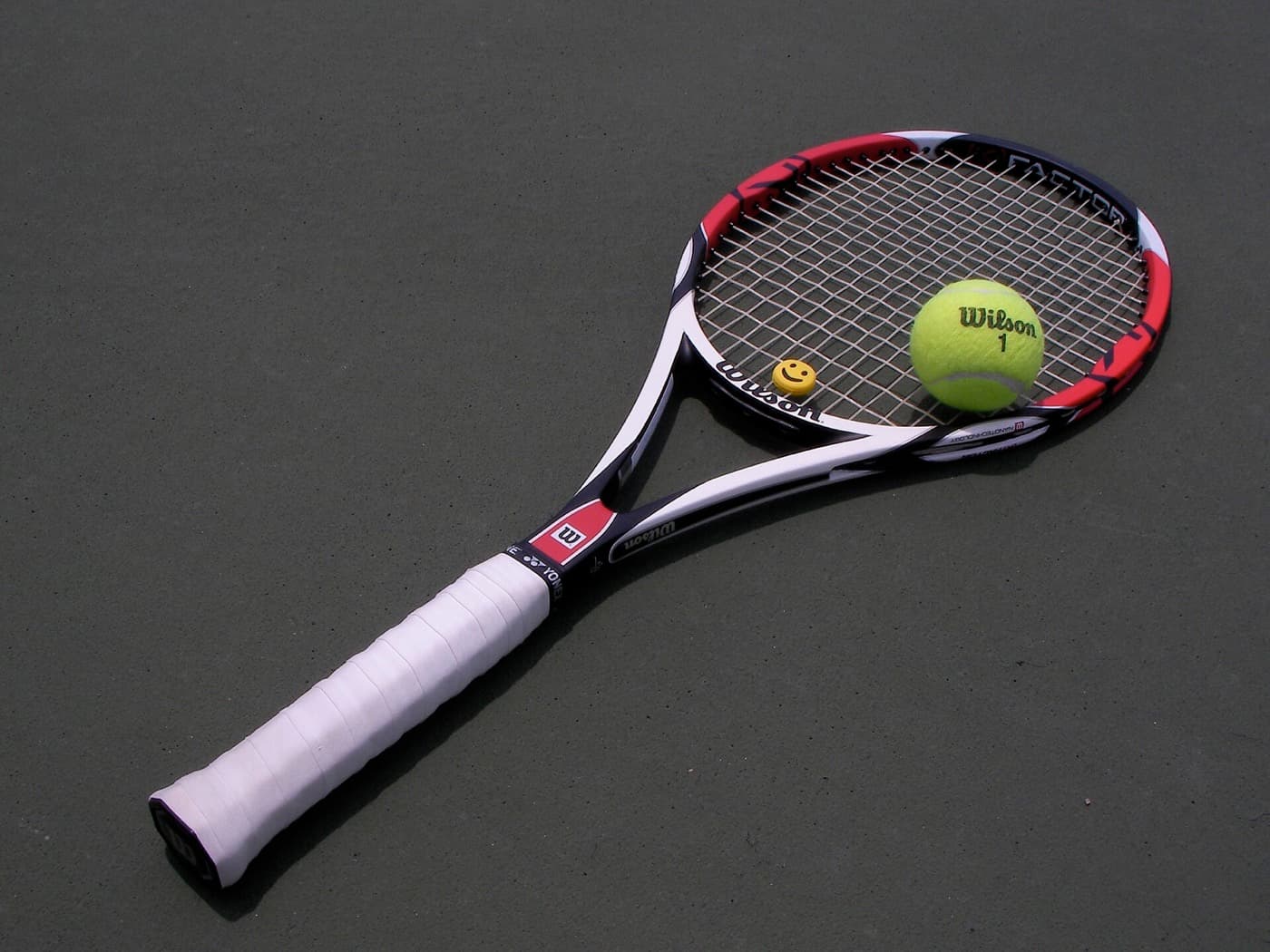
Tennis
A singles or doubles racquet sport that blends agility, strategy and stamina on court.

Badminton
A fast indoor racquet sport played with a shuttlecock that rewards agility and touch.
Frequently asked questions
How do players decide when to attack?
It usually comes from reading a cue — an opponent off balance, a gap opening, a loose ball — and judging whether the opening is worth committing to now, accepting the extra risk that attacking often brings. There is no universal signal to go, so the right moment tends to vary with the sport, the score and how the game is flowing.
Explore across the knowledge base
Follow the threads that connect When to attack to the rest of SocialSportHub.
Tactics
- Counter-attackWinning the ball and moving forward at speed to attack before the opponent can reorganise their defence.
- Breakdown strategyThe contest that decides most rugby union matches — when to commit players to a ruck and when to leave it, what a jackal is trying to do, and why the counter-ruck is a gamble.
Coaching concepts
- Small-Sided GamesPractising in scaled-down versions of a sport — fewer players, smaller area — so skills and decisions happen more often in a game-like setting.
- Decision-Making PracticeTraining athletes to read cues and choose the right action under pressure — coupling perception to action, not just rehearsing physical technique in isolation.
Strategies
- Attacking vs Defensive BalanceThe overarching choice a team or athlete makes about how much to commit to creating scoring chances versus avoiding conceding, and when to shift it.
- Transition PlayTransition play is the strategy of switching quickly between attack and defence the moment possession changes, exploiting the opponent's brief disorganisation.
- Playing the percentagesFavouring the higher-probability, lower-risk option most of the time to cut out unforced errors, while recognising when a calculated risk is worth taking.
Sports communication
Healthy living
How this page is maintained
- Content type
- Decision-making concept
- Provenance
- Tier A — evergreen educational
- Verified external sources
- 0
- Content updated
- 2026-07-12
Evergreen, first-party explanation — it makes no claim that needs an external source. How we handle sources and reviews.