
Using Width and Space
A side's plan to stretch the playing area and open gaps when attacking, then shrink and control that space when defending.
Overview
Using width and space is a strategic principle about how much of the playing area a side occupies and where, and how that changes between attacking and defending. When in possession, the aim is to stretch the field or court — spreading players toward the edges and threatening the space behind opponents — so that defenders are pulled apart and gaps open up to move through. When out of possession, the aim reverses: the side compresses, closing the distance between team-mates to shrink the space an attack can use. Because it governs the overall shape and intent of a side rather than a single action, it sits above specific tactics such as wing play, a high press, or a zone defence, which are the concrete ways the principle is put into effect.
The principle applies wherever there is territory to contest. In invasion and territorial games — where two sides share one field and try to move an object into a target area — teams constantly trade off spreading out to create chances against staying compact to prevent them: opening space to attack leaves gaps if the ball is lost, while packing the defence concedes territory. In court and net-divided sports the same logic drives an individual, who uses width and depth to move an opponent out of position and then recovers toward a central base to cover as much of the court as possible. In every case there is a continual tension between creating space and denying it, and reading which of the two is available at a given moment is central to the strategy.
Key ideas
- Stretching the area when attacking: by positioning players or directing shots toward the edges — the touchlines, the corners, the far side of the court — a side pulls opponents apart and opens lanes to pass, run, or strike through. The wider the defence has to spread, the larger the gaps between defenders tend to become.
- Compressing the area when defending: the defending side does the opposite, closing the distance between team-mates to stay compact and deny the gaps an attack wants. Play is funnelled into congested zones where cover is dense and there is little time on the ball.
- Width and depth work together: width is the side-to-side dimension and depth is the end-to-end one. Using both at once — stretching opponents across the field while also threatening the space behind them — makes the playing area harder to cover, because a defence cannot collapse in every direction at the same time.
- In court and net-divided sports the same idea drives shot placement: moving an opponent from one side to the other, and from the front to the back, opens the court so the next ball can land in space. After each shot the player recovers toward a central base position to reduce the angles available to the opponent — a personal version of compressing space.
- Space is most abundant in transition. The moment possession changes, the side that was attacking is often spread out and unbalanced, so counter-attacks and fast breaks aim to move the ball forward before the opponent can regroup and become compact again.
Where it’s used
Sports that use using width and space:
Football
The world’s most popular team sport — endless running, teamwork and community in one game.
Basketball
A fast, dynamic team sport of running, jumping and quick decisions on court.
Rugby
A physical team sport of carrying, passing and kicking an oval ball toward the opposing line.
Tennis
A singles or doubles racquet sport that blends agility, strategy and stamina on court.
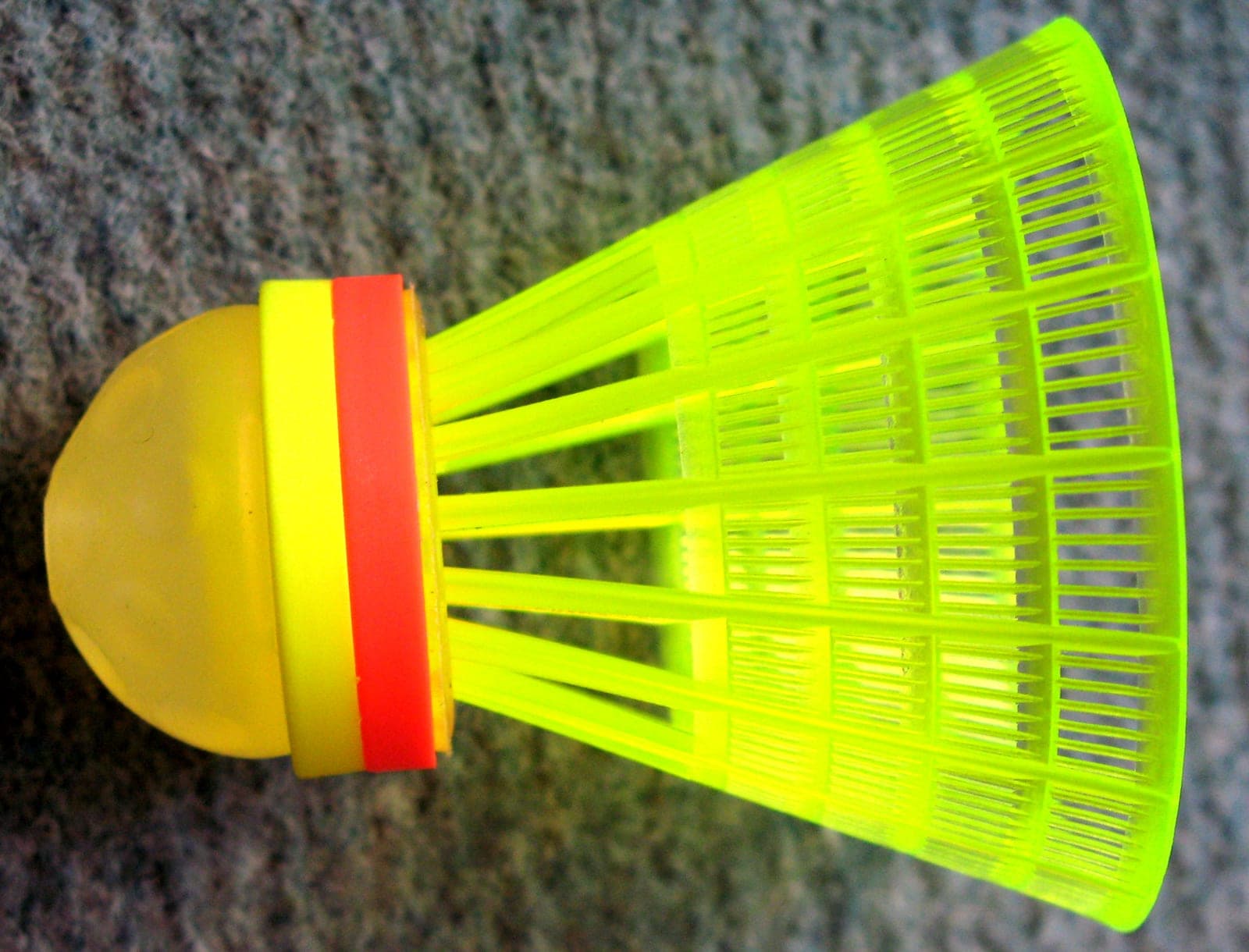
Badminton
A fast indoor racquet sport played with a shuttlecock that rewards agility and touch.
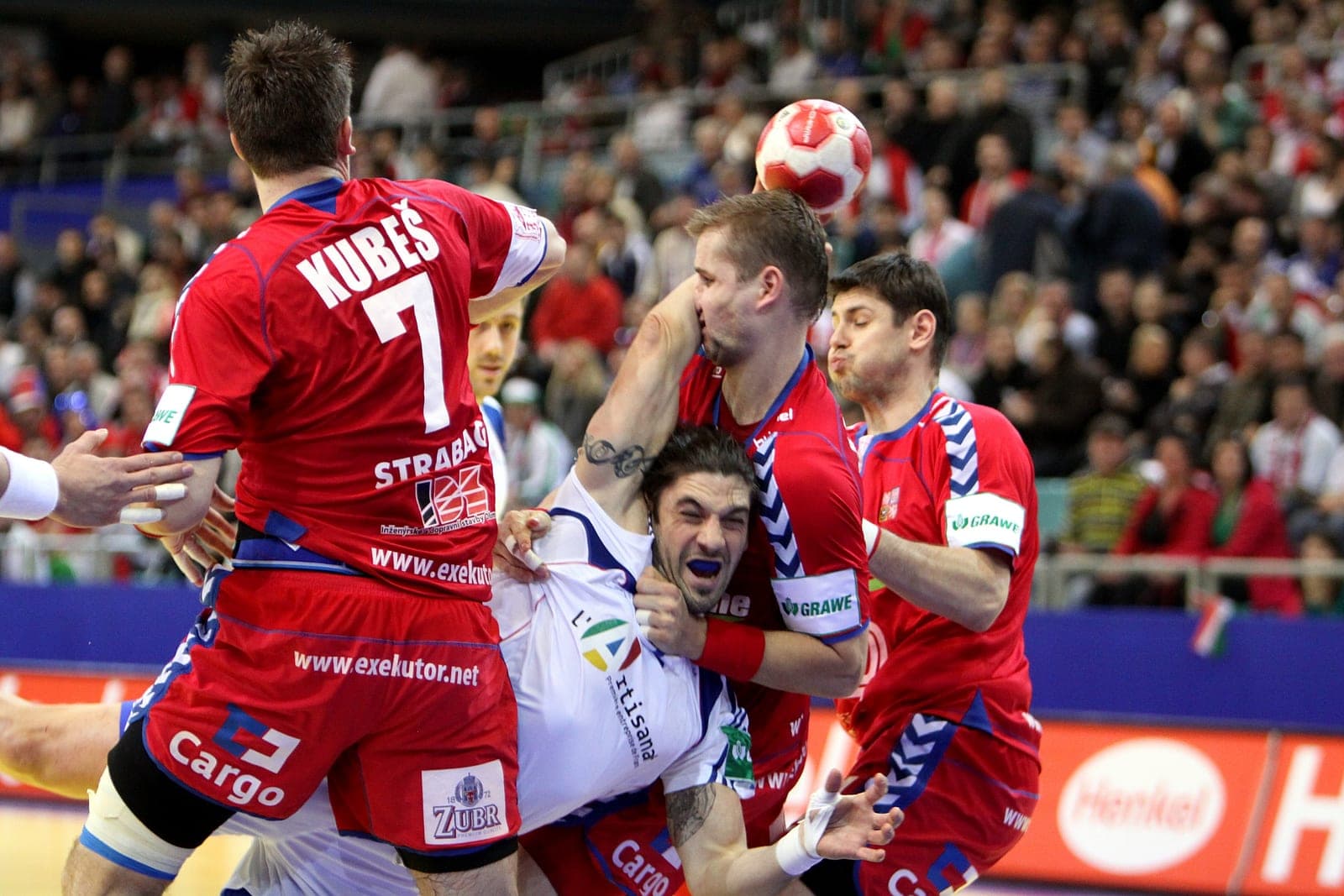
Handball
A fast indoor team sport of passing, jumping and throwing to score with the hands.
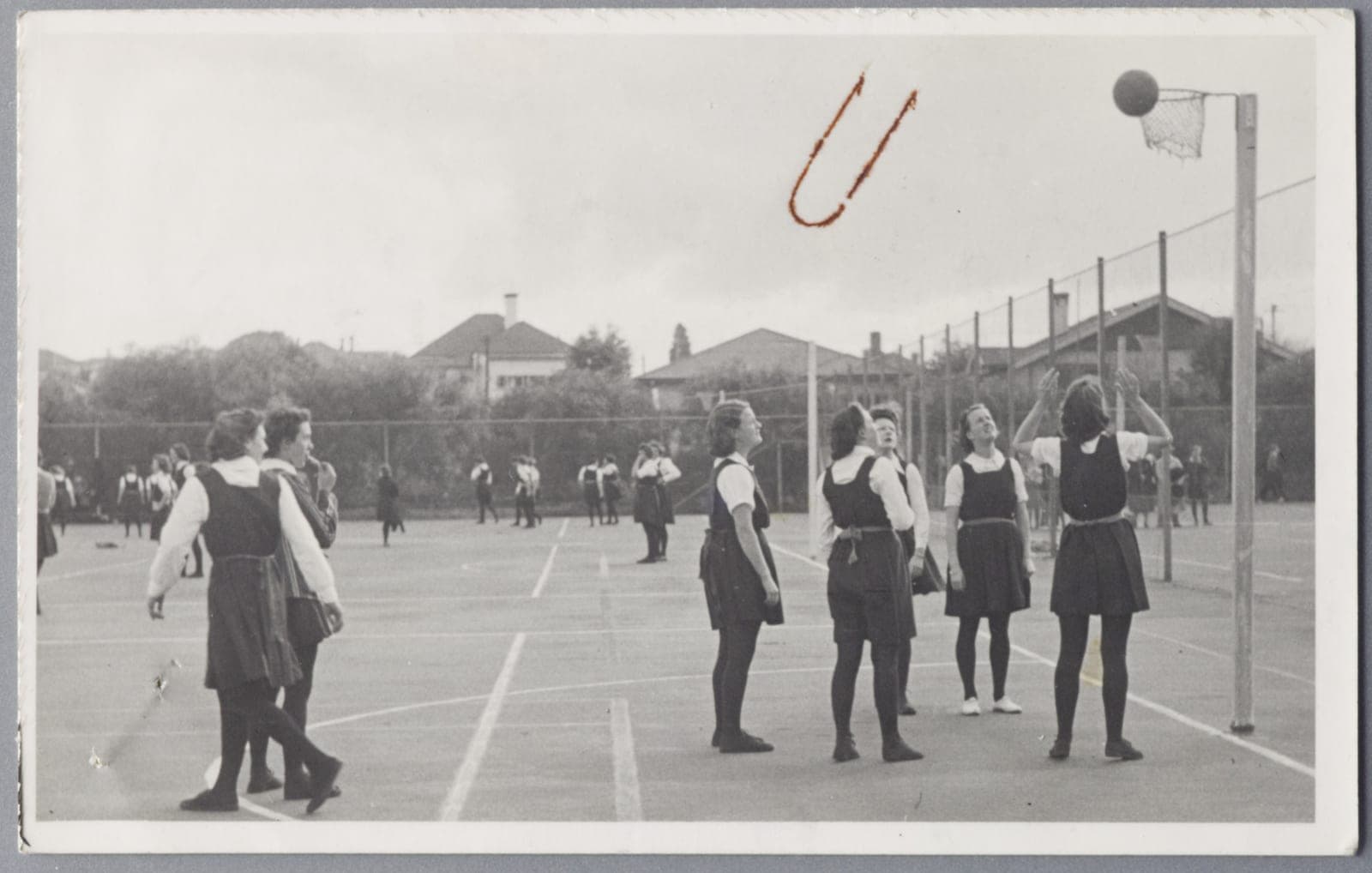
Netball
A non-contact, position-based team sport of quick passing and accurate shooting.
American Football
A strategic, position-based team sport of set plays, sprinting and coordinated teamwork on a marked field.
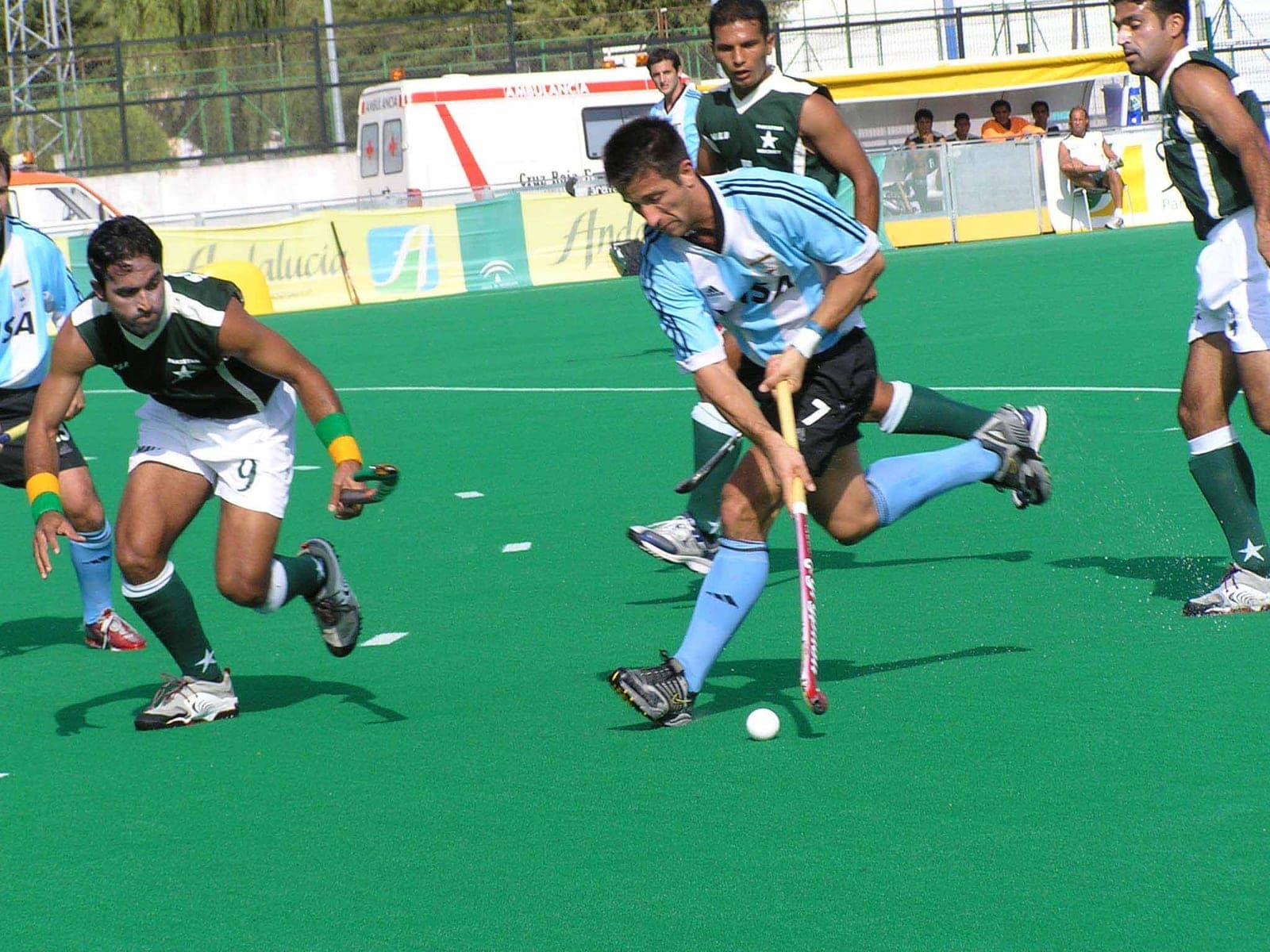
Field Hockey
An outdoor team sport that uses curved sticks to move a ball, built on agility and teamwork.
Water Polo
A demanding team sport played in deep water, blending swimming endurance with tactics.
Related strategies
Attacking vs Defensive Balance
The overarching choice a team or athlete makes about how much to commit to creating scoring chances versus avoiding conceding, and when to shift it.
Pacing and Energy Management
Pacing and energy management is the overarching plan for distributing a limited supply of physical effort across an event so you avoid fading early and finish strong.
Controlling Tempo
Controlling tempo is the strategy of dictating the pace and rhythm of play — speeding up or slowing down — to suit your strengths and unsettle opponents.
How it connects
The meaning-bearing relationships that place Using Width and Space in the wider knowledge graph — each one with the reason it exists.
Frequently learned together
Taught side by side in the same stage of a learning path.
- Doubles formationBoth are taught in the “Understand tactics & strategy” stage of the Badminton learning path.
- Net playBoth are taught in the “Understand tactics & strategy” stage of the Badminton learning path.
- Controlling TempoBoth are taught in the “Understand tactics & strategy” stage of the Badminton learning path.
- Playing the percentagesBoth are taught in the “Understand tactics & strategy” stage of the Badminton learning path.
- Exploiting MatchupsBoth are taught in the “Understand tactics & strategy” stage of the Badminton learning path.
Explore across the knowledge base
Follow the threads that connect Using Width and Space to the rest of SocialSportHub.
Tactics
- Doubles formationHow a pair positions itself on court — one up, one back, or both at the net — to control space in doubles.
- Net playControlling the point from close to the net with volleys, smashes and touch shots to cut down an opponent’s time.
- Wing playAttacking down the flanks and crossing the ball into the box to stretch the defence and create chances.
- Possession playA patient football style that keeps the ball through short passing to control the game and tire opponents.
- Counter-attackWinning the ball and moving forward at speed to attack before the opponent can reorganise their defence.
Positions
- WingerA winger is an attacking player who operates in the wide areas of the pitch, using pace and dribbling to beat defenders and create chances.
- Full-backA full-back is a defender who plays on the left or right side of the defence, defending the flank while also supporting attacks down the wing.
- Wing (handball)The handball wing plays wide on the left or right of the attack, using speed to finish fast breaks and shoot from tight angles near the sideline.
Learning paths
- Learn TennisA structured, educational learning path for tennis — from the rules to skills, techniques, tactics and training.
- Learn BadmintonA structured, educational learning path for badminton — from the rules to skills, techniques, tactics and training.
- Learn FootballA structured, educational learning path for football — from the rules to skills, techniques, tactics and training.
- Learn BasketballA structured, educational learning path for basketball — from the rules to skills, techniques, tactics and training.
- Learn RugbyA structured, educational learning path for rugby — from the rules to skills, techniques, tactics and training.
Coaching concepts
- Constraints-Led PracticeA coaching approach that adjusts the task, environment or rules so a desired movement or decision emerges in practice, rather than being explicitly instructed.
- Small-Sided GamesPractising in scaled-down versions of a sport — fewer players, smaller area — so skills and decisions happen more often in a game-like setting.
- Practice VariabilityVarying practice conditions — spacing, interleaving skills and changing situations — to build adaptable, durable skill, even when it feels harder day to day.
Techniques
- Table Tennis Forehand DriveA controlled attacking stroke in table tennis, played on the forehand side with a compact swing and light topspin.
- Chip ShotA compact lofted shot from close to the green that carries a short distance and then rolls to the hole.
- Bodyweight SquatA foundational lower-body exercise that lowers the hips by bending the knees and hips, then stands back up, using only body weight.
Decision making
Go deeper with Using Width and Space
Everywhere else on the platform that covers Using Width and Space — assembled from what actually references it, so nothing here is a dead end.
Learn it
Structured courses and paths on the platform that cover this directly.
How this page is maintained
- Content type
- Strategy
- Provenance
- Tier A — evergreen educational
- Verified external sources
- 0
- Content updated
- 2026-09-12
Evergreen, first-party explanation — it makes no claim that needs an external source. How we handle sources and reviews.