
Reading space
Seeing where space is — and is not — on the field or court, and using it to decide where to move, pass or play.
Overview
Reading space is the habit of noticing where there is room to play and where there is not — the gaps between opponents, the open side of a court, the lane a pass could travel through. Before choosing an action, skilled players are, in effect, reading a constantly changing map of space, and that reading tends to shape almost every decision that follows.
It is a perceptual habit rather than a single move, and it often develops more through playing and paying attention than through instruction alone. What counts as useful space is entirely situational — it depends on the sport, the positions of others and what you are trying to do — so there is no universal rule, only a way of looking that varies from moment to moment.
How it works
- It means perceiving where there is room to play, and where there is not — before deciding what to do.
- The reading comes first: where the space is tends to shape the pass, move or shot you choose.
- It is a way of looking that grows through playing and attention, not a fixed technique or move.
- Useful space is situational — it depends on the sport, others' positions and your own intent.
- It feeds decisions but is separate from them — it is the perception, not the choice itself.
In play
- In invasion games like football or basketball, it is often about finding gaps between defenders to move or pass into.
- In racket sports it is more about the open areas of an opponent's court to aim toward, which shifts with every rally.
- What looks like space to an experienced player may not to a beginner — the reading tends to grow with familiarity.
Educational — and it varies
Where it shows up
Sports where this decision is especially visible — each with a clear guide.
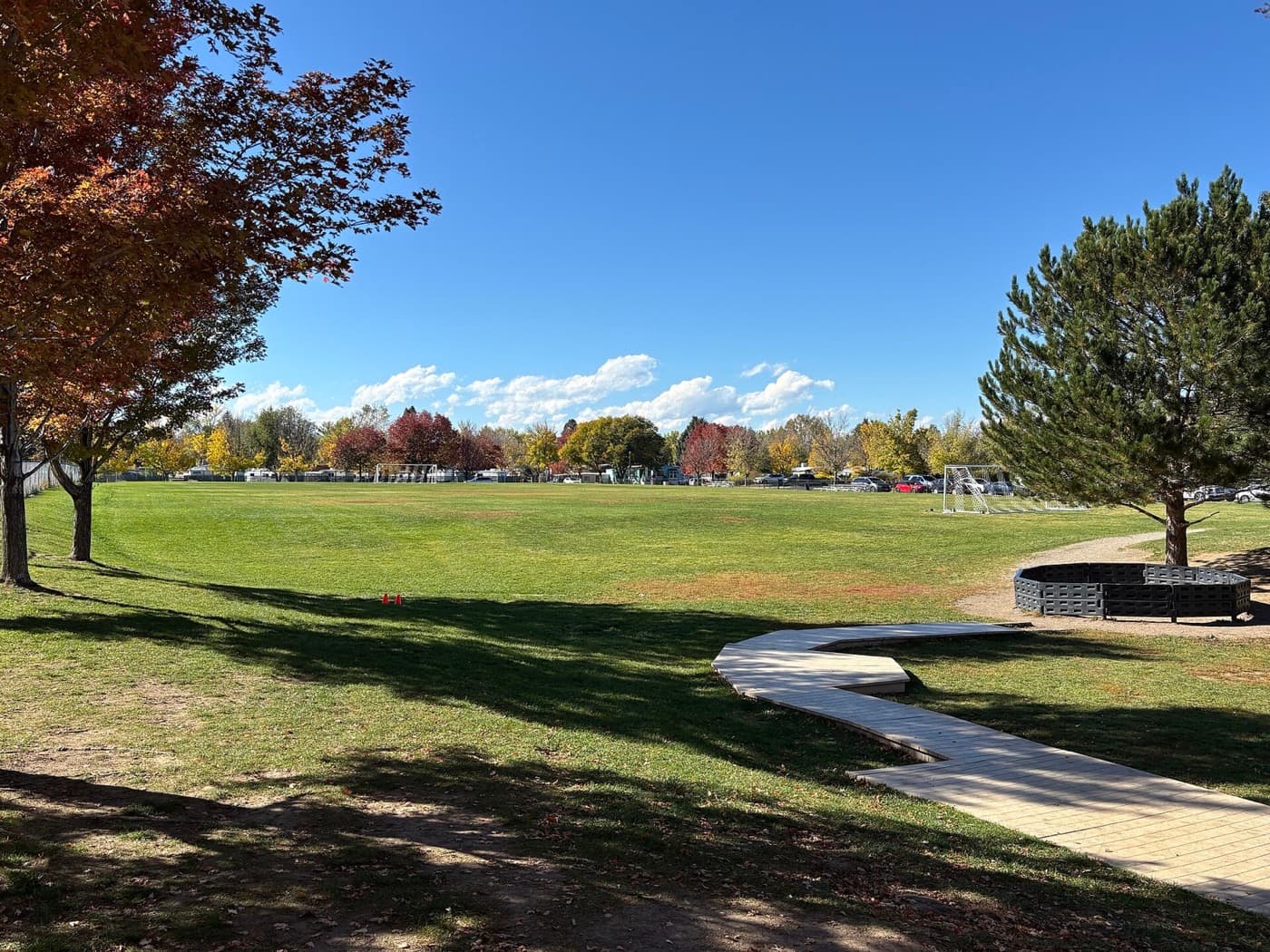
Football
The world’s most popular team sport — endless running, teamwork and community in one game.

Basketball
A fast, dynamic team sport of running, jumping and quick decisions on court.
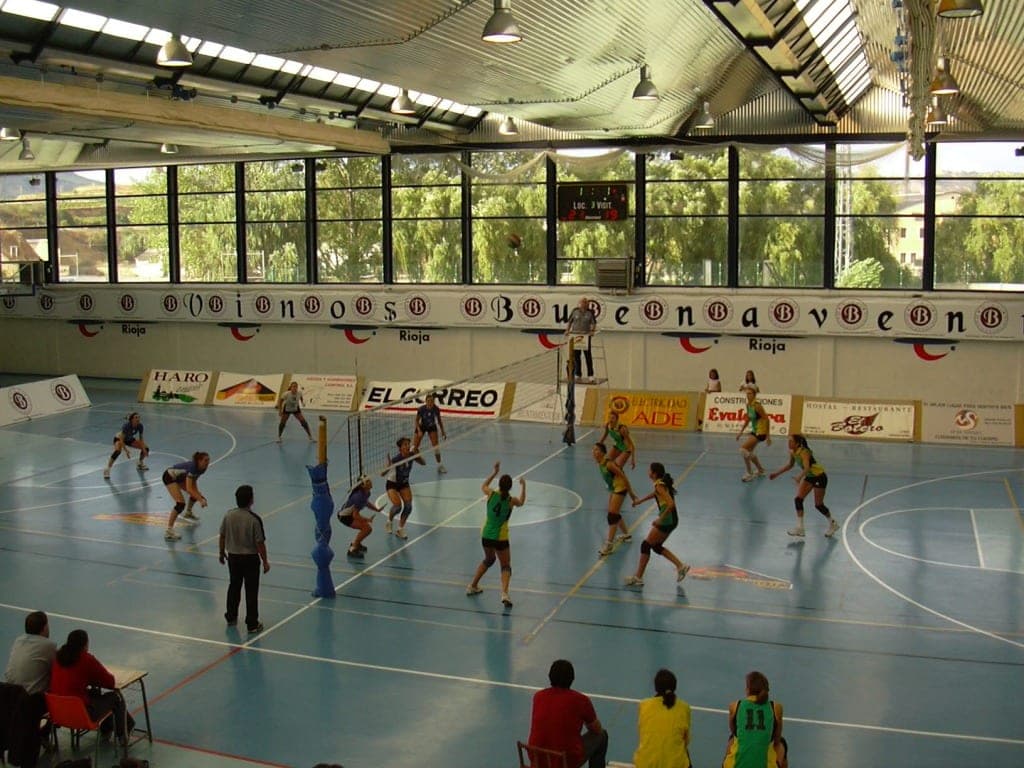
Volleyball
A non-contact team sport of rallies, jumps and teamwork — indoors or on the beach.
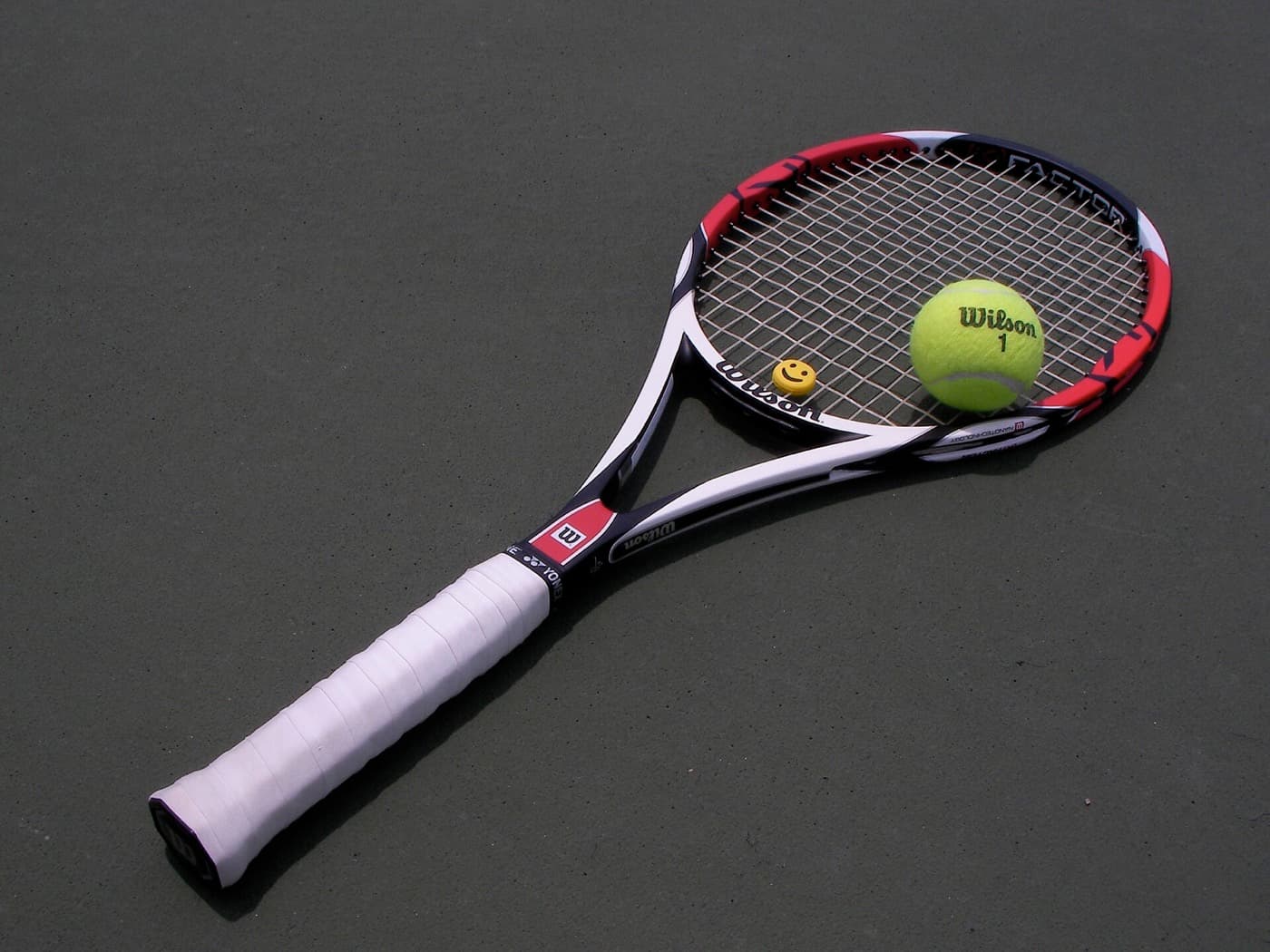
Tennis
A singles or doubles racquet sport that blends agility, strategy and stamina on court.
Frequently asked questions
What does "reading space" mean in sport?
It means perceiving where there is room to play — the gaps and open areas — and letting that shape your decisions about where to move, pass or aim. It is a perceptual habit that tends to grow through playing, and what counts as useful space depends entirely on the sport and the situation.
Explore across the knowledge base
Follow the threads that connect Reading space to the rest of SocialSportHub.
Tactics
- Wing playAttacking down the flanks and crossing the ball into the box to stretch the defence and create chances.
- Possession playA patient football style that keeps the ball through short passing to control the game and tire opponents.
- Doubles formationHow a pair positions itself on court — one up, one back, or both at the net — to control space in doubles.
Skills
Coaching concepts
- Small-Sided GamesPractising in scaled-down versions of a sport — fewer players, smaller area — so skills and decisions happen more often in a game-like setting.
- Decision-Making PracticeTraining athletes to read cues and choose the right action under pressure — coupling perception to action, not just rehearsing physical technique in isolation.
Sports communication
Practice & sessions
- Open-play sessionA turn-up-and-play session of informal, often social games — less structured than practice, focused on playing rather than drilling.
- Tactical sessionA session built around tactics — how you use space, position and patterns of play, rather than the mechanics of a shot.
- Decision-making sessionA session built around choosing well under pressure — reading the situation and picking the right option, not just executing a skill.
How this page is maintained
- Content type
- Decision-making concept
- Provenance
- Tier A — evergreen educational
- Verified external sources
- 0
- Content updated
- 2026-07-12
Evergreen, first-party explanation — it makes no claim that needs an external source. How we handle sources and reviews.