
Doubles formation
How a pair positions itself on court — one up, one back, or both at the net — to control space in doubles.
Overview
Doubles formation describes the shape a partnership takes to cover the court together, most commonly with one player at the net and one at the baseline, or with both players advancing to the net.
The chosen formation dictates who covers which shots, how the pair moves as a unit and where the gaps are. Variations such as the Australian and I-formation deliberately change the serving side to disrupt the returner.
Key points
- The two-up formation maximises attacking volleys but leaves the court vulnerable to the lob.
- The one-up, one-back shape is more defensive and easier for beginners to hold.
- Partners move together as a unit, shifting side to side to close the gap between them.
- The net player looks to intercept (poach) weak returns down the middle.
- Alternative serving formations can hide a weakness or take away a favourite return angle.
Where it’s used
Sports that use doubles formation:
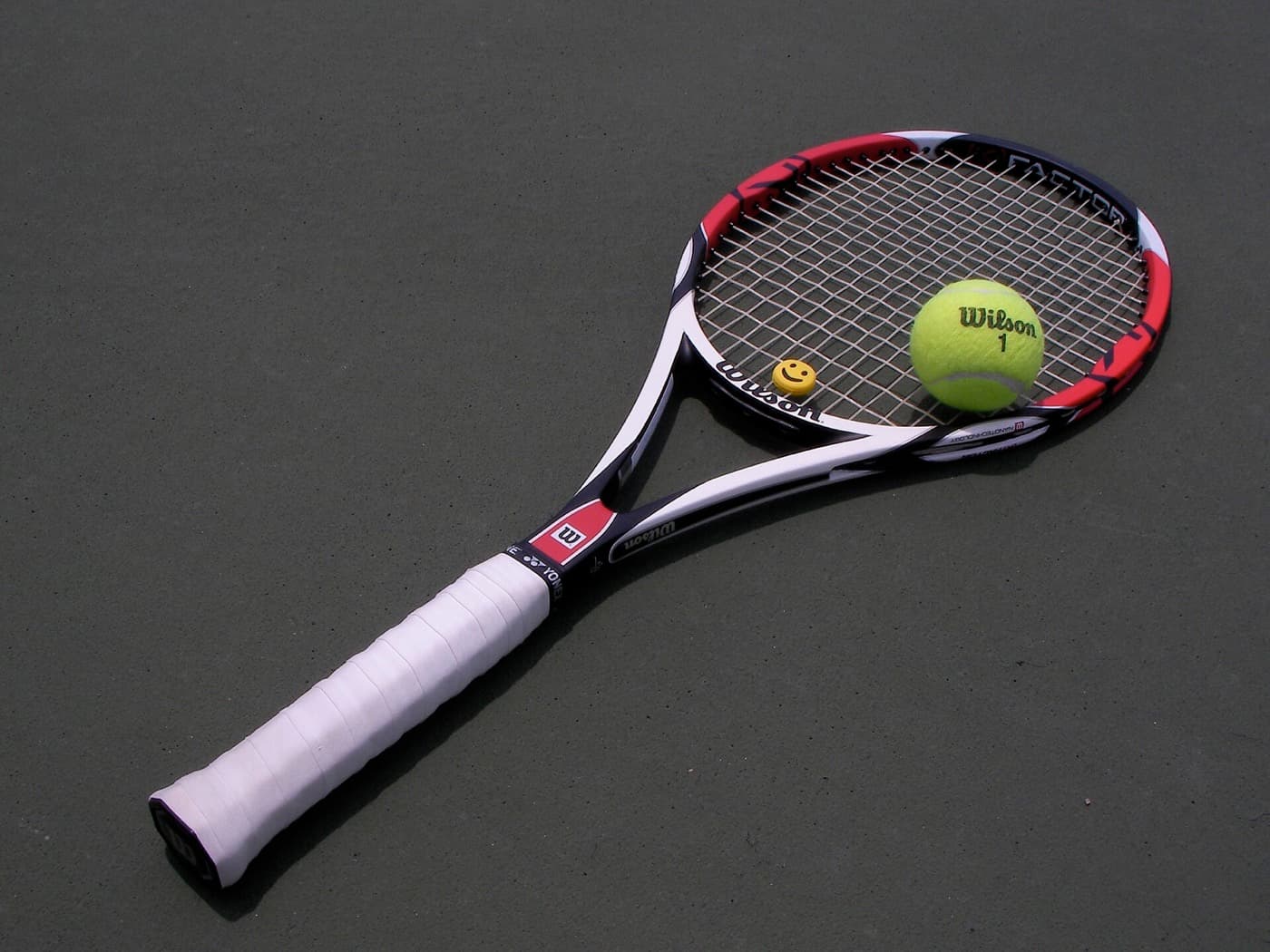
Tennis
A singles or doubles racquet sport that blends agility, strategy and stamina on court.
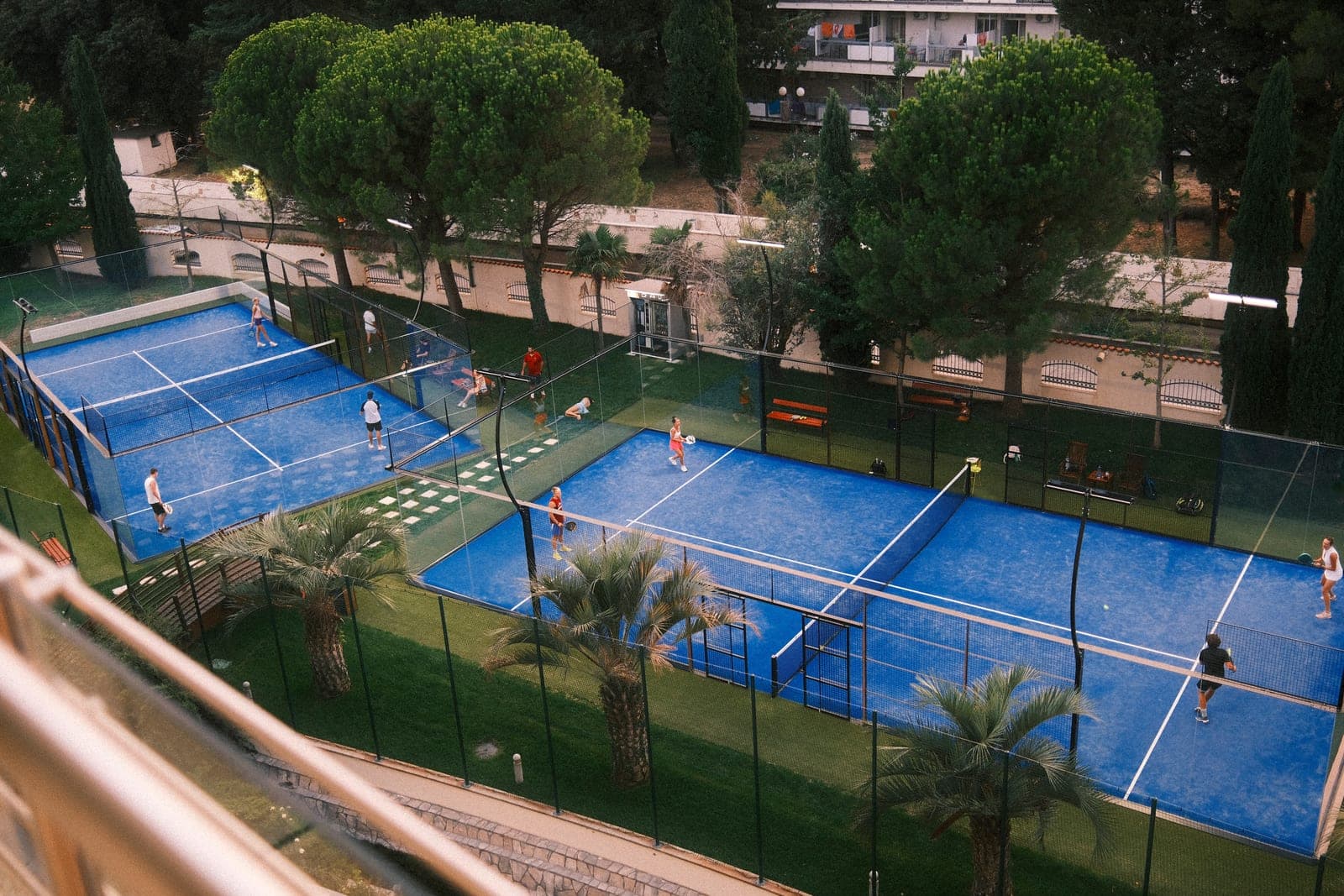
Padel
A sociable, doubles-first racquet sport played in an enclosed court where the walls stay in play.
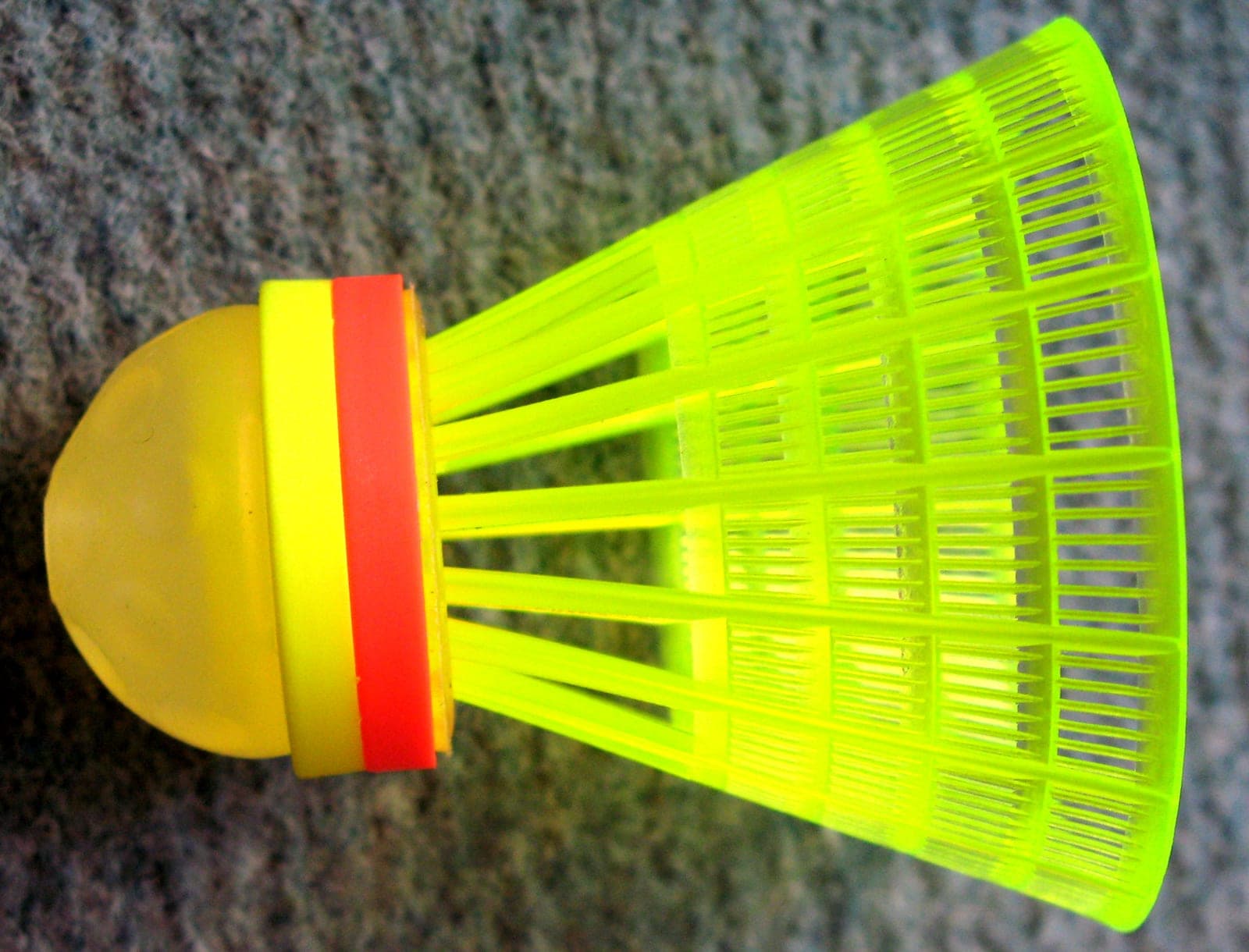
Badminton
A fast indoor racquet sport played with a shuttlecock that rewards agility and touch.
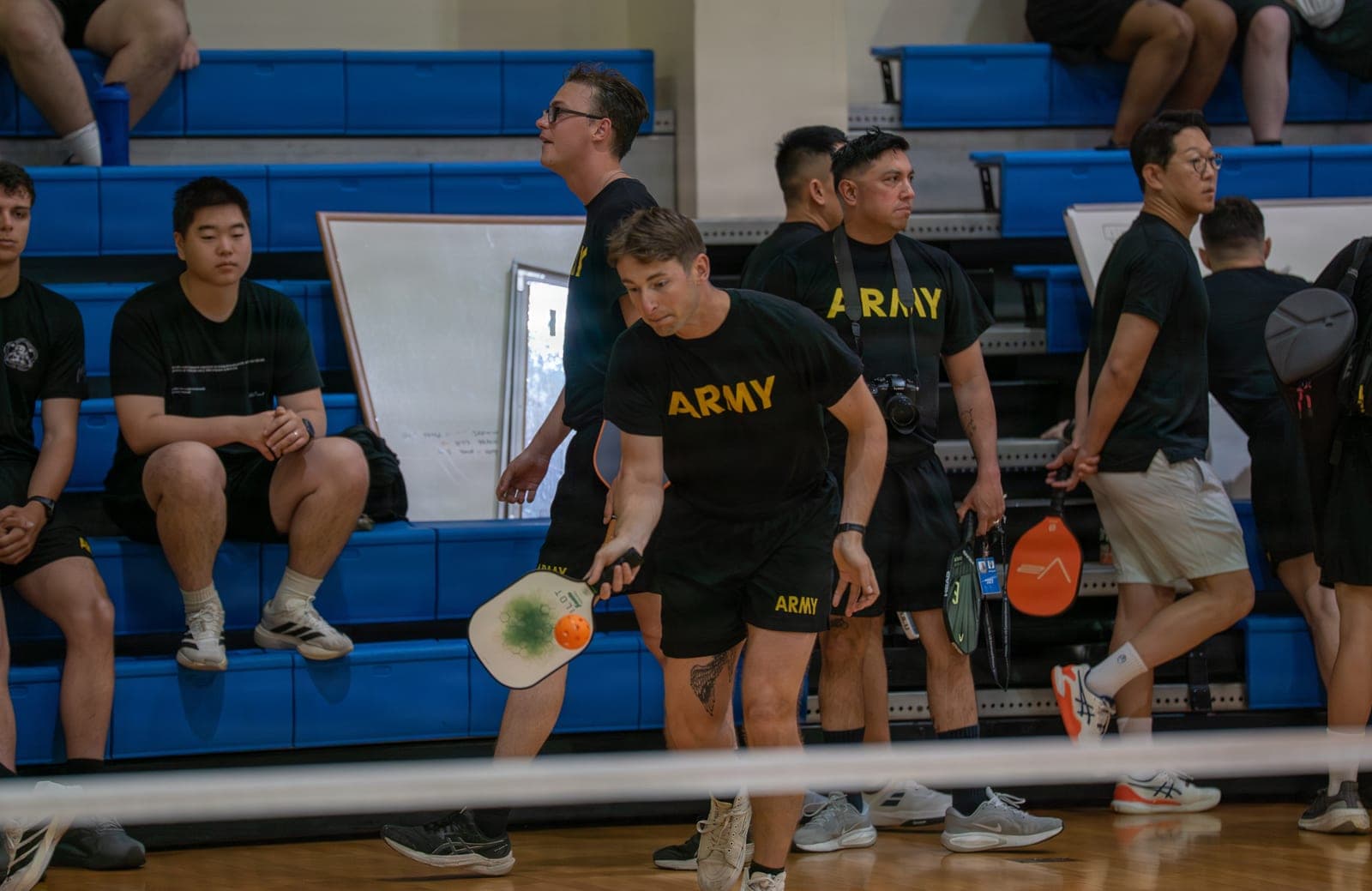
Pickleball
A friendly, easy-to-learn paddle sport played on a small court with a solid paddle and a light, perforated ball.
Related tactics
Serve and volley
An attacking tennis tactic where the server follows their serve to the net to finish the point with a volley.
Baseline play
A patient tennis style built around rallying from the back of the court and constructing points with groundstrokes.
Net play
Controlling the point from close to the net with volleys, smashes and touch shots to cut down an opponent’s time.
How it connects
The meaning-bearing relationships that place Doubles formation in the wider knowledge graph — each one with the reason it exists.
Broader than
A wider grouping that contains these.
Frequently learned together
Taught side by side in the same stage of a learning path.
- Serve and volleyBoth are taught in the “Understand tactics & strategy” stage of the Tennis learning path.
- Baseline playBoth are taught in the “Understand tactics & strategy” stage of the Tennis learning path.
- Net playBoth are taught in the “Understand tactics & strategy” stage of the Tennis learning path.
- Approaching the netBoth are taught in the “Understand tactics & strategy” stage of the Tennis learning path.
- Crosscourt and down the lineBoth are taught in the “Understand tactics & strategy” stage of the Tennis learning path.
Explore across the knowledge base
Follow the threads that connect Doubles formation to the rest of SocialSportHub.
Strategies
- Controlling TempoControlling tempo is the strategy of dictating the pace and rhythm of play — speeding up or slowing down — to suit your strengths and unsettle opponents.
- Playing the percentagesFavouring the higher-probability, lower-risk option most of the time to cut out unforced errors, while recognising when a calculated risk is worth taking.
- Exploiting MatchupsSteering play toward the pairings where you hold an advantage while shielding the pairings where an opponent could hurt you.
- Using Width and SpaceA side's plan to stretch the playing area and open gaps when attacking, then shrink and control that space when defending.
Learning paths
- Learn TennisA structured, educational learning path for tennis — from the rules to skills, techniques, tactics and training.
- Learn PadelA structured, educational learning path for padel — from the rules to skills, techniques, tactics and training.
- Learn BadmintonA structured, educational learning path for badminton — from the rules to skills, techniques, tactics and training.
- Learn PickleballA structured, educational learning path for pickleball — from the rules to skills, techniques, tactics and training.
Facilities
- Tennis courtA rectangular marked court, divided across the middle by a net, where tennis is played as singles or doubles.
- Badminton courtA rectangular indoor court, divided by a high net, on which badminton is played as singles or doubles.
- Padel courtAn enclosed court, much smaller than a tennis court, walled with glass and mesh so the ball can be played off the walls.
- The table tennis tableThe exact dimensions of a table tennis table and its markings — length, width, height, the bounce test the surface must pass, and the lines that only matter in doubles.
- Volleyball courtA rectangular court split by a high net over which two teams rally the ball, played indoors or on sand.
Decision making
- Positioning choicesDeciding where to place yourself — often before the ball arrives — to cover space, stay ready to act and shape what an opponent can do.
- Reading spaceSeeing where space is — and is not — on the field or court, and using it to decide where to move, pass or play.
- Reading an opponentPicking up an opponent's cues — stance, weight, positioning and habits — to sense what they are likely to do and decide how to respond.
Techniques
- Playing the walls in padelThe skill that separates padel from every other racket sport — reading a rebound off glass, positioning behind the bounce rather than at it, and using your own back wall to attack.
- Padel BandejaA controlled overhead shot in padel, hit with slice and moderate pace to keep the player at the net without over-committing.
- Movement and recovery in tennisWhy tennis footwork is mostly about getting back rather than getting there — the split step, the recovery position that is not the centre of the court, and sliding on clay.
- Volleyball SpikeA powerful attacking hit that drives the ball sharply downward over the net into the opponent's court, usually after an approach and jump.
- The bandeja and the víboraPadel's two signature overheads — the controlled bandeja that holds the net, and the sliced víbora that attacks from it — and why a full smash is usually the wrong choice.
Equipment
- The table tennis net assemblyThe net, its posts and its suspension — the one height that governs both the net and the posts, and why that number appears twice in the Laws.
- The tennis net, posts and singles sticksThe net's two heights and the hardware that holds them — post height and position, the singles sticks that convert a doubles net, and the strap and band that finish it.
- The padel netThe net that divides a padel court — its two different heights, the maximum post height, the white strip that tops it, and why the posts sit at the lateral limits.
Go deeper with Doubles formation
Everywhere else on the platform that covers Doubles formation — assembled from what actually references it, so nothing here is a dead end.
Learn it
Structured courses and paths on the platform that cover this directly.
- Tennis courseTeaches Doubles formation in its “Understand tactics & strategy” stage.
- Padel courseTeaches Doubles formation in its “Understand tactics & strategy” stage.
- Badminton courseTeaches Doubles formation in its “Understand tactics & strategy” stage.
- Pickleball courseTeaches Doubles formation in its “Understand tactics & strategy” stage.
How this page is maintained
- Content type
- Tactic
- Provenance
- Tier A — evergreen educational
- Verified external sources
- 0
- Content updated
- 2026-09-12
Evergreen, first-party explanation — it makes no claim that needs an external source. How we handle sources and reviews.